Nest Predation and Minnesota Turkey Hatches
It's incredibly frustrating when you've done all your scouting, heard gobblers on the roost, and envisioned a successful spring hunt, only to find the woods feeling eerily quiet after the hatch. Many Minnesota turkey hunters wonder what happened to all those poults. This guide dives deep into a critical, often unseen factor impacting our wild turkey numbers: nest predation, exploring how various animals affect Minnesota turkey hatches and what it means for the birds we pursue.
Understanding the Vulnerability of Turkey Nests
The miracle of life for a wild turkey begins with a clutch of eggs, often laid in a shallow depression camouflaged by dense vegetation. But from the moment those eggs are laid until the poults hatch and can move efficiently, they are incredibly vulnerable. It's a high-stakes game of survival, and Mother Nature doesn't pull any punches.
The Critical Incubation Period
Once a hen starts incubating her clutch, usually around 10-12 eggs, she becomes a living, breathing target. This incubation period typically lasts about 28 days, a full month where she is tied to that nest, sitting tight, sometimes only leaving for brief feeding forays. Think about that for a moment: nearly four weeks where she's focused solely on her eggs, her natural instincts telling her to remain still and blend in. She's relying on her superb camouflage and immobility to avoid detection. However, any predator with a keen sense of smell or sight that stumbles upon her can quickly end the future of that entire clutch, and sometimes even the hen herself. It's a delicate balance, and often, even the slightest disturbance can lead to a hen abandoning a nest, leaving the eggs exposed to the elements or opportunistic scavengers. This intense period of vulnerability is a huge factor in whether a hatch is successful or not.
Factors Beyond Predation: Weather and Habitat
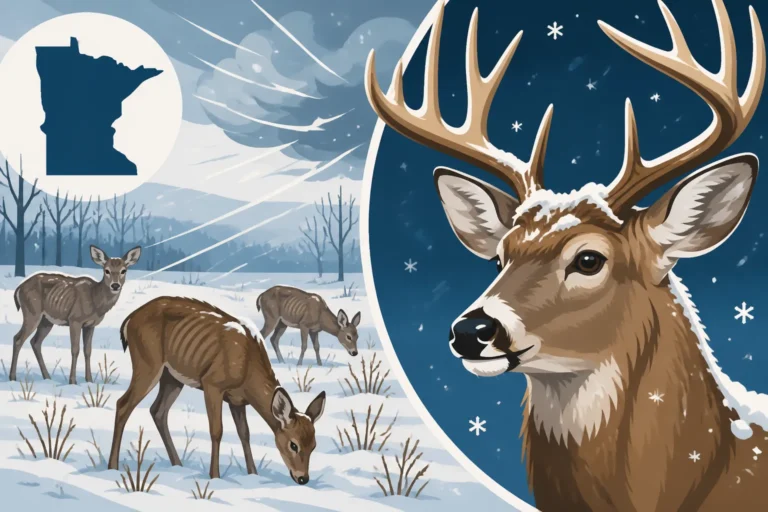
While predators are a huge piece of the puzzle, they aren't the only ones impacting nest success. Minnesota weather can be fickle, especially during the spring nesting season. A late-season cold snap with heavy, wet snow or prolonged periods of torrential rain can saturate nests, chilling eggs beyond viability. Poult survival post-hatch is also heavily influenced by weather; young poults are susceptible to hypothermia if they get too wet and cold before their feathers are fully developed. Beyond weather, the quality and availability of nesting habitat play an enormous role. Hens need dense, protective cover to conceal their nests from prying eyes. If suitable nesting habitat is scarce or fragmented, hens might be forced to nest in less secure locations, increasing their chances of being discovered by predators. Areas with a good mix of mature timber, brushy edges, and open fields, like those you might find around the bluff country of Southeast Minnesota, tend to offer more diverse and secure nesting options compared to monoculture landscapes. Understanding Minnesota Turkey Population Trends often means looking at both predator pressure and these environmental variables.
Common Predators Impacting Minnesota Turkey Hatches
It's a tough world out there for a turkey egg. A wide array of creatures view a turkey nest as an easy meal, and their collective impact can significantly reduce the number of poults that make it into the fall. Knowing who these culprits are can help you understand the challenges our wild turkeys face.
Mammalian Marauders: Raccoons, Skunks, and Coyotes
These are some of the most consistent and effective nest predators. Raccoons, with their incredibly dexterous paws and keen sense of smell, are notorious for finding and devouring turkey eggs. They're often active at night, when a hen's camouflage is less effective, and they can systematically raid multiple nests in an area. Skunks, while perhaps less agile, are also guided by their excellent noses and will dig up nests in open areas. Both raccoons and skunks are widespread across Minnesota, from the farmlands to the big woods, making them a constant threat. Coyotes are another major player. While they'll certainly eat eggs if they find them, their primary impact often comes from preying on the incubating hens themselves or on young poults. A coyote stalking through a nesting area can not only destroy a clutch but also remove a breeding hen from the population, impacting future years. Coyotes and Bobcats in Minnesota are prevalent, and their presence can be felt directly in turkey populations.
Avian Threats: Crows and Raptors
Don't underestimate the aerial assault. American crows are highly intelligent and opportunistic birds. They'll actively search for nests, especially during their own breeding season when they need protein for their young. Crows will often work in groups, and if one spots a hen or eggs, it won't be long before others join in. They're quick, efficient, and can often spot nests from above that ground-based predators might miss. Raptors, like great horned owls and various hawks, also pose a threat. While they might be less likely to raid an active nest of eggs, they are formidable predators of poults and even adult hens. A hen flushed from her nest by another predator might be an easy target for a circling hawk, especially if she's disoriented. Owls, being nocturnal, can easily surprise a roosting hen or a hen on the nest at night.
The Silent Killer: Snakes
Often overlooked, snakes are incredibly efficient nest predators. Minnesota is home to several species of snakes, and many of them, especially larger constrictors like garter snakes or milk snakes, will readily consume turkey eggs. Their stealthy nature allows them to approach a nest undetected, even by a watchful hen. They leave little to no sign of their depredation, making it hard to identify their impact without direct observation. Unlike mammals that might leave shell fragments or disturbed nesting material, a snake can swallow eggs whole and leave the nest virtually undisturbed, making it a "silent killer" that can significantly contribute to nest failure. When you're trying to figure out what happened to a local flock, it's easy to blame the mammals, but the slithering residents are often just as effective.
Habitat and Land Management: A Hunter's Role
While we can't control every aspect of Mother Nature, understanding nest predation empowers us as hunters and conservationists. We can, and should, play a role in creating environments that give wild turkeys a better fighting chance. Active land management, whether on public or private land, is vital for robust turkey populations.
Creating Safe Nesting Cover
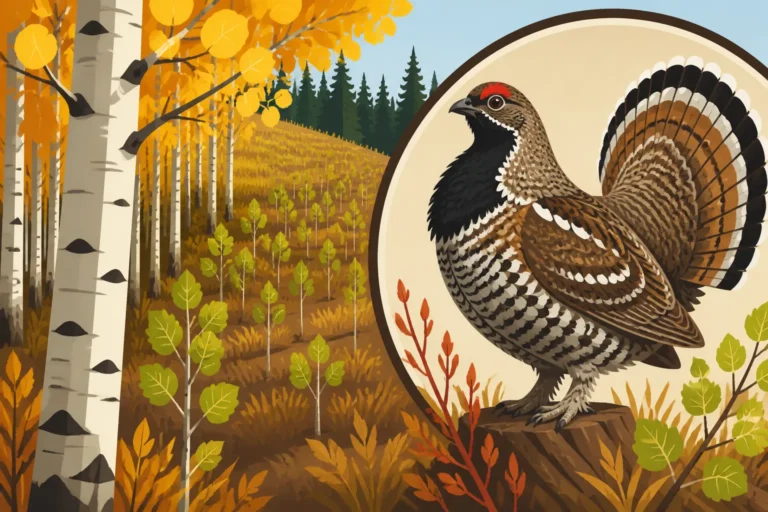
The single biggest defense a turkey hen has against nest predation is dense, secure nesting cover. This means areas with thick undergrowth, tall grasses, briar patches, or young saplings that can effectively hide a nest from both ground and aerial predators. Think about old fields that have been allowed to grow up, edges of timber stands with heavy brush, or even areas planted specifically for wildlife cover. A hen needs to feel safe enough to sit tight on her eggs for nearly a month. As hunters, advocating for and participating in habitat projects that promote this type of cover is crucial. This could involve selective timber thinning to promote undergrowth, planting native warm-season grasses, or creating brush piles that offer immediate, temporary cover. When scouting, use tools like the mapping features on platforms such as GoHunt to identify areas with dense, tangled cover that might serve as ideal nesting locations, or conversely, areas that lack it. Understanding how to create or identify good nesting cover can also inform your hunting strategies, as successful hatches mean more birds in the fall.
Predator Control and Its Complexities
The idea of predator control often sparks debate, and it's a complex topic with no easy answers. While a localized, targeted approach to trapping or hunting specific nest predators like raccoons or skunks can temporarily reduce pressure in a particular area, broad-scale predator eradication is generally ineffective, expensive, and can have unintended consequences on the ecosystem. Nature abhors a vacuum, and if one predator is removed, another will often fill its niche. Furthermore, many predators, like coyotes, play vital roles in regulating other prey species. For hunters, understanding the presence of predators in an area is more practical. For instance, if you constantly find evidence of raccoon activity in a particular bottomland, you might deduce that turkey nest success there will be lower. Rather than focusing solely on elimination, a more sustainable approach often lies in enhancing habitat to make it harder for predators to find nests and easier for hens to evade detection. The Minnesota DNR manages predator populations through various seasons for furbearers and predators, and knowing these regulations can be part of understanding the broader picture.
Supporting Habitat Through Conservation
Beyond direct land management, hunters can contribute significantly through conservation efforts. Purchasing a Minnesota hunting license and stamps directly funds wildlife management programs, which often include habitat improvements that benefit turkeys. Joining conservation organizations like the National Wild Turkey Federation (NWTF) or local sportsman's clubs provides opportunities to volunteer for habitat projects or contribute financially to larger initiatives. These efforts might focus on prescribed burns to stimulate new growth, planting food plots, or creating brushy corridors that connect existing patches of good habitat. The health of our turkey population is a direct reflection of the health of their habitat, and every dollar or hour spent on conservation helps improve nesting success. When you're planning a trip, consider exploring public lands where Habitat Work on Minnesota WMAs is actively being done, as these areas are often prime for robust turkey populations.
Reading the Signs: How Predation Affects Turkey Hunting
As hunters, we're always looking for clues to help us understand the game we pursue. Nest predation leaves its mark on the turkey population, and by learning to read these signs, you can adjust your expectations and strategies for the upcoming seasons. It's about being observant and connecting the dots between what you see in the woods and what it means for the birds.
Low Poult-to-Hen Ratios
One of the most direct indicators of a poor hatch, often due to high nest predation, is a low poult-to-hen ratio. This is a measure of how many young turkeys (poults) are observed per adult hen. Wildlife agencies conduct surveys to track this, but you can also make your own observations throughout the summer. If you're seeing many hens alone or only with one or two poults trailing them, it suggests that many nests failed or that post-hatch poult survival was low. Conversely, seeing hens with large broods of 8-10 healthy poults is a positive sign. A high poult-to-hen ratio typically indicates successful nesting seasons with good conditions and lower predation pressure, leading to more jakes and jennies the following spring and a stronger overall population. Conversely, when ratios are consistently low, it suggests that predators or other environmental factors are taking a heavy toll. Understanding Poult-to-Hen Ratios and What They Mean is a key part of assessing local turkey health.
Observing Predator Sign While Scouting
When you're out Scouting Minnesota Public Land Before Season for turkeys, don't just look for gobbler tracks and roost trees. Keep an eye out for predator sign too. Fresh coyote scat, tracks of raccoons along creek beds, or even dens can tell you a lot about the pressure turkeys face in that specific area. If an area is riddled with evidence of prolific nest predators, it might be a hint that turkey numbers there could be lower, or that hens might be forced to nest in less than ideal, more concealed spots. Knowing this can influence where you choose to focus your efforts. For example, if you scout a particular bottomland riddled with raccoon tracks, you might spend less time there and more time focusing on an upland area with thicker, brushier cover that might offer better nesting success. Using mapping resources like GoHunt can help you mark these observations and build a comprehensive understanding of the area over time.
Adjusting Your Hunting Strategy
A season with heavy nest predation means fewer young birds entering the population. This often translates to a higher proportion of older, more wary birds, and potentially fewer overall birds to hunt, especially during the fall season when juvenile birds are often a significant part of the harvest. If you know there's been a tough hatch, you might need to adjust your strategy. You might find you need to be more patient, employ quieter calling tactics, or focus on areas where older gobblers are known to frequent. In years with low recruitment, those mature, savvy birds are likely the ones that survived previous challenges. This is especially true for Hunting Minnesota's Fall Turkey Season, where understanding the flock dynamics, including the presence of young birds, is critical. Being adaptable and reading the signs of the landscape – including the impact of nest predation – makes you a more effective and knowledgeable hunter.
| Predator Type | Primary Impact on Turkey Nests | Signs to Look For | Hunter Implications |
|---|---|---|---|
| Raccoon/Skunk | Eats eggs, disturbs nest | Tracks, scat, disturbed nests, egg fragments | Likely lower nest success in high-activity areas. |
| Coyote/Fox | Eats eggs, preys on hens/poults | Tracks, scat, dens, sightings | Can reduce both clutch and hen survival. |
| Crow/Raven | Eats eggs, preys on poults | Visual sightings, cawing, feathers around nests | Aerial threat, can find exposed nests easily. |
| Snake | Eats eggs (swallows whole) | Minimal physical sign, subtle disturbance | Difficult to detect, but a significant factor. |
| Bear | Eats eggs, preys on hens/poults | Tracks, scat, disturbed ground, broken logs | Opportunistic, can devastate nests if present. |
| Bobcat | Preys on hens/poults | Tracks, scat, dense cover nearby | Threat to adults and young, especially post-hatch. |
Disclaimer
This article is for general informational purposes only and does not constitute professional advice. Laws, prices and regulations vary by location and change over time. Consult a qualified professional for guidance on your specific situation.