When Minnesota Elk Bugle
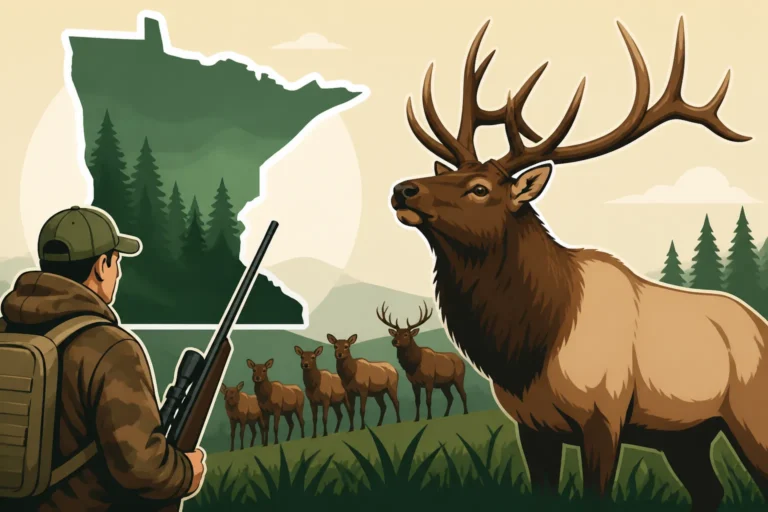
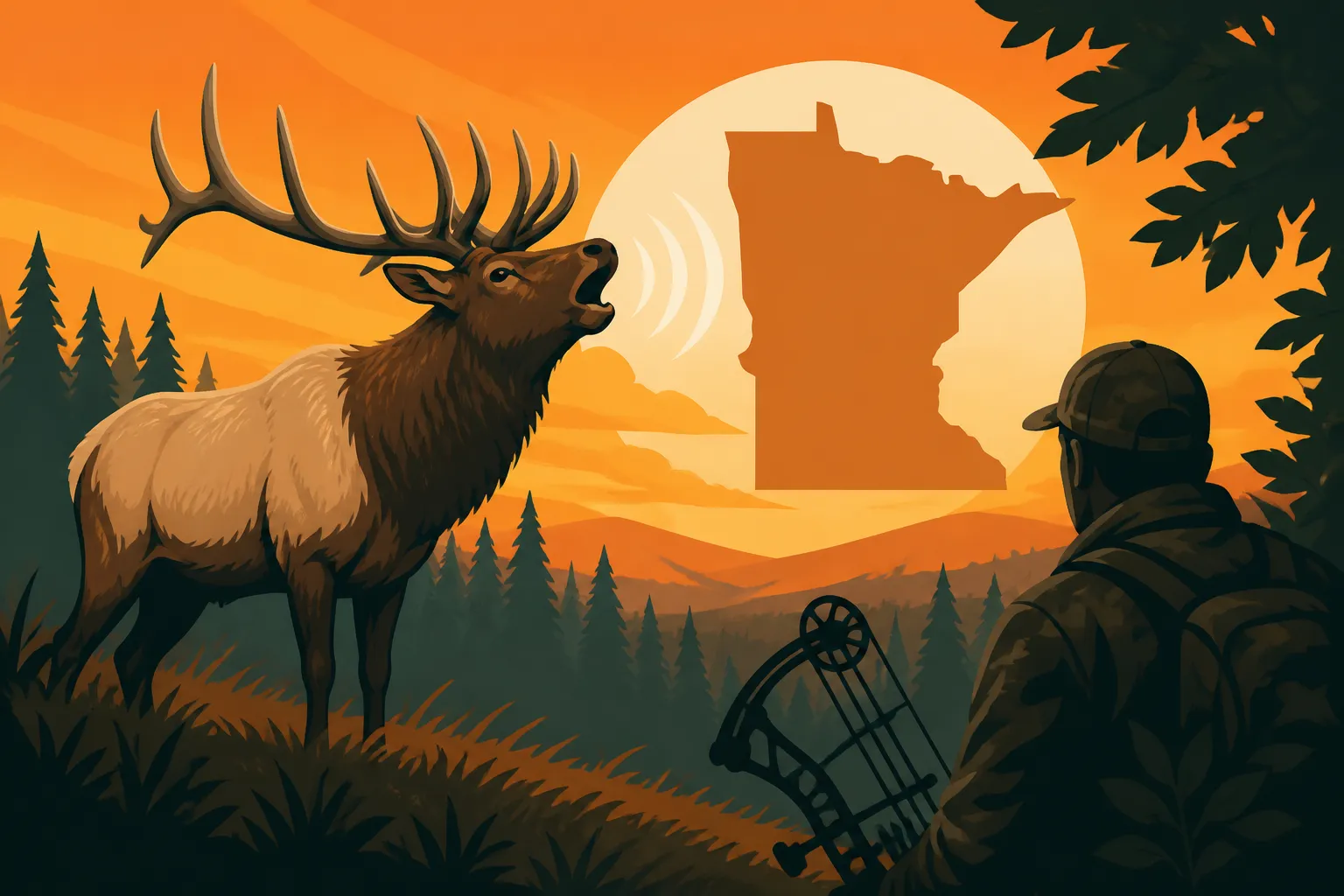
The sound of a bull elk bugling is something etched into the soul of every hunter lucky enough to hear it. It's a primal scream, a challenge, a declaration that autumn has truly arrived. For those of us here in Minnesota, chasing that sound means understanding our unique, smaller elk herds and knowing exactly when to be in the field. This guide will help you decipher the subtle cues and prime windows for hearing those magnificent calls echo across our northern landscapes, giving you the best chance to be there when the magic happens.
The Allure of the Bugle: Why Minnesota's Elk Rut Matters
There's something incredibly special about the elk rut. It's not just another hunting season; it's an experience that transcends the ordinary. The raw power of a bull elk, the sheer volume of its bugle carrying for miles on a crisp morning, the clashing of antlers as rivals spar—these are moments that stick with you long after the hunt is over. For many of us, it's the highlight of the entire hunting calendar, a chance to witness nature at its most dramatic.
The allure is particularly strong in Minnesota, where elk hunting opportunities are incredibly rare and highly coveted. We don't have vast, sprawling herds like some western states, which means every bugle, every encounter, feels like an even bigger privilege. Hunters can wait a lifetime for a chance at a Minnesota elk tag, making the timing of the hunt absolutely critical. You don't want to finally draw that once-in-a-lifetime tag and miss the peak of the action because you didn't understand the nuances of the local rut. It's a profound investment of hope and effort, and knowing when those bulls are most vocal is key to making the most of it.
Minnesota's Elk: Understanding Our Unique Herds and Their Rut
Minnesota is home to a few distinct elk herds, primarily concentrated in the northwestern part of the state. Unlike the sprawling western populations, our elk are a smaller, more localized phenomenon. Understanding these specific populations is crucial to predicting their rutting behavior and, ultimately, where and when you might hear a bugle.
The Kittson and Marshall County Herds
The two primary elk herds in Minnesota are found in Kittson and Marshall counties. These herds are the result of reintroduction efforts and careful management. The landscape here is a mosaic of aspen parklands, agricultural fields, and brushy cover—very different from the mountainous terrain many people associate with elk. This unique environment influences their behavior, including when they start to get vocal. The Kittson and Marshall County Elk Herds are a testament to successful conservation, and their rut is a spectacle for those fortunate enough to observe it.
Because these herds are smaller and exist in more defined pockets, their rut can sometimes feel more concentrated. Instead of widespread bugling across massive ranges, you might find more intense activity within smaller, prime areas. This means scouting and understanding specific herd movements are even more important. Hunters who spend time in these areas outside of hunting season often report that the bulls can be quite active, responding to calls and showing dominance. This also means that pressure, even from a few hunters, can significantly impact their vocalizations.
Elk Biology and Minnesota's Environmental Factors
The timing of the elk rut, or breeding season, is primarily driven by photoperiod—the length of daylight. As the days shorten in late summer and early fall, hormonal changes in both cows and bulls kick off the rut. However, local environmental factors, like temperature and precipitation, can certainly influence the intensity and specific timing of the peak bugling.
In Minnesota, early cold snaps or unusually warm weather can nudge the peak one way or another. A sudden drop in temperature can sometimes ignite increased activity, while prolonged warm spells might make bulls a bit more lethargic or nocturnal in their bugling. While the primary biological trigger remains consistent year to year, paying attention to the local weather forecasts and observing early-season behavior can give you a slight edge. Remember, these animals are highly adaptable, but they're still creatures of their environment. When Elk Were Reintroduced to Minnesota the goal was to ensure they could thrive in this very unique ecosystem, and part of that thriving includes a predictable, if sometimes subtly shifting, rut cycle.
Timing the Symphony: When the Bugles Echo Across Minnesota
Pinpointing the exact peak of the elk bugle in Minnesota involves a mix of general elk biology and an understanding of our local conditions. While every year can see slight variations, there are definite windows when you have the best chance of hearing those unmistakable calls.
The General Elk Rut Window
Across most elk ranges, the rut generally kicks off in late August and runs through September, sometimes spilling into early October. The peak of bugling activity typically falls in mid to late September. During this time, bulls are actively seeking cows, establishing dominance, and challenging rivals.
In Minnesota, our elk largely adhere to this general timeline. You'll start to hear scattered bugles and some initial sparring in late August, but the real show, the constant back-and-forth challenges, and the intense herd interactions, usually takes center stage around the second and third weeks of September. This is when the cows are coming into estrus, making the bulls more aggressive and vocal. If you're planning a trip to the Kittson County Elk Herd Size areas, consider those weeks your prime time for maximum audio gratification.
Factors Influencing Peak Bugling in Minnesota
While mid-September is a good rule of thumb, several factors can influence the exact peak:
- Weather: As mentioned, temperature plays a role. Cooler, crisp mornings in September often coincide with the most intense bugling. If it's unseasonably warm, bulls might be more active at night or in the very early morning and late evening, conserving energy during the heat of the day. A cold front rolling through can often stimulate a burst of activity.
- Cow Estrus Cycle: The core driver of intense bull activity is the cows coming into estrus. While this is primarily photoperiod-driven, individual cows can cycle at slightly different times, which means bugling might be staggered over a few weeks within a herd.
- Herd Dynamics: Smaller herds, like Minnesota's, can sometimes have more concentrated rutting activity. With fewer bulls competing, the dynamics might be more intense in certain pockets, making specific areas incredibly active while others remain quiet. Knowing the movement patterns of Where the Minnesota Elk Herd Came From is a key to understanding these localized dynamics.
- Hunting Pressure (if applicable): While Minnesota's elk hunts are highly regulated and limited, any human presence can impact elk behavior. Bulls might become quieter and more reclusive if they feel pressured, even during the rut. This is less of an issue for observation purposes, but for hunters, it's something to keep in mind.
To best time your scouting or hunting efforts, it’s beneficial to consult local resources. The Minnesota Elk Season Dates are set with the rut in mind, trying to capture that peak activity for hunters lucky enough to draw a tag.
Here’s a general breakdown of bugling intensity during the typical rut phases:
| Rut Phase | Typical Timing (Minnesota) | Bugling Intensity | Bull Behavior |
|---|---|---|---|
| Pre-Rut (Early) | Late August – Early Sept | Sporadic, Testing Calls | Bulls beginning to gather, minor sparring. |
| Peak Rut (Mid) | Mid-September | Intense, Frequent Calls | Bulls actively herding cows, challenging rivals, fighting. |
| Post-Rut (Late) | Late September – Early Oct | Declining, Searching Calls | Bulls may still be with cows, but less aggressive. |
This table provides a general guideline. Always remember that nature doesn't read a calendar perfectly.
On the Ground: Hunting Strategies During the Minnesota Elk Bugle
Securing a Minnesota elk tag is a monumental achievement for any hunter. Once you have it, maximizing your chances means having solid strategies for hunting during the bugle, especially given our unique local conditions.
Scouting for Success
Effective scouting is paramount, particularly for a once-in-a-lifetime hunt. You can't just show up and expect to find elk bugling. Pre-season scouting, even months beforehand, allows you to identify core areas, travel corridors, and potential bedding or feeding zones. Look for tracks, rubs, wallows, and droppings. Use mapping applications like GoHunt to study aerial photos and topographical maps, identifying natural funnels and bedding cover.
When you're scouting closer to the season, pay attention to fresh sign. Are the rubs shiny? Are the wallows muddy? Are there fresh tracks near water sources? Even if you don't hear a bugle during your early scouting trips, understanding the lay of the land will put you in a much better position when the season opens. Having multiple spots identified allows you to adapt if weather or pressure shifts elk behavior in one area. This is true whether you're chasing elk or deer; Scouting Minnesota Public Land Before Season is always a good idea.
Calling Tactics for Minnesota Elk
During the peak bugle, calling can be incredibly effective. Bulls are looking for cows and are ready to challenge other bulls. A well-placed cow call can pique their interest, while a challenging bugle can bring an aggressive bull in on a string. However, Minnesota elk are wild animals, and they aren't always going to march right in.
- Cow Calls: These are generally safer and less intimidating. A series of soft mews and chirps can draw in a curious bull or even an entire herd. If you get a response, be patient. The bull might be circling downwind to scent-check you.
- Bugles: Use these judiciously. A challenging bugle can work wonders on an aggressive bull, but an overzealous or poorly timed bugle can also push elk away, especially if they've been pressured. If a bull bugles first, try to mimic his tone and intensity. Often, a softer, less aggressive bugle is enough to get a bull to respond without making him feel threatened.
- Raking: Imitating antlers scraping against brush can be a powerful attractant. It simulates a bull establishing a rub or challenging another, which can draw a dominant bull in to investigate.
- Location, Location, Location: Just like with deer, understanding wind direction is critical when calling. Elk have incredible noses, and if they catch your scent, the game is over. Set up in a spot that funnels the elk past your position, ideally with the wind in your favor. Reading a Ridge for Northern Minnesota Deer can offer insights into how animals use terrain, which can be applied to elk hunting as well.
Remember, patience is key. Elk hunting, even during the rut, often involves long hours of waiting and listening, interspersed with moments of intense action. Many hunters use advanced tools like the GoHunt app to mark successful calling locations or document observed elk movements, helping refine their strategy for future hunts or even other hunters in their party.
Ethical Considerations and Safety
Elk hunting, especially with the limited opportunities in Minnesota, carries a great responsibility. Ethical hunting practices are paramount. This includes proper shot placement, understanding your effective range, and diligently tracking any wounded animal. Always be mindful of other hunters, property lines, and safety protocols.
Weather in September can be unpredictable, ranging from warm and sunny to cold and wet. Dress in layers, carry essential survival gear, and always let someone know your hunting plan. A first aid kit, navigation tools, and enough food and water are non-negotiable. The excitement of a bugling bull can make you forget common sense, but safety should always come first. Using a robust GPS system, perhaps integrated into a mapping platform like GoHunt, is a crucial safety measure when navigating unfamiliar territory. It's not just about finding the elk; it's about getting back home safely.
Disclaimer
This article is for general informational purposes only and does not constitute professional advice. Laws, prices and regulations vary by location and change over time. Consult a qualified professional for guidance on your specific situation.