When Elk Were Reintroduced to Minnesota
Minnesota's wild landscape holds a certain mystique, especially when it comes to its larger-than-life inhabitants. For many decades, the majestic elk was little more than a ghost of the past, a species once native to our prairies and forests but long gone. This guide will take you through the incredible journey of how these magnificent animals were brought back to the North Star State, allowing us to once again witness their imposing presence in our wild places.
The Echoes of the Past: When Elk Vanished from Minnesota
It’s hard to imagine Minnesota without elk today, but for a significant period, they were entirely absent. These giants roamed much of the state's diverse landscape before European settlement, adapting to everything from the vast prairies of the west to the dense forests of the north. Their presence was a vital part of the ecosystem, shaping vegetation and providing a significant food source for both indigenous peoples and early settlers.
Historical Presence and Decline
Elk, specifically the Eastern elk subspecies, were once abundant throughout what is now Minnesota. Historical accounts and archaeological findings confirm their widespread distribution. They thrived in a mosaic of habitats, moving between open grasslands, brushy transitional zones, and timbered areas. Imagine the sound of a bull elk bugling across the prairies of western Minnesota, a sound that disappeared for generations.
The decline of Minnesota's elk population was a tragic but common story across much of North America. As settlement expanded rapidly in the 19th century, pressures on wildlife escalated dramatically. Unregulated market hunting, where animals were killed indiscriminately for meat, hides, and even just for sport, decimated herds. There were no seasons, no bag limits, and certainly no thought given to sustainable harvest. This relentless pressure, combined with massive habitat destruction, particularly the conversion of prairies and forests to farmland, left the elk with nowhere to go and no respite from hunters. By the early 1900s, the Eastern elk was considered extinct, and with it, the wild elk of Minnesota were gone.
Early Reintroduction Attempts
The idea of bringing elk back to Minnesota wasn't entirely new, even in the early 20th century. There were scattered, often informal, attempts to reintroduce elk to various parts of the state, but these early efforts largely failed. Many of these releases involved animals from captive herds or small numbers moved without a comprehensive understanding of their needs or the challenges they would face.
Without proper habitat assessment, disease management, or public acceptance strategies, these initial releases were often doomed from the start. The animals simply couldn't establish a foothold against continued habitat fragmentation, a lack of protective regulations, and sometimes, ongoing poaching. It was clear that a more scientific, organized, and long-term approach would be necessary if elk were ever to thrive in Minnesota again. The dream remained, but the methodology needed a serious overhaul.
Bringing Back the Giants: Minnesota's Elk Restoration Efforts
The modern era of elk reintroduction in Minnesota began with a far more deliberate and sustained effort, focusing on suitable habitat and community support. This wasn't just about releasing animals; it was about re-establishing a viable, wild population that could truly thrive. The lessons from past failures were carefully considered, leading to a strategy that emphasized careful planning and ongoing management.
The Spark: Northwestern Minnesota's Promise
The real turning point for elk reintroduction in Minnesota came in the late 1980s and early 1990s, when conservationists and state wildlife agencies focused their attention on the unique landscape of northwestern Minnesota. This region, particularly around Kittson County, offered a compelling mix of habitat types: large tracts of state and federal forest land, extensive brushlands, and adjacent agricultural areas. Crucially, it was a relatively sparsely populated area, which minimized potential conflicts with human development and provided the necessary space for a large, wide-ranging species like elk.
The thought was that if any area in Minnesota could support elk again, this patchwork of cover and food sources in the northwest held the most promise. There was also a strong local desire among some residents to see elk return, recognizing the ecological and potential economic benefits they could bring. This blend of suitable habitat and community interest provided the ideal foundation for the reintroduction program that was about to unfold. Many dedicated individuals, often working with limited resources, poured their passion into making this dream a reality.
The Releases: When and Where It Happened
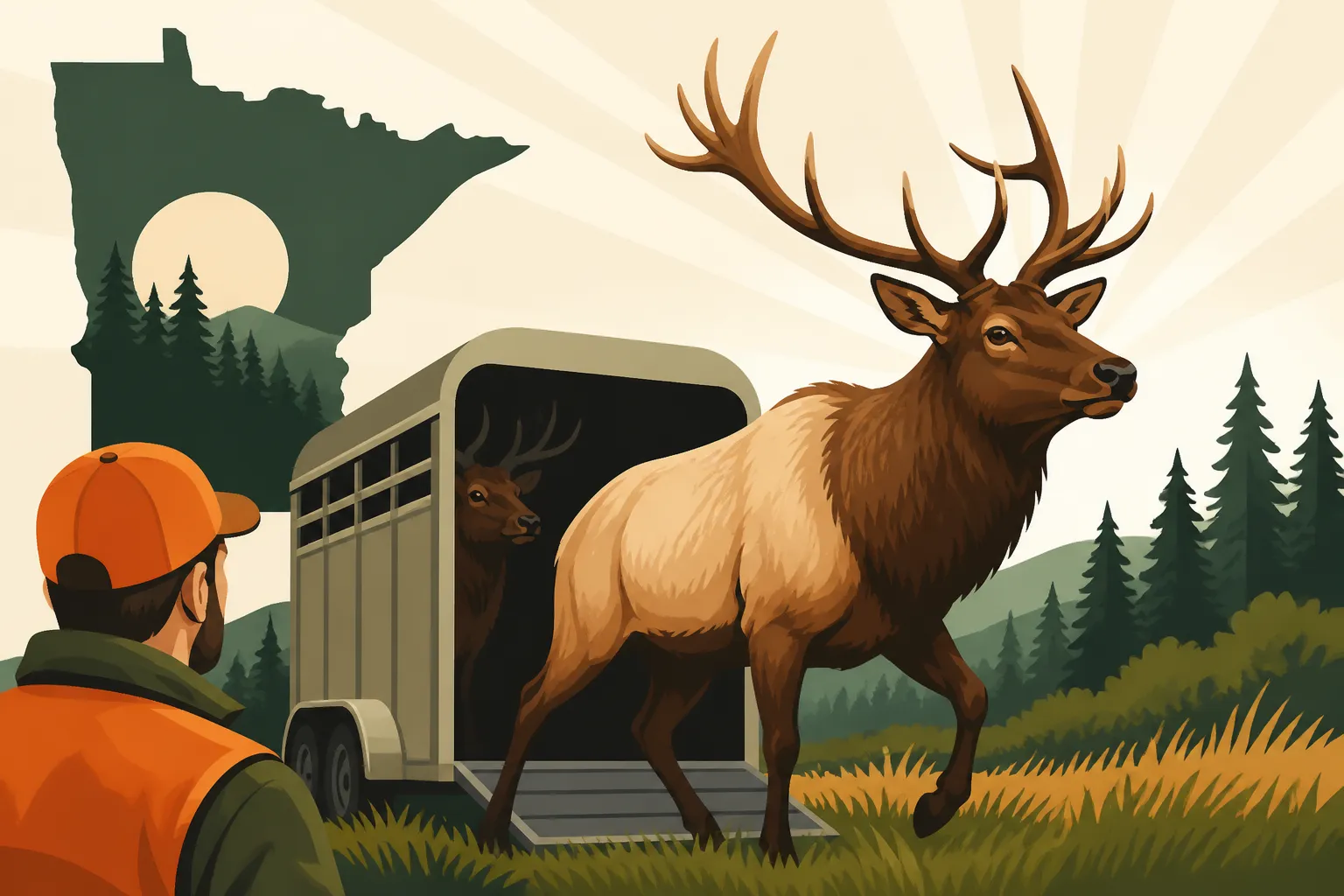
The actual reintroduction efforts that led to Minnesota's current elk herds primarily occurred in phases. The initial, most significant releases took place in Kittson County, with elk sourced from a healthy population in other western states, specifically from Elk Island National Park in Alberta, Canada. These animals were carefully captured, tested for diseases to prevent introducing new pathogens, and then transported thousands of miles to their new home in Minnesota.
The first group of elk arrived in the winter of the late 1980s, a critical time for animal transfers as it minimized stress and allowed them to acclimate to their surroundings before the breeding season. Further releases followed into the early 1990s, gradually building the foundation for what would become the Kittson County herd. Later, recognizing the potential for more elk and to reduce density in the primary area, a second, smaller herd was established in Marshall County, drawing from the expanding Kittson County population. These careful, phased releases, combined with extensive monitoring, were instrumental in ensuring the elk had the best possible chance of survival and reproduction. This commitment laid the groundwork for How Elk Returned to Northwest Minnesota.
Agencies and Conservation Partners
The success of Minnesota's elk reintroduction is a testament to the collaborative efforts of various agencies and conservation organizations. The Minnesota Department of Natural Resources (DNR) spearheaded the initiative, taking on the primary responsibility for planning, execution, and ongoing management. They worked closely with tribal nations, respecting their ancestral connections to the land and its wildlife.
Crucially, partnerships with federal agencies like the U.S. Fish and Wildlife Service, which manages some of the land where elk now roam, and groups like the Rocky Mountain Elk Foundation, provided vital funding, expertise, and political support. These organizations often helped with everything from purchasing and transporting elk to habitat improvement projects and public education campaigns. Community involvement was also key, with local landowners, farmers, and conservation groups playing a role in advocating for the elk and addressing potential conflicts. This multi-faceted approach, combining scientific rigor with grassroots enthusiasm, was truly what made the difference in bringing elk back to Minnesota. When you're looking for detailed information on these initiatives or scouting potential elk viewing areas, resources like GoHunt can provide useful insights into land management and public access within these regions.
The Elk Herds of Today: Status and Challenges
Today, Minnesota boasts two distinct, free-ranging elk herds, a remarkable conservation success story. However, their continued existence and growth are not without ongoing challenges that require careful management and public understanding. The populations, while stable and slowly growing, remain relatively small compared to their historical numbers and compared to other western states.
Where Minnesota's Elk Live
Minnesota's wild elk are predominantly found in the northwestern corner of the state, primarily in two distinct herd management zones. The largest and most established is the Kittson County Herd, which roams the brushlands, forests, and agricultural interface near the Canadian border. This area provides a rich mosaic of food and cover, allowing the elk to thrive. This herd, being the first major reintroduction, has seen the most growth and is the focus of much of the state's elk management efforts. The Kittson and Marshall County Elk Herds delve deeper into the specifics of these populations.
South of the Kittson herd, a smaller population, known as the Marshall County Herd, occupies a similar mix of habitat, often utilizing the vast expanses of state and federal lands interspersed with agricultural fields. While genetically linked to the Kittson herd, it functions as a distinct population. The terrain in these areas is often flat, characterized by aspen parklands, willow thickets, and cattail sloughs, providing excellent cover and forage. Understanding the specific geographic ranges of these herds is crucial for those interested in Elk Viewing in Northwest Minnesota or even just following their conservation story.
Population Dynamics and Management
The populations of both the Kittson and Marshall County elk herds are carefully monitored by the DNR. While specific numbers fluctuate annually, the general trend has been one of slow, steady growth since reintroduction. This growth is a testament to the suitability of their habitat and the effectiveness of management strategies. However, given their relatively small size, these herds are still vulnerable to various factors.
Management focuses on maintaining healthy populations within the carrying capacity of the land, while also mitigating conflicts with human activities, particularly agriculture. This involves regulating herd size through highly limited hunting seasons. For those interested in potentially hunting elk, the Minnesota Elk Lottery Rules explain the incredibly selective process. DNR biologists track calving rates, survival rates, and movement patterns using tools like radio collars, helping them make informed decisions about herd health and distribution. This data is essential for ensuring the long-term viability of these majestic animals in Minnesota.
Challenges and Conflicts
While the return of elk has been celebrated, it hasn't been without its difficulties. One of the primary concerns, especially for the Kittson County herd, is crop depredation. Elk are large animals with big appetites, and when they move into agricultural fields, they can cause significant damage to crops, leading to financial losses for farmers. The DNR works with landowners to implement various deterrents and compensation programs, but it remains a persistent challenge.
Another critical concern is disease, particularly the threat of Chronic Wasting Disease (CWD). While CWD has not been detected in Minnesota's elk herds, its presence in deer populations in other parts of the state means vigilance is paramount. Regular surveillance and testing of harvested elk are part of a broader strategy to protect both elk and deer from this devastating neurological disease. Lastly, habitat fragmentation and the ongoing presence of predators like wolves also play a role in shaping elk population dynamics, making the management of Wolves and Minnesota Elk Calves a relevant consideration. For those utilizing comprehensive outdoor resources like GoHunt, information on managing human-wildlife conflicts and disease monitoring can often be found, helping to understand the bigger picture of elk conservation.
The Future of Elk in Minnesota: Conservation and Opportunity
Looking ahead, the future of elk in Minnesota is a story of continued conservation effort, balancing growth with the realities of living alongside a large wild species. The success of reintroduction has opened doors for both limited hunting opportunities and unparalleled wildlife viewing experiences, reminding us that with careful planning, even long-lost species can reclaim their place.
Potential for Expansion and New Herds
While the current focus is on managing the existing Kittson and Marshall County herds, the question of potential expansion or the establishment of new herds occasionally arises. There are areas in northern Minnesota, particularly in the vast Superior and Chippewa National Forests, that possess substantial habitat that could theoretically support elk. However, establishing new herds comes with significant hurdles, including identifying suitable release sites that offer long-term viability, addressing potential disease risks, securing funding, and gaining broad public acceptance.
Any future expansion would require extensive biological surveys, community engagement, and careful consideration of how elk might interact with other wildlife, such as Minnesota's Black Bear Population or White-Tailed Deer Across Minnesota. The challenges of living with a large, free-ranging animal like an elk are complex, and simply having "enough woods" isn't the only factor. For now, the focus remains on ensuring the health and stability of the existing populations, but the possibility always sparks interesting discussion among conservationists and wildlife enthusiasts alike.
Elk Hunting and Viewing Opportunities
The return of elk has brought with it limited but highly coveted hunting opportunities in Minnesota. The state manages an extremely conservative elk hunt, primarily through a lottery system for a very small number of tags each year. This is done to manage herd growth, mitigate depredation issues, and provide a unique opportunity while ensuring the long-term health of the population. Drawing an elk tag in Minnesota is a once-in-a-lifetime opportunity for many hunters, underscoring Why the Minnesota Elk Tag Is Once in a Lifetime. Hunters considering applying often use resources like GoHunt to research draw odds and historical harvest data, even though the number of tags is so small.
Beyond hunting, elk viewing has become a significant draw for wildlife enthusiasts. The best opportunities are typically found in the areas where the herds reside, particularly in the Kittson and Marshall County regions. Driving through these areas, especially during the fall rut when bulls are bugling, can offer incredible chances to observe these magnificent animals in their natural habitat. State wildlife areas and certain public lands are often prime locations. Remember to give them space, use binoculars or spotting scopes, and enjoy the privilege of seeing a species that was once lost, now thriving once again in Minnesota.
| Herd Name | Primary Location | Key Habitat Type | Primary Management Challenge |
|---|---|---|---|
| Kittson County Herd | Northwestern MN | Aspen Parkland, Forests, Ag Fields | Crop Depredation, Disease Risk |
| Marshall County Herd | Northwestern MN | Forest, Brushland, Wetlands, Ag | Habitat Fragmentation, Depredation |
Disclaimer
This article is for general informational purposes only and does not constitute professional advice. Laws, prices and regulations vary by location and change over time. Consult a qualified professional for guidance on your specific situation.