How Many Elk Minnesota Has
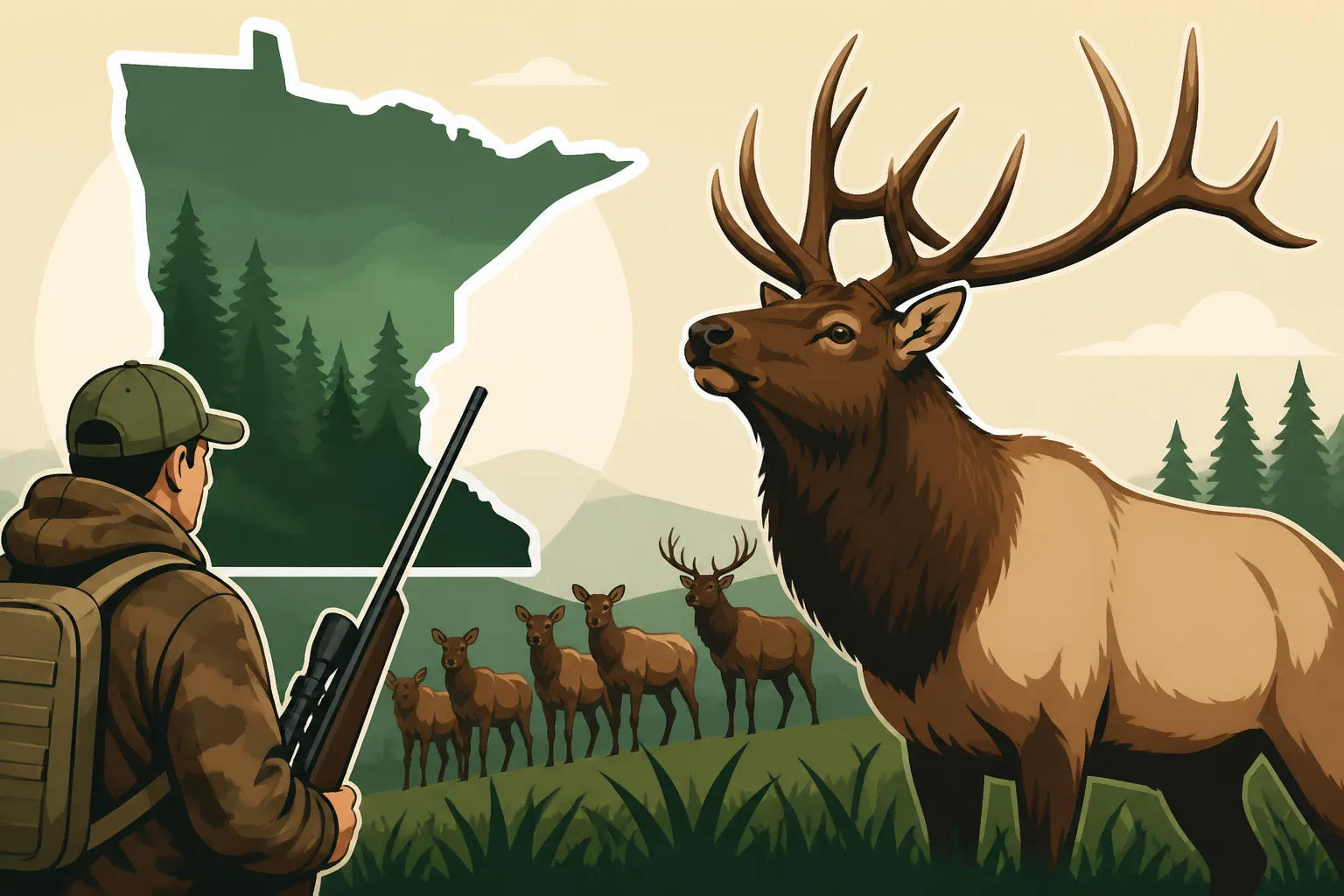
It’s easy to think of Minnesota as primarily a land of whitetails, black bears, and a diverse array of waterfowl, but many folks are often surprised to learn that majestic elk also roam parts of our state. The sheer idea of Minnesota having elk can feel like a whispered secret, making it challenging to understand just how many of these impressive animals call our northern reaches home. This guide will pull back the curtain on Minnesota’s wild elk, exploring their comeback story, current population estimates, and how we manage these incredible creatures today.
Minnesota's Elk Herds: A Unique Comeback Story
Long before settlers carved out homesteads and farms, elk were a common sight across much of Minnesota. Their thunderous bugles echoed through ancient forests and across vast prairies, a true symbol of the wild expanse that once defined this land. But, as we often see with large game, human expansion and unregulated hunting took their toll. By the late 1800s, Minnesota’s native elk population had been completely wiped out, a disheartening loss for our state's natural heritage. It’s a stark reminder of how quickly even robust populations can disappear without careful management and conservation efforts.
The Ghost of the Past: Elk in Historical Minnesota
Imagine the Minnesota landscape of two centuries ago. Vast tracts of unbroken forest in the north, stretching into the big woods of central Minnesota, gradually giving way to the expansive tallgrass prairies of the west and south. This diverse habitat was perfect for elk, providing everything from dense cover for calving to open grasslands for grazing. Historical accounts and archaeological finds confirm that elk were widespread, moving freely across the landscape. They weren't just a northern phenomenon; they were part of the fabric of ecosystems all over the state, occupying a niche that, once empty, left a significant void. Their disappearance wasn't just a loss of a species; it was a loss of an ecological force.
The Reintroduction Effort: Bringing Elk Back
The desire to bring elk back to Minnesota simmered for decades, a hope shared by conservationists and wildlife enthusiasts alike. The dream began to materialize with dedicated reintroduction efforts. The first significant step was taken by bringing elk from other states, carefully selected to ensure genetic diversity and adaptability to Minnesota's unique environment. This wasn't a simple process of just letting them go; it involved careful planning, habitat assessment, and community engagement to ensure the best chance of success. Understanding When Elk Were Reintroduced to Minnesota reveals the significant logistical challenges and long-term commitment involved.
These animals were released into specific areas identified as prime elk habitat, primarily in the northwestern part of the state. The success of these initial efforts was a testament to both the resilience of the elk and the dedication of the wildlife management teams. It wasn't an overnight triumph; it required years of monitoring, managing, and adapting strategies to help these herds establish a foothold. Today, the elk we see in Minnesota are direct descendants of those reintroduction programs, living proof that with concerted effort, we can bring back what was once lost.
Current Elk Population Estimates in Minnesota
So, how many elk are actually in Minnesota right now? It's the question on everyone's mind, and the answer is that it's a dynamic, ever-changing number. Unlike deer, which are widespread, Minnesota’s elk population is relatively small and concentrated in a few specific areas. This makes them a bit more elusive, adding to their mystique. Wildlife agencies diligently track these herds through various methods, including aerial surveys, ground observations, and even through the limited hunting opportunities that help provide valuable data. These estimates are crucial for making informed management decisions to ensure the herds remain healthy and viable for generations to come.
Breaking Down the Numbers: Kittson and Marshall Counties
When we talk about Minnesota’s elk, we're primarily talking about two distinct, though sometimes overlapping, herds in the far northwestern corner of the state: the Kittson County herd and the Marshall County herd. These herds are separated by the Red River of the North, but their range can extend and sometimes mingle.
The Kittson County herd tends to be the larger and more established of the two. These elk often range across agricultural fields and brushy timber, providing them with a mix of food and cover. Over the years, this herd has shown consistent growth, a sign of successful management and suitable habitat. You can learn more about The Kittson County Elk Herd Size for a more specific breakdown.
The Marshall County herd is generally smaller and can be a bit more challenging to track due to their preferred habitat, which often includes more dense cover and expansive marshlands. Both herds face unique challenges, from agricultural depredation concerns to potential disease transmission, which wildlife managers are constantly working to address. The health and stability of these two herds are paramount, as they represent the entirety of our state's wild elk population.
Here’s a simplified look at the general characteristics of Minnesota’s elk herds:
| Herd Location | Primary Counties | Habitat Type | General Size | Challenges |
|---|---|---|---|---|
| Northwest Herd 1 | Kittson County | Agricultural fields, brushy timber | Larger, more stable | Crop damage, road mortality |
| Northwest Herd 2 | Marshall County | Marshlands, dense cover, agricultural edges | Smaller, elusive | Habitat fragmentation, disease risks |
Note: Population numbers are estimates and can fluctuate annually. Check official sources for the most current data.
Challenges in Counting: Why Estimates Fluctuate
Counting wild animals, especially those that can cover vast distances like elk, is never an exact science. Many factors contribute to why our population estimates can vary from year to year. Weather conditions, for example, play a huge role. Heavy snow cover can make aerial surveys easier, as elk stand out against the white landscape, but mild winters might mean they are more dispersed and harder to spot. Conversely, a mild winter might mean higher calf survival, leading to an increase in numbers the following year, while a harsh winter could reduce the herd.
Another significant factor is the terrain itself. Northwestern Minnesota, with its mix of open fields, dense brush, and sprawling wetlands, offers plenty of places for elk to hide. Elk are also incredibly intelligent and can be quite elusive, adapting their movements to avoid human detection. Disease events, such as those that can affect deer, also pose a risk to elk, though thankfully, Minnesota's herds have remained largely robust. Predators like wolves can also impact calf survival, particularly in areas where wolf populations are stable. All these variables mean that wildlife agencies rely on a combination of methods to arrive at the most accurate estimates possible, and hunters who use tools like GoHunt for their mapping and scouting can assist by reporting sightings when they are in elk country, though this is secondary to official surveys.
Managing Minnesota's Elk Population
Managing a reintroduced species like elk is a delicate balance. On one hand, we want to see these magnificent animals thrive and expand their range. On the other, we have to consider the impacts on agricultural landowners, existing wildlife, and the sustainability of the herd itself. Minnesota's approach to elk management is rooted in careful population control and habitat enhancement, always aiming for a healthy balance. This often means working closely with local communities and landowners to mitigate potential conflicts and ensure a future for elk in our state.
Limited Opportunity: The Elk Lottery System
Because Minnesota’s elk population is relatively small and carefully managed, hunting opportunities are extremely limited. It’s not like deer hunting where licenses are widely available. Instead, Minnesota employs a highly restrictive lottery system, making an elk tag one of the most coveted and difficult to draw in the state. Minnesota Elk Lottery Rules are rigorous, designed to ensure that only a handful of tags are issued each year, carefully calibrated to the health and size of each specific herd.
This lottery ensures that the elk population isn't overharvested, allowing for slow, sustainable growth. The number of tags can vary year by year, depending on population assessments, calf recruitment, and management objectives. Drawing one of these tags is truly a once-in-a-lifetime opportunity for many hunters, underscoring Why the Minnesota Elk Tag Is Once in a Lifetime. It’s not just about harvesting an animal; it's about participating in a rare conservation success story and experiencing a hunt unlike any other in Minnesota. The application deadline for the lottery is something hunters pay close attention to, dreaming of the chance to pursue these magnificent animals.
Habitat and Health: Supporting Elk Growth
Beyond managing harvest, a significant portion of elk conservation focuses on habitat. Elk need vast areas to thrive, with a mix of grasslands for grazing, woodlands for cover and browsing, and access to water. In northwestern Minnesota, this means working with landowners and utilizing public lands to ensure these needs are met. Programs aimed at restoring native prairies, managing forest edges, and protecting wetland areas all contribute to creating a healthier environment for elk.
Wildlife managers also keep a close eye on herd health. Monitoring for diseases, assessing nutrition levels, and observing calf survival rates are all critical components of ensuring the long-term viability of Minnesota's elk. Collaborative efforts with local farmers and ranchers are also important, often involving techniques to deter elk from crop depredation and finding ways for these impressive animals to coexist with agricultural operations. It’s a holistic approach that recognizes the complex interplay between wildlife, habitat, and human communities.
Experiencing Minnesota's Elk
For most of us, encountering a wild elk in Minnesota is a rare and special event. It’s not something you can just stumble upon with the same regularity as a whitetail deer. However, for those willing to make the journey and put in the effort, there are definite opportunities to view these animals in their natural habitat. And for the exceptionally lucky few, the chance to hunt one is a dream come true. Whether you're a nature photographer, a seasoned hunter, or simply an admirer of wild creatures, experiencing Minnesota’s elk is truly unforgettable.
Best Spots for Elk Viewing
If your goal is to catch a glimpse of Minnesota's majestic elk, your best bet is to head to the northwestern part of the state, specifically into the areas of Kittson and Marshall counties. These are the heartlands of Minnesota's elk populations. Key locations to explore include the Caribou Wildlife Management Area and the Thief Lake Wildlife Management Area. These public lands offer a mix of habitat that elk frequent, providing opportunities for observation.
The best times for viewing are typically dawn and dusk, when elk are most active. They often move between feeding areas in open fields and the security of dense cover. Using binoculars or a spotting scope can greatly enhance your viewing experience, allowing you to observe them from a respectful distance without disturbing them. Patience is key, as these animals can be very elusive. Checking online resources or even local conservation offices for recent sighting reports can also increase your chances of success. You can also explore Kittson County Elk Range Public Land and Marshall County Elk Range Public Land for more specific access points.
Understanding the Hunt: A Coveted Tag
For hunters, drawing a Minnesota elk tag is often considered the pinnacle of big game hunting in the state. It's a testament to incredible luck and a gateway to an experience that very few Minnesotans ever get to have. The hunting season is carefully set, typically in the fall, to coincide with cooler weather and often the tail end of the rut, offering hunters an exciting and challenging pursuit. Understanding Minnesota Elk Hunt Zone Boundaries is essential for those who are lucky enough to draw a tag, as hunting is strictly confined to specific areas.
The hunt itself often involves extensive scouting, sometimes using advanced mapping tools, and a deep understanding of elk behavior. These are not easy animals to locate or harvest, even with a tag in hand. The challenging terrain, the elk's keen senses, and their ability to disappear into cover quickly make for a demanding but rewarding hunt. For those who are successful, it's not just about the meat or the antlers; it's about the profound connection to Minnesota's wild heritage and the privilege of participating in such a rare and unique hunting opportunity.
Disclaimer
This article is for general informational purposes only and does not constitute professional advice. Laws, prices and regulations vary by location and change over time. Consult a qualified professional for guidance on your specific situation.