Minnesota Boone and Crockett Whitetails
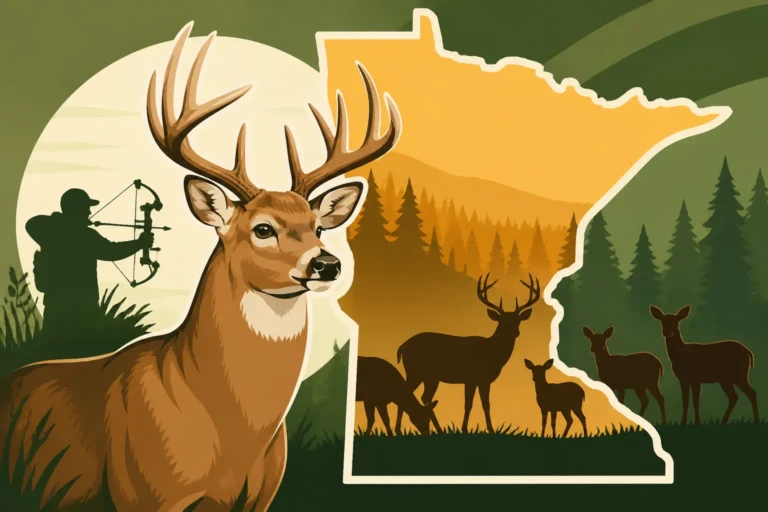
The dream of seeing those massive antlers appear through the timber or over a field edge is something that fuels many a hunter's passion here in Minnesota. We've all seen the pictures, heard the stories, and maybe even stood next to one of those legendary racks at a sport show, wondering if we could ever be so lucky. The truth is, chasing a Boone and Crockett whitetail in Minnesota isn't just about luck; it's about understanding the unique elements that allow these giants to grow, knowing where to look, and having the patience to wait for that once-in-a-lifetime opportunity. This guide will walk you through what makes a Minnesota whitetail truly exceptional and how you might just find one of your own.
Understanding the Boone and Crockett Club's Standards
For many, the mention of "Boone and Crockett" conjures images of truly gigantic antlers, a benchmark of hunting success that few ever achieve. But what exactly does it mean for a whitetail to make the B&C record book, and why has this organization become the gold standard for North American big game? It's more than just big antlers; it’s a detailed system that assesses the entire antler structure, rewarding both mass and symmetry.
What Makes a Whitetail "Boone and Crockett"?
At its heart, the Boone and Crockett Club uses a highly standardized and meticulous scoring system to measure the size and symmetry of antlers. This isn't just a casual measurement; certified scorers take dozens of measurements, from the length of each main beam and tine to the circumference at various points along the antler. Every single measurement counts, and even a small discrepancy can make a difference in the final score. The Club has different categories, including "Awards" entries and "All-Time" entries, with varying minimum scores depending on whether the animal was shot by a hunter or found (picked up). Generally, for a typical whitetail to make the all-time record book, it needs to score 170 points net, while a non-typical needs to score 195 net points. These aren't arbitrary numbers; they represent truly exceptional animals that have achieved peak antler growth.
The scoring system also penalizes for asymmetry in typical racks, meaning that perfectly matched sides are highly valued. This attention to detail is precisely why the Boone and Crockett Club has maintained its prestige for over a century. It's not just about a wide spread or long tines; it's about the overall balance and magnificent development of the antler structure. For a hunter, understanding these nuanced requirements can help you appreciate what makes a truly record-book animal and what you might be looking for when you're out in the field.
The Difference Between Typical and Non-Typical Racks
When we talk about Boone and Crockett scores, the distinction between "typical" and "non-typical" racks is absolutely critical. A typical rack is, simply put, one that is largely symmetrical, with points growing upward from the main beams in a standard configuration. Every measurement on one side of a typical rack is ideally mirrored by a corresponding measurement on the other side. Any points that don't conform to this symmetrical pattern are considered "abnormal" and are deducted from the gross score to arrive at a net typical score. For example, if a buck has an extra point growing off its G2 (the second tine from the base) that doesn't have a matching point on the opposite G2, that measurement becomes a deduction.
Non-typical racks, on the other hand, embrace those abnormal points. Instead of being penalized, these extra points, often called stickers or kickers, actually add to the score. The non-typical score starts with the same typical measurements, but then all abnormal point lengths are added to that gross typical score. There are no deductions for lack of symmetry on the main typical frame when scoring non-typical. This means a buck with a wildly unique and asymmetrical rack, full of character and extra points, can still achieve a very high non-typical score, even if its typical frame might be somewhat lopsided. This distinction is important for hunters, as a deer that might be a mediocre typical score due to deductions could be an absolute giant in the non-typical category.
Minnesota's Potential for World-Class Whitetails
Minnesota might not be the first state that comes to mind for Boone and Crockett whitetails for many hunters, especially compared to some Midwestern neighbors. However, the North Star State has a rich history of producing truly massive deer, and the potential continues to exist today. It's a testament to the diverse habitats, agricultural bounty, and sometimes, the sheer wildness of our landscapes that these deer can thrive and grow to such impressive sizes.
The Historical Record and Current Trends
Historically, Minnesota has a strong showing in the Boone and Crockett record books. While many of the truly gargantuan entries might be from decades past, often from areas that have since seen increased development or hunting pressure, the genetics for giant deer still run deep within our state. We've seen some incredible bucks emerge from various corners of Minnesota, proving that the potential is very much alive. The trend toward better habitat management, the increasing understanding of deer nutrition, and a general shift in some areas toward allowing bucks to age have all contributed to a continued, albeit challenging, opportunity to chase truly big deer. While you won't find a record buck behind every oak tree, the possibility is certainly real for those willing to put in the time and effort. Just look at the trophy photos shared each year; many of these bucks, while maybe not B&C, are certainly knocking on the door, showing the genetic potential is robust.
There's a fascinating dance between nature and human influence that dictates the size of our deer. Changes in farming practices, forest management, and even climate can affect the availability of high-quality food sources. However, the core ingredients for big antlers – good genes, plenty of food, and enough years to grow – remain consistent, and Minnesota provides these ingredients in many areas. For instance, you can dive deeper into why certain regions excel at growing mature deer by checking out articles like Why Southeast Minnesota Grows Big Bucks.
Key Factors Contributing to Trophy Buck Growth
Growing a Boone and Crockett whitetail isn't a simple equation, but rather a complex interplay of several critical factors. Hunters often focus on one aspect, but it's the combination of all these elements that truly allows a deer to reach its genetic potential and grow a rack that turns heads. Understanding these factors is paramount for any hunter seriously pursuing a trophy.
Nutrition: The Fuel for Antler Growth
You simply cannot grow a massive set of antlers without superior nutrition. Think of it like a bodybuilder; you can train all you want, but without the right diet, you won't build significant muscle. For deer, this means access to high-quality forage throughout the year, especially during the spring and summer when antlers are actively growing. Areas with diverse food sources – agricultural crops like corn, soybeans, and alfalfa, combined with natural browse, mast crops like acorns, and mineral-rich soils – are prime locations. In regions like the agricultural belt of southern Minnesota or the fertile bluff country of the southeast, deer have access to an abundance of protein and minerals that are essential for rapid and impressive antler development. A buck that consistently has enough to eat won't have to shortchange its antler growth to meet other bodily needs.
During harsh winters, deer can lose significant body condition, which directly impacts their ability to grow large antlers the following spring. Conversely, mild winters and abundant spring forage set the stage for explosive antler growth. So, if you're scouting, pay close attention to the diversity and richness of the food sources available, as they're a huge indicator of the deer's potential.
Age: Letting Them Walk to Let Them Grow
This might be the single most important factor for any hunter hoping to harvest a Boone and Crockett buck: the deer must be old enough. A whitetail buck typically doesn't reach its full antler potential until it's 4.5, 5.5, or even 6.5 years old. Younger bucks, while they might have impressive racks for their age, are still developing their skeletal structure and overall body mass. Every year, a buck diverts more energy into antler growth, assuming adequate nutrition. This means that in areas with high hunting pressure, where most bucks are harvested at 1.5 or 2.5 years old, the chances of seeing a truly mature, record-book animal are significantly diminished.
The challenge, of course, is letting those younger, yet still respectable, bucks walk. It requires discipline and often a change in hunting mindset. Many serious trophy hunters pass on multiple smaller bucks in hopes of encountering that truly mature animal. This strategy is critical in regions where the hunting ethic supports age structure, allowing bucks the time they need to reach that peak antler-growing phase.
Genetics: The Blueprint for Greatness
While nutrition and age are paramount, the underlying genetic potential of a deer herd cannot be overlooked. Some deer simply have the genes to grow larger, more impressive antlers than others, even if given the same food and age. This isn't about "super deer" but rather the natural variation within a population. Healthy, diverse deer herds with a strong genetic lineage for antler growth are more likely to produce those exceptional individuals. You'll find that certain geographic areas within Minnesota seem to consistently produce a higher percentage of larger-racked deer, which points to strong local genetics.
It’s important to remember that genetics work hand-in-hand with the other factors. A deer with excellent genetic potential for large antlers won't express that potential if it doesn't have the age or the nutrition to support it. But when all three align – superior genetics, abundant nutrition, and sufficient age – that's when you start to see the truly world-class racks emerge from the Minnesota landscape. Understanding this can help you identify areas with higher potential, which you can learn more about in articles like Best Minnesota Counties for Big Bucks.
Hunting Pressure: A Double-Edged Sword
Hunting pressure plays a paradoxical role. On one hand, consistent harvest of younger bucks can make it difficult for deer to reach older age classes. On the other, intelligent, strategic hunting can help manage herd numbers, reducing competition for food and potentially allowing the remaining deer to grow larger. However, for those seeking Boone and Crockett class deer, intense and widespread hunting pressure can drive mature bucks into nocturnal patterns, make them incredibly wary, and push them into the thickest, nastiest cover where they are nearly impossible to hunt.
Areas with lower hunting pressure, or those with significant pockets of unpressured habitat, often provide the sanctuaries that mature bucks need to thrive during daylight hours. This might mean venturing deeper into remote public lands or finding private land parcels where quality deer management practices are in place. Understanding how hunting pressure affects deer behavior is key to devising effective strategies for targeting mature animals. You can find more insights on this by looking at Hunting Pressure on Minnesota Public Land.
Finding Your Boone and Crockett Dream Buck in Minnesota
Alright, so you understand what goes into a Boone and Crockett deer, and you know Minnesota has the potential. Now comes the exciting, challenging, and often frustrating part: finding one. This isn't a task for the faint of heart; it requires dedication, meticulous scouting, and often a bit of luck. But with the right approach and a keen eye for habitat, you can significantly increase your odds.
Identifying High-Potential Areas
Finding a Boone and Crockett whitetail isn't about blindly walking into the woods; it's about smart, strategic area selection. You need to focus your efforts where the combined factors of nutrition, age, and genetics are most likely to align. This often means looking beyond the most obvious or popular hunting spots.
Diverse Habitats: The Key to Abundance
The best areas for trophy whitetails are often characterized by a rich mosaic of habitats. Think about regions where agricultural fields—providing high-protein food sources—meet dense cover like timber blocks, cattail sloughs, or thick brush. This provides deer with both ample sustenance and the security they need to grow old. In Minnesota, prime examples include the transition zones between agricultural land and big timber in the central and west-central parts of the state, or the incredibly diverse and often rugged terrain of the southeast bluff country. These areas provide everything a deer needs within a relatively small home range, reducing their need to expose themselves in open areas.
Using modern mapping tools like GoHunt or similar platforms can be incredibly helpful here. These apps allow you to pour over aerial photos, topographical maps, and public land boundaries right from your couch. You can identify potential bedding areas, travel corridors, and food sources, all before ever stepping foot in the woods. Look for those "pinch points" where deer are funneled, or isolated pockets of cover surrounded by food. Even small, overlooked pieces of public land can hold a giant if they offer these critical elements and are hard for other hunters to access.
Southeast Bluff Country
When talking about trophy potential in Minnesota, the southeastern bluff country often comes up. This region, with its steep hills, deep valleys, and rich soils, provides an incredible environment for whitetails. The combination of agricultural fields on the ridgetops and valley floors, mixed with mature hardwoods and thick cedar swamps on the hillsides, offers both abundant food and unmatched security cover. Deer can live out their lives here, growing older and larger, without encountering constant human pressure, even on public lands.
Hunting this terrain is physically demanding, but the reward can be immense. Bucks often use these steep draws and secluded benches as travel routes and bedding areas, making them incredibly difficult to predict. Patience and a willingness to hike are essential. For those interested, exploring Hunting Southeast Minnesota Bluff Country can provide even more detail on this unique region.
Farmland Fringe and Big Woods Edges
Another hotspot can be found along the edges where vast agricultural lands meet more substantial timber blocks. These "farmland fringe" areas offer deer a buffet of high-energy food sources – corn, beans, alfalfa – just a short distance from the safety of dense cover. Bucks will often bed in the timber during the day and venture out into the fields at night. The challenge here is catching them in daylight, often requiring hunters to position themselves strategically between bedding and feeding areas, or to understand how deer use GoHunt to identify bedding pockets deep within that contiguous block of woods.
Similarly, the interface between the expansive northern "Big Woods" and smaller agricultural clearings or dense clear-cuts can be productive. While northern Minnesota deer densities are generally lower, the bucks that survive to maturity in these vast, wild areas can be absolute monsters. They are often incredibly elusive, but their sheer size can be breathtaking. Learning to read the subtle signs in these big woods, like those detailed in Reading Aerial Photos for Big Woods Deer, is vital for success.
Strategies for Targeting Mature Bucks
Once you've identified a promising area, the real work of targeting a Boone and Crockett buck begins. This isn't about calling in every deer you see; it's about precision, patience, and a deep understanding of mature buck behavior.
Patience and Meticulous Scouting
A trophy buck hunter's greatest allies are patience and a commitment to year-round scouting. These deer are survivors; they've learned to avoid humans and are incredibly sensitive to pressure. This means your scouting must be low-impact. Focus on finding historical sign – old rubs, scrapes, and well-worn trails – that indicate mature bucks have used an area in the past. Look for natural funnels, saddles, and transition lines between different habitat types. Pay close attention to subtle terrain features that offer advantages to a cautious buck.
Trail cameras, used strategically and sparingly, can be invaluable for identifying specific deer and understanding their patterns. However, avoid over-checking cameras, as your scent and presence can quickly educate a mature buck. The goal is to gather as much information as possible without alerting the deer to your presence. Remember, the less a buck knows you're there, the more likely it is to make a mistake. Prior to the season, dedicating time to Scouting Minnesota Public Land Before Season can dramatically improve your odds.
Low-Impact Hunting and Sanctuary Management
When you finally decide to hunt an area with trophy potential, employ low-impact tactics. This means minimizing your scent, noise, and visual presence. Choose entry and exit routes that don't disturb potential bedding or feeding areas. Hunt the wind religiously, and be prepared to pass on a spot if the conditions aren't perfect. Mature bucks are masters of pattern recognition, and any deviation or sign of human intrusion will quickly make them disappear.
Consider creating a mental or literal "sanctuary" within your hunting area – a core bedding zone or thicket that you never enter. Mature bucks thrive in these unpressured areas, and by giving them a safe haven, you increase the chances they'll live long enough to reach trophy size and eventually venture out into areas you do hunt. This takes discipline, but it's a proven strategy for consistently seeing older deer.
Timing Your Hunt: The Rut and Beyond
While you might see a trophy buck at any time, your best chances often align with the whitetail rut. During this breeding season, bucks become more active, less cautious, and more willing to travel during daylight hours in search of does. Timing your hunt during the peak of the rut in early November can be incredibly productive. Bucks will be covering ground, checking scrape lines, and responding to calls in ways they wouldn't at other times of the year.
Beyond the rut, don't overlook the late season, particularly if significant snow cover pushes deer to specific food sources. In these conditions, a mature buck's need for calories can override some of its natural caution, presenting unique opportunities, especially in areas with abundant standing crops or preferred browse. For more on this critical period, consider reading Hunting the Minnesota Rut in Early November.
The Reality of Hunting Boone and Crockett in Minnesota
Let's be real: harvesting a Boone and Crockett whitetail in Minnesota is an incredibly rare feat. It's the pinnacle for many hunters, but it's not something that happens to everyone, or even most people, regardless of how skilled or dedicated they are. Understanding this reality helps manage expectations and allows you to truly appreciate the journey, not just the outcome.
Challenges and Perseverance
The biggest challenge isn't just finding a Boone and Crockett buck; it's harvesting one. These animals are survivors, having eluded hunters, predators, and harsh weather for many years. They are incredibly smart, often nocturnal, and live in the thickest, nastiest cover they can find. You'll put in countless hours of scouting, walking, sitting, and waiting, only to come up empty-handed more often than not. The weather will be brutal, the mosquitoes relentless, and the failures will outnumber the successes. It requires a level of perseverance that few other hunting pursuits demand.
You might have the perfect stand, the perfect wind, and the perfect timing, only for the buck to materialize and vanish like a ghost. This is the nature of hunting truly mature deer. It's a game of inches, a single misplaced step, a subtle shift in wind, or an unexpected rustle in the leaves can be the difference between a shot opportunity and another lesson learned. Embrace these challenges, because they are an integral part of what makes the pursuit so rewarding. It's the rare nature of the accomplishment that makes it so coveted.
Beyond the Score: The True Value of the Hunt
While the lure of a Boone and Crockett score is powerful, the true value of hunting often lies far beyond the tape measure. The pursuit itself teaches patience, woodsmanship, and a deeper understanding of the natural world. It connects you to the rhythms of the seasons, the subtle language of the forest, and the incredible resilience of Minnesota's wildlife. The memories forged during early morning sits, the quiet observations of nature, the friendships made in deer camp – these are the real trophies that endure long after any antler has been scored.
Whether you ultimately hang a B&C rack on your wall or not, the experience of chasing these elusive giants in Minnesota is a profound one. It pushes you, challenges you, and ultimately, makes you a more skilled and appreciative hunter. Every buck is a trophy in its own right, a testament to the wildness of our state and the dedication of the hunter. So, whether you're meticulously mapping out your next hunt with GoHunt or simply enjoying a quiet morning in the woods, remember that the true prize is the journey itself, and the unwavering connection you build with the great outdoors.
Boone and Crockett Whitetail Minimum Score Overview
| Category | Typical (Minimum Net Score) | Non-Typical (Minimum Net Score) | Key Characteristics |
|---|---|---|---|
| All-Time | 170 | 195 | Top tier, represents truly exceptional animals. |
| Awards | 160 | 185 | Recognition for animals meeting a high standard, but slightly below All-Time. |
| Symmetry | Critical (deductions for asymmetry) | Less critical (abnormal points add to score) | Typical racks value balance; non-typical racks celebrate unique, irregular growth. |
| Age of Buck | Typically 4.5 years old and older | Typically 4.5 years old and older | Mature bucks have reached peak antler growth potential. |
| Nutrition | High-quality, abundant year-round diet | High-quality, abundant year-round diet | Essential for any buck to express its full genetic potential. |
| Genetics | Strong genetic lineage for antler size | Strong genetic lineage for antler size | The underlying blueprint for antler development. |
| Habitat | Diverse cover and food sources | Diverse cover and food sources | Provides security and sustenance to allow bucks to live long and grow large. |
Disclaimer
This article is for general informational purposes only and does not constitute professional advice. Laws, prices and regulations vary by location and change over time. Consult a qualified professional for guidance on your specific situation.