Minnesota’s Black Bear Population
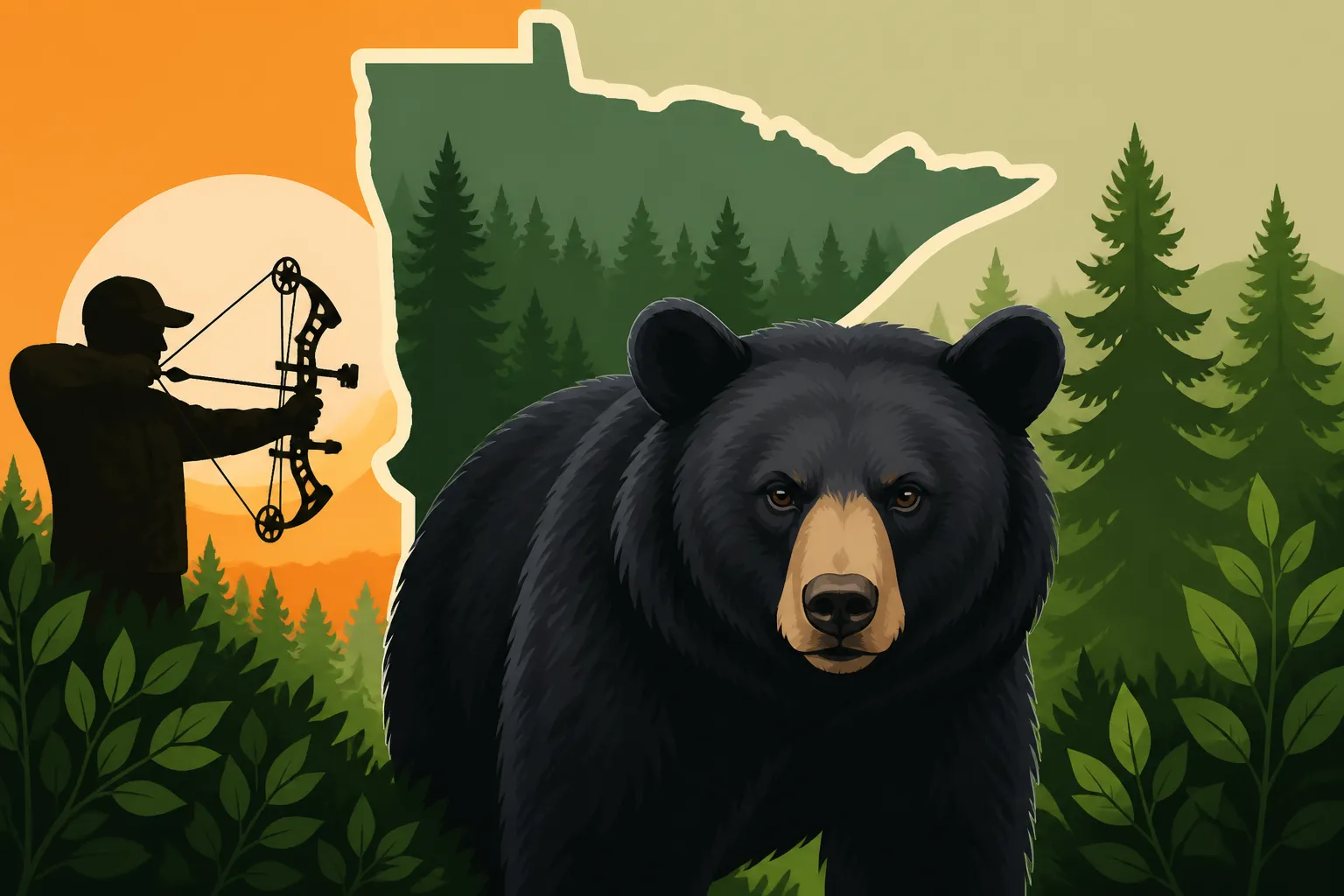
Minnesota's black bears are incredible creatures, a true symbol of our wild northern landscapes. Yet, for many, the thought of these powerful animals evokes a mix of awe and a healthy dose of concern, especially as their range sometimes overlaps more with human activity. Understanding their population, behaviors, and how we coexist is key for both hunters and those simply appreciating our wilderness. This comprehensive guide will peel back the layers on Minnesota's black bear population, offering insights into their lives, how they're managed, and what the future holds.
Understanding Minnesota's Black Bear Landscape
It’s easy to feel a connection to Minnesota’s black bears; they're magnificent, intelligent, and an integral part of our state's wild fabric. But what’s often overlooked is just how resilient these animals are, and how their story in Minnesota is one of remarkable recovery and adaptation.
Historical Presence and Recovery
Before European settlement transformed much of Minnesota’s landscape, black bears were widespread, roaming across vast swaths of the state, from the northern forests down into the river bottoms and even parts of the prairie-forest transition zone. They thrived in a diverse environment, finding ample food and cover. However, as settlement progressed, bringing with it logging, agriculture, and unregulated hunting, bear populations faced significant declines. Their habitat was fragmented, and they were often viewed as pests or threats, leading to widespread persecution. It was a tough period for these animals, and their numbers dwindled significantly, receding primarily to the most remote northern reaches of the state.
The tide began to turn in the mid-20th century, thanks to evolving conservation ethics, habitat protection efforts, and the implementation of regulated hunting seasons. Minnesota's Department of Natural Resources (DNR) recognized the need to manage bear populations scientifically, understanding that a healthy bear population was a sign of a healthy ecosystem. Through a combination of protected habitat, reduced pressure in some areas, and responsible hunting regulations, black bears began to reclaim their historical territories. This recovery wasn't a sudden event but a gradual, steady climb, demonstrating the incredible adaptability of these animals to a changing landscape. Today, we're fortunate to have a thriving, well-managed black bear population, a testament to decades of conservation work.
Current Population Estimates and Trends
So, how many black bears are actually roaming Minnesota's woods and, increasingly, our suburban edges? The Minnesota DNR keeps a close eye on this, using a variety of scientific methods to estimate population numbers and monitor trends. While it's impossible to get an exact count of every single bear, their models and field data provide a very reliable picture. The most recent estimates typically place Minnesota's black bear population somewhere between 12,000 and 15,000 individuals, a robust and healthy number that reflects the success of our management strategies.
These estimates aren't just pulled out of a hat; they're the result of rigorous scientific work. Biologists use a combination of techniques, including analyzing harvest data from hunting seasons, conducting den surveys to monitor reproduction and cub survival, and even hair snares or camera traps to collect genetic information. By tracking these metrics over time, they can build complex population models that account for births, deaths, and movements, giving us a clear understanding of the population's trajectory. What we generally see in Minnesota is a stable to slightly increasing bear population, particularly in the core forested range. This stability is a good indicator that habitat conditions are favorable and that current hunting pressure is sustainable. However, localized increases, especially in areas bordering human development, often spark discussions about localized management strategies and human-bear interactions.
Where Minnesota's Black Bears Live
When most people think of black bears in Minnesota, their minds immediately drift to the deep, dark forests up north. And they'd be right – that's definitely their primary domain. But the reality of bear distribution in our state is becoming a bit more nuanced.
Traditional Forested Strongholds
Without a doubt, the vast northern forests of Minnesota are the undisputed strongholds of our black bear population. Imagine sprawling landscapes of mixed hardwoods, dense stands of spruce and balsam fir, and intricate networks of swamps and bogs – this is prime bear habitat. These areas, including the Superior National Forest, the Chippewa National Forest, and dozens of state forests like the Paul Bunyan and Kabetogama State Forests, offer everything a bear needs: abundant natural food sources, thick cover for bedding and denning, and relatively low human disturbance. Counties like Beltrami, Itasca, St. Louis, Cass, and Koochiching consistently report the highest bear densities. If you’re truly looking to find where bears live in big numbers, these are the places you'd start.
Within these dense forest ecosystems, bears are masters of their environment. They utilize the mature timber for denning sites, often finding large hollow logs, root wads, or rocky crevices. The diverse understory provides a buffet of seasonal foods, from early spring greens and succulent grubs found by turning over rocks, to late summer blueberries, raspberries, and chokecherries, which are critical for putting on fat reserves before winter. The remote nature of much of this terrain, often crisscrossed by logging roads and ATV trails but still offering vast areas of roadless wilderness, allows bears to maintain their natural behaviors with minimal conflict. If you're wondering Where Minnesota Bears Range, it's these expansive and often wild places where they truly thrive. Hunters planning to pursue them often focus their efforts in these rich, northern woods, which are also often where baiting sites are established due to the thick cover and remoteness.
Southern Expansion and Challenges
While the north remains bear country central, there’s been a noticeable trend over recent decades: black bears are venturing further south, into areas that historically saw very few, if any, resident bears. It’s not uncommon anymore to hear reports of bears in counties far removed from the core forest zones, sometimes even reaching the outer fringes of the Twin Cities metro area. This expansion is driven by a few key factors. Primarily, a healthy and growing population in the north means that younger bears, especially males, are dispersing further afield in search of new territories and less competition. Couple that with excellent natural food years, and these adventurous bears have the energy and drive to explore new grounds.
However, this southern migration brings a new set of challenges, for both bears and humans. Agricultural areas offer tempting, calorie-rich food sources like cornfields, sunflower fields, and even fruit orchards, which are like an all-you-can-eat buffet for a hungry bear. Unfortunately, this often leads to crop damage, which can be costly for farmers. Furthermore, when bears move into areas with higher human density, conflicts arise. Backyard bird feeders, unsecured garbage cans, pet food left outdoors, and even grills become irresistible attractions. These situations, while often easily preventable, can escalate quickly if bears become habituated to human food sources, leading to property damage or, in rare cases, defensive encounters. This shift necessitates increased public awareness and proactive measures to prevent conflicts, making it crucial for residents in these expanding bear ranges to understand proper bear etiquette. It's truly a new reality for communities dealing with Bear Encounters Around Minnesota Cabins or even suburban homes.
Life Cycle and Behavior of Minnesota Bears
To truly appreciate Minnesota's black bears, it helps to understand their annual rhythm – the intricate dance they perform with the seasons, from their deep winter sleep to their busy summer foraging.
Denning Habits and Hibernation
As the crisp autumn air turns to biting cold and the first snow flurries begin, Minnesota's black bears start to think about one thing: finding the perfect spot for their long winter's nap. This isn't just a casual sleep; it's a profound physiological transformation known as hibernation, or more accurately, "winter lethargy" for bears, as they can be roused. They typically seek out dens from late October through November, with pregnant sows usually denning first. These dens can be surprisingly diverse: hollow logs, rock crevices, brush piles, or even a simple scrape beneath a fallen tree. Some bears, particularly in areas with large old-growth timber, will even den in the hollowed-out base of a massive tree, several feet off the ground, a fantastic natural fortress against predators and the elements.
Once settled, a bear's body undergoes incredible changes. Their heart rate drops from 40-50 beats per minute to as low as 8 beats per minute, their body temperature decreases slightly but remains relatively high, and their metabolism slows dramatically. They don't eat, drink, or defecate for months, surviving entirely on the fat reserves accumulated during the fall. This deep sleep is crucial for their survival, especially for pregnant females who will give birth to their tiny, helpless cubs in the den, typically in January or February. While curled up inside their cozy, snow-covered den, the cubs are born, blind and almost hairless, and will nurse and grow rapidly, preparing for the spring awakening. If you're curious about the specifics, there’s a lot to learn about Minnesota Bear Denning Behavior.
Bears will typically emerge from their dens in late March or April, depending on weather conditions and food availability. Males usually emerge first, followed by sows without cubs, and finally, mothers with their new litters. The first few weeks out of the den are a crucial period; bears are often sluggish, but their hunger quickly sets in. They'll seek out the first available green vegetation, any remaining carrion, or even dig for grubs, desperately trying to replenish their depleted energy stores. The success of their fall foraging directly impacts their ability to survive the winter and, for sows, to successfully rear their cubs, making a good berry and mast crop vital for the health of the entire population.
Foraging and Dietary Preferences
Black bears are the ultimate omnivores, and their diet in Minnesota is incredibly diverse, shifting with the seasons like a well-choreographed culinary tour. In early spring, just emerging from their dens, they're often desperate for any calories. They'll scavenge for carrion from winter kills, graze on fresh green grasses and tender shoots, and overturn rocks and logs in search of insects, grubs, and ant pupae – small but crucial protein boosts. As spring transitions to summer, the landscape becomes a giant salad bar and fruit stand. Blueberries, raspberries, sarsaparilla berries, and chokecherries become primary targets, especially in the northern forests. A bear can spend hours, even days, gorging on a productive berry patch, building up those essential fat reserves.
Late summer and fall are the critical bulking-up seasons. This is when Minnesota's mast crops become incredibly important. Acorns from oak trees, hazelnuts, and even wild plums provide high-calorie, nutritious fuel. Bears will work tirelessly, sometimes for weeks, to consume as much as possible, as the quality of these fall foods directly dictates their winter survival and reproductive success. A poor mast year, for example, can lead to lower cub survival rates or more widespread bear activity in agricultural areas as they seek alternative food sources like cornfields. This relentless pursuit of calories means bears are constantly on the move, covering vast distances in search of the richest patches, which is a major factor in their overall health and distribution.
Beyond natural foods, bears are opportunistic feeders. They're drawn to human-associated food sources, from garbage cans and compost piles to bird feeders and pet food. While convenient for the bear, these interactions often lead to conflicts, as they can habituate bears to human presence, sometimes with unfortunate consequences for the animal. Understanding their natural foraging patterns helps us appreciate the complexity of their diet and the importance of healthy forest ecosystems to support their needs.
Reproduction and Cub Rearing
The black bear's reproductive cycle is a marvel of nature, perfectly timed to ensure cub survival during the harsh Minnesota winters. Mating typically occurs in late spring to early summer, usually in June and July. During this time, male bears will roam extensively, seeking out receptive females. Sows, on the other hand, will often have a smaller territory, but if they are in estrus, they will attract males to their area. Bear courtship is generally short, and the pair will go their separate ways soon after mating. What's truly fascinating is that fertilized eggs undergo a process called "delayed implantation." This means the embryo doesn't immediately implant in the uterine wall. Instead, it free-floats for several months, only implanting and beginning development in late fall, usually around November, coinciding with the sow entering her den. This ensures that the cubs are born at the most advantageous time.
Typically, in January or February, while the mother is deep in hibernation, two or three tiny cubs are born, though litter sizes can range from one to four. These newborns are incredibly vulnerable, weighing less than a pound, blind, toothless, and covered in only a fine layer of fuzz. They are entirely dependent on their mother's milk and the warmth of the den. The sow will often only partially rouse to attend to her cubs, but she doesn't eat, relying solely on her fat reserves to produce milk. By the time they emerge from the den in late March or April, the cubs have grown considerably, often weighing 5-10 pounds. They are now playful and curious, ready to explore the world under their mother’s watchful eye.
These cubs will remain with their mother for about 1.5 years, sometimes even through a second winter. During this time, she teaches them everything they need to know to survive: where to find food, how to recognize danger, and how to find a suitable den site. This extended family unit is critical for the cubs' survival and development. They learn by observation and imitation, mastering the skills necessary to become independent adult bears. Once they are yearlings (about 18 months old), typically in late spring or early summer, the sow will chase them off to begin their own independent lives, freeing her to mate again. This cycle is vital for sustaining the overall Minnesota bear population.
Interactions with Humans and Conflict Management
As bear populations thrive and their range expands, so too does the potential for interactions with humans. Most bears are naturally shy and try to avoid people, but when food is involved, that natural aversion can quickly be overcome. Managing these interactions is crucial for both human safety and bear welfare.
Minimizing Bear Encounters
Whether you're backpacking deep in the Superior National Forest, camping at a state park, or simply living in a rural area that borders bear habitat, proactive measures are key to minimizing unwanted bear encounters. The vast majority of conflicts arise when bears are attracted to human food sources or garbage. For campers and hikers, this means strictly adhering to "bear-safe" principles: never leave food unattended, store all food and scented items (like toiletries) in bear-resistant containers, hung from a tree, or locked in a vehicle. Pack out all garbage, even seemingly innocuous items like apple cores. When cooking, do so away from your tent and clean up thoroughly. A simple rule of thumb: if it smells like food, a bear will investigate.
For homeowners in bear country, the principles are similar but apply to your backyard. Bring in bird feeders at night (or better yet, from April through November). Store garbage in sturdy, bear-resistant cans or inside a garage or shed until collection day. Clean BBQ grills thoroughly after use. Don't leave pet food outside, especially overnight. If you have fruit trees, pick ripe fruit promptly and clean up fallen fruit. Sometimes, even the scent of a compost pile can attract a curious bear. Should you encounter a bear, the key is to remain calm. Make yourself look as large as possible, make noise, and slowly back away. Never run, as this can trigger a chase instinct. Most bears are simply looking for food and will leave if they perceive a threat or if the food source isn't easily accessible. The goal is to teach bears that human areas are not rewarding for food, ensuring they remain wild and wary.
Agricultural Damage and Mitigation
The expansion of Minnesota's black bear population into agricultural areas, particularly in central and western parts of the state, has led to a rise in conflicts with farmers. Bears are highly intelligent and opportunistic, and a field of ripe corn or a beehive full of honey represents an incredibly efficient way to gain calories. The most common types of damage include torn-up cornfields, especially during the milky stage, devastated bee yards where bears will tear apart hives for honey and larvae, and damage to oat and sunflower fields. While this might seem minor, it can result in significant financial losses for farmers, impacting their livelihoods.
Addressing this requires a multi-faceted approach. The Minnesota DNR often works directly with landowners to implement mitigation strategies. Electric fences are one of the most effective deterrents around cornfields, beehives, and livestock enclosures. Properly installed and maintained, an electric fence delivers a memorable, non-lethal shock that teaches bears to associate the area with an unpleasant experience. Other methods include scare devices, bright lights, and sometimes, hazing techniques to discourage bears from frequenting certain areas. In some cases, farmers may be issued permits for nuisance bears that are causing persistent damage, allowing them to remove the animal. It's a delicate balance between managing a healthy wildlife population and protecting agricultural interests, requiring careful consideration and collaboration between landowners and wildlife officials to find effective, long-term solutions.
Minnesota Bear Hunting and Management
Bear hunting in Minnesota is more than just a recreational pursuit; it's a vital component of the state's comprehensive wildlife management strategy. The DNR uses regulated hunting to manage population levels, mitigate conflicts, and ensure a healthy, sustainable bear population for future generations.
Bear Lottery and Permit Areas
Unlike some other game species, hunting black bears in Minnesota is primarily managed through a limited lottery system. This means that hunters apply for a limited number of permits in specific geographic regions known as Bear Permit Areas (BPAs). This system allows the DNR to precisely control harvest levels based on population estimates and management goals for each area. Applying for the Minnesota bear lottery is an annual tradition for many, and competition for tags can be intense in popular or high-success zones. The application deadline is typically in early May, and successful applicants are notified in June, giving them time to prepare for the season. For more detailed information on how to navigate this process, you can explore resources like Minnesota Bear Lottery and Permit Areas.
Hunters can gain "preference points" if they are unsuccessful in the lottery, increasing their odds in subsequent years. This system ensures that over time, dedicated hunters will eventually draw a tag. Each BPA has a set quota, determined by DNR biologists based on factors like estimated bear density, habitat quality, past harvest rates, and reported conflicts. Some areas are managed for higher bear numbers, while others, particularly those bordering agricultural lands or human development, might have higher quotas to address localized population growth or nuisance issues. Serious hunters often use platforms like GoHunt, which compiles historical draw odds, harvest data, and population trends, to strategically apply for BPAs that align with their hunting goals and increase their chances of success. Understanding these specific areas and their management objectives is key to both drawing a tag and having a successful hunt.
Here's a quick look at some diverse Bear Permit Area examples, highlighting the variability in quotas and success rates you might encounter:
| Permit Area Name | Typical Quota (Licenses) | Average Success Rate (Past 5 Years) | Primary Habitat Type | Noteworthy Features |
|---|---|---|---|---|
| Area 13 (Itasca Co.) | 150 – 200 | 30% – 40% | Mixed Forest, Wetlands | Popular, good access, solid bear numbers. |
| Area 25 (Cook Co.) | 75 – 120 | 20% – 30% | Conifer Forest, BWCA Edge | Lower success, more wilderness, challenging terrain. |
| Area 41 (Beltrami Co.) | 200 – 280 | 40% – 55% | Mixed Forest, Farmland Fringe | High success, agricultural interface, good food. |
| Area 51 (Carlton Co.) | 100 – 150 | 35% – 45% | Mixed Forest, Industrial Timber | Accessible, consistent harvest. |
Note: Quotas and success rates fluctuate annually based on DNR management goals and bear population dynamics. Always check the current Minnesota DNR regulations for the most up-to-date information.
Harvest Trends and Population Health
The annual bear harvest in Minnesota provides invaluable data for wildlife biologists. Each harvested bear, once registered, contributes to a larger dataset that informs current population estimates and helps predict future trends. Tracking Minnesota Bear Harvest Trends over many years reveals a fascinating story of population dynamics, habitat changes, and the effectiveness of management strategies. Generally, Minnesota's bear harvest has remained relatively stable, with fluctuations often correlating with natural food availability. In years with abundant berries and mast, bears are well-fed and might be less active around bait sites, leading to a slightly lower harvest. Conversely, lean food years can push bears to cover more ground and seek out artificial food sources, potentially increasing harvest numbers.
The DNR carefully analyzes harvest data, looking at the number of bears taken, their age and sex ratios, and even their physical condition. For example, a high proportion of older, larger bears in the harvest can indicate a healthy, mature population, while a sudden shift towards many young bears might suggest increasing population density or a higher turnover rate. This information is crucial for ensuring that hunting remains sustainable. The goal is not to eradicate bears but to maintain a healthy, balanced population that can thrive within its habitat, while also managing potential conflicts with humans. Hunters play a direct role in this conservation effort by participating in the regulated harvest and providing critical data to the DNR.
Hunting Methods and Regulations
Minnesota allows two primary, and highly effective, methods for hunting black bears: baiting and hunting with the aid of hounds. Both methods are heavily regulated to ensure ethical hunting practices and fair chase. Baiting is a popular technique, especially for those who enjoy the strategy of scouting, establishing, and maintaining a bait site. Hunters will set up a legal bait station, often using sweet or fatty foods like pastries, dog food, or grease, in permitted areas and check it regularly for bear activity. Once a bear becomes a regular visitor, the hunter will set up a stand nearby and wait for an opportunity. There are strict rules about baiting, including registration of bait sites, distance from roads and dwellings, and the types of bait that can be used. For an in-depth look at this method, check out Baiting Bears in Minnesota's Forest Zone.
Hunting with hounds, while a more active and physically demanding method, also has a long tradition in Minnesota. Hunters use trained bear hounds to track and tree or bay a bear, allowing the hunter to approach and take an ethical shot. This method often involves covering significant ground, sometimes in very rugged terrain. Just like baiting, hound hunting is subject to specific regulations concerning the number of dogs, licensing requirements, and ensuring the safety of both the dogs and the bear. If this method intrigues you, you might want to learn more about Running Hounds for Minnesota Bears. While these are the predominant methods, it's worth noting that legally, a hunter can also still-hunt or stalk a bear without bait or hounds, though this is significantly more challenging and less common due to the bear's excellent senses and the dense habitat. For those who choose this more traditional, albeit difficult, path, understanding general bear behavior and tracking skills are paramount, as detailed in articles like Hunting Bear Without Bait or Dogs. No matter the method, safety and ethical considerations are always at the forefront for Minnesota bear hunters.
Conservation and Future Outlook
Minnesota's black bears represent a conservation success story, but managing their future involves ongoing commitment to habitat, research, and balancing human-wildlife coexistence.
Habitat Protection and Connectivity
The very foundation of a healthy black bear population is healthy habitat. In Minnesota, this means preserving and managing our vast forested lands, particularly in the northern half of the state. Initiatives focused on maintaining large, contiguous blocks of forest are critical, as bears require significant space for foraging, denning, and dispersal. Forest management practices that promote a diversity of tree species and age classes, including stands of mast-producing hardwoods (like oaks for acorns) and dense conifer stands for cover, directly benefit bears by ensuring a consistent food supply and secure hiding places. This kind of habitat work extends to public lands such as the national forests, state forests, and Wildlife Management Areas (WMAs).
Beyond just preserving existing habitat, ensuring "connectivity" is increasingly important. This refers to maintaining corridors that allow bears (and other wildlife) to move safely between different areas of habitat, preventing genetic isolation and allowing populations to adapt to changes. These corridors can be natural features like river bottoms or protected land strips. As development encroaches, fragmentation of habitat becomes a real threat, limiting movement and concentrating bears in smaller areas, which can exacerbate human-bear conflicts. Conservation groups and land management agencies work together to identify and protect these critical corridors, ensuring that bears can continue to roam freely across their natural range. Even in areas like the Hunting the Boundary Waters Canoe Area, where human presence is minimal, careful management helps preserve the pristine habitat that these bears rely upon.
Research and Monitoring Efforts
Our understanding of Minnesota's black bear population is constantly evolving, thanks to dedicated research and monitoring efforts by the Minnesota DNR and academic institutions. These scientists are not just counting bears; they are delving deep into their lives to understand intricate details that are crucial for sound management. Ongoing studies include den surveys, where biologists locate dens and examine cubs to assess reproductive rates and cub survival, which are key indicators of population health. Radio-collaring projects track bear movements, denning patterns, and survival rates, providing invaluable data on how bears utilize their habitat and interact with their environment. Other research might focus on diet analysis, disease monitoring, or the impacts of varying food availability on bear condition.
This wealth of data directly informs management decisions, from setting annual hunting quotas to identifying areas where human-bear conflicts are likely to increase. By understanding the factors that influence bear populations, such as winter severity, berry crops, or disease prevalence, the DNR can proactively adjust management strategies to ensure the long-term health and stability of the population. For hunters and outdoor enthusiasts who want to stay informed or even contribute to these efforts, resources are available. Tools and platforms, such as those that GoHunt provides, allow users to delve into detailed harvest reports, population statistics, and even connect with other hunters who are tracking trends in specific areas. This kind of robust, ongoing scientific inquiry is the bedrock of responsible wildlife management in Minnesota, safeguarding our black bears for generations to come.
Disclaimer
Please note that hunting regulations and wildlife management practices are subject to change. Always consult the official Minnesota Department of Natural Resources (DNR) website or their current hunting regulations handbook for the most accurate and up-to-date information before planning any hunting trip or engaging in activities in bear country. This guide is for informational purposes only.