Minnesota Duck Daily Bag Limit
Figuring out Minnesota's duck daily bag limits can feel like trying to solve a complex puzzle while simultaneously attempting to call in a flock of wary mallards. It’s not just about the total number of ducks you can shoot; it's intricately broken down by species, and those rules can even change mid-season for some birds. This guide aims to untangle those complexities, offering a clear, comprehensive breakdown so you can confidently focus on the hunt, knowing you're staying within the lines.
Understanding the Complexities of Duck Bag Limits
It's easy to assume that a "daily bag limit" means a flat number you can take, period. But for duck hunters in Minnesota, that's rarely the case. The regulations are a blend of federal frameworks and state-specific adjustments, designed to manage waterfowl populations sustainably. This often results in a tiered system where a general total limit coexists with more restrictive, species-specific caps. Missing these nuances can lead to unintentional violations, which is the last thing any responsible hunter wants.
The challenge really sets in when you're out in the field, making split-second decisions as birds wheel overhead. You might have your eye on a flock, but if you don't instantly recognize the species and gender, you could quickly find yourself over the limit for a particular bird, even if your total count is low. This complexity means that successful duck hunting isn't just about calling and shooting; it's also about sharp identification skills and a solid understanding of the rules that govern each specific bird you encounter. It’s a lot to keep track of, especially when the action heats up.
Detailed Breakdown of Minnesota's Daily Duck Bag Limits by Species
Let's get down to the brass tacks: what ducks can you actually put in your strap each day? Minnesota's waterfowl regulations are very specific, setting an overall general limit while also applying individual restrictions to various duck species. This is where most hunters find themselves scratching their heads, as it requires knowing your birds inside and out before you even pull the trigger.
The general statewide daily bag limit for ducks (excluding mergansers and coots) is typically six birds. However, that "six" is almost always constrained by sub-limits for particular species, and these sub-limits are the critical details you absolutely cannot afford to miss. For instance, while you can take six ducks total, you can't fill that entire six-duck limit with just mallard hens, pintails, or canvasbacks. Each of these species, and many others, has its own unique cap, and some even have gender-specific restrictions.
Below is a detailed table outlining the typical daily duck bag limits for various species in Minnesota. Remember, these can change annually based on federal frameworks and state-specific biological assessments, so always consult the most current Minnesota DNR regulations before heading afield. Tools like the GoHunt app or the Minnesota DNR website are invaluable for this.
| Species | Daily Bag Limit (Typical) | Specific Notes / Restrictions |
|---|---|---|
| Total Ducks | 6 | Excludes mergansers and coots. Must adhere to species limits below. |
| Mallards | 4 | No more than 2 may be hen mallards. |
| Wood Ducks | 3 | |
| Redheads | 2 | |
| Canvasbacks | 2 | |
| Pintails | 1 | |
| Black Ducks | 1 | |
| Mottled Ducks | 1 | |
| Scaup (Bluebills) | Varies | Often 2 for the first 15 days, then 1 for the remainder of the season. Always check exact dates! |
| Mergansers | 5 | No more than 2 may be hooded mergansers. |
| Coots | 15 |
This table highlights just how critical species identification is. Imagine you've had a great morning, and you've shot three mallards – one drake, two hens – and two wood ducks. You're at five birds, technically within your overall six-duck limit. However, you've already hit your two-hen mallard limit. If another hen mallard flies in and you take it, you've just broken the law, even though you'd still be under your total duck limit of six. It’s a trap many hunters unknowingly fall into. This scenario underscores why constant vigilance and accurate bird identification are paramount in the duck blind.
Common Violations and How to Avoid Them
It’s disheartening to hear about hunters facing fines or losing privileges over an honest mistake, especially when the regulations are so convoluted. The reality is, many violations aren't malicious but rather stem from a misunderstanding of these intricate bag limits. One of the most common pitfalls, as we touched on, is exceeding a species-specific limit while still being under the total overall duck count. This happens often with mallard hens, where hunters might keep shooting mallards without realizing they've already hit their two-hen maximum.
Another frequent issue arises with species like scaup (bluebills), whose limits often change mid-season. For example, you might be allowed two scaup for the first couple of weeks, but then the limit drops to one for the rest of the season. If you're not paying close attention to these date-specific changes, it’s easy to inadvertently take an extra bird. I’ve seen seasoned hunters get tripped up by this, simply because they forgot to double-check the calendar or assumed the limit was constant. It's a reminder that even if you're out chasing Diver Hunting on Mille Lacs Open Water, you need to be constantly aware of the specific rules.
To avoid these headaches and ensure a clean hunt, meticulous preparation and in-field discipline are key. First and foremost, always, always review the current year's waterfowl regulations before the season starts, and even periodically throughout the season. The Minnesota DNR website is your best friend here, providing up-to-date information on Minnesota Waterfowl Zones and Seasons and specific bag limits. Consider printing a summary card to keep in your blind bag, or at least have a digital copy readily accessible on your phone, even if cell service is spotty in your favorite marsh.
Secondly, hone your bird identification skills. There are countless resources available, from field guides to online videos, that can help you distinguish between species, and even genders, at a glance. Practice identifying birds on the wing. If you’re ever in doubt about a bird’s identity, it’s always best to hold off. A moment of hesitation is far better than a potential violation. Many experienced hunters will tell you that patience and discretion are just as important as a good shotgun when duck hunting. Being prepared with tools like a reliable mapping app, such as GoHunt, can also help you stay organized, allowing you to easily look up regulations or re-familiarize yourself with permit area rules even when you're deep in a cattail slough.
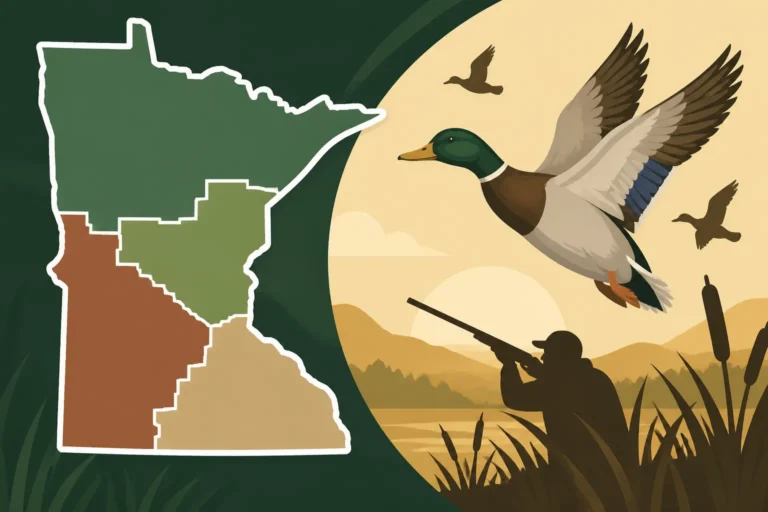
Lastly, communicate with your hunting partners. Before the hunt, discuss the day’s limits, especially for restricted species. If you're sharing a blind, keep a running tally of what everyone has taken. A collective awareness helps prevent anyone from inadvertently breaking the rules. Staying informed about Minnesota Duck Zone Boundaries is also important, as slight variations could occur.
Beyond the Daily Limit: Possession and Season Considerations
While the daily bag limit is what most hunters focus on, it's crucial to understand that Minnesota's regulations extend beyond what you can harvest in a single day. There's also a "possession limit" to consider, which dictates the maximum number of birds you can have in your physical possession at any given time, including those at home, in your vehicle, or at your cabin. For ducks, this possession limit is typically three times the daily bag limit. This means if the daily limit is six ducks, your possession limit would be 18. This rule is particularly important for hunters who make multi-day trips or who process their birds slowly. You can’t just keep adding ducks to the freezer every day without regard for this cap.
Beyond possession limits, understanding the broader season structure is vital. Different species of waterfowl have different migration patterns and population dynamics, leading to varied season lengths and even specific "early seasons" for certain birds. For example, Minnesota has an Minnesota Early Teal Season Dates, where only teal can be harvested for a limited period before the main duck season opens. Likewise, the specific opening dates for the regular duck season can vary by zone, so knowing your Minnesota Duck Opener Date for your specific hunting area is paramount.
Additionally, don't forget the federal requirements. Every waterfowl hunter 16 years or older needs a federal duck stamp, in addition to state licenses and stamps. You also need to be HIP (Harvest Information Program) certified, which helps wildlife agencies gather crucial data on migratory bird harvests. Ignoring these seemingly minor details can lead to just as much trouble as exceeding a bag limit. Making sure you've covered all your bases, from understanding the subtle shifts in species limits to knowing when the season officially opens for Minnesota Waterfowl Hunting on Lakes and Potholes, ensures a fully compliant and enjoyable hunting experience.
Disclaimer
Please remember that hunting regulations, including bag limits, can change annually and sometimes even mid-season. While this guide provides general information, it is not a substitute for the official Minnesota Department of Natural Resources (DNR) hunting regulations. Always consult the most current Minnesota DNR waterfowl regulations or their official website before participating in any hunting activity to ensure you are fully compliant with all state and federal laws.