Minnesota Youth Waterfowl Weekend Dates
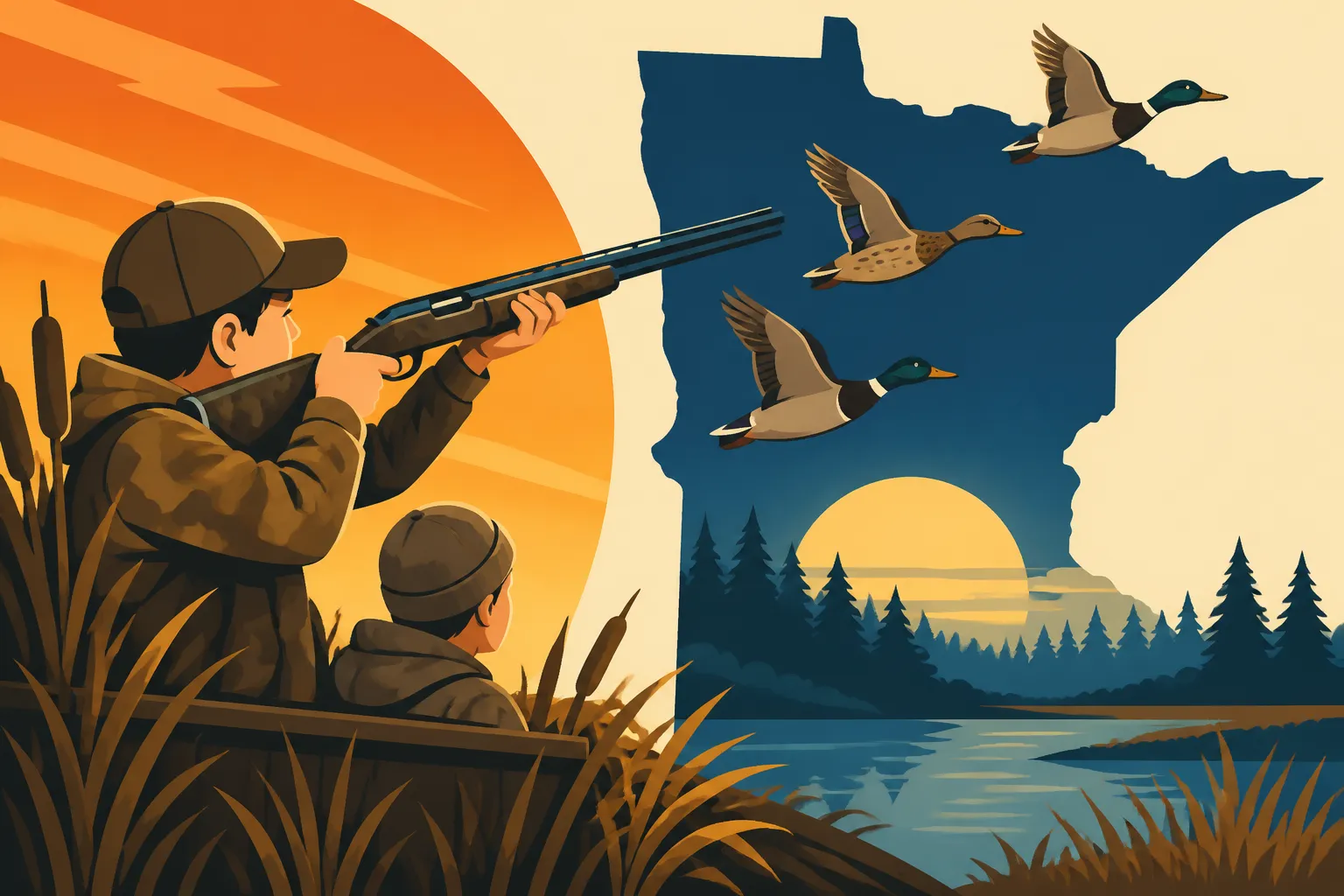
It can be incredibly confusing trying to keep track of all the different hunting season dates in Minnesota, especially when you're trying to plan a special trip for the young hunter in your life. The Minnesota Youth Waterfowl Weekend is a fantastic opportunity to introduce kids to the joys of duck and goose hunting without the intense pressure of the regular opener, and this guide will break down everything you need to know about the dates, rules, and how to make it a memorable experience for your apprentice waterfowler.
Understanding the Minnesota Youth Waterfowl Weekend Dates
The Minnesota Department of Natural Resources (DNR) sets specific dates for the Youth Waterfowl Weekend each year, carefully positioning it to precede the regular duck opener in each of the state's three waterfowl zones. This thoughtful scheduling ensures that young hunters get a prime opportunity to experience waterfowl hunting when bird numbers are often high and before public lands and waters become crowded with adult hunters. It's a window designed purely for education, enjoyment, and building foundational skills in a less competitive environment.
General Timing and Zone Specifics
Historically, the Youth Waterfowl Weekend typically takes place in early to mid-September, with the exact dates varying slightly each year and being staggered across Minnesota's North, Central, and South Waterfowl Zones. This staggering aligns with the general migration patterns and the timing of the regular season openers for each zone. For instance, the North Zone, which often sees an earlier migration, will usually have its youth weekend earlier than the Central Zone, which in turn precedes the South Zone's youth hunt. This means if you live in the South Zone, you might be able to head north for an earlier opportunity, or vice-versa, offering flexibility for dedicated families.
The intent behind these specific dates is to leverage peak local bird populations and the early stages of the fall migration. Early September often means a lot of local wood ducks, teal, and early-migrating mallards are still present, and they haven't been heavily pressured by hunters yet. This can lead to more opportunities for shooting and, more importantly, observing birds, which is crucial for a young hunter's learning curve. Always double-check the current year's official Minnesota DNR regulations or the Minnesota Waterfowl Zones and Seasons page as soon as they are published, usually in late summer, to confirm the precise dates for each zone. Missing these dates means missing a unique opportunity designed specifically for youth engagement.
Why These Dates Matter for Young Hunters
The timing of the Youth Waterfowl Weekend isn't just a bureaucratic decision; it's a strategic move to maximize the experience for new hunters. Imagine trying to learn how to call, identify ducks, or lead a shot when every slough and lake is already swarming with experienced hunters, and the birds are incredibly wary. It's a tough ask for an adult, let alone a youngster. By setting these dates before the Minnesota Duck Opener Date, the DNR provides a calmer, more accessible environment.
During this special weekend, the air is often crisp but not yet frigid, making for more comfortable mornings in the blind or boat. The landscape is still green, offering good cover, and the ducks are often more forgiving, flying predictable patterns. This reduced pressure allows mentors to focus on teaching vital skills like decoy placement, reading the wind, proper gun handling, and ethical shot selection without feeling rushed or having to compete with others. It's a chance to build confidence and ignite a passion for waterfowling that might otherwise be dampened by the intense competition and often slow action of a regular season opening day. It’s also a perfect opportunity to practice safe gun handling, as described in the Minnesota Hunter Safety Requirements, in a real-world, low-stress scenario.
Eligibility, Rules, and Mentorship
Participating in the Minnesota Youth Waterfowl Weekend isn't just about showing up with a shotgun and a young hunter. There are specific age requirements, licensing rules, and important regulations that everyone involved, especially the accompanying adult, needs to understand and adhere to. This ensures a safe, legal, and educational experience for all.
Who Can Participate and Required Certifications
The Youth Waterfowl Weekend is specifically for hunters 15 years of age or younger. This age limit is strict and designed to keep the focus squarely on introducing new, young hunters to the sport. The good news is that these young hunters do not need a state waterfowl stamp or a federal duck stamp during the youth weekend. They do, however, need a small game license, which can be purchased through the Minnesota DNR's e-license system or at various vendors. Importantly, all youth hunters must also possess a firearms safety certificate. If they don't have one, they can participate as an apprentice hunter under the direct supervision of an adult mentor who meets certain criteria. This mentorship program is vital for getting new hunters into the field before they've completed their full certification. For more on this, check out the Minnesota Mentored Youth Hunting Rules.
The accompanying adult, who must be 18 years of age or older, is generally prohibited from hunting during the youth weekend. Their role is strictly to mentor, observe, and ensure safety. This adult must also have all necessary licenses and stamps themselves, even if they aren't carrying a firearm, as they are essentially acting as the responsible party. It’s a dedicated time for teaching, not for personal hunting. This commitment from adults is what makes the youth weekend such a special and effective program for conservation and recruitment into hunting.
Essential Regulations to Follow
Beyond the age and licensing requirements, all standard Minnesota waterfowl hunting regulations apply during the Youth Waterfowl Weekend. This includes legal shooting hours, which typically run from one-half hour before sunrise until sunset. It also encompasses species identification and the Minnesota Duck Daily Bag Limit, which can vary by species. For example, knowing the difference between a wood duck and a mallard is crucial, as is understanding that certain species might have lower daily limits or be closed entirely. The adult mentor's knowledge here is paramount; they must be able to guide the young hunter in making ethical and legal decisions in the field.
Another critical regulation is the requirement for non-toxic shot. Lead shot is strictly prohibited for all waterfowl hunting in Minnesota, and this applies to youth hunters as well. Ensure your young hunter's shotgun shells contain steel, bismuth, or another approved non-toxic material. Additionally, general safe hunting practices, such as wearing appropriate camouflage, keeping the gun unloaded until in the blind, and practicing trigger discipline, are non-negotiable. It's not just about what's legal; it's about instilling a deep respect for wildlife, the environment, and fellow hunters. Remember, all migratory bird hunters, including youth, must also be HIP (Harvest Information Program) certified, which is a simple process typically done when purchasing a license. You can learn more about this on the Minnesota Migratory Game Bird Certification page.
Preparing for a Successful Youth Waterfowl Hunt
A successful youth waterfowl hunt isn't solely measured by how many birds are brought home. It's about the experience, the learning, and the memories created. Proper preparation, both in terms of scouting and gear, plays a huge role in making that experience positive and engaging for a young hunter.
Scouting and Gear Essentials
Preparation for the Youth Waterfowl Weekend should start well before the actual dates. Begin by scouting potential hunting locations. Look for smaller sloughs, beaver ponds, or river backwaters that might hold local ducks. Areas with good food sources, like wild rice or smartweed, are always a good bet. Using mapping tools like GoHunt can be incredibly helpful for identifying potential wetlands, understanding public land boundaries, and even spotting areas with less human pressure. A few trips out to these spots in the weeks leading up to the hunt will give you a good idea of bird activity and flight paths. Consider Scouting Minnesota Public Land Before Season for general tips that apply well here.
When it comes to gear, comfort and safety are paramount for a young hunter. A well-fitting shotgun that they can comfortably handle and shoulder is essential. Many manufacturers offer youth models with shorter stocks and lighter weights. Make sure they practice shooting it safely at a range beforehand. Beyond the firearm, ensure they have warm, waterproof clothing appropriate for sitting in a blind, even if the weather seems mild. Good waders and waterproof boots are a must for navigating wet environments. Don't forget bug spray, snacks, water, and perhaps a small, comfortable seat. Bringing along some decoys and a basic duck call that the young hunter can practice with adds to the immersive experience. Even if the calling isn't perfect, the act of trying is part of the fun. Consider what you might need from Waterfowl Gear for Minnesota Lakes and Sloughs to ensure a comfortable outing.
Creating a Positive Experience Beyond the Harvest
While harvesting birds is exciting, it shouldn't be the sole focus of a youth hunt. Emphasize the entire experience: the early morning sunrise, the sounds of the marsh coming alive, identifying different bird species, and the camaraderie of hunting with a mentor. If the birds aren't flying, use the time to teach about marsh ecology, local wildlife, or even just share stories from past hunts. Patience is a virtue in waterfowl hunting, and teaching a young person to appreciate the quiet moments is just as valuable as teaching them to shoot.
Bring a camera to capture the moments, regardless of success. Sometimes the most memorable part of the trip is an unexpected encounter with a deer, a badger, or simply seeing a flight of geese overhead. Pack a thermos of hot chocolate or coffee for a mid-morning break. Make it fun, relaxed, and focused on learning. A frustrated young hunter is unlikely to want to return. Remember, you're not just hunting for ducks; you're hunting for a lifelong passion, and that requires nurturing and positive reinforcement, not pressure to "get something."
The Bigger Picture: Nurturing Future Hunters
The Minnesota Youth Waterfowl Weekend is more than just a couple of days to shoot ducks. It's a critical component in ensuring the future of hunting and conservation. By providing dedicated opportunities for young people, we are actively working to pass on traditions, teach ethics, and cultivate a deep appreciation for wildlife and wild places.
The Value of Early Introduction to Waterfowling
Introducing young people to waterfowling at an early age helps them develop a strong connection to nature and a sense of responsibility toward conservation. When a child experiences the intricate dance of a duck marsh firsthand—the beauty of the sunrise, the splash of a landing teal, the challenge of a long retrieve—they begin to understand the complex ecosystems that support these species. This hands-on learning is far more impactful than any textbook or documentary. It fosters an innate desire to protect these habitats, knowing that their future experiences depend on healthy wetlands and robust bird populations.
This early exposure also builds confidence and self-reliance. Learning to identify ducks, operate a firearm safely, and brave the elements are significant accomplishments for a young person. These skills translate into other areas of life, teaching them perseverance, respect, and critical thinking. It creates shared experiences within families that can last a lifetime, strengthening bonds and passing down valuable traditions from one generation to the next. Programs like the Youth Waterfowl Weekend are truly the bedrock of hunter recruitment, and they are vital for maintaining the funding and political will necessary for wildlife conservation efforts across the state. Using a detailed map from GoHunt can even spark curiosity about different types of public land, from Hunting the Mississippi River Backwaters to Layout Blind Hunting Minnesota Farm Fields, showing the diverse opportunities available.
Building Lifelong Memories and Conservation Ethic
The memories created during a youth waterfowl hunt are often indelible. It might be the first time they call a duck into range, the thrill of a successful retrieve, or simply the quiet moments spent watching the world wake up. These shared experiences become stories told around campfires and passed down through generations. These aren't just hunting stories; they're stories of connection, perseverance, and respect for the natural world. Many hunters can vividly recall their first duck hunt, often alongside a parent or grandparent, and these foundational experiences shape their entire approach to the outdoors.
Beyond personal memories, these hunts instill a vital conservation ethic. Young hunters learn that their license fees and stamps directly contribute to habitat restoration and wildlife management. They understand that sustainable hunting practices are not just rules, but principles that ensure there will be ducks to hunt for their children and grandchildren. They become stewards of the land, advocates for wildlife, and responsible participants in a long-standing tradition. By investing our time and effort into making the Youth Waterfowl Weekend a success for the next generation, we are truly investing in the future of Minnesota's rich hunting heritage and the health of its natural resources. Remember that even on big waters, like when Diver Hunting on Mille Lacs Open Water, the focus for youth should always be on safety and learning, not just the harvest.
Here's a quick reference for typical youth waterfowl weekend dates in Minnesota:
| Minnesota Waterfowl Zone | Typical Youth Waterfowl Weekend Dates (Historically) | General Duck Species | Notes for Youth Hunters |
|---|---|---|---|
| North Zone | Early September (e.g., first full weekend) | Teal, Wood Ducks, early Mallards | Earlier migration, colder mornings |
| Central Zone | Mid-September (e.g., second full weekend) | Teal, Wood Ducks, Mallards | Good mix of local and early migrants |
| South Zone | Late September (e.g., third full weekend) | Wood Ducks, Mallards, Green-winged Teal | Often warmest, good for jump shooting |
Please note: These dates are typical historical ranges. Always consult the official Minnesota DNR regulations for the current year's exact dates.
Disclaimer
The information provided in this guide is for general informational purposes only and does not constitute legal advice. Hunting regulations and dates can change annually. Always consult the official Minnesota Department of Natural Resources (DNR) regulations and guidelines for the most current and accurate information before planning any hunting trip. Hunter safety is paramount; always follow all firearms safety rules and regulations.