Minnesota Hunter Choice Permit Areas
Navigating Minnesota's deer hunting regulations can often feel like trying to untangle a stubbornly knotted fishing line. You think you've got a handle on the statewide rules, only to dive into a specific permit area and find a whole new set of considerations. One of the most common points of confusion revolves around "Hunter Choice Permit Areas," leaving many of us scratching our heads about what exactly that means for our precious deer tag. This guide aims to clear up that fog, giving you a comprehensive understanding of Hunter Choice areas so you can plan your hunt with confidence and make the most of your time in the woods.
Understanding Minnesota's Deer Permit Area System
Before we can truly appreciate what a Hunter Choice Permit Area brings to the table, it’s helpful to understand the broader structure of Minnesota’s deer management. The state is divided into numerous Deer Permit Areas (DPAs), each with its own set of regulations designed to manage the local deer population based on ecological factors, harvest goals, and social tolerance. It can feel a bit overwhelming, frankly, with rules sometimes shifting from one township to the next, making it tough to keep track without constant vigilance.
The Basic Permit Area Categories
Minnesota's deer permit areas generally fall into a few primary categories, which dictate how many deer you can potentially take and what kind of tag you need. You'll typically encounter Intensive, Managed, and Lottery Permit Areas. Intensive areas are where the DNR wants to significantly reduce the deer population, often allowing hunters to purchase multiple antlerless tags after filling their regular license. Managed areas aim for population stability, allowing for a good harvest but usually with some limits on antlerless opportunities. Then there are Lottery areas, which tend to have lower deer densities or specific management goals that require a controlled harvest of antlerless deer, meaning you have to apply and get drawn to shoot a doe. It’s a complex system, and often, hunters feel like they need a degree in wildlife management just to understand their options. For a deeper dive, check out our guide on Intensive, Managed and Lottery Permit Areas.
The frustration often stems from the fact that what applies in one area might be completely different just a few miles down the road. You might be hunting an Intensive area one weekend, where filling a doe tag feels like helping out the local farmers, and then move to a Lottery area the next, where you're strictly buck-only unless you beat the odds. This variability is precisely why understanding each category, and especially where Hunter Choice fits in, is so critical for any serious deer hunter in Minnesota.
Where Hunter Choice Fits In
Here’s where it gets interesting: Hunter Choice isn't actually a separate category like Intensive or Lottery. Instead, it’s a specific privilege that's assigned to certain permit areas, typically those designated as "Managed." Think of it less as a type of area and more as a feature within an area. When a permit area is designated as Hunter Choice, it means that for your primary deer license, you, the hunter, get to decide whether to harvest an antlered deer (a buck) or an antlerless deer (a doe or fawn). This flexibility is a huge deal for many hunters, especially those of us who appreciate the simplicity of not having to apply for a separate antlerless tag.
This designation typically applies to areas where the deer population is stable and robust enough to handle a balanced harvest of both bucks and does without needing a lottery system for antlerless tags, nor requiring an aggressive reduction effort. It allows for a straightforward approach: you buy your deer license, head to a Hunter Choice area, and based on your observations and hunting goals, you make the call on what deer you'll pursue and harvest. For many, it removes a layer of complexity and uncertainty that can often plague the antlerless lottery system.
What "Hunter Choice" Really Means for Your Deer Tag
When you see a DPA listed as "Hunter Choice," it's a breath of fresh air for many hunters. It signifies a certain level of trust from the DNR in the hunter's ability to make responsible harvest decisions within a healthy deer population. It simplifies the planning process immensely, especially for those of us who like to keep things as straightforward as possible.
The Privilege of Taking Either a Buck or Doe
The core of Hunter Choice is right there in the name: you get to choose. With your regular, primary deer license, you are permitted to harvest one deer, which can be either an antlered buck or an antlerless deer. This stands in stark contrast to Lottery areas where, if you want to harvest a doe, you must apply for and be drawn in the antlerless lottery specifically for that permit area. In a Lottery area, if you don't get drawn, your primary license is effectively buck-only. In an Intensive area, you might have the option to buy multiple antlerless tags, but you're typically still limited to one antlered deer per license.
Hunter Choice eliminates that step. You don't need to apply for anything extra to shoot a doe. Your standard deer license gives you the flexibility to assess the situation in the field. Maybe you've been seeing a lot of does and want to fill the freezer, or perhaps you're focused on finding a mature buck. The power is in your hands to make that decision without jumping through additional hoops. This freedom resonates deeply with hunters who value adaptability and a less bureaucratic approach to their time afield.
How Hunter Choice Simplifies Tagging Decisions
Imagine yourself on stand, a crisp autumn morning in a Minnesota woodlot. A group of does and fawns walks by, offering a perfect shot. If you're in a Lottery area and weren't drawn for an antlerless tag, you have to let them walk. The freezer stays empty, and you might feel a pang of frustration. But in a Hunter Choice area, that decision is yours. You can ethically harvest an antlerless deer, knowing you're helping manage the local population and providing venison for your family, or you can pass, holding out for that elusive buck.
This flexibility is particularly valuable in dynamic hunting scenarios. Maybe you're hunting public land, and after a few days, you realize buck sign is scarce, or perhaps you're simply prioritizing meat for the table. Hunter Choice allows you to adapt your strategy on the fly, without the constraint of a pre-determined tag. It means less stress about the antlerless lottery deadline or wondering if you'll be able to get a doe tag at all. For many hunters, myself included, this simplicity is a huge draw and allows us to focus more on the hunt itself rather than the complex permit system.
Identifying Minnesota Hunter Choice Permit Areas
Knowing that Hunter Choice exists is one thing, but knowing where those areas are is the crucial next step. Minnesota's hunting regulations can feel like a labyrinth, and it’s easy to get turned around if you’re not looking in the right places. The key is to always go straight to the source for the most accurate and up-to-date information.
Consulting the Official DNR Map and Regulations
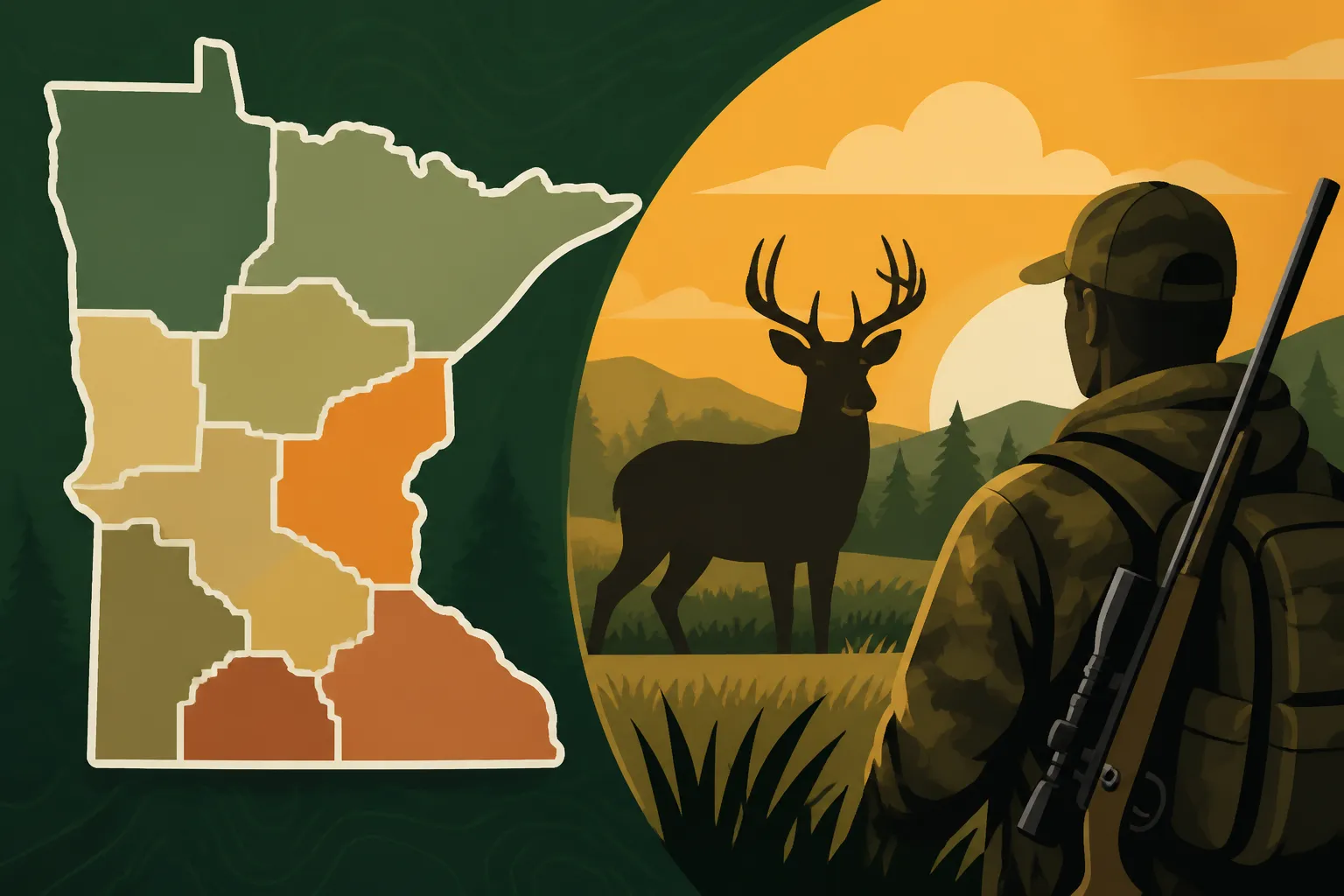
The Minnesota Department of Natural Resources (DNR) publishes a comprehensive hunting regulations handbook each year, typically available online and at license vendors. This is your bible for all things hunting in Minnesota. Within this guide, you’ll find detailed maps showing all the Deer Permit Areas, clearly indicating their designation: Intensive, Managed, Lottery, or Hunter Choice. It’s also where you’ll find all the season dates, weapon restrictions (for those remaining shotgun-only counties, for example), and any special rules for specific zones. Don't rely on old maps or hearsay; regulations can change annually, so always double-check the current year's booklet.
Beyond the physical booklet, the DNR's website offers an interactive map and a digital version of the regulations, which can be incredibly useful. Many hunters, myself included, use tools like GoHunt or the DNR's Minnesota Recreation Compass App on their smartphones to quickly verify these details on the fly while scouting or even during the hunt. These digital resources can save you a lot of headache and ensure you're always hunting legally within your chosen DPA. Knowing how to properly use these resources is a vital skill for any modern hunter.
Typical Characteristics of Hunter Choice Zones
So, what kind of areas usually get the Hunter Choice designation? While there's no hard and fast rule, these areas typically exhibit healthy, stable deer populations. They’re not experiencing the kind of overpopulation that would warrant an Intensive harvest goal, nor are they struggling with low deer numbers that would necessitate a restrictive Lottery system. Often, you'll find Hunter Choice areas in regions with a good mix of habitat—think rolling farmlands with plenty of woodlots, areas bordering larger expanses of state forest that aren't quite "Big Woods" territory, or certain parts of central Minnesota that maintain a strong balance.
These areas are managed to provide consistent hunting opportunities for both antlered and antlerless deer, without requiring the DNR to micro-manage the antlerless harvest through a lottery. It means the population is generally robust enough to withstand a harvest where hunters decide whether to take a buck or a doe with their primary tag. When you're Scouting Minnesota Public Land Before Season, or even considering private land access, looking for these Hunter Choice areas can be a good starting point if you prioritize flexible tagging options. They often represent some of the most consistent hunting in the state, year after year.
Strategizing Your Hunt in Hunter Choice Areas
Having the flexibility of Hunter Choice is a powerful tool, but like any tool, it's most effective when used wisely. It allows you to tailor your harvest decisions to both the local deer population's needs and your personal hunting goals, whether that's filling the freezer or holding out for a mature buck. This requires a bit more thought than just pulling the trigger on the first legal deer you see.
Balancing Antlered and Antlerless Harvest
The beauty of a Hunter Choice area is that it empowers you to make an on-the-spot management decision. If you've spent time Reading Aerial Photos for Big Woods Deer or Hunting Minnesota Farmland Deer and noticed an abundance of does and fawns, perhaps with limited buck sign, taking an antlerless deer becomes a sound management choice. Removing some does helps keep the population in balance with the available habitat, can improve fawn survival, and potentially lead to better buck-to-doe ratios in the long run. Plus, it's a great way to ensure you put some delicious venison in your freezer.
On the other hand, if you're seeing a healthy number of bucks and fewer does, or if your personal goal is strictly to harvest an antlered deer, Hunter Choice allows you to pass on does without penalty. This ability to choose wisely based on your observations, rather than being forced by a specific tag, fosters a deeper connection to ethical hunting and localized wildlife management. It’s about being an active participant in the ecosystem, not just a consumer.
Impact of Hunting Pressure and Habitat on Choice
The decision to take a buck or a doe in a Hunter Choice area can also be heavily influenced by factors like hunting pressure and the specific habitat you're in. On heavily pressured public lands, for example, mature bucks can become incredibly elusive. In these situations, the ability to take a doe provides a very real opportunity to fill your tag and secure meat, rather than going home empty-handed after a frustrating hunt. It's a pragmatic choice that acknowledges the realities of Hunting Pressure on Minnesota Public Land.
Conversely, in areas with abundant, high-quality habitat and lower pressure, you might choose to hold out for a buck, knowing that the chances are higher. Habitat also plays a role: in dense cover where visibility is limited, you might be less selective, whereas in more open areas, you might have more time to assess the deer. The key is to be adaptable. Many hunters carry their Minnesota Deer License Options by Weapon knowing that the Hunter Choice flexibility provides them options regardless of what they encounter, allowing them to adjust their strategy whether they're sitting in a treestand or still-hunting through cover.
Common Misconceptions and Avoiding Pitfalls
Even with the clarity of "Hunter Choice," there are still a few common misunderstandings that can trip up even experienced hunters. It’s crucial to know what Hunter Choice isn't so you don't inadvertently run afoul of regulations or miss out on opportunities. A clear understanding helps you avoid those sinking feelings of regret or, worse, a violation.
Confusing Hunter Choice with Bonus Tags
One of the most frequent misconceptions is confusing Hunter Choice with the ability to acquire bonus tags. Remember, Hunter Choice simply dictates what you can use your primary deer license for—either one antlered or one antlerless deer. It does not automatically grant you the ability to take additional antlerless deer. If you want to take a second or third deer, you'll need to be in a DPA that explicitly allows for bonus tags, which are typically the Intensive Harvest areas.
Here's a quick breakdown to clarify:
| Permit Area Type | Primary Tag Option | Additional Antlerless Tags? |
|---|---|---|
| Hunter Choice | One deer: antlered or antlerless | No, unless the DPA is also Intensive Harvest. |
| Lottery | One antlered deer; antlerless only if drawn in lottery | No. |
| Managed | One antlered deer; antlerless by special permit/lottery | No. |
| Intensive Harvest | One antlered deer; antlerless by permit | Yes, usually available for purchase after filling primary tag. |
As you can see, Hunter Choice gives you flexibility for your initial harvest, but it doesn't open the floodgates for multiple deer like an Intensive area might. Always check the specific DPA rules for bonus tag opportunities, which are entirely separate from the Hunter Choice designation.
The Importance of Double-Checking Annual Regulations
I can't stress this enough: regulations change. What was a Hunter Choice area last year might be a Lottery area this year, or vice versa, due to shifting deer populations, habitat changes, or new management goals. Assuming the rules are the same as last season is a recipe for frustration, and potentially, a citation. Always, always, always consult the current year's Minnesota Deer Seasons and Permit Areas publication or the DNR website before you head afield.
It's not just the permit area designation that can change. Other regulations, like Minnesota Blaze Orange Requirements, legal shooting hours, or even specific restrictions on public lands, can be updated. Even if you've hunted the same DPA for twenty years, take five minutes to review the new regulations. It's a small investment of time that prevents major headaches and ensures you're always hunting within the law. A smart hunter stays informed, not just about deer movements, but about the rules that govern their passion.
Disclaimer
The information provided in this guide is for general informational purposes only and is not a substitute for the official Minnesota Department of Natural Resources (DNR) hunting regulations. Hunters are responsible for understanding and adhering to all current state laws and regulations. Always consult the most recent DNR hunting handbooks and official sources before hunting.