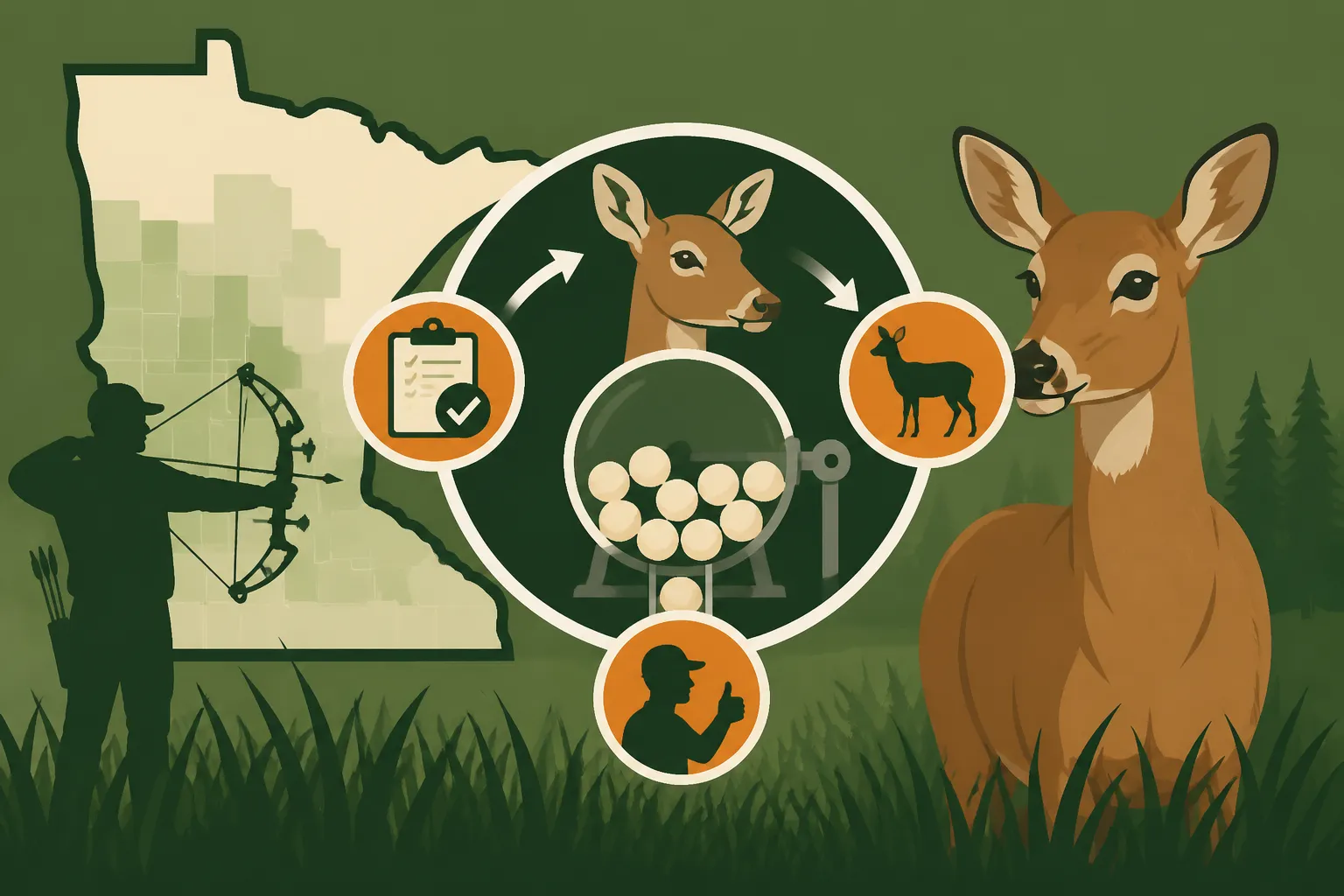
How the Antlerless Lottery Works
Oh, the Minnesota antlerless lottery. If you've spent any time at all chasing whitetails in our great state, you know the mix of hope, confusion, and sometimes outright frustration that comes with trying to secure one of those coveted tags. It feels like a high-stakes game of chance where the rules can seem to shift with the wind, but understanding how it all works is key to improving your odds. This guide is here to untangle the complexities, walk you through the process, and help you strategize for success in Minnesota's antlerless deer lottery.
Demystifying Minnesota's Deer Management and Why Antlerless Tags Matter
Before we dive into the nitty-gritty of applications and draw odds, it’s really important to understand why we even have an antlerless lottery in Minnesota. It’s not just a way for the DNR to make things complicated; it’s a critical tool in managing our deer herd, ensuring its health, and balancing it with our shared landscape.
The Critical Role of Antlerless Harvest in Herd Health
Think about it: deer herds, left unchecked, can grow incredibly fast. Without enough does and fawns being harvested, you quickly get an overpopulation problem. An overpopulated herd isn't just a nuisance; it's a recipe for disaster for the deer themselves and for the environment they live in. When there are too many mouths to feed, deer start to deplete their food sources, leading to malnutrition, reduced fawn survival, and overall weaker animals. This can be especially devastating during harsh Minnesota winters.
Beyond habitat degradation, overpopulation dramatically increases the risk and spread of diseases. Chronic Wasting Disease (CWD), which we've been working so hard to contain in parts of our state, is a prime example. Higher deer densities mean more deer interacting, and more opportunities for CWD to spread through direct contact or contaminated environments. Aggressive antlerless harvest in CWD management zones is a critical strategy to reduce deer numbers and slow the spread of this terrible disease. By strategically allowing for the harvest of does, the DNR aims to maintain a healthy, balanced herd that thrives within the carrying capacity of its habitat, mitigating disease risks and preventing widespread starvation during tough years. It’s all about sustainable hunting for future generations.
Navigating Permit Area Classifications: Intensive, Managed, and Lottery
Minnesota's deer management zones are broken down into different permit areas, each with specific goals for the deer population. Understanding these classifications—Intensive, Managed, and Lottery—is fundamental to grasping how the antlerless lottery functions and where your best opportunities might lie. These classifications directly dictate how many antlerless deer can be harvested and, consequently, whether you'll need to apply for a limited permit.
- Intensive Harvest Areas are typically found where deer populations are above desired goals, or where there’s a need for significant reduction, often due to CWD management or agricultural damage. In these areas, the DNR wants hunters to take more deer. You can usually purchase an antlerless permit over-the-counter, or even multiple bonus permits in some cases, without going through a lottery. This is where you'll find the most liberal antlerless opportunities.
- Managed Harvest Areas are aiming for a stable deer population. The DNR wants to maintain the herd at its current level, meaning a balance between antlered and antlerless harvest. In some Managed areas, you might find over-the-counter antlerless tags, while others might have a limited number requiring a lottery draw, depending on the specific permit area's population dynamics and harvest goals.
- Lottery Permit Areas are where deer populations are at or slightly below goal, or where specific management objectives call for a highly controlled antlerless harvest. These are the areas where competition for antlerless tags is highest, and where the lottery system comes into play. The DNR sets a specific, limited quota for antlerless deer, and if more hunters apply than there are tags available, a drawing is held. It’s crucial to know What a Lottery Permit Area Requires before you plan your season, as these tags are not guaranteed.
The DNR publishes these classifications annually, and they can shift based on population surveys, winter severity, and harvest success from previous seasons. Knowing which classification your hunting area falls into, or where you'd like to hunt, is the first step in figuring out your antlerless tag strategy. For a more comprehensive overview of these classifications, take a look at our guide on Intensive, Managed and Lottery Permit Areas.
The Step-by-Step Guide to Applying for the Antlerless Lottery
Alright, you understand why the lottery exists. Now, let’s talk about the practical side of actually getting that antlerless tag in your pocket. This is where many hunters feel a bit overwhelmed, but breaking it down into manageable steps makes it much clearer.
Who Needs to Apply, When, and How to Submit
First things first: not everyone needs to apply for the antlerless lottery. As we discussed, if you're hunting in an Intensive or some Managed zones, you might be able to simply purchase an antlerless permit over-the-counter when you buy your regular deer license. However, if your chosen deer permit area (DPA) is designated as a "Lottery" area, or some "Managed" areas with limited antlerless opportunities, then you must apply for the antlerless lottery by the deadline.
Generally, any hunter with a valid Minnesota deer license (archery, firearm, or muzzleloader) is eligible to apply, but the antlerless permit you draw will be specific to the weapon type you selected during the application. For instance, if you apply with your archery license, your antlerless tag will only be valid during the archery season. You'll need to hold the appropriate base license for the weapon you intend to use. Our guide on Minnesota Deer License Options by Weapon can give you more details on the various base license options.
The critical deadline for the antlerless lottery application is September 10th each year. This is a hard deadline, and there are no extensions. You'll submit your application online through the Minnesota DNR's eLicense system. It’s a pretty straightforward process:
- Log in to your eLicense account: If you don't have one, you'll need to create one.
- Select the "Buy Licenses" option: Navigate through the prompts.
- Choose your deer license: This is where you'll select your primary deer license (e.g., Firearm Deer, Archery Deer, Muzzleloader Deer).
- Opt-in for the Antlerless Lottery: As you go through the purchase, you'll be given the option to apply for the antlerless lottery. You’ll select your preferred Deer Permit Area (DPA) number where you wish to draw a tag.
- Confirm and Pay: Double-check your DPA selection before finalizing. There’s usually a small application fee on top of your license cost, which is applied whether you draw a tag or not.
It’s absolutely vital to remember that September 10th deadline. So many hunters miss out simply because they forget! We’ve got a whole article dedicated to reminding you to be Applying for the Antlerless Lottery Before September 10, and another detailing The Antlerless Lottery Deadline in Minnesota. Don't be that hunter who misses out!
Deciphering Preference Points and Maximizing Your Odds Over Time
If you've applied for the antlerless lottery in Minnesota before and didn't draw a tag, you might have heard about "preference points." This system is designed to give hunters who have consistently applied and been unsuccessful a slightly better chance in future drawings. It's not a guarantee, but it certainly helps level the playing field over the long haul.
Here's how preference points generally work:
- Earning a Point: Each year you apply for an antlerless lottery permit in a DPA and are unsuccessful in drawing a tag, you earn one preference point for that specific weapon type (archery, firearm, muzzleloader). So, if you apply for a firearm antlerless tag and don't draw, you get a firearm preference point.
- How They're Used: When the DNR conducts the lottery draw, applications with higher preference points are typically drawn before those with fewer points. For example, if there are 100 tags available, hunters with 5 points might be drawn first, then hunters with 4 points, and so on, until all tags are allocated.
- Losing a Point: Once you successfully draw an antlerless permit in a lottery DPA for a specific weapon, your preference points for that weapon type reset to zero. This is a crucial detail! If you've been building up points for a firearm tag and you finally draw one, your firearm preference point count goes back to zero. However, your archery or muzzleloader points (if you've been accruing those separately) remain unaffected.
- Not Applying: If you choose not to apply for the antlerless lottery in a given year, your preference points typically remain, they just don't increase. You're essentially holding your spot in line.
Strategizing with preference points means thinking long-term. If there’s a particular DPA you really want to hunt that’s hard to draw, consistently applying (even if you don't expect to draw for a few years) is how you build up those points. Some hunters will apply in tough-to-draw areas every year, knowing it might take 3-5 years to build enough points for a reasonable chance. Tools like GoHunt can be incredibly valuable here, offering historical draw data and success rates by permit area and preference point levels, helping you make informed decisions about where to apply and what your real odds are. Using these insights can prevent you from wasting points on an area where your chances are still slim or help you identify areas where your current point level gives you a great shot.
Smart Strategies for Increasing Your Antlerless Lottery Success
Drawing an antlerless tag in a coveted lottery area can feel like pure luck, but there are definitely some smart strategies you can employ to tip the odds in your favor. It's all about research, understanding the patterns, and sometimes, thinking a little differently than the crowd.
Deep Diving into Permit Area Quotas and Draw History
This is perhaps the single most impactful strategy for increasing your draw odds. The Minnesota DNR provides a wealth of data that many hunters overlook. You can find information on current deer population estimates, historical harvest data, and, most importantly, the antlerless quotas for each permit area. This data is usually available on the DNR's website, often within their annual hunting regulations or specific deer reports.
Here's how to use it:
- Review Quotas: Every year, the DNR announces the number of antlerless permits available for each lottery DPA. These quotas are set based on population goals, recent harvest success, and winter severity. A DPA with a higher quota (say, 500 tags) will naturally have better draw odds than one with a very low quota (e.g., 50 tags), assuming similar application numbers.
- Analyze Draw History: While the DNR doesn't always publish precise preference point cut-offs for every DPA, looking at the overall draw success rates from previous years can give you a strong indication. If a DPA consistently has a very low success rate, it's likely a tough draw. Conversely, areas with higher success rates or those that don't even fill their quota (meaning everyone who applied got a tag) are your golden tickets. This information is key, especially if you're trying to figure out Deer Density by Minnesota Permit Area as higher densities often lead to higher quotas.
- Consider Trends: Has a DPA seen a recent dip in deer population due to a severe winter or CWD management? The DNR might increase antlerless quotas the following year to help reduce the herd. Conversely, a DPA that has hit its population goal might see reduced antlerless quotas. Staying abreast of these trends can give you an edge.
- Utilize Third-Party Resources: This is where tools like GoHunt really shine. They often compile and analyze this public data in an easy-to-digest format, allowing you to filter by DPA, see historical draw odds by weapon type, and even get a sense of preference point trends. This kind of platform can save you hours of digging through DNR reports and help you quickly identify the best bang for your buck (or your preference point!).
By thoroughly researching quotas and draw history, you move beyond blind luck and into calculated strategy.
Group Applications and Other Tactical Choices
Beyond individual research, how you apply, and with whom, can also influence your chances, particularly with party applications.
- Applying as a Party: In Minnesota, you can apply for the antlerless lottery as a party of up to four hunters. The key benefit here is that if any member of the party is drawn for an antlerless tag, everyone in the party receives an antlerless tag (assuming there are enough tags remaining in the quota). This significantly increases the odds for individuals in the party, as you're pooling your chances. For example, if each person has a 20% individual chance, applying as a party means you effectively have a much higher chance of at least one person getting drawn, and thus everyone benefiting. However, the catch is that if any member of the party has preference points, the party's application is typically entered into the draw at the lowest preference point level of any member in the group. So, if one person has 5 points and another has 0, the party draws at the 0-point level. This means it's usually best to apply with hunters who have similar (or lower) preference points if you're aiming for a tough-to-draw area. Our guide on How Many Deer Tags You Can Buy might shed more light on combining tags in certain scenarios, but the party application specifically refers to the lottery draw.
- Targeting Less Pressured Areas: While everyone dreams of hunting the "big buck" areas, those often come with lower antlerless quotas and higher competition. Sometimes, your best bet is to look at DPAs that might not be as famous for trophies but still have healthy deer populations and, crucially, less hunter pressure on their antlerless lottery. These areas might be slightly more remote, have less public land access, or simply fly under the radar. This requires diligent scouting and often involves studying aerial maps or using apps like the Minnesota Recreation Compass to find hidden pockets.
- Considering Weapon-Specific Differences: Often, firearm antlerless tags are the most competitive, given the sheer number of firearm hunters. Archery and muzzleloader antlerless tags can sometimes be easier to draw, especially in certain DPAs. If you're proficient with multiple weapons, consider applying for the antlerless tag with the weapon that historically has better draw odds in your desired DPA.
By combining thorough research with smart application tactics, you can definitely boost your success rate in Minnesota’s antlerless lottery. It's a game of strategy as much as it is of chance!
Understanding Lottery Results and Utilizing Your Antlerless Permit
The application process is one thing, but then comes the waiting game. That feeling of anticipation as you wait for the results is something every Minnesota hunter knows well! Once the draw is complete, understanding what your notification means and how to properly use your permit is crucial.
Receiving Notification and Verifying Your Lottery Status
After the application deadline closes (remember, September 10th!), the Minnesota DNR gets to work processing all the applications and running the lottery draw. This process usually takes a few weeks. When the results are finalized, the DNR will notify applicants in a couple of ways:
- Email Notification: The most common method of notification these days is via email. If you provided an email address during your application, you'll receive an email indicating whether you were successful in the draw. These emails typically land in mid-to-late September. Be sure to check your spam or junk folders, as sometimes these automated messages can end up there.
- Mail Notification: Some hunters might still receive a postcard or letter in the mail, especially if an email address wasn't provided or if it's an older system. However, email is the primary method now.
- Checking Online: The most reliable way to confirm your status is to log back into your Minnesota DNR eLicense account. Your license history will clearly show if you were awarded an antlerless permit for a specific DPA and weapon type. This is often the first place many anxious hunters check, sometimes even before an email arrives! We've covered the typical timeline in our article, When Lottery Winners Are Notified, so you'll know when to start hitting that refresh button.
If you were successful, congratulations! Your antlerless permit details will be attached to your existing deer license on your eLicense account. You won't receive a separate physical tag in the mail; it's simply an endorsement on your primary license. It's always a good idea to print out a copy of your license or have it accessible on your phone (if legal in your specific hunting scenario) when you're in the field, just to be safe.
Permit Restrictions: Area Specifics and Weapon Type
This is an extremely important point that cannot be overstated: your antlerless permit is highly specific. It's not a generic tag you can use anywhere. Ignoring these restrictions can lead to a violation, so pay close attention to the details printed or displayed on your license.
Here's what you need to understand:
- Permit Area Specificity: Your antlerless permit is valid only in the specific Deer Permit Area (DPA) for which you applied and were drawn. For example, if you drew a tag for DPA 248, you cannot use that tag to harvest an antlerless deer in DPA 249 or any other DPA. You must hunt for that antlerless deer within the boundaries of the DPA listed on your permit. Make sure you know your DPA boundaries well before heading out. Our guide to Minnesota Deer Seasons and Permit Areas gives a good overview of how these areas are delineated.
- Weapon Type Restriction: Your antlerless permit is also tied to the weapon type you used when you applied. If you applied with your archery license and drew an antlerless tag, that tag is only valid during the archery season (e.g., Minnesota Archery Season Dates). You cannot use an archery-drawn antlerless tag during the firearm season, even if you also hold a firearm deer license. The same goes for firearm and muzzleloader permits. This means if you want the opportunity to take an antlerless deer with multiple weapon types, you would need to apply (and potentially draw) separate antlerless permits for each weapon type, assuming the DPA offers those options.
These restrictions are put in place to help the DNR manage specific deer populations within very defined parameters. It's not about making hunting harder; it's about making management more effective. Always double-check your permit details against the current year's regulations to ensure you're hunting legally and ethically.
Navigating Post-Lottery Scenarios and Special Considerations
So, you applied, you waited, and the results are in. What happens next depends a lot on whether you were successful, and if not, what your backup plans are. There are also specific rules and considerations for non-resident hunters that are important to touch on.
Options if You Don't Draw: Bonus Tags and Over-the-Counter Opportunities
It’s a bummer, but it happens to the best of us: you apply for the lottery, and your name just doesn't get drawn. Don't throw in the towel on an antlerless deer yet! Minnesota offers several avenues for hunters who don't draw a lottery permit, especially if you're willing to be flexible with your hunting location.
- Over-the-Counter Tags in Intensive Areas: Remember those Intensive Harvest Areas we talked about? Many of these zones allow for the purchase of antlerless permits over-the-counter (OTC) with your regular deer license. In some cases, you can even buy "bonus" antlerless tags, allowing you to harvest multiple antlerless deer. If your primary DPA was a lottery area and you didn't draw, scouting out a nearby Intensive zone where you can pick up an OTC tag is often your best bet. This allows you to still contribute to herd management and fill your freezer, even if it's not in your original preferred spot. Our article on Filling an Antlerless Lottery Tag in Minnesota dives deeper into these strategies.
- Managed Areas with Remaining Tags: Some Managed permit areas might initially offer lottery tags but, if they don't fill their quota, might then open up remaining antlerless permits for over-the-counter purchase. Keep an eye on DNR announcements in the weeks leading up to the firearm season. These opportunities might be limited and go quickly, so acting fast is key.
- Late Season Hunts: In certain areas, particularly those with high deer populations or CWD concerns, the DNR might implement special late-season antlerless-only hunts. These typically occur after the regular firearm season and are designed to further reduce deer numbers. These hunts often have very liberal antlerless tag allowances and can be a great way to tag a deer when other opportunities have passed.
- Weapon-Specific Opportunities: If you applied for a firearm antlerless tag and didn't draw, remember that your archery or muzzleloader licenses might still offer separate antlerless opportunities if you're hunting in a DPA that has over-the-counter antlerless tags for those weapon types. Flexibility with your weapon choice can open up more doors.
The key takeaway here is to always have a Plan B (and maybe a Plan C!). The DNR's goal is to manage the herd, and that often means providing opportunities for hunters to take antlerless deer, even if it's not always in your first-choice lottery area. Resources like GoHunt can help you quickly identify those Intensive and Managed zones with strong OTC or bonus tag opportunities.
Non-Resident Hunters and the Antlerless Lottery Landscape
For our out-of-state hunting friends, navigating Minnesota's antlerless lottery can have a few extra layers of complexity. While non-residents are welcome to hunt in Minnesota, there are sometimes specific rules and considerations that differ from resident hunters.
- Eligibility to Apply: Generally, non-resident hunters are eligible to apply for the Minnesota antlerless lottery, just like residents, provided they purchase the appropriate non-resident deer license (e.g., Minnesota Nonresident Deer License Cost). The application process through the eLicense system is the same, and the September 10th deadline applies universally.
- Limited Opportunities in Certain Areas: While non-residents can apply, it’s worth noting that some heavily pressured lottery areas might have such high resident application numbers that non-resident draw odds are significantly lower, especially if you have zero preference points. It's not a formal restriction in most cases, but a practical reality of the lottery system where residents often have more accumulated points.
- Preference Point Accumulation: Non-residents accumulate preference points in the same manner as residents – one point for each year unsuccessful in a specific weapon category. These points are just as valuable for non-residents in increasing their long-term draw odds.
- Over-the-Counter and Bonus Tags: Similar to residents, non-residents can also take advantage of over-the-counter antlerless tags and bonus tags available in Intensive Harvest Areas. This is often the most reliable way for a non-resident to secure an antlerless tag, especially if they are targeting an area known for higher deer numbers.
- Understanding Reciprocity/Restrictions: Always double-check the latest regulations regarding non-resident hunting privileges. While Minnesota is generally very welcoming, laws can change, and it's essential to be fully informed. We have a dedicated guide that addresses the specific question, Can Nonresidents Hunt Minnesota Antlerless Lottery Areas?, which can provide more detailed information.
In essence, non-resident hunters face largely the same lottery system as residents, but the competitive landscape for tags can feel a bit tougher in high-demand areas. Strategic planning and a willingness to explore less-pressured DPAs or focus on Intensive Harvest Zones will significantly boost a non-resident's chances of bringing home an antlerless deer.
Here's a quick reference table to help visualize the different permit area types and their antlerless opportunities:
| Permit Area Type | Primary Population Goal | Antlerless Permit Availability | Lottery Application Required? | Bonus Antlerless Tags Possible? |
|---|---|---|---|---|
| Intensive | Decrease Population | Over-the-Counter | No | Yes, often multiple |
| Managed | Stabilize Population | Varies: OTC to Limited Lottery | Sometimes | Occasionally, if quota allows |
| Lottery | Increase/Maintain Pop. | Limited, Draw Required | Yes | No |
This table provides a snapshot, but remember to always consult the current year's Minnesota DNR regulations for the most up-to-date and specific information on your chosen DPA.
Disclaimer
The information provided in this article is for general guidance and informational purposes only and does not constitute legal advice. Hunting regulations, permit area classifications, and lottery rules can change annually. Hunters are responsible for consulting the most current Minnesota Department of Natural Resources (DNR) official regulations and statutes before participating in any hunting activities. Always prioritize safety, ethical hunting practices, and compliance with all local, state, and federal laws.