Minnesota Small Game License Requirements
Navigating the world of hunting licenses in Minnesota can sometimes feel like trying to untangle a particularly stubborn knot, especially when you're just trying to enjoy a crisp autumn morning chasing pheasants or a quiet afternoon squirrel hunting. It's easy to get confused about what's required for different species, who needs what, and where to even begin. This guide aims to cut through that confusion, giving you a clear, comprehensive understanding of Minnesota's small game license requirements so you can focus on the hunt itself, not the paperwork.
The Foundation: Understanding the Basic Small Game License
When we talk about small game hunting in Minnesota, we're usually thinking about creatures like pheasants, grouse, squirrels, rabbits, hares, and a variety of migratory game birds. The good news is that for many of these, your journey starts with one fundamental piece of paper: the small game license. This license is your entry ticket, the base requirement that allows you to legally pursue a wide array of non-migratory small game species across the state.
Who Needs a Small Game License?
Essentially, if you're an adult (16 years or older) and plan to hunt small game in Minnesota, you're going to need this license. It doesn't matter if you're a lifelong resident who's been doing this since you were knee-high to a grasshopper, or a nonresident visiting for the first time; the basic requirement stands. This is crucial because enforcement is pretty straightforward on this point – if you're out there without it, you're in violation. It's not just about avoiding a fine; it's about contributing to the conservation efforts that make these hunting opportunities possible in the first place.
For our younger hunters, the rules are a bit different, and thankfully, often more forgiving. Kids under 16 years old typically don't need a small game license, provided they are accompanied by a licensed adult hunter. This is a fantastic program designed to get more youth into the outdoors and learning the ropes from experienced mentors. It also aligns with programs like Minnesota's Mentored Youth Hunting Rules, which encourage a safe and educational introduction to hunting. However, even for the youngsters, if they plan to hunt certain migratory game birds independently, additional certifications might still be required, which we'll delve into a bit later. Always double-check the current regulations, as rules for youth can sometimes have specific nuances around supervision and species.
What Does the Small Game License Cover?
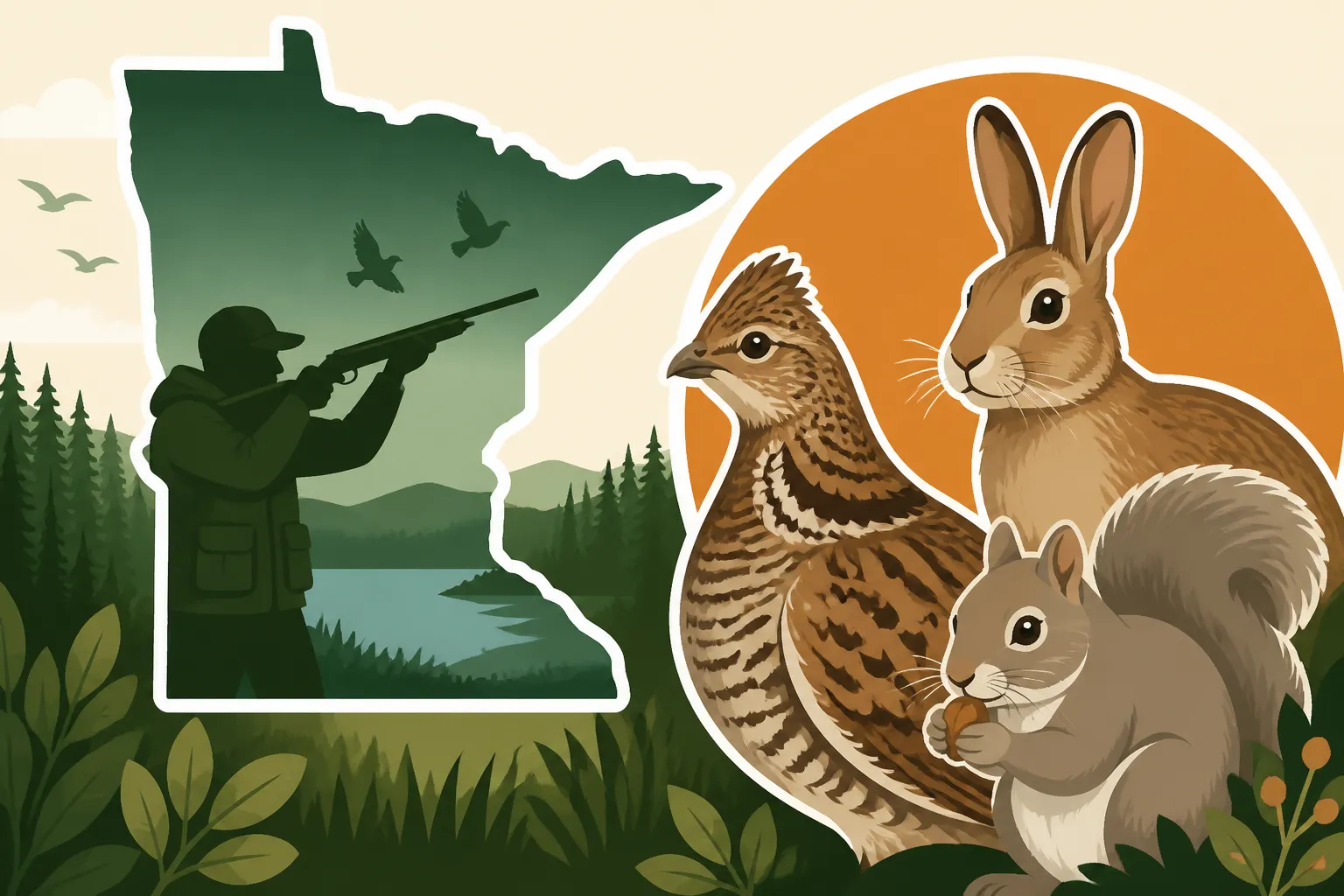
So, you've got your basic small game license, great! But what exactly does it open the door to? This license covers most of your non-migratory small game species. Think about those crisp fall mornings chasing ruffed grouse through the popple cuts of northern Minnesota, or spending a late season afternoon working a brush pile for cottontail rabbits. Squirrels in the oak ridges of southeastern Minnesota are also fair game. The general small game license allows you to pursue these and many other species, ensuring you're legally compliant for a significant portion of your upland and woods hunting adventures. It's the bread and butter of your small game hunting arsenal.
However, it's vital to understand that "small game" isn't a single, monolithic category. While your base license is powerful, it doesn't cover everything. There are specific species, particularly those that migrate across state lines, that require additional stamps or certifications on top of your standard small game license. This is where many hunters, especially those new to Minnesota or migratory bird hunting, can get tripped up. The state and federal governments have additional layers of regulation for species like waterfowl and pheasants to manage their populations effectively and contribute to broader conservation programs.
Navigating Migratory Birds and Additional Stamps
The world of small game hunting expands considerably when you start looking at migratory birds. While your basic small game license is a must-have, it's only part of the puzzle for ducks, geese, woodcock, snipe, coots, and even pheasants, despite pheasants being generally considered upland birds in many other contexts. These additional requirements exist to fund crucial habitat restoration and research efforts both here in Minnesota and across the country.
The Federal Duck Stamp and HIP Certification
If you're dreaming of a morning in a layout blind, calling in some Canada geese over a cut cornfield, or jump-shooting a Minnesota River, you'll need more than just your small game license. Federal law mandates that all waterfowl hunters 16 years of age and older purchase a Federal Migratory Bird Hunting and Conservation Stamp, more commonly known as the Federal Duck Stamp. This isn't just a formality; it's a direct investment in the very wetlands and habitats that these birds rely on. A significant portion of the funds from duck stamp sales goes directly to acquiring and conserving wetland habitats. It's a crucial piece of conservation funding, making it an essential purchase for any duck or goose hunter.
Beyond the duck stamp, all migratory game bird hunters in Minnesota, regardless of age, must also be registered with the Harvest Information Program (HIP). This is often an overlooked requirement, but it’s straightforward to complete. When you purchase your license, you'll simply be asked a few questions about your previous year's migratory bird hunting activity. This data is collected by the U.S. Fish and Wildlife Service and helps wildlife managers estimate harvest numbers and monitor populations, ensuring sustainable hunting seasons year after year. Think of it as your way of giving back to the data pool that helps keep those flocks flying. It's a quick, free, and mandatory step that ensures your hunts for early teal during the early September season or big-water divers on Mille Lacs are completely legal.
Minnesota Pheasant and Migratory Bird Stamps
Just like the federal government has its stamps, Minnesota has its own specific requirements for certain species. If you're planning on hunting pheasants, which is a beloved tradition for many in the state, you'll need to purchase a Minnesota Pheasant Stamp in addition to your small game license. This stamp provides dedicated funding for pheasant habitat enhancement and acquisition projects within Minnesota. These funds are vital for maintaining the healthy pheasant populations found across the state's prime pheasant zones, particularly in Southwest Minnesota Farmland, where ample habitat is key.
Similarly, Minnesota requires a State Migratory Waterfowl Stamp for those hunting ducks, geese, and other migratory game birds. This state stamp works in conjunction with the Federal Duck Stamp, providing another layer of funding specifically for wetland and waterfowl conservation efforts within Minnesota. It ensures that the specific needs of Minnesota's waterfowl habitat are met, from potholes and marshes to larger lakes and river systems. You'll need both the federal and state stamps to be fully compliant when targeting ducks and geese during Minnesota Waterfowl Hunting on Lakes and Potholes or any other waterfowling pursuit. It's an easy add-on when you're buying your initial small game license, so don't forget it.
| Requirement | Covered Species | Age Requirement | Purpose | Cost (General) |
|---|---|---|---|---|
| Small Game License | Pheasant, Grouse, Rabbit, Squirrel, Hare, etc. | 16+ (Youth Exempt w/ Adult) | Basic authorization for most small game | Resident Adult: Moderate; Nonresident Adult: Higher |
| Federal Duck Stamp | All Waterfowl (Ducks, Geese, Coots, Mergansers) | 16+ | Federal wetland conservation & habitat acquisition | Set Federal Price (e.g., $25) |
| HIP Certification | All Migratory Game Birds (Waterfowl, Woodcock, Snipe) | All Ages (if hunting) | Harvest data collection for population management | Free |
| MN Pheasant Stamp | Pheasant | 16+ | State pheasant habitat improvement & acquisition | Low |
| MN Migratory Waterfowl Stamp | All Waterfowl (Ducks, Geese, Coots, Mergansers) | 16+ | State waterfowl habitat and conservation in Minnesota | Low |
Age, Residency, and Special Exemptions
The requirements for small game licenses aren't just about what you're hunting, but also about who is doing the hunting. Residency plays a significant role in license fees, and youth hunters often have different rules. Understanding these distinctions can save you both money and headaches.
Resident vs. Nonresident Requirements
Being a Minnesota resident means you generally pay less for your hunting licenses, reflecting the state's investment in its own wildlife resources for its citizens. A "resident" in Minnesota is typically someone who has maintained a legal domicile in the state for at least 60 days immediately preceding the application for a license. This means paying taxes, having a driver's license, and living here for a sustained period. For residents, acquiring a Minnesota Resident Small Game License Cost is relatively affordable, making it accessible for everyone from the casual rabbit hunter to the dedicated upland enthusiast. You can usually find a variety of Minnesota Resident Hunting License Options that bundle different privileges.
Nonresidents, on the other hand, will find the fees for a Minnesota Nonresident Small Game License Cost to be considerably higher. This is standard practice in most states, as nonresidents are utilizing resources they haven't directly contributed to through state taxes. If you're traveling from out of state to enjoy Minnesota's diverse small game opportunities – perhaps for a classic grouse hunt in the vast Northwoods or chasing pheasants with a dog in the western prairies – be prepared for the higher fee structure. It's a small price to pay for access to such incredible hunting, but it's important to budget for it. The state also offers various Minnesota Nonresident Hunting License Options, sometimes including short-term or small game specific bundles, so it's worth checking those if you're only visiting for a brief hunt.
Youth Hunting Opportunities and Exemptions
Minnesota is fantastic about fostering a love for the outdoors in its youth, and this extends to small game hunting. As mentioned earlier, youth under 16 years of age typically do not need a small game license if they are hunting small game and are accompanied by a parent or guardian who possesses a valid small game license. This is a huge benefit, allowing kids to learn and participate without the financial barrier of purchasing their own license right away. It's a great way for families to engage in activities like Hunting Squirrels in Minnesota Hardwoods or pursuing cottontails together.
However, there are important caveats. Even if a youth is exempt from the basic small game license, they are not exempt from the federal and state migratory bird stamp requirements if they are hunting waterfowl or other migratory game birds and are 16 years of age or older. And the HIP certification, as noted, is required for all migratory bird hunters, regardless of age, if they are pursuing those species. So, while a 15-year-old might hunt grouse without a license, if they decide to tag along for ducks, they'd still need to ensure they're HIP-certified. Always double-check the specific age cutoffs and requirements for each stamp and certification to ensure the young hunter in your life is fully legal. The goal is to get them out there safely and legally, making sure they understand and respect the regulations.
Where and How to Purchase Your License
Once you've figured out exactly which licenses, stamps, and certifications you need, the next step is actually getting them in your hands. Thankfully, Minnesota has made the process quite convenient, offering several avenues for purchase to suit various preferences.
Online and Phone Purchases
In this digital age, one of the easiest ways to secure your Minnesota hunting licenses is through the Department of Natural Resources (DNR) eLicense system. You can simply hop online from the comfort of your home, navigate to the DNR website, and follow the prompts to purchase everything you need. This method is incredibly efficient, allowing you to buy your Minnesota Small Game License Requirements, pheasant stamp, and migratory bird stamps all in one go. You’ll receive a confirmation and often a printable temporary license immediately, with a physical license mailed to you later. It’s also where you'll complete your mandatory HIP certification. Many hunters find this the most straightforward way, especially if they plan their hunting trips in advance.
For those who might not have immediate internet access or prefer to speak with someone, the DNR also offers the option of Buying Minnesota Licenses by Phone. This can be particularly useful if you have questions or run into any issues during the purchase process. A DNR representative can guide you through the available options and ensure you get precisely what you need. Just be sure to have your personal information and payment method ready when you call. Both online and phone methods offer a quick and reliable way to ensure you're legal before you even step foot in the woods or fields.
In-Person Retailers
For hunters who prefer a more traditional approach, or perhaps find themselves needing a license on short notice while already in their hunting area, countless authorized license agents are spread throughout Minnesota. These agents typically include bait shops, sporting goods stores, convenience stores, and county auditors' offices. This is often the quickest way to get a physical license in hand, without waiting for mail. If you're gearing up for a pheasant hunt in Willmar and realize you forgot your pheasant stamp, chances are a local gas station or bait shop will be able to set you right.
When you're at a retailer, the staff can often help you verify what you need, which is a great comfort for new hunters or those who might be uncertain about specific requirements, like which zone applies or if any special regulations are in effect. It’s a valuable resource, and it’s always a good idea to support these local businesses that cater to the hunting community. Just remember to bring a valid form of identification, especially if you're establishing residency or need to confirm your age. And speaking of planning, tools like GoHunt can be invaluable for scouting areas or understanding regulations before you even head to the store, helping you ensure you're fully prepared.
Crucial Documentation and Common Pitfalls
Having the right licenses is one thing, but making sure you can prove you have them is just as important. Knowing what documentation to carry and being aware of common mistakes can prevent a potentially ruined hunt or a frustrating encounter with a conservation officer.
Carrying Proof of License
It’s not enough to simply purchase your licenses and stamps; you must have them on your person while hunting. This means Carrying Proof of License on Your Phone or having the physical copies readily accessible. Most hunters opt for the physical license and stamps, often tucking them into a wallet or a designated pocket in their hunting vest. However, with modern technology, the DNR allows for digital proof of license through their eLicense system. You can display your licenses on your smartphone, which is incredibly convenient. Just make sure your phone is charged and protected from the elements!
Regardless of whether you choose physical or digital, ensure your proof is legible and complete. A smudged paper license that’s been through the wash, or a phone with a cracked screen making the details unreadable, won't cut it. The goal is to quickly and clearly show a conservation officer that you are legally compliant. Always carry a valid photo ID as well, as you may be asked to present it to verify your identity against your license. This is especially true for nonresidents or youth whose appearance might not match a quickly printed temporary license.
Common Misconceptions and Mistakes
One of the most frequent mistakes hunters make is assuming their basic small game license covers all small game. This is particularly true for migratory birds. Many hunters, especially those new to waterfowling, forget the Federal Duck Stamp or the Minnesota Migratory Waterfowl Stamp, or fail to complete their HIP certification. It’s an easy oversight, but it’s a violation nonetheless. Another common one is the Minnesota Pheasant Stamp; if you're targeting pheasants, that stamp is non-negotiable. Always review the specific species you plan to hunt and ensure you have all the corresponding requirements.
Another pitfall is related to youth hunting and migratory birds. While kids often don't need a small game license, once they turn 16, they absolutely need the Federal Duck Stamp, Minnesota Migratory Waterfowl Stamp, and HIP certification if they're waterfowl hunting. Don't assume their previous exemption carries over when they hit that age milestone. Furthermore, make sure you understand the difference between hunting private land versus public ground, as while licenses are universal, access rules can vary. For example, knowing the rules for Minnesota Wildlife Management Areas is crucial. Finally, always be aware of the Minnesota License Year Start Date and expiration; licenses typically run from March 1st to the end of February the following year, so don't get caught hunting on an expired license at the tail end of a season. A quick check of your license validity is always a good practice before heading out.
Protecting the Resource: Hunter Safety and CWD
Beyond the licenses themselves, being a responsible Minnesota small game hunter means understanding broader regulations that protect both people and wildlife. This includes hunter safety requirements and awareness of diseases like Chronic Wasting Disease (CWD), which can impact deer and, by extension, the habitat and hunting experience for all.
Hunter Safety Education Requirements
For many new hunters in Minnesota, completing a hunter safety education course is a mandatory step before they can purchase a firearm hunting license. While primarily focused on firearm safety, these courses also cover general hunting ethics, wildlife identification, and conservation principles that are highly relevant to small game hunting. Who Needs Minnesota Hunter Safety Training? Generally, anyone born after December 31, 1979, must complete a hunter safety course before purchasing a firearms license. Even if you're not planning to hunt deer or bears with a rifle, this requirement can apply to small game hunters using shotguns or rimfire rifles.
The good news is that Minnesota offers various ways to fulfill this requirement, including traditional in-person classes and options for Taking Minnesota Hunter Safety Online. These courses ensure that hunters are equipped with the knowledge to handle firearms safely, identify game correctly, and act responsibly in the field. It’s not just about compliance; it's about being a safe and ethical hunter, which benefits everyone, including yourself and others enjoying the outdoors. Even if you're not legally required to take the course, it's a fantastic primer for anyone new to hunting, providing foundational knowledge that prevents accidents and promotes good sportsmanship.
Chronic Wasting Disease CWD Awareness
While small game animals like pheasants and squirrels are not susceptible to Chronic Wasting Disease (CWD), this neurological disease poses a significant threat to Minnesota's deer herd, and by extension, the broader ecosystem that small game hunters also enjoy. The presence of CWD in certain areas means that all hunters, regardless of their target species, should be aware of the regulations designed to prevent its spread. Knowing about CWD Management Zones in Minnesota, for example, is critical because these zones often have specific rules regarding carcass movement, feeding, and baiting. These rules are in place to protect deer populations, which are a vital part of Minnesota's natural heritage and a primary draw for many hunters.
Even if you're only hunting grouse or rabbits, understanding CWD and supporting efforts to contain it is part of being a responsible steward of the land. For instance, if you happen to be in a CWD zone for your small game hunt, you should be aware of any local restrictions, as these often impact public land access or the overall environment. The DNR provides extensive information on CWD Surveillance Zones in Minnesota, CWD testing protocols, and how hunters can help. Staying informed about wildlife diseases, even those not directly affecting your target species, helps ensure a healthy and vibrant ecosystem for all game animals, contributing to better hunting experiences across the board for years to come.
Disclaimer
Please remember that hunting regulations are subject to change. While this guide provides a comprehensive overview of Minnesota's small game license requirements, it is essential to consult the official Minnesota Department of Natural Resources (DNR) website or their current hunting regulations handbook for the most up-to-date and specific information before heading afield. This content is for informational purposes only and should not be considered legal advice.