Jump-Shooting a Minnesota River
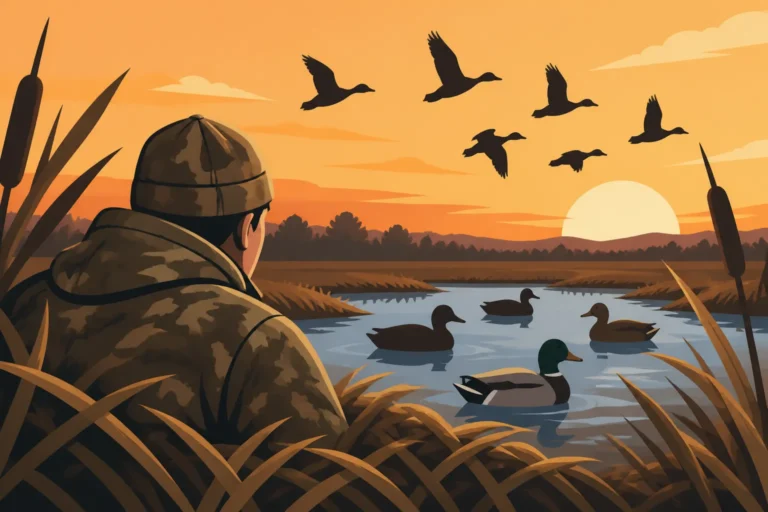
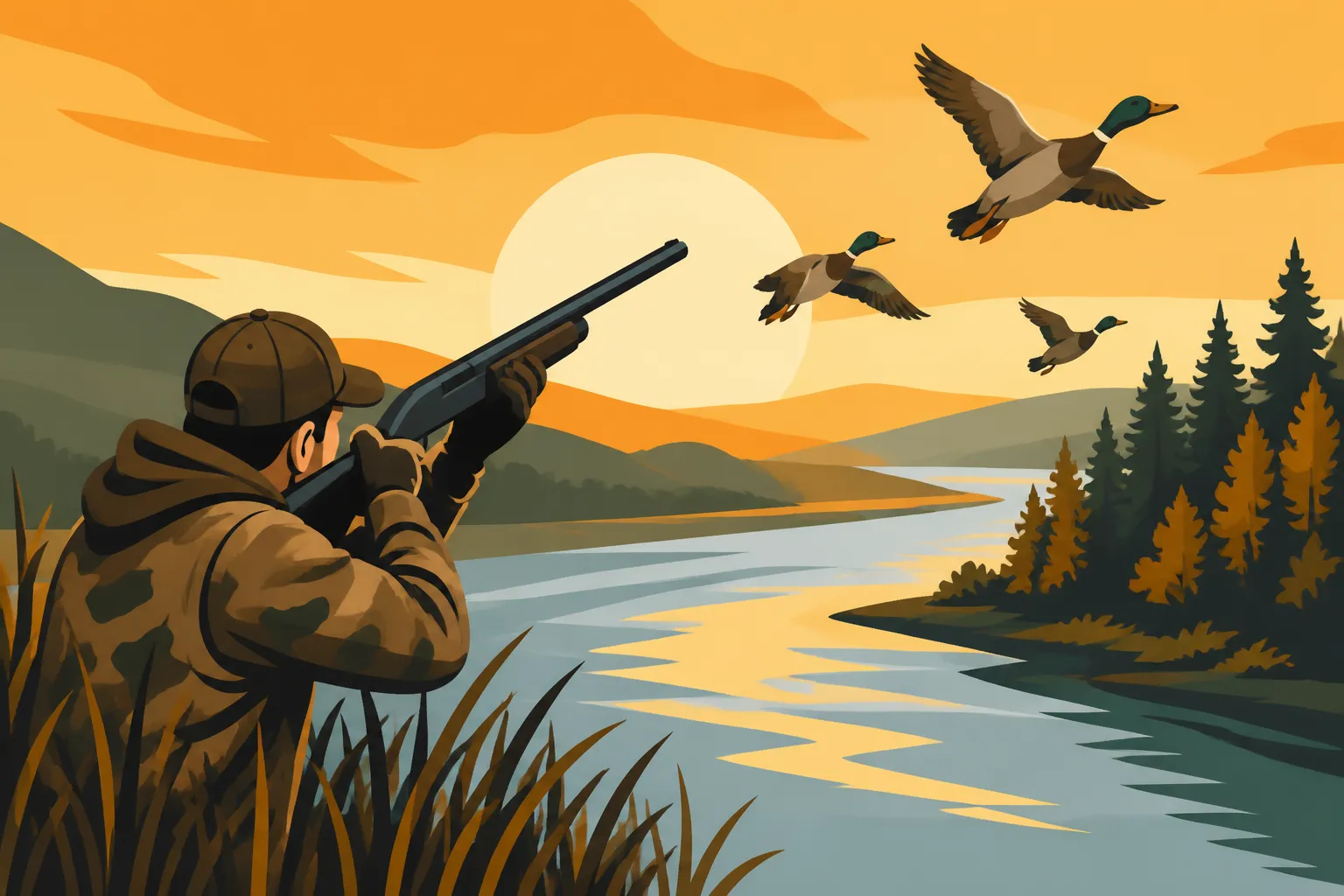
There’s a unique thrill that comes with jump-shooting ducks on a winding Minnesota river, a kind of primal satisfaction you just don’t get hunkered down in a blind. It’s about active hunting, reading the water, and making quick decisions. But let's be honest, it can also be frustrating when you spook birds before you even get a shot, or you misjudge a current and end up soaked. This guide is all about helping you master the art of jump-shooting Minnesota’s rivers, turning those close calls into successful retrieves.
The Unique Appeal and Realities of River Jump-Shooting
Jump-shooting a Minnesota river isn't just a hunting method; it's an experience that puts you directly into the flow of the landscape. Forget waiting in a static blind for birds to fly over; here, you are the hunter on the move, actively seeking out your quarry. This style of hunting demands a different set of skills and offers rewards unlike any other, but it also comes with its own distinct set of challenges that can test even the most seasoned waterfowler.
Why River Hunting Stands Apart
The allure of river hunting is multifaceted. First, there's the element of surprise. Ducks often seek refuge on calmer stretches of rivers, especially during periods of heavy hunting pressure on larger lakes and marshes. A bend in the river, an overhanging bank, or a patch of emergent vegetation can hide a flock of birds, creating an exciting moment of discovery when you round a corner. It's less predictable than field hunting or waiting in a traditional spread, and that unpredictability is part of the fun. You're constantly scouting, constantly adapting, and constantly in motion, which appeals to hunters who enjoy a more active pursuit.
Secondly, rivers provide a dynamic and ever-changing environment. Water levels fluctuate, currents shift, and new cover emerges or recedes with the seasons. This means that successful river hunters must be adept at reading the water and the landscape, understanding how these elements influence duck behavior. It forces you to think like a duck, anticipating where they’ll rest, feed, or hide from predators. Plus, unlike large open bodies of water, rivers often offer a more intimate hunting experience, allowing you to immerse yourself fully in the natural surroundings without the distraction of other hunters or the need for extensive decoy spreads. This method is particularly effective for those looking to explore new areas and challenge themselves beyond conventional setups.
Common Frustrations and How to Overcome Them
Let's be real, jump-shooting a river isn't always picturesque. One of the biggest frustrations is spooking birds before you're even in range. You paddle silently around a bend, heart pounding, only to see a flurry of wings disappearing downstream. This often happens because hunters underestimate the keen eyesight of ducks or fail to account for wind direction and current. To combat this, stealth is paramount. Wearing camouflage that blends with riparian environments, moving slowly, and using natural cover to conceal your approach are crucial. Pay close attention to the sound you're making with your paddle or when pushing off the bottom. Even a slight scrape can carry a long way on still water.
Another common issue is dealing with retrieves in current or thick cover. You make a clean shot, but the bird drifts downstream into a snarl of downed timber or gets hung up in dense cattails along the bank. This is where a good retriever becomes invaluable. A dog like a Labrador or a Golden, trained for water retrieves, can save you endless headaches and lost birds. If you're hunting without a dog, a long retrieve pole can be a lifesaver. Furthermore, being mindful of your shot angle and aiming for birds that are closer to shore or in slacker water can make retrieval significantly easier. Remember, the goal isn't just to shoot the bird, but to recover it ethically and efficiently.
| Duck Species | Common River Behavior | Typical Shot Opportunity | Retrieval Difficulty |
|---|---|---|---|
| Mallard | Often found loafing on banks, calm eddies, feeding in shallow water. | Flushes vertically, then flies away downstream or upstream. | Moderate, can drift into cover. |
| Wood Duck | Prefers wooded rivers, tight turns, often flushes from timber. | Explodes from cover, fast erratic flight. | High, often falls in dense woods or heavy current. |
| Teal | Small flocks, dart swiftly along the water, often in shallow, grassy areas. | Quick, low-flying flush, can be hard to track. | Low to Moderate, if in open water. |
| Common Merganser | Dives frequently, often in faster current, usually in pairs or small groups. | Strong, straight flight, often gets up far out. | Moderate, can dive to avoid retrieve. |
| Gadwall | Feeds in calmer areas, often associated with submergent vegetation. | More deliberate flush than teal, good target. | Low to Moderate. |
Essential Gear for River Pursuits
Successfully jump-shooting a Minnesota river requires more than just a shotgun and shells. The right gear can significantly enhance your comfort, safety, and effectiveness, turning a potentially miserable outing into a memorable one. From your mode of transport to your personal attire, every piece of equipment plays a role in navigating the unique demands of river hunting.
Choosing Your Vessel: Canoes, Kayaks, and Layout Boats
Your choice of watercraft is perhaps the most critical gear decision for river jump-shooting. You need something stable, quiet, and maneuverable.
- Canoes: A classic choice for a reason, canoes offer ample space for gear, a dog, and harvested birds. They are generally stable, especially wider models, and can be paddled or poled silently. The biggest advantage is their versatility; you can paddle them, or if the water is shallow enough, use a push pole to navigate silently against a current without splashing. This makes them ideal for varied river conditions. Look for durable materials like Royalex or rotomolded polyethylene, which can take a beating from submerged logs and rocky bottoms that are common in Minnesota rivers. For more on navigating these waterways, consider reading about Hunting the Mississippi River Backwaters
- Kayaks: More nimble and often easier to handle solo, kayaks, particularly sit-on-top fishing kayaks, have gained popularity. They sit lower in the water, offering a stealthier profile, and are excellent for squeezing through tight spots or navigating heavy cover. However, storage space is more limited, and they might not be as stable for shooting, especially if you're not accustomed to shooting from a seated position in a kayak. Their low profile can be an advantage for concealment, but also means you'll be more exposed to the elements.
- Layout Boats: While primarily designed for open-water diver hunting, smaller, more maneuverable versions of layout boats can be adapted for wider, calmer river sections. Their extremely low profile offers ultimate concealment, but they are often difficult to paddle or pole and offer very little storage. For the typical winding, shallow Minnesota river, a canoe or even a stealthy square-stern canoe is usually a more practical choice.
No matter your choice, consider camouflaging your vessel. A drab green or brown paint job, or even a simple camo netting draped over the bow, can make a significant difference in how close you can get to wary birds. When checking regulations or scouting new river stretches, online tools like GoHunt can be incredibly useful for identifying public access points and water depths, helping you pick the right vessel for the conditions.
Essential Personal Gear and Optics
Beyond the boat, your personal gear is what keeps you comfortable, safe, and effective.
- Waders: You will get wet. Good quality waders are non-negotiable, especially when hunting in late season or colder temperatures. Breathable chest waders are ideal for mobility and comfort during active hunting, paired with insulated layers underneath depending on the weather. Neoprene waders offer more warmth but can be cumbersome. Remember that even on seemingly warm days, prolonged exposure to river water can quickly lead to hypothermia if you're not properly insulated. Having durable waders is key, especially if you’re pushing through brush or getting in and out of your boat frequently. For more insights, check out Waders for Minnesota Marsh Hunting.
- Clothing: Layers are your friend. Start with a moisture-wicking base layer, add an insulating fleece or wool layer, and top it with a waterproof, breathable outer shell in camouflage patterns that blend with the river environment (e.g., marsh camo, breakup green). Don't forget waterproof gloves and a warm hat. Even on relatively mild days, the wind off the water can be biting.
- Optics: While long-range glassing isn't typically the primary method for jump-shooting, compact binoculars (8x or 10x) can be invaluable for identifying ducks at a distance before you commit to a stalk, especially if you're trying to determine species or sex. A rangefinder might seem overkill for river hunting, but it can quickly help you verify if those birds around the next bend are actually within a ethical shooting distance. GoHunt's mapping features can also help you mark potential duck roosting or feeding areas identified with your optics.
- Shotgun and Ammunition: A reliable, easy-handling shotgun is key. Many hunters prefer a pump-action or semi-automatic 12-gauge for its versatility and capacity. Since you're often taking quick shots at flushing birds, a modified or improved cylinder choke is usually a good starting point to give you a decent pattern at close to medium ranges. As for ammunition, non-toxic shot (steel, bismuth, tungsten-alloy) is mandatory for waterfowl. Steel shot in sizes #2 or #3 is a popular choice for ducks, offering a good balance of pellet count and energy. Always bring more shells than you think you’ll need – it's easy to burn through a box with unexpected flushes.
Mastering the Stalk and Shot on the River
The true art of jump-shooting lies in the approach. It's a game of chess against nature, where every move must be deliberate, quiet, and strategic. Understanding how to scout, read the river, and execute a stealthy stalk is what separates a successful river hunter from one who constantly spooks birds.
Strategic Scouting and Entry Points
Effective jump-shooting begins long before you ever launch your boat. Scouting is paramount, and it often starts without even setting foot in the water.
- Aerial Reconnaissance: Use online mapping tools like GoHunt, Google Maps, or the DNR’s Recreation Compass. Look for sections of rivers that have slow-moving water, oxbows, back channels, and areas with good cover such as cattail sloughs, submerged logs, or overhanging trees. Pay attention to how the river connects to nearby agricultural fields or marshes, as these can indicate prime feeding or loafing areas for ducks. Identifying potential Hunting the Mississippi River Backwaters can give you ideas for similar river environments.
- On-the-Ground Scouting: Drive or walk along roads that parallel the river, looking for actual duck activity. You might spot birds from a distance or identify access points that aren't obvious on a map. Look for signs like fresh tracks in mud, droppings, or disturbed vegetation. Note prevailing wind directions, as ducks often prefer to take off and land into the wind, which can influence your approach.
- Water Levels and Flow: River conditions are highly variable. Low water can mean more exposed sandbars for loafing ducks, but also more obstacles for your boat. High water might push ducks into smaller, calmer eddies or backwaters. Before you head out, check local river gauges or reports to understand current conditions. A strong current can make paddling upstream a monumental task, influencing your choice of put-in and take-out points. For insights into Duck Migration Timing Through Minnesota, understanding when birds are most likely to be present is crucial.
Choosing your entry point is also critical. Look for discreet places to launch that won't immediately put ducks on alert. This could be a small public access point, a bridge crossing with ample shoulder room, or a less-traveled gravel road. The less disturbance you create before you even get on the water, the better.
The Art of the Stealthy Stalk
Once you're on the water, the hunt truly begins. This is where your ability to blend in and move silently comes to the forefront.
- Upstream vs. Downstream: Generally, it's advantageous to paddle or float downstream. This allows you to approach birds from behind (relative to their typical flight path into the wind), using the current to your advantage for silent movement. However, going downstream means you'll have to paddle back upstream against the current to retrieve birds or return to your put-in, which can be exhausting. Alternatively, pushing upstream allows for controlled, slower movement, but might require more effort. Some hunters prefer to float quietly downstream, using a push pole to subtly adjust their course and slow their drift.
- Using Cover: Rivers are full of natural cover: high banks, overhanging willows, fallen timber, and dense cattails. Hug these features as much as possible. Keep your profile low in the boat and try to keep the sun at your back if possible, both for visibility and to silhouette the ducks. Anticipate bends in the river – these are prime spots for ducks to hide. As you approach a bend, slow down significantly, paddle gently on the inside curve, and prepare for a flush.
- Silence is Golden: Every sound you make carries far on the water. Paddle softly, avoid bumping against the boat's sides, and minimize talking. If you're using a push pole, try to keep the contact with the riverbed as silent as possible. Even the splash of a paddle can be enough to send wary mallards scattering. Think of yourself as part of the river; merge with its flow and rhythm. The GoHunt app can help you identify public hunting lands along river corridors, allowing you to scout for areas with less human disturbance, where ducks might be less wary.
Executing the Shot and Retrieval
The moment of truth arrives quickly. When ducks flush, you need to react decisively.
- Quick Shots: Ducks often explode from cover with surprising speed. Practice mounting your shotgun quickly and swinging smoothly at fast-moving targets. Don't waste time trying to pick out a single bird; focus on the lead bird or one peeling off the flock. Your first shot is often your best opportunity. For Minnesota's varied waterfowl, knowing the Minnesota Duck Daily Bag Limit is crucial before you start shooting.
- Reading the Flush: Observe how the ducks react. Do they fly straight downstream, or do they veer into an adjacent marsh? This information can help you plan your next move if you don't connect on the first pass. Sometimes, smaller flocks will circle back, offering a second chance.
- Retrieval: As mentioned earlier, retrieval can be tricky. Mark where the bird falls instantly. If you have a dog, send them immediately. If not, use your paddle or a retrieve pole to gently guide the bird out of the current or snags. Be mindful of safety – don't put yourself in a dangerous situation in strong current or cold water. Always prioritize your safety over a bird. Having a good Dog Vests for Cold Water Retrieves can also protect your furry friend during these chilly operations.
River Safety and Regulatory Compliance
Hunting on Minnesota's rivers, while incredibly rewarding, comes with inherent risks and specific regulations you need to be aware of. Prioritizing safety and staying legal ensures that your hunting experience remains enjoyable and sustainable.
Cold Water Safety and Emergency Preparedness
Minnesota's waterfowl season often extends into colder weather, making cold water a serious hazard. Even on days when the air temperature feels mild, river water can be dangerously cold, especially in October and November.
- Dress for the Water, Not the Air: Always assume you're going to get wet. This means wearing insulating layers that retain warmth when wet (wool or synthetics, not cotton) and a waterproof outer layer. A personal flotation device (PFD) is not just a good idea; it's often legally required in small watercraft. Wear it! If you go overboard, a PFD can save your life by keeping your head above water and providing some thermal insulation.
- Hypothermia Awareness: Know the signs of hypothermia: shivering, confusion, slurred speech, and loss of coordination. If someone starts exhibiting these symptoms, get them to shore, remove wet clothing, and get them into dry, warm layers. Carry an emergency kit that includes a space blanket, fire starter, and extra dry clothes in a waterproof bag.
- Know Your River: Understand the river's characteristics. Are there rapids, dams, or low-head bridges that pose a danger? How strong is the current? What's the water depth like? Always tell someone where you're going and when you expect to return. Consider carrying a fully charged cell phone in a waterproof case, or a satellite communication device if you're in a remote area without cell service. For larger water bodies, understanding Minnesota Waterfowl Hunting on Lakes and Potholes provides additional safety considerations for various hunting environments.
Navigating Regulations and Ethical Considerations
Hunting regulations are in place for safety, conservation, and fair chase. Ignorance is no excuse, and violating them can lead to hefty fines and loss of hunting privileges.
- Licenses and Stamps: Ensure you have all the necessary Minnesota hunting licenses, a federal duck stamp, and a Minnesota Migratory Bird Stamp. You also need to be HIP (Harvest Information Program) certified. These are readily available through the Minnesota DNR's eLicense system.
- Shooting Hours and Bag Limits: Always know the legal shooting hours for migratory birds, which typically begin 30 minutes before sunrise and end at sunset. Be familiar with the specific daily bag limits and possession limits for the species you might encounter. Duck identification is crucial here – you need to be able to tell a mallard from a wood duck, and a pintail from a canvasback, especially if species-specific limits are in place.
- Trespassing: Rivers often flow through private land. While you can typically navigate public waters, you usually cannot exit your boat onto private land without permission, even to retrieve a downed bird. This is a common point of contention and something to be very aware of. Always respect private property boundaries. GoHunt can be an invaluable tool for identifying public land sections or easements along riverbanks.
- Ethical Shooting: Only take shots at birds within your effective range, ensuring a clean kill. Wounded birds that escape are a waste of a valuable resource. Avoid sky-busting or taking unsafe shots that could endanger other people or property. Jump-shooting is about precision and stealth, not barrages of missed shots.
- Leave No Trace: Pack out everything you pack in. This includes spent shell casings, food wrappers, and any other trash. Leave the river environment cleaner than you found it.
By respecting the river, its wildlife, and the regulations, you ensure that jump-shooting remains a sustainable and enjoyable pursuit for years to come. Remember, the privilege of hunting comes with the responsibility of being a good steward of the land and its resources.
Disclaimer
The information provided in this guide is for general informational purposes only and is not intended as legal advice. Hunting regulations and conditions can change rapidly. Always consult the most current Minnesota Department of Natural Resources (DNR) regulations and local ordinances before engaging in any hunting activities. Safety should always be your top priority.