Hunting Deer in Deep Northern Minnesota Snow
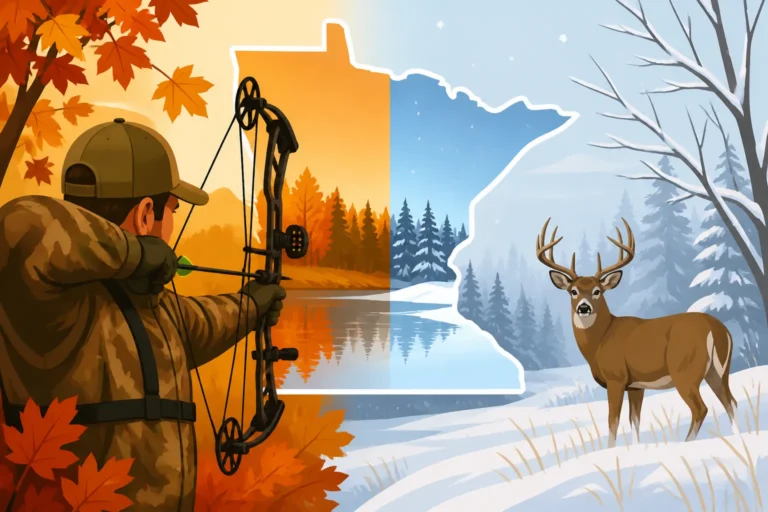
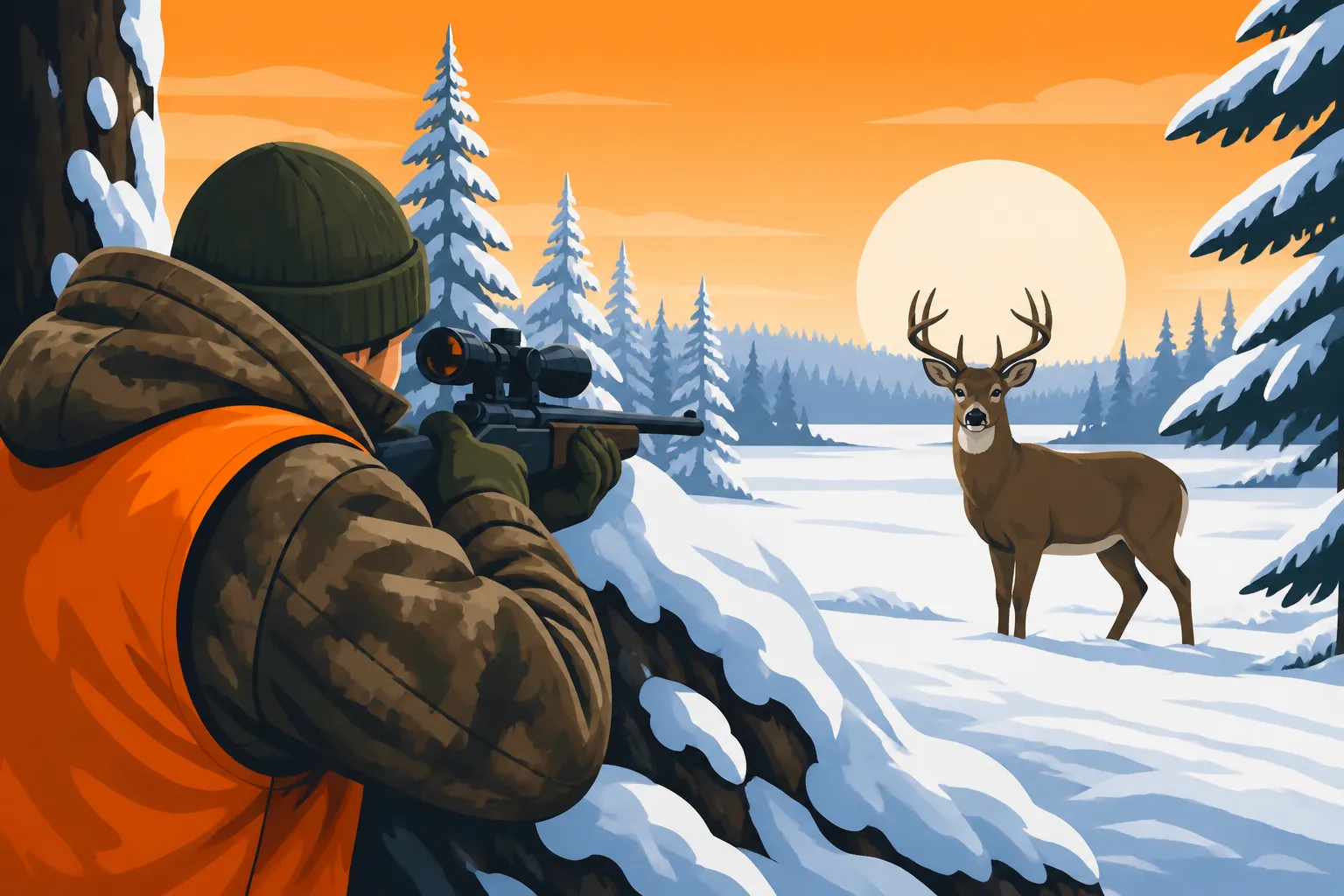
Hunting deer in the profound stillness of deep northern Minnesota snow is an experience unlike any other, demanding a unique blend of grit, strategy, and respect for the elements. It’s where the deer truly earn their wildness, and hunters must adapt or be left behind. This guide will walk you through the nuances of successful deer hunting when the landscape is buried under a heavy blanket of white, from understanding deer behavior to mastering winter tactics and preparing with the right gear.
Adapting to Deer Behavior in Deep Snow
When the snow starts piling up in northern Minnesota, especially when it's thigh-deep or more, deer shift their entire world to conserve energy. This isn't just a minor adjustment; it's a fundamental change in how they move, feed, and bed, and understanding these shifts is your first step to success.
Energy Conservation and Movement Restrictions
Deer, particularly in the harsh winters of places like Cook, Lake, and St. Louis counties, become incredibly efficient with their energy in deep snow. Every step is an effort, forcing them to minimize unnecessary movement. You'll often find them "yarding up" – concentrating in dense stands of conifers, especially cedar swamps or thick pine plantations. These areas offer both thermal protection from bitter winds and deep snow, and a somewhat easier path to navigate. Imagine pushing through three feet of snow; it quickly wears you out. Deer feel the same strain, so they seek out these protected pockets where travel is less taxing. This concentrated movement means that if you find one deer, you're likely to find more, making these yards prime locations to focus your efforts. For a deeper dive into their seasonal movements, consider reading up on Where Big Woods Bucks Bed in Minnesota.
Critical Food Source Shifts
With deep snow covering most ground vegetation, deer can no longer rely on their usual smorgasbord of forbs, grasses, and dropped acorns. Their diet shifts dramatically to woody browse. They'll clip twigs, munch on the tender shoots of young aspen, maple, and dogwood, and critically, they'll turn to conifers. Cedar boughs, balsam fir, and even pine needles become essential sustenance when other options are buried. Identifying these preferred browse species and locating stands where they are plentiful is paramount. Look for areas with a mix of regenerating forest and mature conifers. These "grocery stores" become magnets for deer, especially in the late season when other food sources are scarce. If you're out scouting with a mapping tool like GoHunt, you can easily identify different timber types and mark potential food sources long before the snow gets deep.
Thermal Bedding Strategies
Just like us, deer crave warmth and shelter from the biting cold. In deep snow, their bedding strategies are entirely dictated by thermal cover. They will seek out dense coniferous cover that traps heat and blocks wind, creating a microclimate that's often several degrees warmer than open areas. South-facing slopes are gold in winter. The sun's low angle in the sky allows these slopes to soak up what little warmth is available, melting snow slightly and offering a critical advantage for bedding. Look for areas where thick pines or cedars grow on a gentle, south-facing incline. These spots allow deer to absorb solar radiation and stay out of the prevailing winds, conserving precious energy. Understanding these bedding preferences is key to knowing not just where deer eat, but where they rest and often where they'll be during legal shooting hours.
Mastering Tracking and Still-Hunting in Winter
Deep snow transforms the hunt, turning every patch of woods into a canvas for deer sign. Learning to read this sign and move through the snowy landscape effectively can be the difference between an empty truck and a successful harvest.
Deciphering Fresh Tracks and Sign
The snow doesn't lie. Every deer leaves a story in its wake, and learning to read it is like developing a superpower. Fresh tracks are crisp, with defined edges, and often show little to no ice crystals in the depressions. Older tracks will have softer edges, might be filled with light snow, or show signs of melting and refreezing. Pay close attention to the gait – a walking deer leaves a different pattern than a trotting or bounding deer. Larger, more splayed hooves with a wider stride often indicate a buck, especially if you see drag marks between prints. Following a fresh set of tracks becomes a primary hunting method in deep snow. This methodical process, often called still-hunting, requires immense patience and sharp observation. As you learn to interpret these signs, your confidence will grow, allowing you to follow a trail with purpose. You might even consult resources like Tracking a Deer in Fresh Minnesota Snow for more detailed tracking tips.
The Art of Silent Still-Hunting
Still-hunting in deep snow is an exercise in extreme patience and mindfulness. Each step must be deliberate. The crunch of snow underfoot is unavoidable, but you can minimize its impact. Try to step on snow-covered logs, rocks, or areas where the snow is shallower and compresses less. Use the wind to your advantage, always moving into it or with a quartering wind to carry your scent away from the deer. Thermals, which rise in the morning and fall in the evening, also play a role; understand how they might shift and carry your scent. Move just a few steps, then pause, scanning ahead for any flicker of movement or a horizontal line that doesn't belong in the vertical forest. Pay attention to the silence; if the woods suddenly go quiet, deer might be close. The pace is agonizingly slow, perhaps only a hundred yards an hour, but it’s how you catch deer off guard.
Funnels and Edges in a Snowy Landscape
In deep snow, deer are lazy, just like us. They will always choose the path of least resistance. This makes natural funnels and distinct edges even more critical to identify and hunt. A frozen swamp, a logging road, the edge of a dense cedar stand bordering more open timber, or even a subtle ridge line can become a deer superhighway. Instead of busting through deep drifts, deer will naturally follow these easier travel corridors. Use mapping apps like GoHunt to highlight these terrain features. Look for where several funnels converge, or where a dense bedding area connects to a food source via a relatively easier travel route. These constricted areas concentrate deer movement, significantly increasing your chances of an encounter, especially during mid-day when deer might be moving between bedding and feeding areas.
Essential Gear and Preparation for Northern Winters
Hunting in deep northern Minnesota snow isn't just about strategy; it's also about survival. The gear you choose can literally be the difference between a successful, safe hunt and a miserable, dangerous one.
Layering for Extreme Cold
Staying warm and dry is paramount. Forget your single bulky hunting coat; layering is the only way to go. Start with a moisture-wicking base layer, ideally merino wool or a high-quality synthetic, against your skin. This is crucial for pulling sweat away from your body, preventing dangerous chilling. Next, add a mid-layer for insulation, such as fleece or a lightweight puffy jacket. For your outer layer, you need something windproof, waterproof (or at least highly water-resistant), and quiet. Think about companies like Sitka, KUIU, or even good old Cabela's store brands that offer specialized cold-weather gear. You'll likely need heavier insulation than you'd use in a typical November hunt. The beauty of layering is that you can shed or add pieces as your activity level changes, preventing overheating while moving and staying warm when sitting still. If you're focused on Cold-Weather Sitting Strategy in Minnesota, proper layering becomes even more critical.
Footwear and Traction Solutions
Your feet are your foundation, and in deep snow, they need serious protection. Insulated pac boots are typically the preferred choice for long periods of sitting or slow still-hunting in extreme cold. Brands like Baffin, Sorel, and Schnee's are popular for their warmth ratings and durability. They usually have removable felt liners that can be dried overnight. If you're covering significant ground, especially breaking trail, traditional pac boots can be heavy. In such cases, a quality insulated rubber boot with a good tread, often worn with heavier wool socks, can work for moderate snow, but you'll sacrifice some warmth for mobility. For really deep snow, snowshoes are almost a necessity. They distribute your weight, allowing you to move much more efficiently and quietly than post-holing with every step. Additionally, ice cleats or microspikes can be invaluable for navigating icy patches on trails or frozen stream crossings, which are common in northern Minnesota's variable winter conditions.
| Boot Type | Best Use Case | Pros | Cons |
|---|---|---|---|
| Insulated Pac Boots | All-day sitting, extreme cold, minimal walking | Superior warmth, excellent insulation | Heavy, bulky, can be tiring for long walks |
| Insulated Rubber Boots | Moderate activity, wet snow, crossing streams | Waterproof, good traction, lighter than pac boots | Less insulation than pac boots, can get cold on long sits |
| Hiking Boots + Gaiters | Upland hunting, light snow, more mobility | Lightweight, good ankle support, comfortable for walking | Not ideal for deep snow or extreme cold, less waterproof |
| Snowshoes | Deep snow travel, covering ground efficiently | Distributes weight, reduces fatigue | Can be noisy, cumbersome in dense brush, additional gear |
Cold-Weather Survival Kit
When you venture into northern Minnesota's winter wilderness, you're entering an environment that demands respect. A small survival kit isn't optional; it's essential. Always carry a reliable navigation system. While your phone with an app like GoHunt is great, always back it up with a physical map and compass, and know how to use them. Cell service can be spotty at best in remote areas. A fire-starting kit (waterproof matches, lighter, fire-starting tabs or fatwood) is crucial for warmth and morale in an emergency. Pack an emergency shelter, even if it's just a large orange garbage bag or an emergency space blanket. High-energy snacks (nuts, granola bars, chocolate) are vital for maintaining your core temperature and energy levels. Lastly, a fully charged power bank for your phone and a small, bright headlamp with extra batteries are non-negotiable for those long walks out after dark.
Ethical Retrieval and Meat Care Challenges
The shot is made, and the deer is down. Congratulations! But in deep snow, the work is far from over. Retrieval and proper meat care present their own unique set of challenges that, if not addressed, can quickly turn triumph into tribulation.
Pre-Shot Planning and Recovery Routes
Before you even squeeze the trigger, visualize the recovery. Where is the deer likely to run? What's the terrain like in that direction? Deep snow turns a 100-yard drag into what feels like a mile. Take mental notes of any existing trails, frozen waterways, or less snow-covered routes. If you're hunting from a stand, identify a clear path to follow once you descend. Having a general idea of your recovery route can save immense time and effort, especially when Hunting Deer in Deep Northern Minnesota Snow. Even if the deer only travels a short distance, deep snow makes every step you take to reach it, and every inch you drag it back, significantly harder. Don't underestimate the effort required, and if possible, hunt with a partner or have one on standby for assistance.
Utilizing Snow-Specific Retrieval Tools
Unless your deer drops within spitting distance of your truck, you're going to need help getting it out of deep snow. A sturdy deer sled, like a Jet Sled, is an absolute game-changer. It allows the deer to glide over the snow rather than plowing through it, cutting down on friction dramatically. Long, heavy-duty ropes are also invaluable for pulling the sled, especially if you have to navigate varied terrain or need to pull from different angles. Don't rely on thin cordage; deep snow creates immense resistance. If you're pulling a larger deer alone, a drag harness that allows you to use your body weight more efficiently can be a lifesaver. Remember, a 150-pound deer can feel like a 300-pound immovable object in deep snow, so don't be a hero; accept that you'll need the right tools and potentially extra hands. Having a plan for Sleds and Drags for Snow Country before you head out is wise.
Safeguarding Your Hard-Earned Meat
While the cold temperatures in northern Minnesota are generally fantastic for preserving venison, deep snow presents its own concerns. Once you've field dressed your deer, try to get it elevated off the snow and out of the direct path of any falling snow or sleet. A tarp can work wonders here, creating a barrier between the carcass and the elements, preventing snow from melting into the cavity and keeping the meat clean. If the temperatures are hovering around freezing, or if you anticipate a rise, consider getting the deer to a processing facility or a cooler location as quickly as possible. Rapidly freezing the outside of the carcass can delay the proper aging process, so ideally, you want the meat to cool down slowly but thoroughly. Avoid leaving it exposed where scavengers might find it.
Disclaimer
Please remember that hunting regulations and safety guidelines can change. Always consult the official Minnesota Department of Natural Resources (DNR) website or their current hunting regulations handbook for the most up-to-date and accurate information before heading into the field. This guide offers general advice and personal insights, but it is not a substitute for official regulations or proper hunter education.