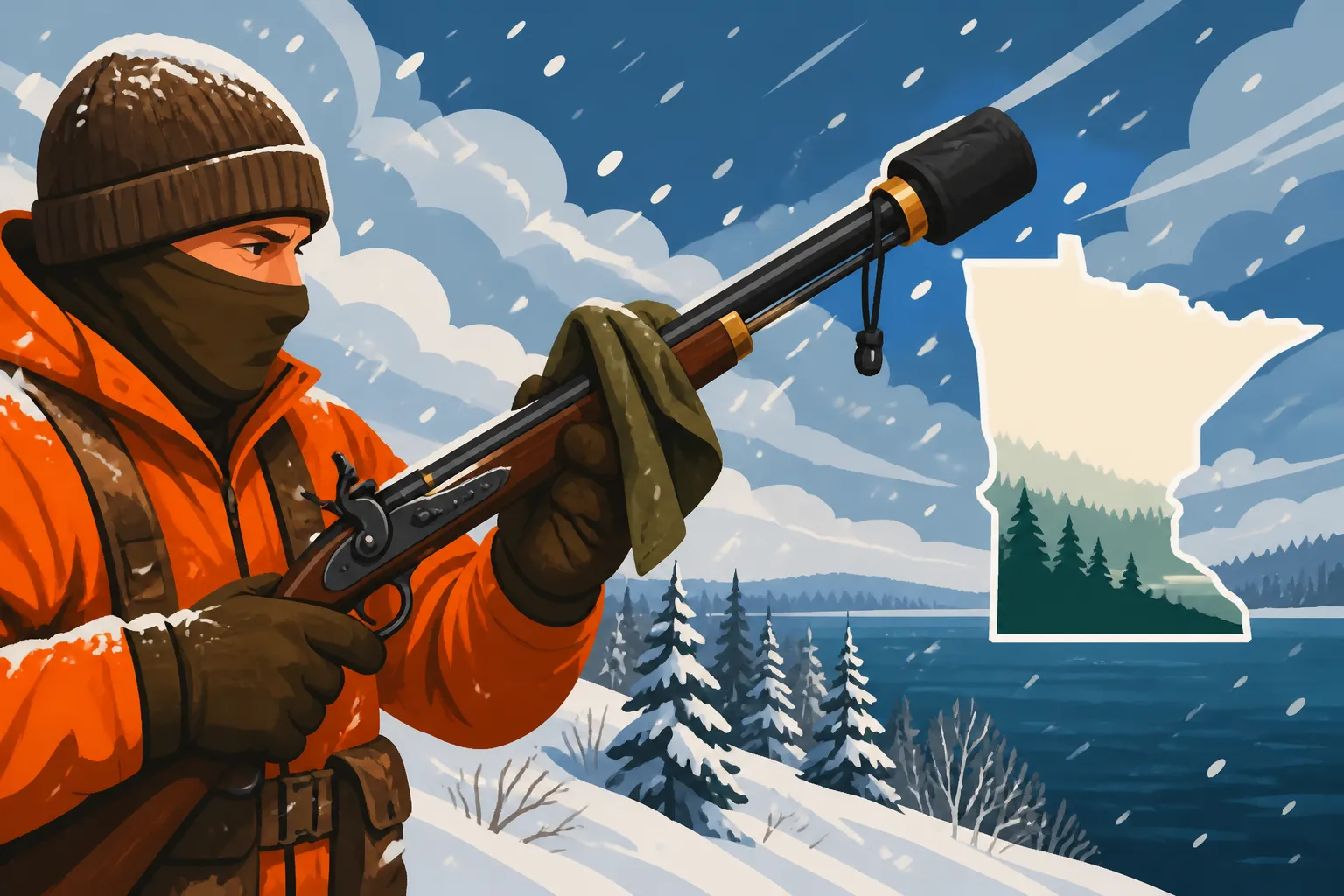
Keeping a Muzzleloader Dry in Lake-Effect Snow
Oh, the romantic idea of a late-season muzzleloader hunt in Minnesota! It’s all frosty breath, pristine snow, and the anticipation of a big whitetail ghosting through the timber. But let's be real: that picture perfect scene often clashes with the harsh reality of lake-effect snow, which can turn your carefully prepared muzzleloader into a misfire waiting to happen. If you've ever felt that gut-wrenching click instead of a bang when you had your shot, this guide is for you. We're diving deep into the nitty-gritty of keeping your smoke pole dry and reliable when Mother Nature throws everything she's got at you.
Understanding Lake-Effect Snow and its Impact on Muzzleloaders
Minnesota is a land of 10,000 lakes, and while not all of them produce significant lake-effect snow, the big ones certainly do. Think about the areas around Lake Superior, particularly the Arrowhead region, or even certain spots near Lake of the Woods. These aren't just your typical gentle snowfalls; we're talking about heavy, wet, relentless snow that seems to stick to everything, often driven by brutal winds. This kind of precipitation is a muzzleloader's arch-nemesis, and understanding why is the first step to beating it.
The Unique Challenges of Minnesota's Lake-Effect Zones
When you’re hunting the North Shore of Lake Superior, or even venturing into parts of northern St. Louis County or Cook County, the weather systems are a different beast entirely. Unlike a dry, fluffy snow that might blow off your gear, lake-effect snow is often dense and moisture-laden. It coats exposed surfaces, melts slightly from body heat or residual warmth from a previous shot, and then refreezes, creating a glaze. This cycle of wet, cold, and freezing can happen repeatedly throughout a single hunting day, especially if you're exposed to gusts off the big water. The air itself feels heavy with moisture, seeping into every crevice. If you’re not prepared, it’s a constant battle against rust, fouled powder, and a dead primer. It's not just about getting wet; it's about persistent, insidious dampness that just won't quit. Imagine sitting in a stand for hours, snow building up on your rifle, slowly wicking its way into critical components. It’s a disheartening situation that can easily lead to a missed opportunity or, worse, a dangerous hangfire.
Why Moisture is the Muzzleloader's Worst Enemy
A muzzleloader is, at its heart, a simple machine, but its ignition system is incredibly sensitive to moisture. The entire process relies on a chain reaction: the primer or percussion cap igniting, which then sends a spark or flame through the flash channel to the main powder charge, which then propels the bullet. Any interruption in this chain, especially at the ignition point, spells trouble.
Water, even in tiny amounts, can completely foul a percussion cap or 209 primer. These components are designed to be relatively sealed, but prolonged exposure to wet snow and high humidity will inevitably find a way in. Once damp, the priming compound inside simply won't ignite. You'll hear a "click" and nothing more. This isn't just frustrating; it's a safety concern. A hangfire, where the primer eventually ignites the powder after a significant delay, is a real risk. Furthermore, moisture can migrate down the flash channel and begin to dampen the main powder charge itself. Black powder and its substitutes are hygroscopic, meaning they readily absorb moisture from the air. Even if the primer fires, a damp powder charge won't fully ignite or burn efficiently, leading to a squib load (where the bullet doesn't leave the barrel) or a weak shot. Rust is another silent killer. Exposed metal parts, especially those without proper oiling, will quickly begin to corrode in the constant dampness, potentially seizing up mechanisms or damaging the bore. This is why proper preparation and vigilance are absolutely critical when you're hunting in areas prone to that brutal lake-effect snow.
Essential Gear and Preparations to Combat Moisture
Preparing your muzzleloader for a Minnesota late-season hunt, especially in lake-effect snow, isn't just about grabbing a rain jacket. It's about a systematic approach to protecting every vulnerable part of your rifle. This requires specific gear and meticulous attention to detail long before you ever step foot in the woods.
Protecting the Firing System
The absolute heart of your muzzleloader's reliability is its ignition system. If the primer or percussion cap fails, nothing else matters. This is where you need to be especially diligent. For those using traditional percussion caps, a simple piece of electrical tape wrapped around the cap and nipple can work wonders. Make sure it's snug but not so tight that it interferes with the hammer strike. Some hunters swear by a small piece of inner tube rubber or even a finger cot slipped over the cap.
For inline muzzleloaders that use 209 primers, the challenges are slightly different. While 209s are generally more robust, they are not impervious. Many modern inline muzzleloaders come with a "primer holder" or "breech plug" design that offers some weather resistance, but don't assume it's completely sealed. After seating your primer, a small dab of clear nail polish or even silicone sealant around the edges where the primer meets the breech can add an extra layer of protection. Just make sure whatever you use is easy to remove for reloading and doesn't interfere with the firing pin. Always carry your spare primers in a waterproof container, like a small, hard-sided plastic box or a waterproof match case. Never just toss them loosely into a pouch where they can get wet or contaminated. Think of it as a critical piece of your Muzzleloader Tactics in December Cold.
Barrel and Muzzle Protection Strategies
The bore of your muzzleloader is another critical area. While snow falling directly into the muzzle seems obvious, what's often overlooked is the condensation that can form inside a cold barrel, or how melting snow can wick in from the muzzle. The classic solution, and still one of the best, is a small piece of electrical tape or a condom stretched over the muzzle. This prevents snow, rain, and debris from entering the bore. Don't worry about it affecting accuracy or causing a dangerous obstruction; the force of the expanding gases will simply blow it away without issue. Some companies, like GoHunt, offer specialized muzzle covers designed for quick, quiet removal, or even "bore patches" that are meant to be shot through. These can be convenient, but a simple piece of high-quality electrical tape does the job reliably.
When it comes to the breech plug, ensure it’s properly greased and tightened before you even leave home. This creates a barrier against moisture getting into the powder charge from the rear. Many hunters also carry a small, zippered, waterproof case for their muzzleloader when walking in or out, only removing it when they are settled in their stand. This minimizes the time the rifle is directly exposed to the elements during travel. During a long sit, consider a waterproof rifle cover that can be quickly removed for a shot. Even a simple plastic garbage bag can work in a pinch, just be sure to secure it so it doesn't flap in the wind. This foresight is crucial to keep you effective during Muzzleloader Deer Hunting in Minnesota.
Stock and Optics Preservation
While the stock of your muzzleloader might seem less critical than the barrel or ignition, it still deserves attention. Wooden stocks, especially older ones, can absorb moisture, leading to warping or cracking. Modern synthetic stocks are much less prone to this but can still get slippery when wet and cold. A good coat of paste wax on a wooden stock can provide a protective barrier. For either material, a non-slip grip tape can be a wise addition, especially around the forend and pistol grip, giving you a surer hold with cold, gloved hands.
Your optics are another vulnerable point. A fogged scope or a scope filled with melting snow can completely ruin a shot. Always use scope caps, and consider a light, waterproof scope cover that can be quickly flipped open. Treat your lenses with an anti-fog solution before you head out, and avoid breathing directly onto the lenses when it's cold. Binoculars, too, need protection. A good binocular harness with a built-in cover, such as those from GoHunt or similar brands, keeps your glass close, protected, and dry. When not actively scanning, keep your binoculars tucked away under your jacket or in a waterproof pouch. Remember, clear vision is paramount, especially when you're hunting in low-light conditions often associated with Hunting Deer in Deep Northern Minnesota Snow.
Field Tactics for Staying Dry While Hunting
Even with the best pre-hunt preparations, the field is where your strategies truly get tested against the relentless reality of lake-effect snow. It’s not enough to simply protect your muzzleloader; you need to actively manage its exposure and maintain its readiness throughout your hunt.
Carrying and Positioning Your Muzzleloader in the Field
How you carry your muzzleloader to and from your stand, and how you position it while hunting, makes a huge difference. When trekking through deep snow and brush, you don't want your muzzleloader acting like a snow shovel or getting soaked. If you're using a sling, try to carry the rifle muzzle-down if possible, or at least keep the muzzle covered as previously discussed. Some hunters prefer to carry their rifle "military style" across their back, with the muzzle pointed down, using a high-quality, padded sling that distributes the weight comfortably. This keeps the action tucked under your armpit and away from direct snow accumulation.
Once you’re in your stand or ground blind, don't just lean your muzzleloader against a tree where it's exposed to the full brunt of the falling snow. Position it strategically. In a treestand, try to hang it vertically, muzzle down, in an area protected by the tree's trunk or a thick branch, and ideally under a small umbrella or a piece of tarp you've rigged up. In a ground blind, keep it in a corner or under a fold of the blind material. The goal is to minimize direct snow and wind exposure. If you're still-hunting, keep that muzzle taped and try to carry the rifle in a way that minimizes snow accumulation on the action and sights. Every little bit of protection adds up to ensure your Muzzleloader Tactics in December Cold pay off.
Safe Reloading in Inclement Weather
Let's face it: reloading a muzzleloader in perfect conditions can be a little fiddly. Doing it in a snowstorm with numb fingers is a whole different ballgame. The key is preparation and practice. Have your speed loaders or powder vials pre-measured and waterproofed. Many hunters use small plastic tubes with caps, often called "speed loaders," which hold a single powder charge and bullet. Keep these in an easily accessible, dry pocket. For your primers, keep them in that waterproof container mentioned earlier.
If you have to reload in heavy snow, try to find some shelter—even if it's just the lee side of a thick pine tree. If you're in a stand, try to do it under your makeshift shelter. Your priority is to keep the powder and primer dry during the transfer. When pouring powder, be quick and precise. Some hunters even carry a small, portable funnel to guide the powder into the bore without spilling or exposing it unnecessarily. For seating the bullet, ensure your ramrod is clean and free of snow. After you've loaded, re-tape the muzzle immediately and re-cover your primer/percussion cap if necessary. Don't rush this process; a clean, dry reload is far more important than a fast one.
Post-Hunt Care and Storage in Camp
The battle against moisture doesn't end when the hunt does. Back at camp, immediate and thorough care is crucial, especially if your muzzleloader got wet. As soon as you're out of the snow, take off any external covers and wipe down the exterior of your rifle with a dry rag. Pay close attention to all metal surfaces. If possible, get it into a warm, dry environment as soon as you can. A cabin with a wood stove or a heated garage is ideal.
The very first thing you should do is remove the breech plug and visually inspect the powder charge. If it's wet or damp, remove it carefully and dispose of it safely. Never try to dry damp powder and reuse it. Once the powder is out, run a dry patch or two down the bore to absorb any internal moisture. Then, clean your muzzleloader thoroughly, just as you normally would, ensuring all black powder residue (which is corrosive) is removed. Pay extra attention to the flash channel and primer pocket. Once clean, lightly oil all metal surfaces, especially inside the bore and on external components. Store it in a breathable gun sock or case; avoid airtight cases immediately after a wet hunt, as they can trap residual moisture and encourage rust. This diligent aftercare protects your investment and ensures it's ready for your next hunt, whether it's Hunting the Minnesota Rut in Early November or tackling the late-season elements.
Common Mistakes and How to Avoid Them
Even experienced muzzleloader hunters can make mistakes when facing the specific challenges of lake-effect snow. A little oversight can have big consequences when the weather turns nasty. Learning from these common pitfalls can save you a lot of grief and ensure your hunt is successful.
Overlooking Small Details
It's easy to focus on the big things, like having the right powder and bullet, but the little details are often what get overlooked and lead to trouble in wet, snowy conditions. For instance, many hunters forget about the small nooks and crannies where moisture can hide. Check the screws, the sights, and any small gaps where the stock meets the action. Water can wick into these areas and freeze, potentially causing issues or rust. Another common oversight is not sealing the primer adequately. A simple piece of tape might seem foolproof, but if it's not applied tightly or comes loose due to handling or brush, it's effectively useless.
Also, don't forget about your ramrod. A dirty or wet ramrod can introduce moisture or debris into the bore during loading. Always keep it clean and dry, perhaps even running a thin coat of oil on it to prevent rust. Your optics, too, often fall victim to small oversights. Failing to regularly clean and apply anti-fog treatment to your scope and binocular lenses means you'll be fighting frustrating fogging issues all day, preventing you from seeing that trophy buck. Even your hands can introduce moisture. Wearing waterproof gloves, even just thin liners under your main gloves, can prevent moisture from your skin getting onto primers or other sensitive parts of your rifle. GoHunt, among other outdoor retailers, offers a variety of specialized gloves and accessories designed for cold and wet conditions that can make a real difference.
Relying Solely on "Waterproof" Claims
Many products are marketed as "waterproof" or "weather-resistant," and while these claims hold true for many situations, lake-effect snow is a different beast. It's not just rain; it's driving, heavy, often melting snow that has a way of finding any weak spot. For example, a "waterproof" gun case might be great for protecting your rifle during a sudden downpour, but if it's left open in heavy, wind-driven snow, the interior can still get packed with moisture. Similarly, some muzzleloader designs claim superior weather sealing, but don't take that as an invitation to be careless. Always assume that moisture can and will find a way in if you don't take active precautions.
This means double-checking everything. Don't just trust that your primers are dry because they're in a factory package; put them in an additional sealed container. Don't assume your breech plug is perfectly sealed; apply extra grease or thread sealant. Think of "waterproof" as a baseline, not an ultimate solution. Your own proactive measures—taping the muzzle, covering the action, using a rifle sleeve, keeping spare primers bone dry—are your true lines of defense. The extreme conditions of a late-season Minnesota hunt demand an abundance of caution, particularly when you consider the intricate process of Keeping Powder Dry in Wet Snow.
Summary of Muzzleloader Moisture Protection
| Component | Primary Threat | Recommended Protection | Field Tactic | Post-Hunt Care |
|---|---|---|---|---|
| Percussion Cap/Primer | Direct moisture, condensation | Electrical tape, finger cot, nail polish seal | Store spares in waterproof case, quick application | Inspect, replace if needed, clean flash channel |
| Muzzle | Snow/debris entry, condensation | Electrical tape, condom, dedicated muzzle cover | Keep covered until shot, re-cover immediately | Dry bore, light oil |
| Barrel (exterior) | Rust, ice buildup | Silicone spray, protective wax | Wipe down frequently, use full rifle cover | Thorough cleaning, light oil |
| Action/Breech Plug | Moisture to powder, rust | Grease on threads, dedicated action cover | Minimize exposure, ensure tight seal | Remove, clean, regrease breech plug; inspect powder |
| Stock | Water absorption, slipping | Paste wax (wood), grip tape (all) | Keep clear of snow, wipe dry | Dry thoroughly, re-wax/treat if wood |
| Optics (Scope/Binos) | Fogging, snow accumulation | Scope caps, anti-fog treatment, dedicated covers | Keep covers on, avoid breathing on lenses | Dry, clean lenses, re-apply anti-fog |
| Powder | Moisture absorption | Waterproof speed loaders, sealed vials | Load quickly, under shelter | Remove damp powder, do not reuse, clean bore |
Disclaimer
The information provided in this article is for general guidance and informational purposes only. Hunting regulations, safety standards, and environmental conditions can change. Always consult the most current Minnesota Department of Natural Resources (DNR) regulations and local weather forecasts before heading into the field. Safe hunting practices, including proper firearm handling and adherence to all laws, are solely the responsibility of the hunter. This content is not a substitute for formal hunter education or professional advice.