Hunting After a Poor Acorn Year
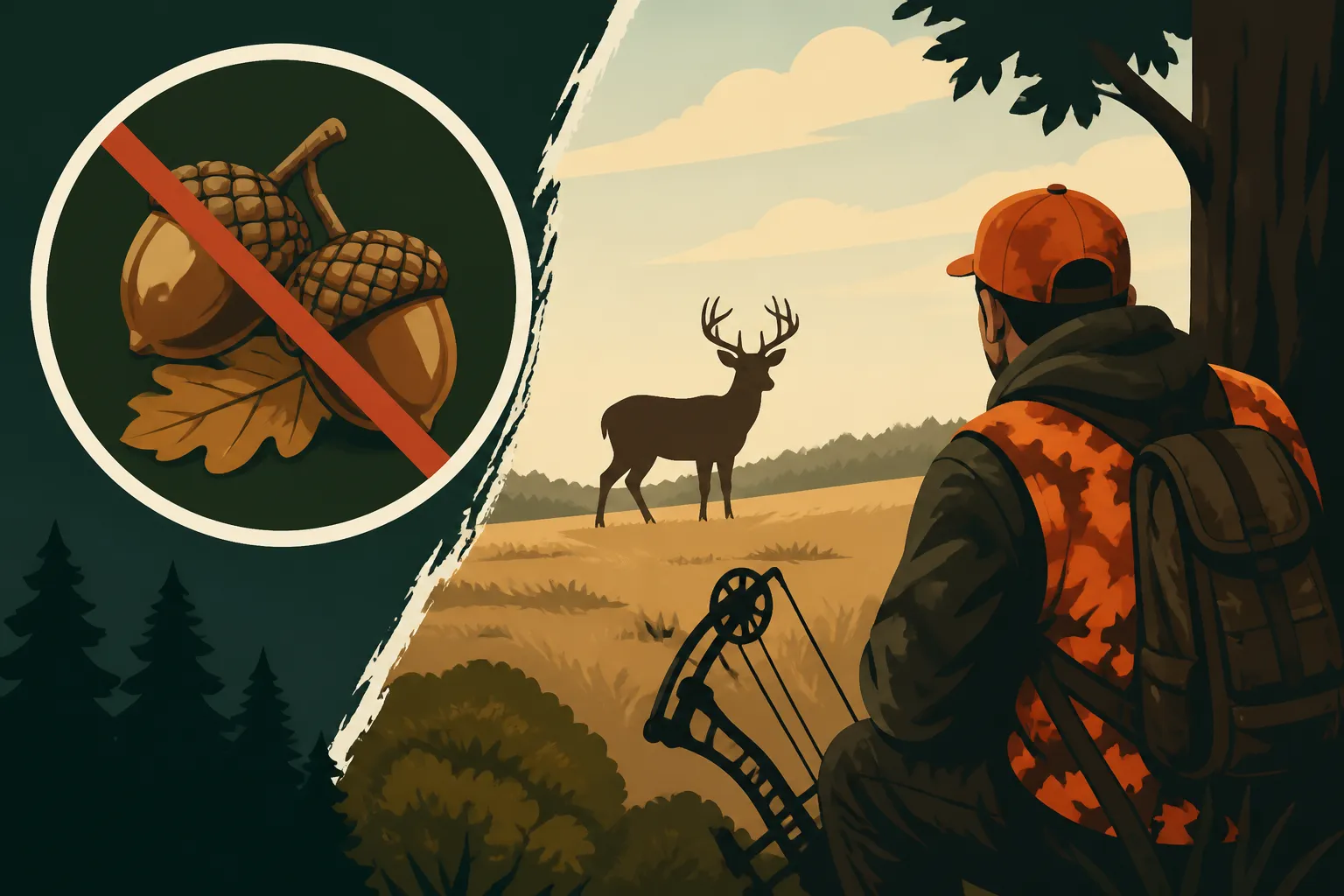
It's incredibly frustrating, isn't it? You spend all summer scouting, maybe hanging a stand near a prime oak flat, only for the acorns to just… not show up. Or worse, they drop early and get hoovered up, leaving the woods feeling barren come hunting season. When the natural buffet of acorns disappears, deer patterns can seemingly vanish overnight, leaving you wondering where all the whitetails went. This guide will walk you through exactly what happens when Minnesota experiences a poor acorn year and, more importantly, how you can adapt your hunting strategy to find those elusive deer.
Understanding the Impact of a Poor Acorn Year on Deer
A healthy acorn crop is like gold for Minnesota's deer herd. These nutrient-dense morsels provide a crucial energy source, especially as deer bulk up for the long, cold winter ahead and prepare for the demands of the rut. When that prime food source isn't available, it sends a ripple effect through their entire ecosystem and, by extension, our hunting plans.
Why Acorns are So Important for Deer
Acorns, particularly from red oaks and white oaks common in Minnesota, are a powerhouse of carbohydrates, fats, and protein. They're palatable, easy to digest, and widely available when the crop is good. For a deer, finding a consistent stand of dropping acorns means less energy expended foraging for browse and other less nutritious options. It allows them to pack on essential fat reserves, which are vital for surviving tough winters, recovering from the stress of the rut, and for does, supporting gestation and lactation. A robust acorn crop can literally dictate the health and resilience of the local deer population for the entire year. Without it, they're forced to work harder for less, which impacts their overall condition.
Immediate Behavioral Changes
When the acorns aren't falling, or are gone quickly, the most immediate change you'll notice as a hunter is a shift in deer movement. Those oak ridges and bottoms that were buzzing with activity during a good mast year suddenly feel like ghost towns. Deer simply won't spend time where there's no food. Instead, they'll expand their home ranges, often traveling further and more frequently in search of alternative sustenance. This increased travel isn't necessarily a bad thing for hunters, but it means their patterns become far less predictable around traditional oak stands. You might see deer moving through areas you wouldn't expect, traveling between bedding and more distant, newly important food sources. This can make them seem to disappear entirely from your usual hunting grounds.
Long-Term Consequences for the Herd
The lack of a preferred, high-energy food like acorns can have significant long-term consequences for the deer herd. If other food sources don't adequately compensate, deer can enter winter in poorer physical condition. This makes them more susceptible to disease, predation, and the harsh realities of a Minnesota winter, especially in the northern reaches where heavy snow can further limit access to food. For bucks, a poor nutritional year can impact antler growth in subsequent seasons. For does, it might lead to lower fawn survival rates or fewer fawns overall. While one bad year isn't catastrophic, a string of poor mast years, combined with severe winters, can certainly put a dent in local deer numbers and overall herd health.
Shifting Deer Food Sources and Patterns
When acorns are out of the picture, deer don't just sit around and starve. They're incredibly adaptable creatures, and their survival instinct drives them to seek out whatever alternative food sources are available. As a hunter, understanding these shifts is paramount to finding success.
Alternative Hard Mast and Soft Mast
While oaks are often the headliner, they're not the only mast producers in Minnesota. Deer will readily turn to other hard mast, such as hickory nuts, though these are less prevalent than oaks. More commonly, they'll forage for soft mast, like wild apples, plums, and the berries from dogwood, wild grape, or even chokecherry bushes. These soft mast sources are usually consumed earlier in the fall, but any lingering fruit can be a magnet. In areas of Minnesota with a mix of timber, you might find deer congregating around old apple orchards on abandoned homesteads or thickets of wild plums. These spots become unexpected hotbeds of activity when the preferred acorns aren't an option.
Agricultural Fields Become Magnets
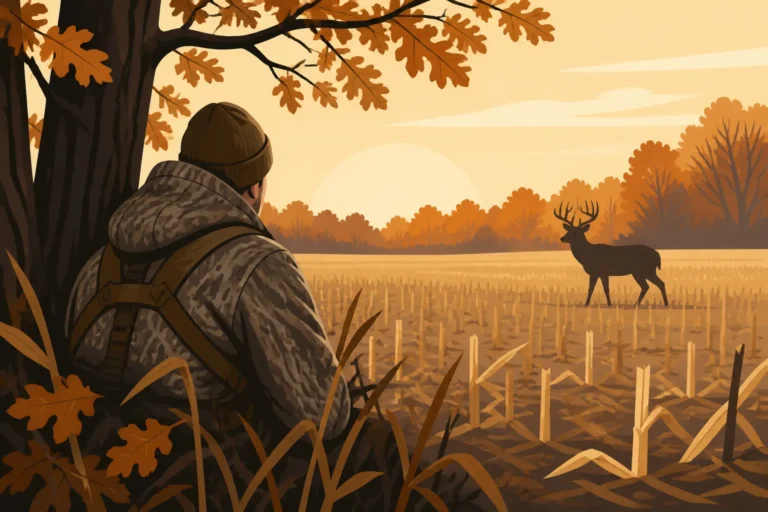
In Minnesota's farm country, particularly in the southern and western regions, agricultural fields become absolute magnets for deer when acorns are scarce. Corn and soybean fields are especially attractive. Deer will pack into standing corn, both for food and cover, and meticulously pick through cut fields for any missed kernels or beans. Alfalfa and other forage crops also provide a rich, green meal. If you're hunting near these agricultural areas, a poor acorn year means you should shift your focus dramatically from the timber to the field edges and travel corridors leading into and out of them. Hunting a Standing Cornfield in Farm Country becomes a critical strategy. These fields offer a huge caloric reward, and deer will often travel considerable distances to access them, making their movement more predictable along specific trails or funnels.
Browse and Forbs Take Center Stage
In the vast northern Minnesota woods, where agricultural fields are fewer and farther between, deer rely heavily on browse and forbs. Browse refers to the twigs, shoots, and leaves of woody plants, while forbs are broad-leafed herbaceous plants. When acorns are absent, deer will ramp up their consumption of tender new growth from maples, aspens, dogwoods, and even balsam fir in a pinch. Areas that have been recently logged or clear-cut become especially important, as they offer an abundance of regenerating growth. Similarly, lush pockets of clover or other herbaceous plants in forest openings or along logging roads will see increased activity. For hunters in these areas, understanding Where Big Woods Bucks Bed in Minnesota often means understanding what browse they are hitting, and setting up along the travel routes between those browse patches and dense cover. Deer drives on Minnesota Public Land might also push deer out of these dense bedding areas, forcing them to reveal their travel routes.
Adapting Your Hunting Strategy for No Acorns
Facing a poor acorn year can feel like starting from scratch, but it's really an opportunity to fine-tune your woodsman skills and embrace a more dynamic approach. The deer are still there; they're just not where you expected them to be.
Focusing on Secondary Food Sources
Your first and most crucial adjustment needs to be shifting your focus entirely to these alternative food sources. This means scouting new areas that you might have previously overlooked during a good mast year. Instead of just checking under oak trees, you should be looking for old apple trees, clusters of wild grapes, dogwood thickets, or recently cut timber plots showing signs of heavy browsing.
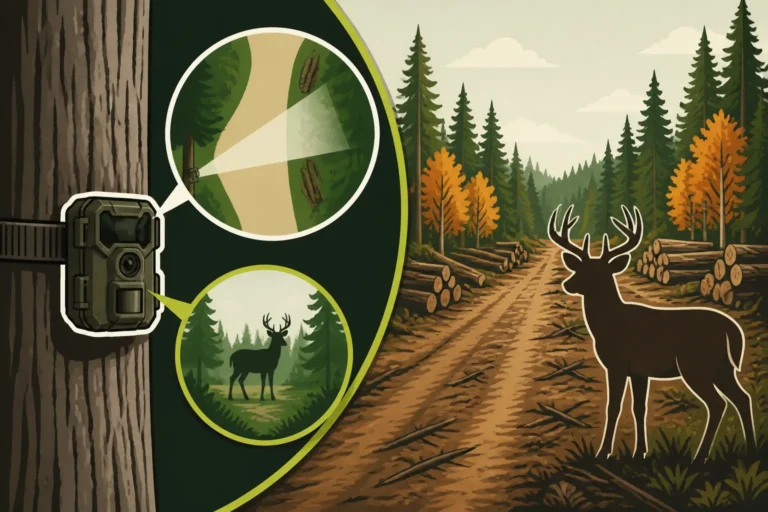
Use trail cameras to identify active feeding areas. Place them strategically around the edges of agricultural fields, along logging roads that border browse-heavy clear-cuts, or near any soft mast trees you can find. The intel from these cameras will be gold, telling you not just what deer are eating, but when they're accessing these alternative buffets. A good mapping app like GoHunt can help you identify these potential new hotspots by showing different timber types, old farmsteads, and clear-cuts. Don't be afraid to put boots on the ground in these new zones and look for fresh tracks and droppings.
Hunting Transition Areas and Cover
With deer traveling more to access these scattered food sources, transition areas become incredibly important. These are the natural funnels, pinch points, and corridors that deer use to move between bedding areas and food. Think about creek bottoms, saddles between ridges, narrow strips of timber connecting larger blocks, or even thick fencerows in farm country. Deer will often stick to the densest cover they can find during daylight hours, only venturing out into more open feeding areas under the cover of darkness. This means your best bet for a daylight encounter might be to set up closer to their bedding areas or along heavily used travel routes in thick cover, rather than directly over the food source itself. For instance, if deer are hitting a distant cornfield, find the thickest line of woods or a cattail slough they have to cross to get there, and position yourself accordingly. Setting Up on a Clear-Cut Edge where deer are browsing before heading to bed can also be very effective.
Public Land Versus Private Land Implications
The impact of a poor acorn year can feel different depending on whether you're hunting public or private land. On public land, where pressure is often higher, the deer that are still present will become even more reclusive. They'll likely move more at night and stick to the thickest, most overlooked pockets of cover during the day. This requires more intensive scouting to find those hidden feeding or bedding areas that other hunters might bypass. Finding Ground Others Walk Past can become a key strategy. The competition for prime alternative food sources on public land will also be higher, meaning you might need to hunt harder and more aggressively to intercept deer.
On private land, especially larger tracts with diverse habitat and agricultural components, you might have an advantage. If you have permission to hunt diverse areas, you can more easily shift your focus from timber to fields without worrying about other hunters. Landowners often have excellent local knowledge about where deer typically go when the acorn crop fails, making Asking a Minnesota Farmer for Permission an invaluable resource. This might also be the time to consider a trail camera subscription from GoHunt that provides insights into general deer movement trends in different habitat types, helping you pinpoint high-traffic areas even without a direct acorn drop.
Scouting and Locating Deer Without Acorns
Without the obvious draw of acorns, scouting becomes an even more critical, year-round endeavor. It's about becoming a detective, reading the landscape for subtle clues, and being ready to adapt your strategy on the fly.
Pre-Season and Early Season Scouting
Your pre-season scouting efforts need to shift dramatically. Instead of just checking your favorite oak flats, you need to broaden your search to include potential alternative food sources. Use aerial photos and mapping tools, like the ones offered through GoHunt, to identify areas with different timber types – specifically looking for those soft mast trees, old apple orchards, or dense browse thickets near recent clear-cuts. Identifying areas that provide diverse food options can be done easily with the right map layers. Spend time walking these areas, looking for deer sign such as fresh tracks, droppings, rubs, and scrapes, particularly near these new potential food sources. This is your chance to discover new hotspots before the season even begins. Don't forget that scouting extends beyond finding food; identify potential bedding areas, often dense cover on south-facing slopes, and look for natural funnels or travel corridors that connect them to your newly identified food plots. Checking Your County's Shotgun-Only Ordinance, if you're in one of those areas, is also a good habit while scouting.
In-Season Adjustments and Reading Sign
Deer patterns are rarely static, and a poor acorn year makes them even more fluid. You need to be ready to make in-season adjustments based on what you're observing. Fresh sign is your best friend. Always be looking for fresh tracks, recently browsed saplings, and new droppings. These tell you where deer are now, not where they were a week ago. Pay attention to weather patterns, too. A sudden cold snap might push deer towards high-energy agricultural fields, while a warm spell might keep them in the woods, casually browsing. Learning to read the subtle nuances of deer behavior – how they approach a field, the trails they prefer, the time of day they become active – will be crucial. Remember, the deer are moving more, so finding consistent, fresh sign along a travel route is often more valuable than finding sparse sign at a potential food source.
Utilizing Technology and Local Knowledge
Modern hunting technology can be a huge asset when deer patterns are unpredictable. Beyond satellite imagery and topo maps, GoHunt and other apps often have layers showing public land boundaries, timber types, and even historical harvest data, which can point you towards areas with higher deer densities even in a challenging year. You can use these tools to virtually scout new areas and plan access routes, especially on Scouting Minnesota Public Land Before Season.
However, don't underestimate the power of local knowledge. Chatting with other hunters (if they're willing to share!), landowners, or even DNR personnel can provide invaluable insights into how deer are reacting to the lack of acorns in a specific area. They might have observed deer shifting to an unusual food source or utilizing a specific travel corridor more heavily. Combine this boots-on-the-ground intelligence with your technological tools, and you'll be much better equipped to adapt to the absence of the coveted acorn crop.
Here's a quick comparison of deer behavior in good vs. poor acorn years:
| Factor | Good Acorn Year | Poor Acorn Year |
|---|---|---|
| Primary Food Source | White oak & Red oak acorns | Agricultural crops, soft mast, browse, forbs |
| Deer Congregation | Heavily around oak flats and ridges | Near corn/soybean fields, clear-cuts, old orchards |
| Travel Patterns | Shorter movements, localized around oak stands | Longer travel, more dispersed, connecting new food |
| Daylight Activity | Often more active in oak timber during daylight | More nocturnal, sticking to thick cover during day |
| Hunter Focus | Primarily on oak stands, funnels to them | Field edges, transition zones, dense cover, new browse |
| Herd Health | Generally good, strong fat reserves | Can be poorer, less fat for winter, lower fawn crops |
| Scouting Emphasis | Identifying productive oak trees | Locating alternative food sources, new travel routes |
Ultimately, a poor acorn year in Minnesota isn't a reason to despair; it's a challenge that sharpens your hunting instincts. It forces you to think like a deer, to anticipate their needs, and to get out there and explore new ground. By understanding these shifts and adapting your strategies, you can still have a successful and rewarding season, even when the acorn crop lets you down.
Disclaimer
Hunting is an activity with inherent risks. Always prioritize safety, follow all Minnesota Department of Natural Resources regulations, and obtain appropriate licenses and permits. This guide is for informational purposes only and does not substitute for professional instruction or personal due diligence. Conditions in the field can change rapidly, and hunter safety should always be your top concern.