Where Nontoxic Shot Is Required in Minnesota
It can be incredibly frustrating to head out for a day of hunting, only to second-guess whether the shells in your vest are legal for the specific area or species you're pursuing. Minnesota's diverse landscapes and evolving conservation efforts mean that the rules around nontoxic shot aren't always cut and dry. This guide is here to untangle the confusion, helping you understand precisely where and for what game you absolutely need to be shooting nontoxic ammunition in the Land of 10,000 Lakes.
The Critical Shift to Nontoxic Shot in Minnesota: Understanding the 'Why'
For many years, lead shot was the standard for nearly all hunting. It was affordable, effective, and widely available. However, as our understanding of environmental impacts grew, so did the concerns surrounding lead. The transition to nontoxic shot, especially in waterfowl hunting, wasn't a sudden change but a gradual evolution driven by a crucial conservation goal: protecting wildlife from lead poisoning.
The Environmental Imperative: Protecting Waterfowl and Scavengers
The biggest driver behind nontoxic shot regulations is the health of our waterfowl populations. Ducks, geese, and other wetland birds often feed by dabbling or diving, ingesting grit and small pebbles to help grind food in their gizzards. Unfortunately, lead shot pellets, when scattered across shallow marsh bottoms and agricultural fields, look exactly like these grit particles. When waterfowl ingest lead, it can lead to severe poisoning, causing paralysis, emaciation, and ultimately death. It's a slow, agonizing process that depletes bird populations far beyond what hunters harvest.
Beyond the direct impact on waterfowl, lead shot also poses a significant risk to scavenger species. Eagles, raptors, and various mammals often feed on the carcasses of animals that have been shot with lead, or even find dead waterfowl that succumbed to lead poisoning. When they consume these contaminated remains, they too can suffer from lead poisoning. This ripple effect throughout the ecosystem is a serious concern for conservationists and responsible hunters alike, highlighting why these regulations are so important for the long-term health of Minnesota's wildlife. It's not just about what you shoot, but what you leave behind.
A Look Back: The Phased Implementation
The federal push for nontoxic shot in waterfowl hunting began decades ago, with a nationwide ban on lead shot for migratory waterfowl taking full effect in 1991. Minnesota, like other states, adopted and implemented these federal mandates. This wasn't just a recommendation; it became a hard-and-fast rule, fundamentally changing how waterfowlers approached their sport. Over time, these regulations have sometimes expanded to include other species or specific land designations, demonstrating a continued commitment to minimizing lead exposure in sensitive habitats.
Many hunters initially resisted the change, citing concerns about cost, availability, and ballistic performance of early nontoxic alternatives. And let's be honest, those early steel loads weren't always great, leading to missed birds and frustration. But technology has come a long way, and modern nontoxic loads are incredibly effective. Understanding that these rules stem from decades of research and a genuine desire to protect the very wildlife we cherish helps put the initial frustrations into perspective. It's an investment in the future of hunting itself.
Navigating the Nontoxic Shot Landscape: Where It's a Must
When you're out hunting in Minnesota, knowing exactly where nontoxic shot is required can feel like memorizing a legal textbook. But really, it boils down to two main categories: specific species and specific land designations. Get these two down, and you'll be on the right side of the law and, more importantly, protecting our natural resources.
Migratory Game Birds: The Core Requirement
This is the big one, the foundational rule that most hunters are familiar with. If you're hunting any migratory game birds, you must use nontoxic shot. This isn't just a Minnesota rule; it's a federal mandate that applies nationwide. So, what exactly falls under "migratory game birds" in Minnesota?
- Ducks and Geese: This is the most obvious. Whether you're chasing puddle ducks in a cattail slough or honkers over a cut cornfield, lead shot is absolutely forbidden. This includes all species of ducks and geese – mallards, pintails, teal, wood ducks, Canada geese, snow geese, and so on. If it flies the migration routes and quacks or honks, it requires nontoxic. Minnesota Waterfowl Zones and Seasons lays out the details on when and where you can pursue these birds.
- Coots and Rails: These lesser-pursued birds also fall under the migratory game bird umbrella. If you're jump-shooting coots in a marsh or trying to flush a rail from dense vegetation, your shells need to be nontoxic.
- Snipe and Woodcock: These unique upland birds, often found in wetlands or damp woods, are also migratory. While many hunters traditionally think of them more like grouse or pheasants, their migratory status means nontoxic shot is a must. If you're heading out for a Woodcock Hunting Minnesota Alder Runs adventure, make sure you've got the right shells.
It's crucial to remember that this rule applies wherever you're hunting these species. It doesn't matter if it's private land, public land, or a managed wetland; if you're targeting migratory game birds, you need nontoxic shot.
Specific Public Land Designations
Beyond the species-specific rule, Minnesota has several categories of public lands where nontoxic shot is required for all shotgun hunting, regardless of the species you're pursuing. This is where hunters can sometimes get tripped up, as they might be hunting upland birds or small game in an area that also holds significant waterfowl habitat.
- Waterfowl Production Areas (WPAs): These federally owned lands, managed by the U.S. Fish and Wildlife Service, are primarily acquired and managed for breeding and migrating waterfowl. As such, all hunting with a shotgun on a WPA in Minnesota requires nontoxic shot. This is a big one to remember, as many WPAs are scattered across farm country and might look like great spots for pheasants or rabbits. However, if you're on a WPA, you need to be shooting steel, bismuth, or another approved nontoxic material, even if you're after a rooster pheasant. You can often find WPAs listed on mapping tools like GoHunt, which can help you identify these areas before you even leave home. Minnesota Waterfowl Production Areas delves deeper into these critical habitats.
- National Wildlife Refuges (NWRs): Similar to WPAs, these federal lands are managed for the conservation of all wildlife, with a strong emphasis on migratory birds. While not all portions of every National Wildlife Refuge are open to hunting, any area that is open requires nontoxic shot for shotgun hunting. Always check specific refuge regulations before you go, as rules can vary slightly between refuges. For example, Upper Mississippi Refuge Hunting might have different nuances than a smaller refuge.
- Some State Wildlife Management Areas (WMAs): This is where it gets a little trickier, but it's important to be aware. While most state WMAs generally allow lead shot for upland game or deer (where legal), some specific WMAs in Minnesota have special regulations requiring nontoxic shot for all shotgun hunting. These are typically WMAs that contain significant wetland habitat or are managed intensely for waterfowl. It's absolutely vital to check the specific regulations for the WMA you plan to hunt. A quick check of the Minnesota DNR website or a detailed mapping app can save you a headache. Minnesota Wildlife Management Areas are often great places to hunt, but always confirm the rules.
Table: Minnesota Nontoxic Shot Requirements at a Glance
To help simplify things, here's a quick reference table for Minnesota hunters:
| Scenario / Species | Location Type | Shot Type Required | Notes |
|---|---|---|---|
| Hunting Ducks, Geese, Coots, Rails, Snipe, Woodcock | Any hunting area (public/private) | Nontoxic | Federal mandate for all migratory game birds. |
| Hunting Pheasants, Grouse, Rabbits, Squirrels | Waterfowl Production Areas (WPAs) | Nontoxic | All shotgun hunting on WPAs requires nontoxic shot, regardless of species. |
| Hunting Pheasants, Grouse, Rabbits, Squirrels | National Wildlife Refuges (NWRs) | Nontoxic | All shotgun hunting on open portions of NWRs requires nontoxic shot, regardless of species. Check specific refuge rules. |
| Hunting Pheasants, Grouse, Rabbits, Squirrels | Specific State WMAs (check rules) | Nontoxic | Some WMAs with significant wetland habitat have special nontoxic shot rules for all shotgun hunting. Always verify for your WMA. |
| Hunting Pheasants, Grouse, Rabbits, Squirrels | General Public Land (State Forests, most WMAs) | Lead (usually) | Lead shot is generally permissible for these species on most state lands unless it's a designated nontoxic-only area. |
| Hunting Deer | Statewide | Lead (usually) | Lead slugs or bullets are standard. Straight-wall rifle cartridges are now legal statewide, but no nontoxic requirement for deer. |
Beyond Waterfowl: Nontoxic Requirements for Other Species and Specific Locations
While waterfowl are the primary focus of nontoxic shot regulations, it's a mistake to think that's the only place you'll encounter these rules. Minnesota's conservation efforts extend to ensuring lead doesn't contaminate habitats even when other game animals are the target. This means understanding the nuances of certain land types and even the unexpected places these rules can crop up.
Upland Hunting in Wetland-Rich Areas
This is perhaps the trickiest gray area for many hunters. Imagine you're out chasing pheasants on a crisp fall day. You're walking a beautiful field edge, maybe some standing corn, next to a large cattail slough. You might instinctively reach for your usual lead pheasant loads. However, if that field edge or the slough itself falls within a designated WPA or a specific National Wildlife Refuge, your lead shot is suddenly illegal, even if you're not actively targeting ducks.
The intent behind this is to prevent lead deposition in and around sensitive wetland environments. While you might be hunting upland birds, pellets from your shotgun can still scatter into the adjacent water or wetland soils, becoming available for ingestion by waterfowl or other wildlife. This is why tools like GoHunt are so valuable; they can layer public land boundaries over aerial imagery, showing you exactly where those WPAs or refuge lines are, even if the terrain doesn't scream "waterfowl hunting." Always err on the side of caution or, better yet, plan to carry nontoxic loads if there's any doubt about the land designation, especially if water is involved.
Special Hunts and Managed Areas
Occasionally, special hunts or intensively managed areas might have unique nontoxic shot requirements. These could be specific deer hunts in urban areas, youth hunts on certain refuges, or even dove hunts on particular wildlife management areas. These regulations are typically put in place to address very localized concerns, whether it's minimizing lead accumulation in a high-use area or protecting a particularly sensitive local ecosystem.
Always, and I mean always, read the specific hunt regulations and any supplemental materials for special opportunities. Don't assume. The general rules are a great starting point, but these specific instances can catch even seasoned hunters off guard. Ignoring these details could lead to citations, or worse, inadvertently harming wildlife.
The Role of Hunter Conscience
Beyond the letter of the law, many hunters are choosing to use nontoxic shot voluntarily, even where it's not legally mandated. This is particularly true for upland bird hunting, such as grouse or pheasants, especially if they hunt with dogs. The concern here is that a dog might ingest lead pellets while retrieving a bird or simply sniffing around shot-up areas. Furthermore, some hunters feel a moral obligation to minimize their environmental footprint, believing that all lead deposition eventually has a negative impact.
While Minnesota hasn't moved to a statewide lead ban for all hunting, the conversation continues. Understanding the regulations is one thing, but making informed choices as a responsible conservationist is another. Considering options like steel, bismuth, or tungsten for all your shotgun hunting can be a personal choice that aligns with broader conservation ethics, ensuring a healthier environment for all of Minnesota's wildlife.
Making the Switch: Understanding Nontoxic Shot Options and Practical Tips
The move to nontoxic shot might feel like a hassle, but modern ammunition technology has given us some truly excellent alternatives to lead. Gone are the days when steel was your only viable option and its performance often left something to be desired. Today, hunters have a spectrum of choices, each with its own advantages and disadvantages.
Exploring Nontoxic Materials: Steel, Bismuth, and Tungsten
When you walk into a sporting goods store today, you'll see more than just steel shot on the shelves. Manufacturers have innovated, providing hunters with several excellent choices:
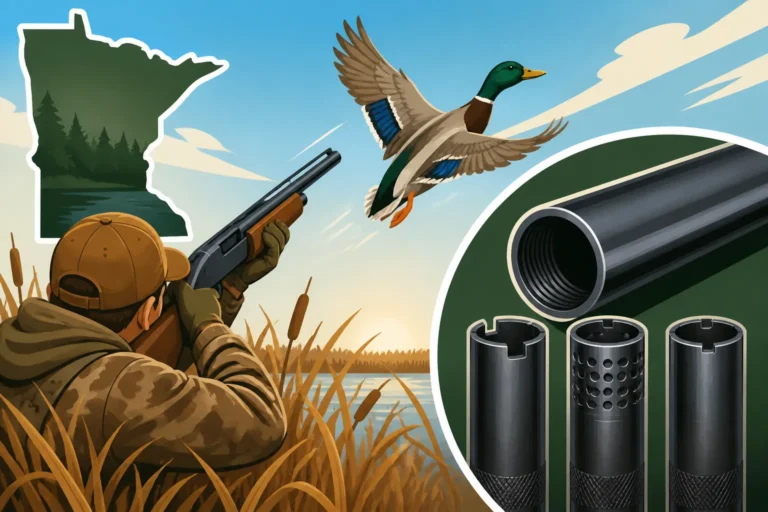
- Steel Shot: This is still the most common and generally the most affordable nontoxic option. Modern steel loads are vastly superior to their predecessors. They typically have higher velocities than lead, but steel is lighter than lead, so you need to go up a shot size or two to get comparable energy and penetration on target. For example, if you shot #4 lead for ducks, you might consider #2 or #1 steel. Steel is hard, so it's critical to use shotguns with barrels and chokes designed for steel to avoid damage. Most modern shotguns are rated for steel, but always check your manufacturer's recommendations.
- Bismuth Shot: This alloy is closer to lead in density, meaning it hits harder and retains energy better than steel at longer ranges. It also performs more like lead ballistically, often allowing you to use the same shot sizes you would with lead. Bismuth is softer than steel, making it safe for older shotguns and fixed chokes that might not handle steel. The trade-off? It's typically more expensive than steel, but many hunters find the performance worth the investment, especially for more challenging shots on larger birds like Diver Ducks on Mille Lacs.
- Tungsten-Based Alloys (e.g., Tungsten Super Shot – TSS): These are the kings of nontoxic shot in terms of density and performance. Tungsten is significantly denser than lead, delivering incredible energy transfer and penetration, even with very small shot sizes. This means you can often drop down several shot sizes (e.g., #9 TSS for turkeys where you'd use #5 lead), dramatically increasing pellet count for tighter patterns. Tungsten-based loads are also extremely hard, requiring specific chokes and barrels. They come with a premium price tag, making them a specialized choice for demanding situations like long-range goose hunting or turkey hunting. However, for those who value maximum performance, they are unparalleled.
Knowing the differences helps you pick the right load for your specific hunting scenario and budget. For example, if you're hunting ducks in the Mississippi River Backwaters where shots are often close, steel might be perfectly adequate. If you're targeting big geese over decoys or want maximum range, bismuth or tungsten might be worth the extra cost.
Practical Tips for a Smooth Transition
Making the switch to nontoxic shot doesn't have to be a painful process. A few practical tips can help ensure you're ready for the field:
- Pattern Your Shotgun: This is perhaps the most important tip. Nontoxic loads, especially steel, often pattern differently than lead. Your favorite choke with lead might not be ideal with steel. Spend time at the range with different chokes and various nontoxic loads to see what combination gives you the best, most consistent patterns at typical hunting distances. This is especially true if you are Hunting Mille Lacs and Big-Water Divers where shots can sometimes be longer.
- Adjust Your Shot Size: As mentioned, steel is lighter than lead. Don't be afraid to go up one or two shot sizes for steel to achieve similar knockdown power. If you're using bismuth or tungsten, you can often stick to similar lead shot sizes, or even go down a size with tungsten.
- Mind Your Chokes: Always ensure your shotgun and chokes are rated for the nontoxic material you're using. While modern shotguns are generally steel-safe, some older guns or tighter chokes might not be. Bismuth is generally safe for all chokes, while tungsten's extreme hardness requires specific "TSS-rated" or "heavy nontoxic" chokes.
- Buy Ahead of Time: Nontoxic ammunition, especially specialized loads like bismuth or tungsten, can sometimes be harder to find or more expensive during peak hunting season. Plan ahead and stock up before the season rush.
- Stay Informed: Regulations can change, and new products are always hitting the market. Keep an eye on the Minnesota DNR website and hunting publications for updates on rules or new ammunition technologies. Being a responsible hunter means being an informed hunter.
Embracing nontoxic shot isn't just about compliance; it's about being a better conservationist and ensuring that Minnesota's abundant wildlife continues to thrive for generations of hunters to come.
Disclaimer
This article is for general informational purposes only and does not constitute professional advice. Laws, prices and regulations vary by location and change over time. Consult a qualified professional for guidance on your specific situation.