Minnesota Muzzleloader Season Tactics
Hunting during Minnesota's muzzleloader season can feel like a whole different ballgame. The crisp air, the quiet blanket of snow, and the bare woods offer a unique challenge and a peaceful solitude that firearm or archery seasons often lack. But let's be honest, it also brings its own frustrations – bone-chilling cold, finicky black powder, and deer that have already seen a season's worth of pressure. This guide is all about equipping you with the tactics and know-how to turn those late-season challenges into success stories, making your Minnesota muzzleloader hunt truly memorable.
Embracing the Minnesota Muzzleloader Season
The muzzleloader season in Minnesota is a special time, often extending into the bitter cold of December after the main firearm seasons have wrapped up. This means you're hunting in conditions that test both your resolve and your equipment, but it also means a quieter woods with less hunter pressure in some areas. Understanding the nuances of this season, from key dates to specific permit requirements, is your first step toward a successful hunt.
Season Dates and Permit Areas
Minnesota's muzzleloader season typically kicks off in late November and runs through mid-December, varying slightly by year. It’s crucial to check the current year's Minnesota DNR regulations, as dates and specific zone rules can shift. This season often allows you to hunt in areas that have seen significant pressure during the regular firearms seasons, which means deer are warier, but it also means fewer orange-clad hunters stomping through the woods. Knowing the exact dates for your chosen permit area is non-negotiable. You can often find detailed breakdowns of these periods in resources like the official DNR website, or mapping apps like GoHunt can provide overlays for these zones.
What's really important is understanding how your permit area might restrict or expand your opportunities. Many areas are "lottery" or "managed," meaning you had to apply for an antlerless tag months in advance. Others might be "intensive" or "hunter choice," giving you more flexibility. For instance, in areas like the 100-series forest zones, antlerless tags are often more readily available, while in more managed farmland zones, you might be limited to a buck-only tag unless you drew an antlerless permit. This distinction is vital for planning your hunt and understanding your bag limit. Always be sure to know if you're in an area where you can use a Minnesota Antlerless Permit Cost or if you're strictly buck hunting.
Muzzleloader Specific Rules and Regulations
Beyond the general deer hunting rules, muzzleloaders have their own set of guidelines in Minnesota. For instance, legal muzzleloaders must be .45 caliber or larger for deer, loaded with a single projectile, and ignite with a percussion cap or flintlock. Scopes are perfectly legal, which is a great advantage in the low light of December woods. However, you cannot use smokeless powder in Minnesota for muzzleloaders; it must be black powder or a black powder substitute. Pre-loaded cartridges are also a no-go. You have to load it the old-fashioned way, down the muzzle.
Understanding these rules ensures you're not just ethical, but legal. Imagine the frustration of having a perfect shot opportunity only to realize your chosen firearm or ammunition doesn't meet the state's requirements. This season demands respect for tradition and precision in adherence to the law. If you're new to the specific rules, diving into a resource like Muzzleloaders Under Minnesota Rules can clear up any confusion before you even hit the woods.
Adapting to Late-Season Conditions
December in Minnesota is not for the faint of heart. The cold can be brutal, and snow is almost a certainty. These conditions aren't just uncomfortable; they dramatically impact deer behavior and your hunting strategy. Successfully hunting the muzzleloader season means embracing the elements and understanding how deer react to them.
Dealing with Cold Weather and Snow
The cold is perhaps the biggest challenge. Temperatures can easily dip below zero, especially in the mornings and evenings when deer are most active. This isn't just about personal comfort; extreme cold can affect your focus, your dexterity, and even the performance of your muzzleloader. Layering is absolutely critical, and we'll dive more into specific gear later, but suffice it to say, dressing for success means staying warm enough to remain still and alert for hours. The wind chill factor can be a real killer, so finding sheltered stands or hunting out of a ground blind can make a huge difference in your ability to tough it out.
Snow, on the other hand, can be a mixed blessing. A fresh, light snowfall can be a fantastic tool, providing excellent tracking opportunities and silencing your footsteps. It also highlights deer sign beautifully. However, deep, crusty snow can make walking incredibly noisy and difficult, tiring you out quickly. Deer will often stick to areas with less snow or established trails, which can concentrate them but also make them more aware of your approach. If you're heading out when the snow is really piling up, consider some specific tips found in Hunting Deer in Deep Northern Minnesota Snow.
Snow's Impact on Deer Movement and Behavior
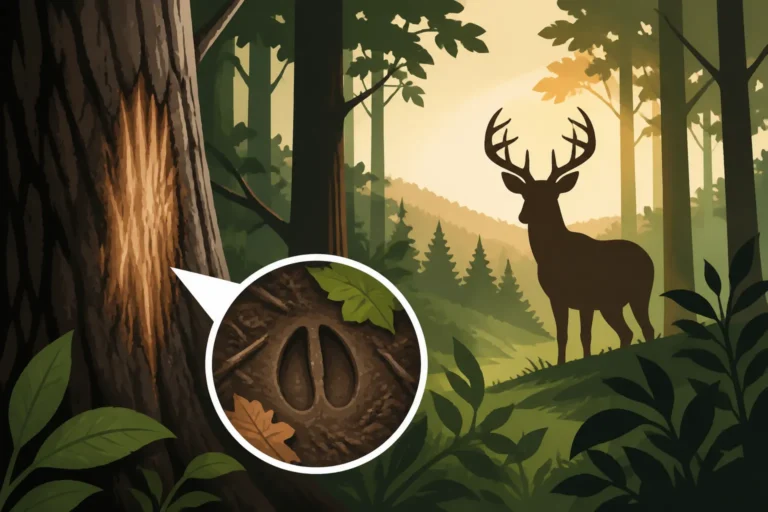
Deer adapt their behavior significantly once the snow flies and temperatures drop. Their primary focus shifts to conserving energy and finding reliable food sources. This often means reduced movement during the day, with peaks of activity around dawn and dusk, coinciding with the coldest parts of the day. They'll also seek out dense thermal cover—think thick conifer stands like cedar swamps or young pine plantations—to escape the wind and cold.
As a hunter, this means your midday lulls might be longer, and your prime hunting windows are narrower but more intense. Understanding how deer seek shelter will guide your stand placement. You're not just looking for a good view; you're looking for a warm, safe spot where deer will naturally gravitate when the mercury plummets. This is where scouting intelligence truly pays off, as deer patterns that held true in October might be completely different in December.
Scouting and Locating Deer
Finding deer in the late season, especially pressured ones, isn't about luck; it's about meticulous scouting focused on two critical needs: food and shelter. Deer during the muzzleloader season are laser-focused on survival, making their movements more predictable if you know what to look for.
Finding Late-Season Food Sources
With most crops harvested and natural browse becoming scarce, late-season food sources become magnets for deer. Cut cornfields, if still accessible and not completely buried under snow, are prime feeding grounds. Deer will dig through snow to get at fallen kernels. Soybeans are another excellent draw. However, don't overlook natural sources like oak ridges if there are still acorns under the snow or thickets with persistent browse like dogwood, sumac, or even forgotten apple trees. Identifying these high-energy food sources is paramount.
You'll often find deer hitting these spots primarily in the low light of morning and evening, sometimes moving from bedding to feed under the cover of darkness. Your job is to intercept them on their way. Mapping tools, like the public land layers on GoHunt, can help you identify agricultural fields adjacent to public woods, or locate those crucial oak stands deep within a WMA. For more targeted advice on finding these crucial resources, look into Late-Season Food Sources for Minnesota Whitetails.
Locating Thermal Cover and Bedding Areas
Just as important as food is shelter. Deer need to escape the biting winds and conserve body heat. Dense conifer stands—cedar swamps, pine plantations, or thick stands of spruce—offer excellent thermal cover. South-facing slopes that catch the most sun can also be prime bedding areas, warming up slightly during the day and providing a clear view of approaching danger. Look for areas with thick undergrowth, fallen trees, or dense brush that offer both concealment and protection from the elements.
Often, you'll find bedding areas within a relatively short distance of major food sources. Deer aren't going to travel miles through deep snow and cold just for a bite to eat if they don't have to. The key is to identify the travel corridors between these bedding havens and feeding hotspots. These funnels, edges of thickets, or natural deer trails are where you want to set up your stand or plan your still-hunt. Pay attention to changes in elevation or terrain that provide a break from the wind; deer will definitely be using these features.
Effective Muzzleloader Hunting Techniques
Once you've done your scouting homework and understand deer behavior in the late season, it's time to put those insights into action. Muzzleloader hunting during December calls for tactics that account for wary deer, limited shot opportunities, and the unique characteristics of your firearm.
Still-Hunting and Stand Placement
Still-hunting can be incredibly effective during the muzzleloader season, especially after a fresh snow. The snow not only quiets your footsteps but also reveals every track, helping you understand recent deer activity. Move slowly, taking a few steps then stopping to scan the woods, looking for horizontal lines in a vertical world. This deliberate pace allows you to observe, listen, and let your eyes pick out the subtle details of a deer blending into the background. Focus on moving into the wind or with a crosswind to keep your scent from blowing ahead of you. Remember, a muzzleloader often means a single shot, so getting close and making that shot count is paramount.
For stand hunting, placement is key. You're likely dealing with pressured deer, so consider more subtle, less-used entry and exit routes to your stand. Set up overlooking those crucial late-season food sources or the travel corridors leading to and from thermal cover. Since deer activity is often concentrated around dawn and dusk, a stand that offers a good shot at first light or last light is gold. Don't be afraid to use a ground blind, especially if you're battling extreme cold or need to quickly adapt to a new hot spot. They provide excellent concealment and a crucial barrier against the elements. For more on this, check out Cold-Weather Sitting Strategy in Minnesota.
Drive Tactics for Muzzleloaders
Sometimes, still-hunting or sitting simply won't cut it, especially when deer are holed up tight in thick cover. Deer drives can be a very effective tactic during the muzzleloader season, particularly on public land where you might have friends or family along. The concept is simple: some hunters (the drivers) push through a patch of cover, while others (the standers) position themselves along escape routes to intercept deer as they try to slip away. The "cluster" structure for this post means I can provide deep comparative analysis, so let's break down the advantages and considerations.
Advantages of Muzzleloader Drives:
- Move Stubborn Deer: Drives are excellent for pushing deer out of heavy thermal cover where they've been bedding down all day.
- Increased Activity: Even if you don't get a shot, the deer movement stirred up can help reveal new travel patterns for future hunts.
- Social Aspect: It's a great way to hunt with a group, sharing the effort and increasing the odds.
- Single-Shot Focus: With a muzzleloader, the single-shot nature often means you want a close, clear shot. Drives can present these opportunities as deer move cautiously rather than at a full sprint.
Considerations for Muzzleloader Drives:
- Safety First: Communication and clear understanding of roles (drivers vs. standers) are crucial. Everyone must know the boundaries of the drive and safe shooting lanes. Blaze orange is a non-negotiable for all participants.
- Muzzleloader Reloading: This is your biggest challenge. Unlike modern firearms, a muzzleloader isn't quickly reloaded. This means if you miss or need a follow-up shot, you're likely out of luck. Plan for a single, decisive shot.
- Drive Size: For muzzleloaders, smaller, more controlled drives often work best. You want deer to walk, not run, past standers. Focus on small pockets of cover or funnels rather than huge swaths of forest.
- Terrain: Drives are effective in areas with natural pinch points, such as between a swamp and a ridge, or along the edge of a clear-cut.
For groups hunting during this late season, coordinating your efforts can be incredibly rewarding. If you're planning a group hunt, having a shared map or using an app like GoHunt to mark stander positions and drive paths is invaluable for safety and strategy. You can also gain insights from Deer Drives With Three or Four Hunters for more specialized advice.
Gear Considerations for December Hunts
The muzzleloader season demands robust gear that can withstand the cold, keep you comfortable, and ensure your firearm performs flawlessly. Skimping on quality here can turn a potential success into a miserable experience.
Keeping Your Muzzleloader Dry and Functional
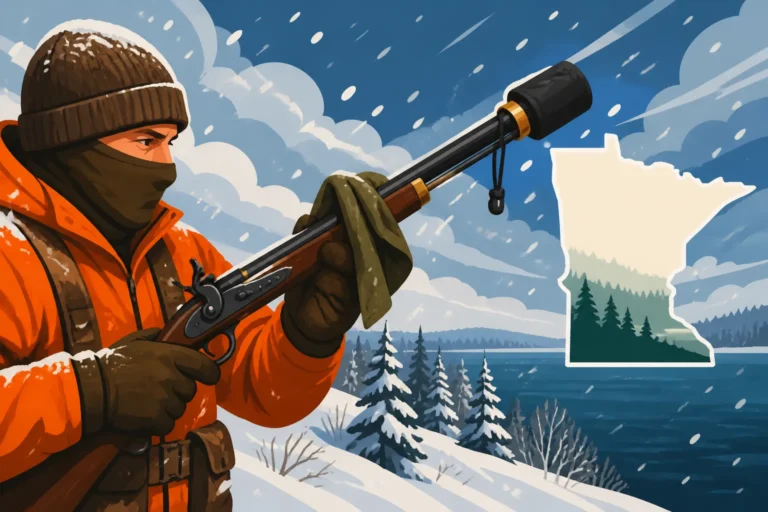
This is probably the most critical gear consideration beyond staying warm. Black powder and moisture are sworn enemies. A damp charge or cap can lead to a misfire, a hangfire, or a reduced powder charge, ruining your shot. Invest in a good waterproof muzzleloader case for transport. While hunting, cover the muzzle with electrical tape, a finger cot, or a dedicated muzzle cover to prevent snow or moisture from getting into the barrel. If rain or snow is falling, keep your rifle tucked under a flap of your jacket or within a waterproof pack.
Additionally, carrying spare caps in a waterproof container is a must. If your primer or cap gets damp, swapping it out could save your hunt. After any wet hunting trip, immediately clean and dry your muzzleloader thoroughly. Rust can form quickly, and a fouled barrel can impact accuracy. For more detailed advice on this, I've got a great piece on Keeping a Muzzleloader Dry in Lake-Effect Snow that can really help you out.
Cold Weather Clothing and Optics
Staying warm and dry is paramount for comfort and focus. Layering is key: a good moisture-wicking base layer, insulating mid-layers (fleece or down), and a waterproof, windproof outer shell. Wool is a fantastic choice for mid-layers because it retains warmth even when wet. Don't forget insulated boots – ones rated for well below zero are ideal for long sits. Options like those discussed in Insulated Boots for All-Day Sits are worth considering. Hand warmers are your best friend, especially for keeping fingers nimble enough to manipulate small caps and cold triggers.
Your optics also need to be up to the task. Binoculars should have good low-light performance, as legal shooting hours push the limits of available light during December. A quality scope on your muzzleloader will gather more light and give you a clearer sight picture in those dim conditions. Ensure your scope is fog-proof and durable enough to handle accidental bumps or drops in the frozen woods. Having a clean lens cloth easily accessible is also a small but important detail.
| Muzzleloader Type | Pros for Minnesota December | Cons for Minnesota December | Ideal Scenario |
|---|---|---|---|
| In-line | Easier to clean, often more accurate, accepts modern scopes. Reliable in cold. | More complex than traditional, less "traditional" feel for some. | Hunter prioritizing modern features, accuracy, and ease of use. |
| Traditional (Percussion) | Authentic feel, simple design. Can be very accurate with practice. | More exposed components (nipple/cap), can be more finicky in extreme wet/cold. | Hunter seeking historical experience, patient with maintenance. |
| Traditional (Flintlock) | Purest traditional experience, no caps needed (if flint sparks well). | Most susceptible to moisture (pan powder), requires more skill, slower lock time. | Expert traditionalist, fair weather, or extremely dedicated to the craft. |
Post-Harvest and Tracking in Winter
Harvesting a deer during the muzzleloader season is a fantastic achievement, but the work isn't over when the shot rings out. The cold and snow bring their own set of considerations for tracking, field dressing, and recovery.
Tracking in Snow
A fresh snow cover can be an incredible asset for tracking. Every step a deer takes, every drop of blood, is highlighted. However, don't let it make you complacent. Even with a good blood trail, you should still give the deer ample time, especially if the shot wasn't perfect. A deer might bed down quickly in deep snow, but if pushed, it can travel a surprising distance. Pay attention not just to blood, but to broken branches, disturbed snow, and the direction of travel. Use landmarks to mark the last confirmed sign before continuing. Apps like GoHunt can be invaluable here, allowing you to mark blood spots or tracks and see your path.
Tracking in Minnesota's dense cover, often with fresh snow, can be tricky. Look for inconsistencies in the snow, subtle shifts in the deer's behavior as indicated by tracks (e.g., staggering, dragging a leg), and remember to look ahead as much as down. A deer will often seek the easiest path through thick brush or travel along a ridge. For a detailed breakdown of what to do, refer to Tracking a Deer in Fresh Minnesota Snow.
Field Dressing and Recovery in the Cold
The upside of cold weather is that it acts as a natural refrigerator for your deer meat. However, field dressing can be more challenging with frozen fingers. Make sure your knife is sharp, and consider wearing thin, disposable gloves under your regular gloves for better dexterity and hygiene. Removing the entrails quickly helps the carcass cool down, preventing spoilage, even in freezing temperatures.
Recovery from the woods can be tough in deep snow. A deer sled or deer cart is an absolute game-changer. Dragging a heavy deer through several inches of snow is exhausting and can lead to overexertion. Utilizing a sled allows the deer to glide over the snow much more easily, saving you a tremendous amount of effort and protecting the hide from unnecessary damage. This is especially true if you're hunting in areas known for significant snowfall, like those near Lake Superior or parts of the Big Woods. If you're looking for recovery solutions, consider tips from Sleds and Drags for Snow Country.
Remember, while the cold preserves the meat, you still want to get your deer registered and processed as soon as possible. Transport it carefully, protecting it from dirt and road salt. The muzzleloader season is a fantastic opportunity for quality venison, but proper care is essential to ensure that meat makes it to your freezer in prime condition.
Disclaimer
Please note that hunting regulations, season dates, and permit area rules can change. Always consult the official Minnesota Department of Natural Resources (DNR) website or their current regulations handbook before planning any hunting trip. This guide is for informational purposes only and should not be considered legal advice.