Climbing Sticks for Rough Bark
Oh, the age-old struggle of trying to get a treestand into a prime hunting spot, only to be met with a tree that seems designed to defy every attachment system known to man! You’ve probably found that perfect oak, dropping acorns like rain, or that gnarled old maple on a pinch point, only to discover its bark is so rough, so gnarly, that your usual ladder stand feels precarious, or your old screw-in steps just don't bite. This guide is for every Minnesota hunter who’s faced that frustration, offering a deep dive into how climbing sticks are the absolute game-changer for securely and quietly ascending those challenging, rough-barked trees, helping you get into position without a fuss.
The Challenge of Rough Bark on Minnesota Trees
Anyone who's spent time in Minnesota's diverse forests knows that not all trees are created equal, especially when it comes to their bark. From the mature hardwoods of the southeast bluff country to the towering pines up north, the texture and structure of tree bark can present a significant hurdle for treestand hunters. It's not just an inconvenience; it can be a genuine safety concern and a major source of frustration when you're trying to set up quietly and efficiently.
Why Rough Bark Matters for Treestand Hunters
Rough bark isn't just aesthetically interesting; it poses practical problems that can directly impact your hunt. Think about trying to secure a stand to an old, shaggy-barked oak. The uneven surface means that standard attachment straps or chains might not get a consistent, tight grip. Instead of distributing pressure evenly, the strap might bridge over deep furrows, leaving gaps where movement can occur. This leads to an unstable setup that can shift or creak under your weight, making you feel uneasy and potentially alerting deer below.
Beyond stability, rough bark can be incredibly noisy. As you try to ascend or descend, any metal components of your stand or steps rubbing against those abrasive surfaces can create a grating sound that carries far through the quiet woods. This is especially true with older, less refined climbing systems. A loud setup means your stealth is compromised before you even settle in, potentially blowing your chances at a wary whitetail. The goal is to become part of the forest, not to announce your arrival with a symphony of scrapes and groans.
Finally, there’s the sheer physical difficulty. Trying to find secure footing on screw-in steps or a ladder stand where the bark is constantly shifting or flaking off can be exhausting and dangerous. Your boots might slip, or the steps might not get a solid purchase, making each upward movement a test of balance and nerves. This is where a specialized approach, like using climbing sticks designed for these conditions, becomes not just helpful, but essential for a safe and effective hunt.
Common Tree Species with Challenging Bark in Minnesota
Minnesota's landscape is a mosaic of different forest types, each with its own set of arboreal challenges. When you're out scouting for that perfect ambush point, you'll inevitably encounter trees that make traditional stand setups a headache. Understanding which species are the culprits can help you anticipate issues and choose the right gear.
Take, for example, the mature Red and White Oaks prevalent in southern and central Minnesota. Their bark is deeply furrowed, ridged, and often flaky, providing little in the way of a smooth, consistent surface for straps. These trees are often highly desirable for deer hunting due to their acorn production, making them prime candidates for a secure climbing solution. Similarly, older Sugar Maples, while perhaps not as deeply grooved as an oak, can have a thick, blocky bark that offers uneven purchase. You can find these trees in many of the same areas as oaks, forming dense stands that hold deer.
Up north, in the vast expanses of the Superior and Chippewa National Forests, you might encounter mature White Pines or Red Pines with bark that becomes increasingly rough and plated with age. While often sought for their straight trunks, the bark can still make for a tricky ascent if your climbing system isn't designed to grip it. Even some older Quaking Aspens, particularly those with thicker bark near the base, can be surprisingly difficult. These diverse tree types underscore why having versatile and secure climbing sticks is so important for hunters navigating Hunting Minnesota Now That Rifles Are Legal Statewide and beyond.
Why Climbing Sticks Are Your Best Bet for Rough Bark
When you're facing down a gnarly old oak or a deeply furrowed maple, traditional screw-in steps or a bulky ladder stand can feel like trying to climb a greased pole. This is precisely where climbing sticks shine, offering a superior blend of grip, stability, and stealth that makes them the go-to solution for rough-barked trees across Minnesota's hunting landscape. They’re designed with the hunter’s struggles in mind, turning a daunting climb into a secure and efficient ascent.
Superior Grip and Stability Mechanisms
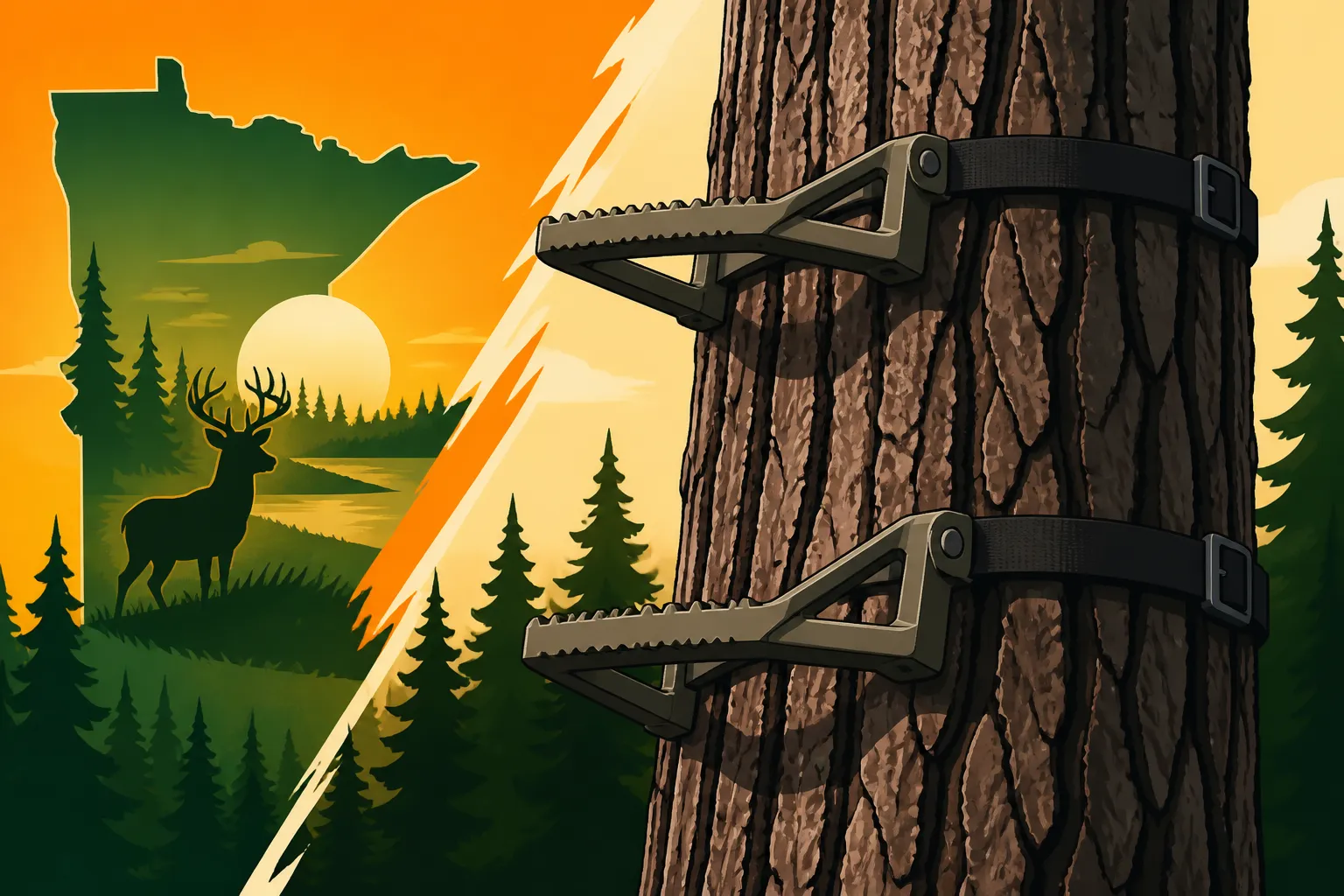
The core advantage of climbing sticks lies in their advanced gripping mechanisms, engineered specifically to get a secure purchase on even the most uneven bark. Unlike a simple strap that might bridge over grooves, many modern climbing sticks feature aggressive "V-brackets" or dual-post designs that create multiple points of contact with the tree trunk. These brackets are often equipped with sharp, serrated teeth or pointed protrusions that dig into the bark, preventing any lateral or vertical slippage. Imagine a pair of strong jaws clamping down, distributing the pressure over a wider, more secure area, rather than relying on a single, broad surface.
This multi-point contact and aggressive bite are what make sticks so stable. Each section, typically secured independently, becomes a rock-solid anchor point. Even if one part of the tree bark is particularly loose or uneven, the other gripping points on the stick work in concert to maintain a firm hold. This significantly reduces the wiggling and creaking that can plague other climbing methods on rough bark, building your confidence as you ascend and descend. It's about feeling connected to the tree, knowing your gear won't let you down, even when the wind picks up or you're making a late-season climb in freezing temperatures.
Adjustability and Versatility for Varied Trunks
One of the most frustrating aspects of using a rigid ladder stand on a less-than-perfect tree is the lack of adaptability. What if there's a large knot, a bulging section of bark, or a small branch right where you need to place a step? With a ladder, you're often out of luck, forced to move to a less-ideal tree. Climbing sticks, however, offer unparalleled adjustability, making them incredibly versatile for the diverse range of trees found in Minnesota's wild places.
Because climbing sticks are modular, typically coming in individual sections, you can space them out to bypass any obstacles on the trunk. Need to avoid a low-hanging limb? No problem – just place the next stick above it. Is one side of the tree particularly lumpy? You can often adjust the angle of the strap or the position of the stick slightly to find a better bite on the smoother, firmer bark. This flexibility is a game-changer when you're trying to set up Treestand Setups in Minnesota Hardwoods or on the edge of a cattail slough where the "perfect" tree might not exist. Each stick becomes an independent anchor, allowing you to tailor your ascent path to the unique contours of the tree.
Moreover, many stick systems feature strap designs that can accommodate a wide range of tree diameters, from slender young maples to massive, ancient oaks. The ability to individually level each stick and secure it tightly means you’re not limited by a rigid, one-size-fits-all approach. This level of customization ensures that you can achieve a stable, safe climb on almost any huntable tree you encounter, greatly expanding your options when scouting for prime locations.
Noise Reduction and Stealth
In hunting, silence is golden. A deer's ears are finely tuned to the sounds of the forest, and any unnatural noise can send them bounding away before you even get a chance. The inherent design of climbing sticks often lends itself to a much quieter setup than many other climbing methods, which is a huge advantage when you’re pursuing wary Minnesota whitetails. The goal isn't just to get up the tree, but to do it without announcing your presence to every animal within earshot.
Traditional ladder stands, especially older models, can be notoriously noisy. The sections often clank together during transport, and once assembled, metal-on-metal friction or loose connections can lead to creaking and groaning as you climb or even as the stand settles with the tree's natural sway in the wind. Screw-in steps, while initially quiet, can sometimes develop squeaks or become loose, especially on rough bark, leading to abrasive noises during use.
Climbing sticks, when properly installed, minimize these issues. Many are designed with rubber coatings on metal parts, or utilize attachment methods that reduce metal-to-metal contact. The strapping systems cinch down tightly, often eliminating movement and friction. When you transport them, many come with integrated bungee cords or strap systems that keep the sections tightly packed, preventing rattling. By taking the time to install your sticks securely and quietly, you significantly reduce the auditory signature of your ascent, allowing you to slip into your stand unnoticed and giving you a much better chance at a successful hunt.
Choosing the Right Climbing Sticks: Key Features for Rough Bark
Selecting the right climbing sticks can feel overwhelming with the sheer number of options available on the market. However, if your primary concern is dealing with rough, challenging bark – a common scenario in many Minnesota hunting spots – you can narrow down your choices by focusing on a few critical features. These design elements are what separate the good from the great when it comes to stability, quietness, and ease of use on those less-than-perfect trees.
Aggressive Tree Gripping Systems
The absolute most important feature for climbing sticks destined for rough bark is an aggressive and secure tree gripping system. You need something that bites into the bark and holds fast, rather than sliding or wiggling. Look for sticks that incorporate designs like oversized V-brackets, sometimes called "jaws" or "claws," that are wider and deeper than standard brackets. These provide more surface area contact with the tree and can bridge over deeper furrows in the bark.
Many top-tier sticks feature hardened steel teeth or serrated edges on their tree-facing surfaces. These aren't just for show; they're designed to dig into the wood slightly, creating a non-slip anchor point. Some innovative designs even feature pivot points that allow the stick to articulate and conform to the curve of the tree, maximizing bark contact. When you're researching models, maybe checking out reviews on sites like GoHunt, pay close attention to descriptions of their tree-grabbing capabilities. A well-designed gripping system is your first line of defense against slippage and instability, ensuring that each step you take feels solid, even on the most challenging old oak.
Robust Strapping Mechanisms
Even the most aggressive gripping system won't do much good if the straps aren't up to snuff. A robust and reliable strapping mechanism is crucial for cinching your climbing sticks tightly to the tree, preventing any movement once installed. Look for sticks that utilize heavy-duty, durable webbing material for their straps, ideally resistant to UV degradation and fraying. Thin, flimsy straps will stretch or wear out quickly, compromising security.
The buckle system is equally important. Cam buckles are a popular choice because they allow for quick, silent tensioning and are less prone to slipping than some other designs. A good cam buckle will lock down tightly with minimal effort and won't loosen under load or tree sway. Some manufacturers incorporate quick-attach features, like clevis pins or integrated bungee cords, that streamline the process of securing each stick, reducing the time and noise involved in setup. This is particularly valuable when you're setting up in the dim light of dawn or trying to be discreet. A superior strapping system complements the gripping mechanism, ensuring your stick remains firmly in place through the entirety of your hunt, regardless of how rough the bark might be.
Material and Construction for Durability and Weight
When you're packing climbing sticks into your favorite Scouting Minnesota Public Land Before Season spot, you're constantly balancing durability with weight. For rough bark, you need sticks that are stout enough to withstand repeated abuse and secure enough to instill confidence. Most climbing sticks are made from either aluminum or steel, each with its own trade-offs.
Aluminum sticks are generally lighter, making them ideal for hunters who trek deep into the woods or are concerned about overall pack weight. This is a significant advantage when you’re hauling gear across long distances or over uneven terrain common in Minnesota's wilderness. However, aluminum can be prone to bending or denting if dropped or misused, especially thinner-walled tubing. Steel sticks, on the other hand, are incredibly robust and durable, often capable of withstanding more punishment. They are less likely to bend or deform, which can be reassuring when you’re relying on them for your safety. The trade-off is typically a heavier overall weight, which might be a factor if you’re covering serious ground.
Beyond the material, consider the construction method. Welded components tend to offer superior strength and fewer potential points of failure compared to bolted assemblies. Look for solid welds and a sturdy overall feel. The finish also matters: a powder-coated or textured finish can add a layer of grip for your boots and help reduce shine or glare that could spook game. Many modern stick designs are a testament to engineering that balances these factors, providing a product that is both light enough to carry and strong enough to rely on, even after years of use in the demanding Minnesota environment.
Step Design and Spacing
The design of the steps themselves often gets overlooked, but it plays a crucial role in both safety and comfort, especially when dealing with rough bark. You need steps that offer secure footing, even when wet, muddy, or icy, and that are spaced appropriately for a smooth ascent. When you’re wearing bulky Clothing for a Minnesota November or thick boots, having ample room and a solid platform is key.
Look for steps that are wide enough to accommodate your boot comfortably, providing a stable platform for your foot. Narrow steps can lead to foot fatigue and make climbing feel less secure. Many sticks feature steps with an aggressive anti-slip texture, such as serrations or raised patterns, to prevent your boots from sliding, particularly in wet or snowy conditions. This becomes even more vital on rough bark, where you might already be concentrating hard on finding a secure handhold.
Another important aspect is the spacing of the steps. While some sticks have evenly spaced steps, others utilize a staggered or offset design. Staggered steps can sometimes feel more natural to climb, mimicking a ladder, and can also allow for more compact packing of the sticks. Ensure the spacing is comfortable for your stride – too far apart, and it’s a struggle; too close, and it feels inefficient. Finally, consider whether the steps fold flat for transport. This isn't just about making them easier to carry; it's also about reducing noise when packed and preventing them from snagging on brush as you walk through thick cover. A well-designed step system completes the package, making your climb up and down a rough-barked tree as safe and comfortable as possible.
Mastering Climbing Sticks: Installation and Maintenance for Rough Bark
Having the best climbing sticks in the world won’t do you much good if you don't know how to properly use and care for them. Mastering the art of installing and maintaining your sticks, especially when dealing with rough bark, is critical for both your safety and hunting success. It’s about building confidence in your system and ensuring it performs flawlessly every time you hit the woods.
Pre-Season Scouting and Practice
Just like you wouldn’t take a new rifle straight into the field without sighting it in, you shouldn't rely on climbing sticks for the first time on opening morning. Pre-season scouting isn't just about finding deer sign; it's also about identifying suitable trees and mentally mapping out your setup. When scouting your favorite Hunting Minnesota's Rut in Early November spots, look for trees that are straight, healthy, and within reasonable distance of game trails or food sources. Pay attention to the bark texture – understanding its roughness beforehand helps you anticipate any challenges.
More importantly, practice your setup. Before hunting season kicks into high gear, take your climbing sticks and stand to a safe, non-hunting area, like your backyard or a local park where hunting isn't allowed. Practice installing the sticks on various trees with different bark types. This builds muscle memory, helps you identify the quirks of your particular sticks, and teaches you how to quickly and quietly secure them. You'll learn how much tension to apply to the straps, how to manage your lineman's belt, and how to minimize noise. This practice will pay dividends when you're facing a real-world scenario, trying to get into position silently before first light. It also helps you get comfortable with your Portable Treestands Worth Packing In and how they integrate with your climbing sticks.
Proper Installation Techniques for Maximum Security
Correct installation is paramount, especially on rough bark where a slip could be disastrous. Always start with your personal safety equipment. A high-quality lineman's belt is non-negotiable; it keeps you safely tethered to the tree while freeing up both hands to work. Make sure your full-body safety harness is on and properly adjusted before you even leave the ground.
When installing the sticks, always start from the bottom. Secure the first stick as low as possible, ensuring it's level and tightly cinched. Rough bark often means you need to apply extra tension to the straps, working them into the bark’s depressions to achieve maximum grip. As you ascend and add each subsequent stick, remain tethered to the tree with your lineman's belt. This involves passing the belt around the tree above your current stick, securing it, and then moving up to install the next stick. Take your time, double-check each strap, and give each stick a solid tug to confirm it's absolutely secure before you put your full weight on it. The more securely each stick is attached, the less wobble you’ll experience, enhancing both your safety and stealth.
Maintenance and Inspection
Climbing sticks are tools, and like any tool, they require proper maintenance and regular inspection to ensure they remain safe and functional, especially after being subjected to the elements of a Minnesota hunting season. Before and after each hunting trip, give your sticks a thorough visual inspection. Look for any signs of wear and tear: frayed straps, bent steps, cracked welds, or corroded hardware. Even minor damage can compromise the integrity of the system.
Pay close attention to the buckles and cam mechanisms. Ensure they operate smoothly and lock securely. Clean any mud, sap, or ice off the sticks and straps, as debris can interfere with their gripping ability and the proper functioning of the buckles. After the season, clean your sticks thoroughly, allowing them to dry completely before storing them in a cool, dry place. Proper storage prevents rust and material degradation, extending the lifespan of your gear. By consistently performing these checks, you're not just maintaining your equipment; you’re investing in your safety and ensuring that your climbing sticks will be ready for many more seasons of challenging rough-barked ascents.
Comparing Climbing Sticks for Rough Bark
When you're trying to decide which climbing sticks are the best fit for navigating Minnesota's rough-barked trees, it can be helpful to consider a few key characteristics side-by-side. Different manufacturers approach the challenges of tree grip, weight, and quietness in unique ways. While I can't provide specific model names or prices, I can outline the types of features you should compare to make an informed decision based on your hunting style and the specific trees you encounter. Remember to always check current product specifications and user reviews when making a purchase.
| Feature Category | Primary Benefit on Rough Bark | Common Design Approaches | Consideration for Minnesota Hunters |
|---|---|---|---|
| Tree Grip | Prevents slippage, enhances stability | Aggressive V-brackets, serrated teeth, pivoting posts, rubber coatings | Essential for mature oaks, maples, and pines. Look for maximum bite and surface contact. |
| Strapping System | Secure attachment, quick setup, quiet operation | Cam buckles, heavy-duty webbing, quick-attach loops, integrated cinches | Durable materials are key for cold, wet conditions. Ease of use for gloved hands. |
| Weight | Ease of transport for public land hunting | Lightweight aluminum vs. heavier steel construction | If you're hiking into remote WMAs, lighter is better. Steel offers more durability for less mobile setups. |
| Quietness | Avoids spooking game, stealthy setup | Rubber dampeners, snug stacking for transport, non-metallic contact points | Crucial for wary whitetails. Check for rattling during transport and metal-on-bark noise. |
| Step Design | Comfortable and secure footing | Wide, textured steps; staggered or inline configurations; folding options | Needs to accommodate bulky boots and cold-weather gear. Safety texture is a must. |
| Durability | Longevity, reliability in harsh conditions | Welded joints, high-grade materials, weather-resistant finishes | Must withstand Minnesota's varied weather (snow, ice, rain). |
When you're comparing different options, think about the specific trees you typically hunt. Are they predominantly massive, deeply furrowed oaks in the bluff country, or are they a mix of smoother maples and rougher pines in the north woods? If you're frequently walking long distances onto public land, a lighter set of sticks that still provide excellent grip will be a priority. If you're setting up a more permanent, long-term stand, you might prioritize ultimate durability and grip over minimal weight.
Platforms like GoHunt, or other online outdoor retailers, often provide detailed specifications and user reviews that can help you gauge how well a particular set of climbing sticks performs on different tree types and under various conditions. Pay attention to reviews specifically mentioning performance on "gnarly," "uneven," or "rough" bark. Sometimes, a slightly higher initial investment in a well-designed set of sticks can save you a world of frustration and enhance your safety for years to come. Ultimately, the best climbing sticks for you will be those that provide unwavering confidence and quiet efficiency, letting you focus on the hunt, not the climb.
Getting into a treestand shouldn't be a battle against the tree itself, especially when that tree is perfectly placed in a prime hunting location. Rough bark, whether on a majestic old oak in bluff country or a mature pine in the north woods, has long been a frustration for hunters. But with the right climbing sticks, those challenges become manageable. By understanding the superior gripping mechanisms, versatility, and quiet nature of modern climbing sticks, and by focusing on key features like aggressive tree grip, robust strapping, and smart step design, you can transform your ascent. Couple that with diligent pre-season practice and consistent maintenance, and you'll find yourself able to securely and stealthily reach those coveted heights, giving you the ultimate advantage in the Minnesota woods.
Disclaimer
This article is for general informational purposes only and does not constitute professional advice. Laws, prices and regulations vary by location and change over time. Consult a qualified professional for guidance on your specific situation.