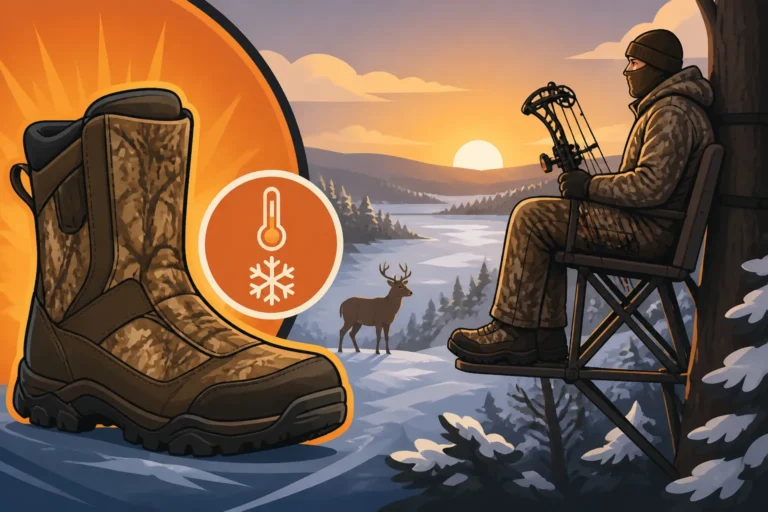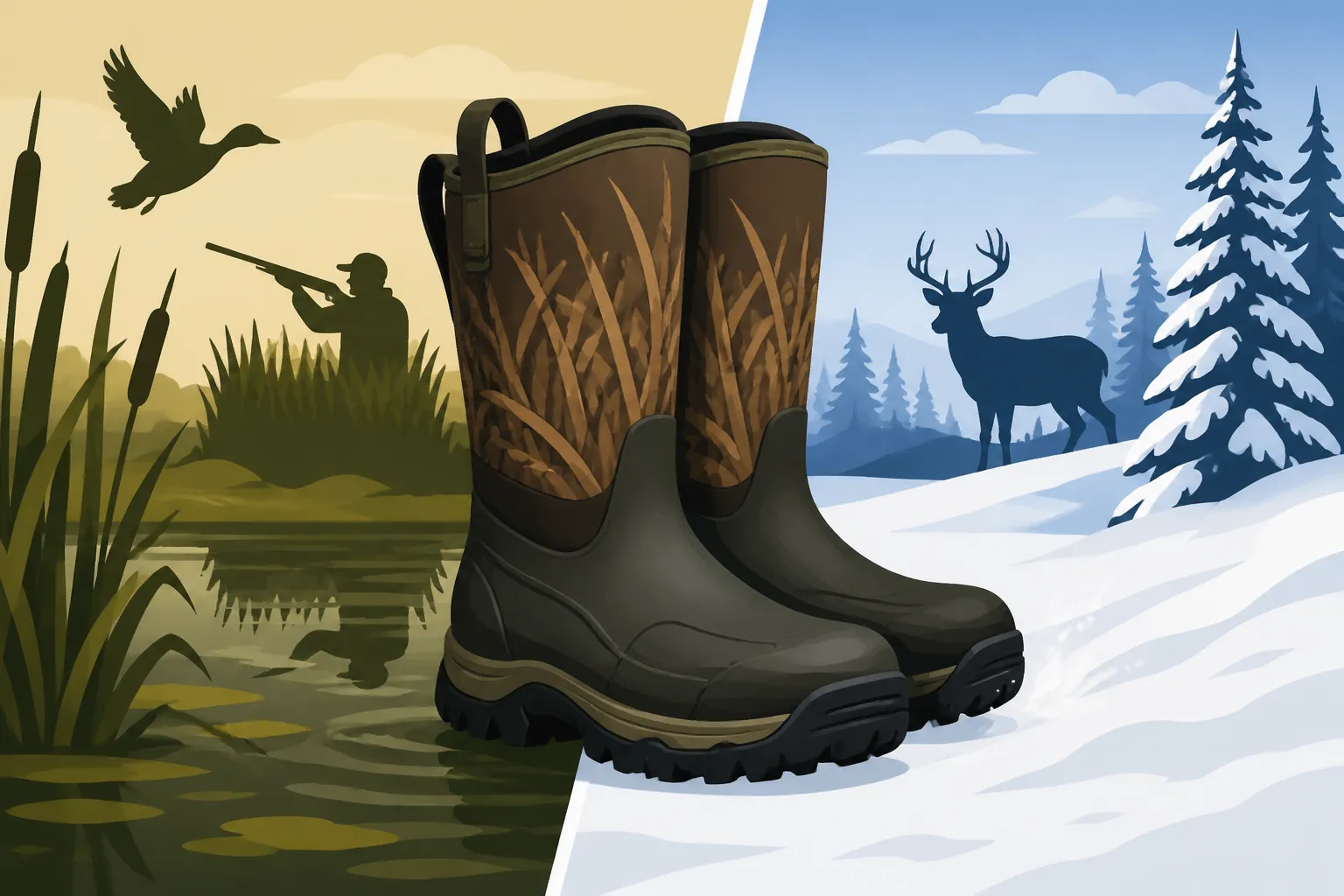
Boots for Minnesota Swamps and Snow
Hunting in Minnesota means confronting a wild variety of conditions underfoot, often within a single day or a short distance on the trail. One minute you're slogging through a knee-deep cattail slough, the next you're trudging across a frozen field or navigating a rocky, snow-covered ridge. The wrong boots won't just make you uncomfortable; they'll quickly end your hunt, leaving you with cold, wet feet and a long walk back to the truck. This comprehensive guide will help you understand the specific challenges Minnesota's diverse landscapes present and how to choose the right hunting boots to keep you warm, dry, and focused on the pursuit.
The Unique Footwear Challenges of Minnesota Hunting
Minnesota's hunting seasons stretch across multiple months, encompassing a dramatic range of weather and terrain. From early fall archery to late-season muzzleloader hunts, your feet will endure everything from warm, dewy mornings to biting sub-zero temperatures and deep snow. Understanding these distinct challenges is the first step to choosing footwear that performs, season after season.
Battling the Bogs and Swamps
If you've spent any time hunting deer in central or northern Minnesota, you know that water is often part of the equation. Whether it's a sprawling cattail marsh that holds big bucks, a soggy alder thicket favored by grouse, or a cedar swamp that funnels deer, wet feet are a constant threat. These aren't just puddles; these are often slow-moving waterways, mucky bottoms, and hidden submerged logs waiting to trip you up or suck a boot clean off your foot.
Imagine trying to navigate a dense cattail slough in pursuit of a whitetail, the kind where deer bed down in the thickest cover. The ground under the water might be soft, silty mud, or it could be a tangled root system that makes every step a gamble. Your feet are constantly submerged, and if your boots aren't absolutely watertight, that cold water seeps in, turning a promising hunt into a miserable ordeal within minutes. The same goes for duck hunting in a shallow pothole or traversing low-lying areas in search of pheasants; a momentary lapse in waterproof integrity means a day cut short.
Navigating Deep Snow and Ice
As Minnesota transitions from fall to late season, snow and ice become the dominant features of the landscape. Early season snow can be wet and heavy, leading to slushy conditions that penetrate less-than-perfect waterproofing. As temperatures drop and true winter sets in, you'll be dealing with everything from powdery drifts that fill your boot tops to hard, icy crusts that demand superior traction.
Think about a late November firearm hunt where a fresh six inches of snow has fallen overnight. You're tracking a buck, putting on miles through varying depths. Snow will get packed around your boots, melt from your body heat, and challenge the integrity of your footwear. Then there's the ice – slick patches on logging roads, frozen stream crossings, or simply hard-packed snow that has turned to a treacherous glaze. A slip or fall can not only be painful but can also damage your gear or, worse, your body. The cold itself is a massive factor; once snow melts and permeates your boot, the chilling effect on your feet is immediate and long-lasting, often forcing an early retreat from the woods.
Variable Terrain and Temperature Swings
Minnesota's landscape is rarely uniform for long. You might start your morning treestand hunt on a dry, frozen ridge overlooking an oak flat, only to track a deer down into a lowland alder swamp by midday. Or perhaps the forecast calls for a mild 40-degree afternoon, but temperatures plummet to below freezing once the sun dips below the horizon. These extreme fluctuations demand a boot that offers a degree of versatility.
A boot that's perfect for a freezing stand sit might be too much for an active still-hunt, leading to sweaty feet, which then quickly get cold once you stop moving. Conversely, lighter, more breathable boots suitable for early fall can become death traps in December snow. The challenge is finding a balance, or, more realistically, owning a couple of specialized pairs. Furthermore, the sheer act of walking over uneven ground – through thick brush, over downed timber, across muddy trails, and up and down hills – requires ample ankle support and a robust sole that can absorb impact and protect your feet from sharp debris. Your footwear needs to be as adaptable as the Minnesota weather itself.
Essential Features for Minnesota Hunting Boots
When it comes to selecting hunting boots for the varied Minnesota terrain and weather, certain features move from "nice to have" to "absolutely essential." Compromising on these core elements can lead to discomfort, premature wear, and a ruined hunt.
Waterproofing is Non-Negotiable
This isn't a suggestion; it's a mandate. For Minnesota hunting, if your boots aren't truly waterproof, they're not fit for purpose in many common scenarios. "Water-resistant" is a term often used in marketing, but it means little when you're wading through a foot of water in a marsh or standing in ankle-deep slush. You need a full, robust waterproof barrier.
Most quality hunting boots achieve this through internal membranes like Gore-Tex, which is widely recognized as a gold standard, or proprietary technologies developed by specific boot manufacturers. These membranes are designed to block external water while allowing internal moisture (sweat) to escape, offering a critical balance of dryness and breathability. However, the membrane is only as good as the boot's construction. Look for boots with minimal seams, robust stitching, and a durable exterior material that resists abrasion and punctures. The height of the boot is also crucial. For swampy conditions or deep snow, you'll want boots that come up high on your calves, at least 15-17 inches, to prevent water or snow from topping out over the cuff. A gusseted tongue and secure lacing system are also important to seal out moisture at potential entry points. A wet foot in cold conditions isn't just uncomfortable; it's a pathway to frostbite and can lead to a dangerously quick drop in core body temperature, especially during a long, cold sit.
Insulation Levels for Different Seasons
The amount of insulation in your boots is directly tied to the temperatures you expect to encounter and your activity level. Insulation is typically measured in grams (e.g., 200g, 400g, 800g, 1200g, 2000g). Choosing the right level is key to avoiding both frozen toes and sweaty, clammy feet.
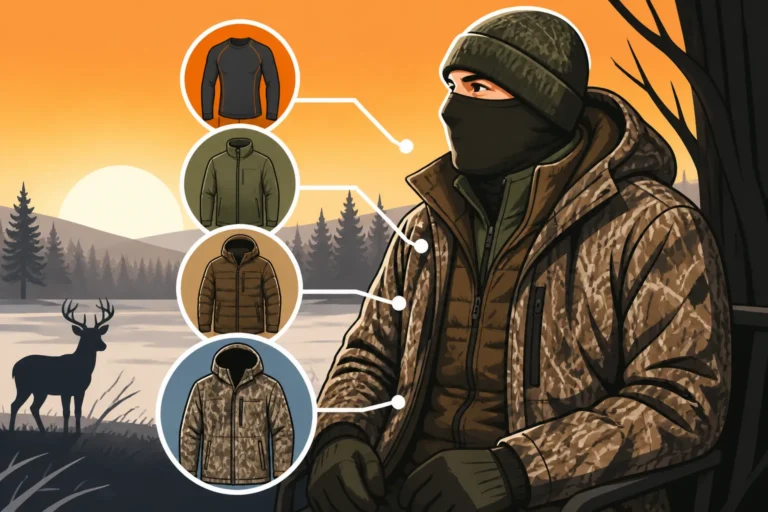
For active early-season hunts in archery season or early firearm when temperatures are mild (say, 30s-50s Fahrenheit), 200-400 grams of insulation might be sufficient, especially if you're doing a lot of walking. This allows for breathability and prevents overheating. However, as the mercury drops and you move into mid-to-late November and December, you'll need significantly more. A common choice for general deer hunting during the Hunting the Minnesota Rut in Early November is 800 grams, which offers a good balance for walking and sitting in moderately cold temperatures. For frigid stand hunts in late season, especially during Muzzleloader Tactics in December Cold or on still, bitter days, 1200 grams or even 2000 grams in a pac boot style will provide maximum warmth. The goal is to keep your feet warm without making them sweat excessively, as dampness, even from sweat, quickly leads to cold feet. Remember that your socks also play a huge role in insulation; choose merino wool or synthetic blends that wick moisture away from your skin, even with optimal insulation in your boots. For additional tips on staying warm, consider reading up on Layering for a Minnesota Deer Stand.
Traction and Support for Tricky Footing
Minnesota's diverse terrain—from slick mud and wet leaves to ice and deep snow—demands a boot with superior traction and robust support. A slip or twisted ankle can easily end a hunt, or worse, lead to a serious injury far from help. The outsole, or bottom of the boot, is where traction comes from, and it’s a critical component.
Look for deep, aggressive lug patterns that can bite into soft mud and shed debris effectively. Many high-quality boots feature Vibram soles or similar proprietary compounds known for their grip and durability. The compound of the rubber matters too; some are designed to remain flexible and grippy in colder temperatures. For ice, no boot offers perfect traction without accessories like microspikes, but a well-designed sole with multi-directional lugs will provide the best possible grip. Beyond the outsole, ankle support is paramount. Many Minnesota hunters traverse uneven ground, navigating fallen logs, crossing creeks, and climbing steep bluffs, especially in areas like southeast Minnesota. Boots with a high cut and a stiff, well-padded collar provide essential stability, helping to prevent painful ankle rolls. A sturdy shank—an internal support structure within the sole—also contributes to overall foot support and reduces fatigue during long walks or when carrying a heavy pack. When you're Scouting Minnesota Public Land Before Season, you often encounter diverse conditions, and reliable traction will keep you on your feet and moving confidently.
Types of Boots for Specific Minnesota Hunting Scenarios
Given Minnesota's varied hunting environments, there isn't a single "perfect" boot for all situations. Instead, most serious hunters will find themselves with a small arsenal of footwear, each designed to excel in particular conditions. Understanding the strengths and weaknesses of each type will help you make informed choices for your next hunt.
Rubber Boots: The Swamp Hunter's Best Friend
When water is the primary challenge, rubber boots are often the undisputed champions. They are designed for truly wet environments, offering unparalleled waterproofing and often extending high up the calf, providing protection that traditional lace-up boots simply can't match. Many hunters specifically seek out Rubber Boots for Swamp Walking for this reason.
Pros: The most significant advantage of rubber boots is their absolute waterproofness. They can be fully submerged up to their height without water seeping in, making them ideal for wading through Hunting Minnesota Cattail Sloughs for Deer, crossing small streams, or setting decoys for ducks in Hunting the Mississippi River Backwaters. They are also incredibly easy to clean; a quick rinse with a hose usually takes care of any mud or muck. Furthermore, rubber is generally scent-neutral, which can be an advantage for deer hunters who prioritize minimizing human odor. Modern rubber boots often come with significant insulation, making them suitable for cold weather as well.
Cons: While excellent in water, rubber boots do have drawbacks. They typically offer less breathability than their leather or synthetic counterparts, which can lead to sweaty feet during active hunts, potentially resulting in cold feet once you stop moving. They also tend to be heavier and less supportive around the ankle, which can be a concern on uneven terrain or during long walks. The "feel" for the ground is also generally diminished compared to a traditional hiking-style boot. Despite these cons, for certain specialized hunts—like bowhunting a marsh edge, early season bear baiting, or waterfowl hunting—they are indispensable. Reputable brands like LaCrosse, Muck, and Irish Setter offer a range of insulated rubber boots that are highly popular among Minnesota hunters for their durability and performance.
Insulated Leather/Synthetic Boots: For Versatile Cold-Weather Hunting
For the vast majority of Minnesota's diverse upland and big game hunting, a good pair of insulated leather or synthetic boots hits the sweet spot between warmth, support, and walkability. These are your workhorses for covering ground and spending time in a treestand during moderate to severe cold.
Pros: These boots offer excellent ankle support, which is critical when navigating the uneven terrain of Minnesota's big woods, rocky ridges, or logging trails. Their traditional lace-up design allows for a customizable fit, ensuring comfort over long distances. High-quality models are typically built with waterproof membranes (like Gore-Tex or proprietary equivalents), providing reliable protection against rain, snow, and shallow puddles, though they are not designed for deep submersion like rubber boots. The insulation levels available range widely, making them adaptable from early firearm season to the tail end of the general deer season. Brands like Kenetrek, Schnee's, and Irish Setter are often mentioned in gear discussions on forums like GoHunt for their robust construction and performance in rugged environments.
Cons: While waterproof, they are not impervious to deep water. Walking through water that exceeds the boot's height will result in wet feet, and consistent exposure to deep mud can compromise their integrity over time. They often require a break-in period, particularly leather models, to achieve maximum comfort. They also tend to be heavier than uninsulated hiking boots, which can contribute to fatigue on extended treks. However, for a typical November deer hunt where you might be walking a few miles to your stand, then sitting for several hours, a well-insulated, supportive pair of these boots is often the ideal choice. They provide the necessary warmth for Cold-Weather Sitting Strategy in Minnesota while still allowing you to comfortably cover ground.
Pac Boots: Extreme Cold and Stationary Hunting
When temperatures plunge to single digits or below, and you anticipate long periods of minimal activity, the classic pac boot becomes the ultimate weapon against the cold. These boots are built for extreme insulation, prioritizing warmth above all else. They are perfectly suited for hunting in deep northern Minnesota snow or late season hunts where remaining stationary is key.
Pros: Pac boots offer maximum insulation, often featuring removable felt or synthetic liners that can range from 1200 grams all the way up to 2000 grams or more. This makes them incredibly warm, even in the most brutal Minnesota winter conditions. The removable liners are a huge advantage, allowing you to take them out to dry overnight, which is essential for managing moisture and preventing a build-up of ice or mildew. For stationary activities like ice fishing, late-season treestand hunting, or the tail end of the Muzzleloader Deer Hunting in Minnesota season, pac boots are unmatched in their ability to keep your feet warm and comfortable for hours on end.
Cons: The primary drawback of pac boots is their bulk and weight. They are generally not designed for extensive walking or covering significant distances, as their lack of flexibility and often oversized fit can make traversing difficult terrain cumbersome. They also provide less precise feel for the ground and typically less ankle support compared to traditional lace-up boots. For active hunts where you're covering many miles, they can be exhausting. However, for those specific scenarios where extreme cold and prolonged sitting are the norm, their specialized warmth makes these disadvantages well worth it. Sorel and Schnee's are two brands often associated with high-quality pac boots that have kept countless Minnesota hunters warm through the harshest winters.
Sizing, Fit, and Maintenance for Longevity
Even the highest quality hunting boots will fail you if they don't fit correctly or aren't properly maintained. A little extra attention to these details can make the difference between years of reliable service and a frustrating, short-lived investment.
Getting the Right Fit: More Than Just Shoe Size
Finding the perfect fit for hunting boots is a meticulous process that goes far beyond simply knowing your street shoe size. Too tight, and your feet will be cramped and cold; too loose, and you'll suffer from blisters and instability. The stakes are high when you're miles from the truck.
Always try on boots with the actual socks you plan to wear while hunting. These are typically thicker than everyday socks, and they can significantly impact fit. Try on boots later in the day, when your feet are naturally a bit swollen, mimicking the conditions of a long day in the field. When laced up, you should have about a thumb's width of space in front of your longest toe. This "wiggle room" is critical for circulation and warmth, especially in cold weather, and helps prevent "toe bang" on downhill descents. Your heel should feel secure, with minimal slippage; excessive heel lift will cause blisters. Pay attention to the arch support and ensure there are no pressure points. Walk around in them on different surfaces if possible, including an incline and decline. Many specialized outdoor retailers have knowledgeable staff who can guide you through this process. Researching boot reviews and fit recommendations, perhaps through resources like GoHunt, can also provide valuable insights into how different models tend to size. Remember, an uncomfortable boot is a debilitating boot.
Proper Break-In and Initial Care
New boots, especially those made of leather, rarely come ready for a full day in the field right out of the box. A proper break-in period is essential to mold the boots to your feet and prevent painful blisters on your first hunt.
For leather boots, this process involves wearing them for progressively longer periods around the house and on short walks before attempting a full-day hunt. This allows the leather to soften and flex in response to your foot's unique shape. Synthetic boots generally require less break-in but still benefit from some wear to ensure comfort. During this initial phase, pay close attention to any hot spots or rubbing, which can indicate areas where you might need to adjust lacing or consider different sock combinations. Before their inaugural hunt, it's also wise to apply an additional layer of waterproofing treatment, especially to seams and any areas of exposed stitching, to bolster their protective barrier against Minnesota's notorious moisture. This proactive step ensures that the boots perform at their peak from day one, safeguarding your feet from unexpected wet conditions.
Post-Hunt Maintenance for Years of Service
Your hunting boots are an investment, and like any good gear, they require diligent care to ensure their longevity and performance. Neglecting them after a hunt can lead to cracked leather, compromised waterproofing, and an overall shorter lifespan.
After each outing, especially if you've been in muddy or wet conditions, thoroughly clean your boots. Remove all mud, dirt, and debris from the exterior, paying special attention to the laces, eyelets, and sole lugs. This prevents materials from hardening and cracking, and ensures no grit is abrading the waterproofing membrane. Once clean, the most crucial step is proper drying. Never dry your boots directly by a heat source like a campfire, radiator, or wood stove. High heat can damage waterproofing membranes, shrink leather, and delaminate glues. Instead, remove the insoles and open the boots up as much as possible. Stuff them loosely with crumpled newspaper to absorb moisture, changing it as it dampens, or use a dedicated boot dryer on a low, gentle heat setting. Store your boots in a cool, dry place, away from direct sunlight. Periodically re-apply waterproofing treatments to the exterior, especially on leather boots, and check for any signs of wear and tear, such as loose stitching or worn soles. Addressing minor issues promptly can prevent them from becoming major problems. With consistent care, your boots will be ready for every challenge Minnesota throws your way.
Here’s a quick overview of boot types and their best applications for Minnesota hunting:
| Boot Type | Ideal Minnesota Conditions | Pros | Cons |
|---|---|---|---|
| Rubber Boots (Insulated) | Deep mud, swamps, standing water, snow | Absolute waterproofing, easy to clean, scent control | Less breathable, less ankle support, heavier |
| Leather/Synthetic (Insulated) | Varied terrain, snow, rain, cold weather | Excellent support, good insulation, breathable, durable | Not fully submersible, requires break-in, heavier than hikers |
| Pac Boots (Heavily Insulated) | Extreme cold, stationary hunting, deep snow | Maximum warmth, removable liners, very warm | Bulky, heavy, poor for walking, less "feel" for ground |
Disclaimer
This article is for general informational purposes only and does not constitute professional advice. Laws, prices and regulations vary by location and change over time. Consult a qualified professional for guidance on your specific situation.