Finding Ground That Sees Fewer Hunters
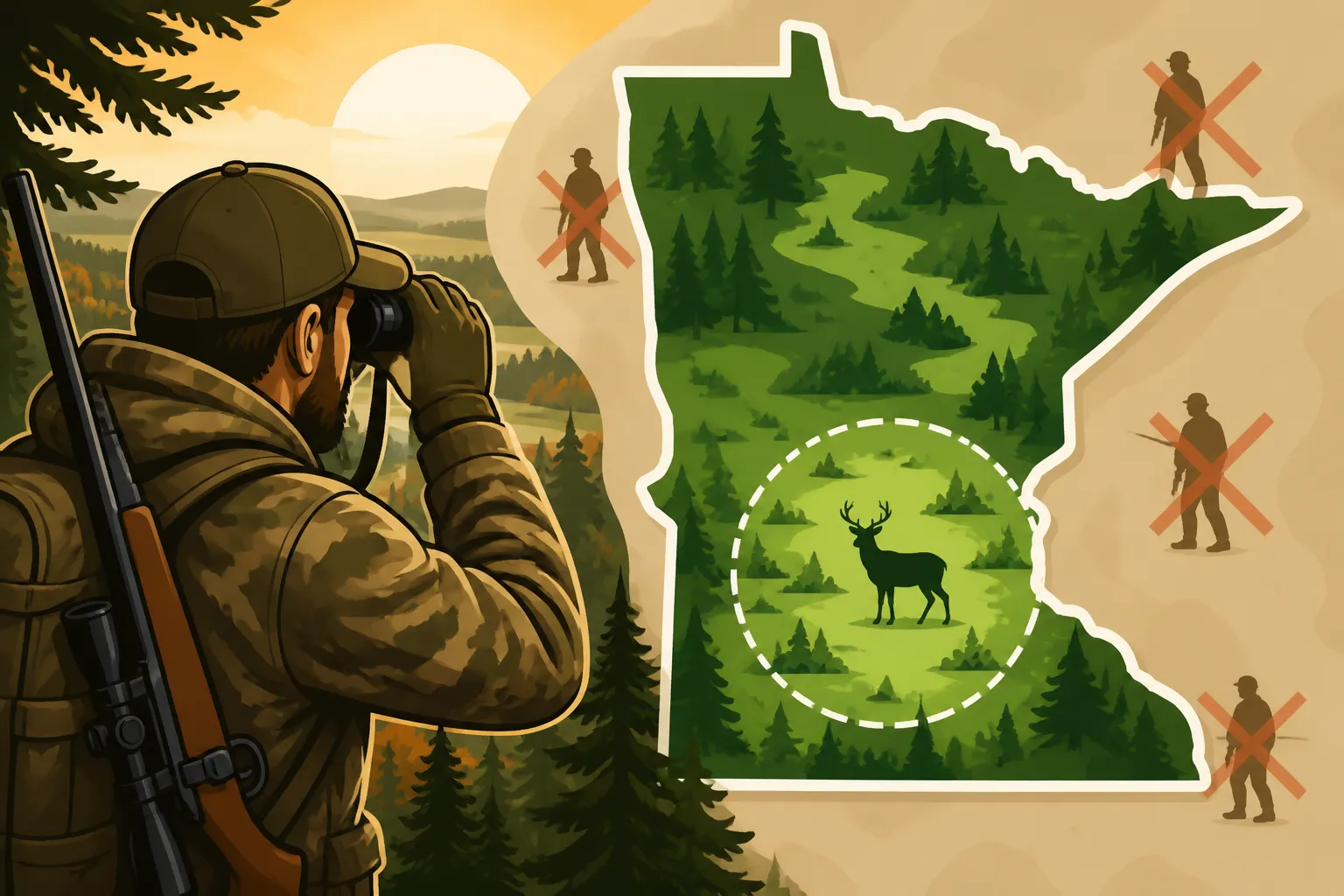
It's a familiar ache in the pit of your stomach, isn't it? That feeling when you drive for hours, pull into what looks like a promising public land access point, and see a dozen other trucks already parked there on opening morning. The dream of a quiet hunt, away from the crowds, quickly evaporates, replaced by the grim reality that you'll be competing with a small army of hunters for the same deer. Finding ground that sees fewer hunters in Minnesota isn't just a preference; it's often the key to a more successful and, frankly, more enjoyable experience, especially when Hunting Pressure on Minnesota Public Land can be so intense. This guide is all about equipping you with the strategies and mindset to slip away from the masses and find those hidden gems where deer still act like deer.
The Frustration of Overcrowded Hunting Spots
We've all been there. You put in the time scouting, maybe even found some promising sign, only to have your efforts undone by sheer hunter numbers. It's disheartening to feel like you're constantly bumping into other hunters or, worse, walking through an area that's already been thoroughly picked over. The frustration isn't just about competition; it's about the erosion of the wild experience we seek.
Why "Easy Access" Often Means Heavy Pressure
Think about it: the easier it is to get to a spot, the more people are going to go there. This seems painfully obvious, but it's a fundamental truth often overlooked in the pursuit of convenience. Those well-maintained gravel roads that cut deep into a state forest, the clearly marked parking areas on the edge of a Wildlife Management Area (WMA), the short walk from the truck to what looks like prime cover – these are the magnets for the majority of hunters. People are naturally drawn to what's simple and accessible, especially when time is limited.
This creates a self-perpetuating cycle. More hunters mean more foot traffic, more vehicle noise, and more human scent. Deer quickly learn to avoid these high-traffic corridors. They'll shift their patterns, becoming more nocturnal, moving into thicker, harder-to-reach cover, or even leaving the immediate area altogether. For instance, a logging trail that provides easy access to a dense aspen stand might seem ideal, but if every hunter with a short walk is using it, the deer will simply relocate deeper into the impenetrable stuff, or skirt the edges well out of sight and scent. The very ease of access becomes its downfall for those seeking unpressured deer.
The Impact of Pressure on Deer Behavior
Deer are incredibly adaptable creatures, and hunter pressure is one of the most significant factors influencing their behavior. When hunting pressure is high, deer don't just disappear; they become masters of evasion. Their movement patterns change drastically. Instead of browsing openly during daylight hours, they'll become largely nocturnal, moving under the cover of darkness. They'll bed down in the thickest, nastiest tangles of cover you can imagine – places most hunters wouldn't dare to enter, or simply can't.
Think of an older buck that has survived multiple hunting seasons. He didn't get big by being foolish. He learned where the safe zones are, when to move, and how to use the wind to his advantage to detect approaching threats. When a flurry of hunters descends upon a public land block, these wary deer go on high alert. They might move less, hold tighter to cover, and become much harder to see. You might be seeing plenty of tracks and droppings, but if it's all occurring under the cloak of night or in areas too dense for human travel, it's not going to lead to a successful hunt. Understanding this behavioral shift is the first step in counteracting it; you need to find the places where deer don't feel this intense scrutiny.
Leveraging Technology for Remote Access
In today's hunting world, our phones and computers are just as important as our boots and binoculars for finding those elusive unpressured areas. Gone are the days of relying solely on paper maps and vague directions. Modern mapping and scouting tools are absolute game-changers, allowing us to virtually explore vast tracts of land from the comfort of our homes, identifying potential hotspots that others might miss.
Digital Scouting and Mapping Tools
Digital mapping applications have revolutionized how we approach public land hunting. Tools like onX Hunt and GoHunt provide invaluable layers of information that just weren't available a decade ago. These aren't just pretty pictures; they're comprehensive data sets layered over high-resolution aerial and satellite imagery. You can see property boundaries, clearly delineating public land from private, which is crucial for ethical hunting and avoiding trespass. But beyond that, they offer topographic maps, showing elevation changes that can reveal hidden saddles, drainages, and ridge systems that funnel deer movement.
I spend hours every year pouring over these maps, long before the season even starts. I'm looking for anything that screams "hard to get to." Dense cover marked by dark green blobs on the satellite image, steep ravines, creek crossings that would require wading, long stretches of timber with no discernible roads or trails – these are the indicators of potential low-pressure areas. Reading Aerial Photos for Big Woods Deer becomes a much more precise art with these tools. You can mark waypoints, measure distances, and even plot potential entry and exit routes, all before ever setting foot in the woods. This upfront work saves countless hours of aimless wandering and helps focus your boots-on-the-ground scouting efforts on the most promising locations. It's like having a bird's-eye view with X-ray vision.
Identifying Potential Low-Pressure Zones
So, what specifically are we looking for on those digital maps to pinpoint low-pressure zones? It boils down to identifying natural barriers and areas that simply don't scream "easy."
- Distance from Roads: This is perhaps the most obvious. The further you get from a maintained road or parking area, the fewer hunters you're likely to encounter. Use the distance measurement tools in your mapping app. If you can find a promising area a mile or more from the nearest accessible road, you're already ahead of the curve.
- Thick, Undesirable Cover: Look for areas that appear almost impenetrable on satellite imagery. Dense stands of tag alders, expansive cattail sloughs, tangled willow thickets, or areas with recent clear-cuts that are now a sea of regenerating popple and brush. Most hunters shy away from these places because they're a pain to walk through, but deer often seek them out for security.
- Topographical Challenges: Steep bluffs, deep ravines, swampy bottoms, and significant elevation changes can deter many hunters. Deer, however, navigate these features with ease and often use them as escape routes or bedding areas. A narrow, steep ridge leading down to a cedar swamp, for example, might be avoided by hunters but utilized heavily by deer.
- Water Barriers: Rivers, large creeks, and even expansive beaver ponds or marshes can act as significant deterrents. While not always true barriers for deer, they are often enough to turn hunters away. If you're willing to wade, use a canoe, or navigate around these features, you might find untouched ground. Consider Entry Routes Through a Cattail Slough as an example of thinking outside the box for access.
- Small, Isolated Public Parcels: Don't overlook the little postage-stamp pieces of public land tucked away amidst private property. Often, these small parcels are ignored because they seem too small to hold deer, or because access appears difficult. A quick check on your mapping app using layers like the onX Hunt "private land" feature can reveal these gems. Sometimes, an odd-shaped parcel with limited access is exactly what you need.
By combining these indicators, you can build a mental map of where the deer are likely to feel safe from human intrusion. The key is to look for the combination of these factors, not just one.
Strategies for Deeper Penetration and Unique Access
Once you've identified potential low-pressure zones using your digital scouting tools, the real work—and adventure—begins. It's about changing your mindset from seeking convenience to embracing the challenge of accessing these harder-to-reach areas.
The "Go Further, Get Luckier" Mentality
This isn't just a catchy phrase; it's a foundational principle for hunting unpressured deer. The simple truth is, most hunters won't walk very far. Numerous studies and anecdotal evidence confirm that the vast majority of hunting pressure occurs within a half-mile to a mile of accessible roads or trails. Every additional quarter-mile you hike beyond that threshold dramatically reduces the number of hunters you'll encounter.
Embracing this mentality means being prepared for longer, tougher walks. It means investing in comfortable, durable boots, carrying enough water and supplies, and being willing to sweat a little (or a lot!). When you're How Far to Walk From a Forest Road, consider adding another quarter or half-mile to what feels comfortable. Sometimes, just pushing past the point where most hunters turn back is all it takes to find a deer that hasn't seen a human in weeks. This could mean leaving the truck an hour before daylight to ensure you're at your stand well into the remote section, or planning a full-day hunt with a pack that supports it.
It's also about physical conditioning. If you want to consistently reach these deeper areas, you need to be in decent shape. Start walking, hiking, or rucking with a weighted pack in the off-season. The reward for your effort isn't just a better chance at a deer; it's the profound satisfaction of being in truly wild country, far from the sounds of other hunters.
Utilizing Non-Traditional Entry Points and Methods
Sometimes, going further isn't enough; you also need to think differently about how you get there. If everyone is using the same main trail, even if they walk a mile, they're still following a beaten path. True low-pressure areas often require non-traditional approaches.
- Bushwhacking: Sometimes, the best entry isn't a trail at all. It's literally going straight through the thick stuff. While it's slower and more physically demanding, bushwhacking can be an excellent way to bypass heavily used routes and enter an area from an unexpected direction. Just be sure to pay very close attention to your compass, GPS (like the one built into onX Hunt or GoHunt), or mapping app, because it's incredibly easy to get disoriented in dense cover. A little prior planning with Using Recreation Compass Without Cell Service can save you a lot of headache.
- Water Access: Don't underestimate the power of a small canoe, kayak, or even waders. Rivers, large creeks, and lakes can unlock access to vast tracts of public land that are otherwise unreachable by foot. Imagine paddling across a quiet lake at dawn, then pulling your canoe up on shore and slipping into an untouched stretch of woods. This is especially effective in areas with numerous small lakes or extensive marsh systems, where deer will cross water to escape pressure. Think about the unique opportunity for Hunting Boundary Waters Canoe Country Deer.
- Boundary Hopping (Legally!): This isn't about trespassing, but about smart use of public land boundaries. Sometimes, a narrow strip of public land runs adjacent to private property that's rarely hunted or difficult for the landowner to access. By studying property lines (easily done with your mapping app, which also helps with Finding Minnesota Property Lines), you might find a way to enter a public parcel from a less obvious side, perhaps paralleling a private field edge for a ways before cutting into the timber. Always confirm access and respect private property.
- Utilizing Game Trails, Not Human Trails: When you do find a trail, make sure it's one made by deer, not by boots. Deer trails often lead to their bedding areas, feeding zones, or natural travel corridors, and they're usually much more subtle than human trails. Following a faint deer trail, rather than a well-worn path, is a great way to Find Ground Others Walk Past.
By diversifying your approach and being willing to tackle more challenging access, you dramatically increase your odds of finding those secluded spots where deer feel safe and act naturally during daylight hours.
Reading the Landscape for Hidden Sanctuaries
Beyond simply walking further or using a canoe, there's an art to interpreting the landscape itself to identify hidden sanctuaries. These are places that, even if not miles from a road, offer such specific advantages that deer seek them out when pressure mounts.
Topography and Habitat as Natural Barriers
The land itself often creates barriers that humans avoid, but deer embrace. These aren't always grand canyons or raging rivers; sometimes they're subtle, yet effective, deterrents.
- Steep, Brushy Hillsides: Many hunters prefer to walk flatter ground or along ridges. But a steep, south-facing hillside covered in thick brush, thorny dogwood, or dense saplings can be an absolute magnet for deer, especially mature bucks. These spots offer thermal cover in cold weather, excellent visibility downslope, and a nearly impenetrable barrier to anyone trying to climb straight up. Deer will often bed just below the crest, using the wind and their eyesight to detect anything below them.
- Cedar Swamps and Beaver Ponds: These are often the true sanctuaries in many parts of Minnesota. The dense canopy of cedars provides incredible thermal protection from winter winds and snow, while the tangled undergrowth and waterlogged ground make human travel a nightmare. Beavers, with their dam-building prowess, create ponds that flood low-lying areas, turning once-walkable timber into a maze of water and downed trees. While you might need specialized gear like waders or even a small boat to navigate them, deer often utilize the dry "islands" or slightly higher ground within these swamps as secure bedding.
- Narrow Ridges and Finger Points: In rolling or bluff country, look for narrow fingers of high ground that extend into lower, swampier, or thicker areas. These can act as travel corridors or bedding sites. Because they are often flanked by difficult terrain, hunters might stick to the main ridge lines, leaving these isolated fingers undisturbed. Deer can use these to move between different cover types without exposing themselves.
- Small, Overlooked Benches: Even on relatively flat ground, subtle changes in elevation, like a small bench or terrace on a hillside, can provide a micro-sanctuary. Deer will often bed on these slight rises, giving them a vantage point and allowing thermals to carry their scent away. These are often missed because they don't appear as dramatic features on a map, but they are crucial to a deer's sense of security.
Understanding how these natural features influence deer movement and bedding is key. It's about putting yourself in a deer's shoes and thinking about where you would go to feel safe if constantly being pursued.
Small, Overlooked Parcels and Corners
Sometimes the secret isn't in finding vast, remote wilderness, but in pinpointing tiny, unappealing patches that others ignore. This is where attention to detail and a willingness to be unconventional really pays off.
- Power Line Corridors and Gas Line Easements: While these can see some pressure, look for sections that cross particularly difficult terrain, like a large swamp or a series of steep hills. Hunters often use these as travel lanes, but the edges, especially where they meet dense timber or thickets, can be surprisingly productive. The habitat diversity created by the clearing can be a huge draw for deer, offering both forage and bedding cover within close proximity.
- Oddly Shaped Public Corners: Many public land maps show parcels with strange, convoluted boundaries. Focus on those sharp corners or narrow strips that might be difficult to access from a main road. These often create bottlenecks or pinch points that deer use for travel, yet hunters overlook them because they seem too small or too awkward to hunt effectively.
- Under-Hunted Habitat Types: We often gravitate towards classic deer habitat – big timber, oak ridges, cornfields. But sometimes, unlikely spots can hold deer if they offer security. Think about areas of dense, brushy regrowth from a past fire, abandoned agricultural fields that have gone wild, or even old gravel pits that have re-vegetated. These areas might not look like prime deer country at first glance, but if they offer security and some food, deer will use them to escape pressure. You might even find success on Hunting Small Private Tracts in Minnesota if they are bordered by public land or offer similar characteristics.
- Transition Zones: Deer thrive in transition zones – where two distinct habitat types meet. This could be where an open field meets a dense forest, where a pine plantation meets a hardwood stand, or where dry ground transitions into a swamp. These edges provide both food and cover, and if they are located in areas that are challenging to access, they can become low-pressure hotbeds. Always consider how deer move along these edges.
Here's a quick comparison of popular vs. less-pressured hunting characteristics:
| Characteristic | High-Pressure Zone (Typical) | Low-Pressure Zone (Target) |
|---|---|---|
| Access | Paved/gravel roads, clear trails, designated parking | No direct road access, difficult terrain, water barriers |
| Distance from Road | 0-0.5 miles | 0.75+ miles (often 1.5+ miles) |
| Terrain | Flat, gently rolling, easily walkable | Steep, swampy, dense thickets, rugged |
| Visibility | Open timber, clear lanes | Thick brush, tangled undergrowth, limited sight |
| Hunter Sign | Obvious tracks, trash, well-worn paths | Minimal human sign, subtle game trails |
| Deer Activity | Primarily nocturnal, jumpy, skittish | More daylight movement, calmer behavior |
Finding ground that sees fewer hunters is ultimately about strategy, effort, and a willingness to think outside the box. It requires more than just showing up; it demands a commitment to understanding the landscape and the animals you pursue. By utilizing modern tools, embracing the challenge of deeper penetration, and keenly observing the subtle clues of the land, you'll open up a whole new world of hunting opportunities and find the quiet, productive spots you've been dreaming of.
Disclaimer
This article is for general informational purposes only and does not constitute professional advice. Laws, prices and regulations vary by location and change over time. Consult a qualified professional for guidance on your specific situation.