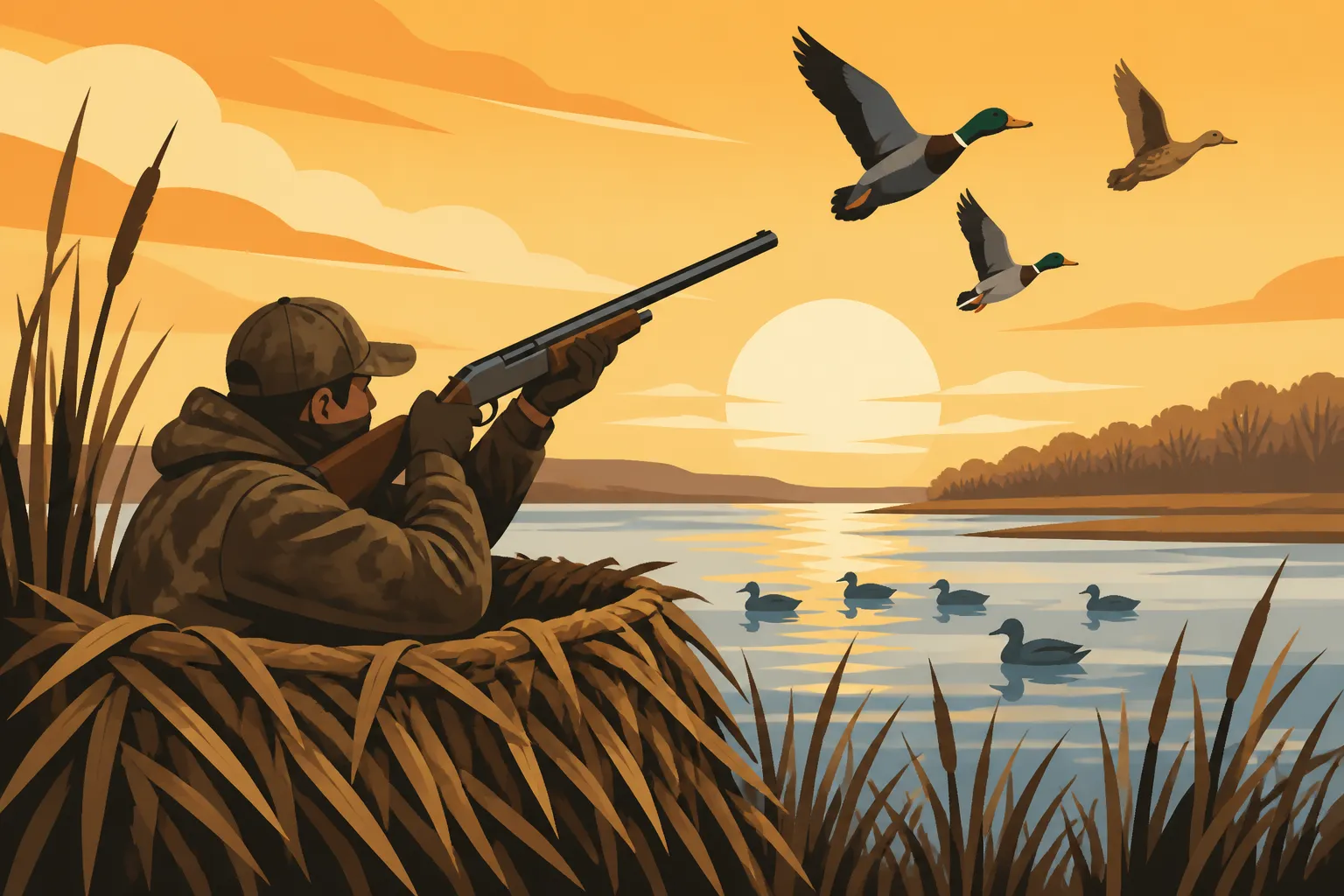
Upper Mississippi Refuge Duck Blinds
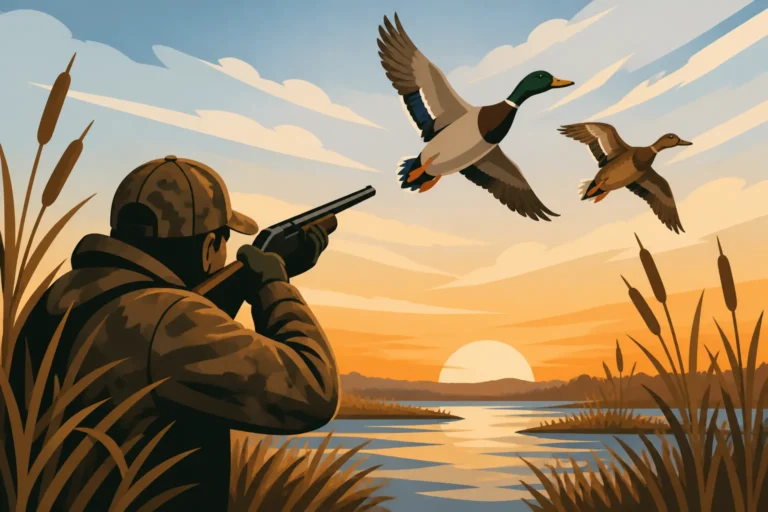
Navigating the vastness of the Upper Mississippi River National Wildlife and Fish Refuge (UMRNWFR) for duck hunting can feel like searching for a needle in a haystack, especially when you're trying to figure out the best approach for duck blinds. It's a massive system, and the regulations around how and where you can hunt, let alone set up a blind, can be incredibly confusing and intimidating for even seasoned waterfowlers. This guide is here to demystify the process, walking you through the types of blinds, how to find and utilize them, and what critical factors to consider for a successful hunt in this iconic Minnesota waterfowl haven.
Understanding the Upper Mississippi River National Wildlife and Fish Refuge for Waterfowl
The Upper Mississippi River National Wildlife and Fish Refuge is not just another piece of public hunting land; it's a sprawling, dynamic ecosystem that presents unique challenges and opportunities for duck hunters. Stretching for hundreds of miles through four states, the sheer scale of it can be overwhelming, and understanding its unique character is the first step to a successful hunt.
Navigating the Sheer Scale of the Refuge
Imagine trying to scout a hunting area that’s roughly 240,000 acres, snaking along the Mississippi River for over 260 miles. That’s the Upper Mississippi River National Wildlife and Fish Refuge. It’s an incredibly important migratory bird corridor, funneling millions of ducks and geese down the Mississippi Flyway each fall. But its sheer size means that what works in one pool or section might be completely different just a few miles downriver. You can’t just show up and expect to stumble upon a prime spot; it takes careful planning, extensive scouting, and often, years of experience to learn its nuances.
Many hunters, myself included, have spent countless hours motoring up and down backwaters, trying to decipher a good feeding area from a mere resting spot, only to find the ducks had other plans. The river’s dynamic nature, with changing water levels and currents, constantly reshapes the landscape, making familiar spots disappear or new ones emerge. This ever-shifting environment means that adaptability is key, and relying on static knowledge alone often leads to frustration.
Refuge-Specific Regulations and Zones
One of the biggest headaches for hunters on the UMRNWFR is undoubtedly the intricate web of regulations. This isn't your typical state-managed wildlife area; it's federal land, managed by the U.S. Fish and Wildlife Service, and it comes with its own set of rules that often differ from state hunting laws. You absolutely cannot assume state regulations apply wholesale here. For instance, there are often specific rules regarding what materials you can use for blinds, how long they can stay up, and even where you can place them in relation to other hunters or navigation channels.
Beyond general refuge rules, specific zones within the refuge might have even more localized restrictions. Some areas might be closed entirely to hunting, some might be "no-wake" zones, and others might have unique shooting hour limitations or waterfowl retrieve rules. It's imperative to consult the refuge's official regulations annually, usually available on their website or at local refuge offices. Missing a detail could mean a ticket, or worse, disturbing other hunters or the wildlife you came to enjoy. It’s a completely different ballgame than hunting on a private slough in Hunting a Funnel Between Two Sloughs.
The Allure of Established Blinds
For many waterfowlers, the idea of an established duck blind on the Upper Mississippi Refuge is like finding a hidden treasure. These are often well-built, well-camouflaged structures that offer immediate shelter and concealment without the arduous task of hauling in materials and building one yourself. An established blind usually means less setup time on those frigid morning hunts, and if it's been there a while, there’s a good chance it's in a location that ducks have historically favored.
The attraction is undeniable, especially when you're dealing with the logistical challenges of river hunting. Imagine not having to cut fresh willows or drag bulky camo netting every time you go out. An existing blind also often implies a certain level of local knowledge went into its placement—it's likely positioned with the sun, wind, and typical flight paths in mind. However, this allure also brings its own set of challenges, from understanding who "owns" it (if anyone) to dealing with competition from other hunters.
Types of Duck Blinds and Access on the Upper Mississippi Refuge
When you're planning a waterfowl hunt on the Upper Mississippi River National Wildlife and Fish Refuge, you'll quickly realize that "duck blind" isn't a one-size-fits-all term. The type of blind you use, and how you access your hunting spot, will heavily depend on the specific section of the river you're targeting, the prevailing water levels, and the regulations in place.
Permanent Blinds: Public vs. Historically Used Sites
On certain sections of the Upper Mississippi Refuge, you might encounter what appear to be permanent blinds. These are structures that have often been in place for years, sometimes even decades. In some areas, these might be officially designated public blind sites, often allocated through a drawing or on a first-come, first-served basis for the season. If you're lucky enough to secure one, it's a fantastic advantage, providing a consistent, ready-to-hunt location. However, applying for and winning these spots can be highly competitive, and the rules around maintenance and use are strict.
More commonly, what you might find are "historically used" sites, which are essentially blinds that hunters have built and maintained over many seasons. These are not officially designated sites in the same way, but they've become somewhat traditional. The challenge here is the etiquette and legality. While the refuge generally operates on a "first-come, first-served" rule for hunting spots, there’s often an unwritten code among local hunters regarding these long-standing blinds. Showing up to hunt a blind someone else built and maintains, especially if they put in the effort during the off-season, can lead to uncomfortable encounters. It's always best to arrive early and be prepared to find an alternative spot if the existing blind is already occupied or looks actively maintained by another party. Understanding the nuance of these situations is critical to a peaceful day on the water.
Temporary Blinds and Natural Cover
For most hunters on the vast expanse of the Upper Mississippi Refuge, particularly those who don’t have access to a designated permanent blind, temporary blinds built from natural cover are the bread and butter of their strategy. This involves scouting out areas where the natural vegetation—like cattails, dogwood, willows, or even standing corn in adjacent fields—can be manipulated to create effective concealment. The beauty of this approach is its flexibility; you can adapt to changing water levels and duck movements, setting up where the birds are, rather than waiting for them to come to you.
Building a temporary blind means bringing minimal gear: maybe a few bungee cords, zip ties, and a pair of loppers or a small saw. The idea is to enhance existing cover or create a new hide that blends seamlessly into the environment. This method also requires a keen eye for camouflage and understanding how ducks perceive cover from above. A quick, effective setup might involve tucking your boat into a dense patch of cattails and simply brushing it in with additional vegetation cut from nearby. Remember, always adhere to refuge rules about cutting vegetation; usually, only dead or downed material is allowed, and excessive cutting can lead to fines. This approach is similar to Brushing In a Blind on a Field Edge but adapted for a wetland environment.
Boat Blinds and Layout Blinds
Given the predominantly water-based nature of the Upper Mississippi Refuge, boat blinds are an incredibly popular and practical option. A boat blind is essentially a frame and cover system built directly onto your hunting boat, transforming it into a mobile, camouflaged blind. This offers unparalleled flexibility, allowing you to scout new areas, pursue active birds, and set up quickly wherever conditions are best. From simply tossing a camo net over your boat to elaborate scissor-style blinds, the options are plentiful.
The key advantage of a boat blind is the ability to adapt to changes. If the ducks are working a different slough today, you can pick up your decoys and move your entire setup. This mobility is invaluable on a system as dynamic as the Mississippi River. For hunters targeting open water, especially divers, layout blinds can also be effective. While more commonly associated with Layout Blind Hunting Minnesota Farm Fields for geese, a layout blind placed on a small mudflat or within a larger boat blind can offer incredible concealment, especially when combined with a well-placed decoy spread designed for open water. Both options significantly enhance your ability to hunt diverse habitats across the refuge.
Finding and Utilizing Blinds on the UMRNWFR
Successfully hunting ducks on the Upper Mississippi River National Wildlife and Fish Refuge often boils down to two things: relentless scouting and smart use of available resources. It's not always about having the fanciest gear, but rather knowing where to be and how to blend in.
Scouting and Online Resources
Scouting is paramount on a system as vast and complex as the UMRNWFR. You can't just drive around in a truck to get the lay of the land; you need to be on the water, observing duck patterns, identifying feeding areas, and noting potential blind locations. This might mean making several trips before the season even opens, or dedicating a few non-hunting days during the season to observe. Look for areas with diverse vegetation, subtle current breaks, and signs of feeding ducks like dabbling in shallow water or muddy shorelines. Scouting Minnesota Public Land Before Season is invaluable here.
Modern technology has become an absolute game-changer for scouting these large river systems. Digital mapping tools, like those offered by onX Hunt and GoHunt, are incredibly useful. These platforms allow you to overlay public land boundaries with satellite imagery, identify boat launches, mark potential blind sites, and even track your movements. You can often see historical water lines, indicating areas that might be dry or flooded depending on current conditions. These apps allow you to drop pins on potential blind locations, identify dense cover, or mark areas where you've seen ducks feeding. Using aerial photos to find bottlenecks and hidden pockets is a skill that translates perfectly from deer hunting in Reading Aerial Photos for Big Woods Deer to duck hunting on the river. They are indispensable for navigating the refuge's intricate backwaters and sloughs, helping you visualize the terrain from a bird's-eye view before you even launch your boat.
Respecting Existing Blinds and First-Come, First-Served
The Upper Mississippi Refuge, like many public hunting areas, operates on a general "first-come, first-served" principle when it comes to hunting spots. This means that if you arrive at a location and another hunter is already set up and actively hunting, you need to find another spot. This rule applies even if you’ve spent hours scouting a particular location or put in effort building a temporary hide. The courtesy and safety of your fellow hunters always come first.
Regarding existing permanent blinds, particularly those that are not officially designated via a lottery system, etiquette can be a grey area. While legally you might be able to use an unoccupied blind, it's generally good form to consider the effort someone else put into building and maintaining it. If you see a well-kept blind that clearly has recent work done to it, it’s best to assume someone else considers it their primary spot. If you do use such a blind, leave it cleaner than you found it, and certainly don't damage any of the camouflage or structure. The last thing you want on a cold morning is a confrontation. Being a respectful hunter goes a long way in fostering a positive hunting community on these shared public lands.
Building Your Own Temporary Blind
For those who embrace the challenge and flexibility, building your own temporary blind on the refuge is a rewarding experience. The process typically starts with identifying a location that offers both good duck activity and sufficient natural cover to enhance. Look for patches of thick cattails, willow thickets, or dogwood stands along a slough edge or river bend. The goal is to blend your blind seamlessly into the existing landscape.
When it comes to construction, simplicity and effectiveness are key. You'll want to use materials that are native to the area. If you're building out of a boat, securely anchor your boat in the desired spot. Then, begin weaving and lashing natural materials around your boat or hunting position. Cut dead reeds, cattails, or willow branches (where permitted, check local rules for live cutting) and use bungee cords, zip ties, or natural rope to secure them to your boat's frame or to existing vegetation. The idea is to break up your outline and create enough density to hide movement, but not so much that it looks unnatural. Remember to consider your shooting lanes and ensure you have clear lines of fire for incoming birds. The effort put into a well-constructed, natural-looking blind can significantly increase your success and enjoyment.
Key Considerations for Successful Refuge Duck Hunting
Hunting the Upper Mississippi Refuge is an exercise in adapting to a constantly changing environment. Success isn't just about having the right blind; it's about understanding the nuances of the river system itself.
Water Levels and Their Impact
Perhaps no single factor dictates duck hunting success on the Upper Mississippi Refuge more than water levels. The river is a living, breathing entity, constantly fluctuating due to rainfall, snowmelt, and upstream dam operations. High water can flood new areas, making previously inaccessible timber or agricultural fields suddenly prime feeding grounds. It can also push ducks into new staging areas and change their travel routes. Conversely, low water can expose vast mudflats, create new choke points, or make backwater sloughs completely inaccessible to boats.
Before any hunt, you absolutely need to check river stage reports and forecasts. A spot that was hot last week might be bone-dry or too deep this week. This dictates everything from where you can launch your boat to where you should place your decoys and, crucially, where to set up your blind. If you're hunting an area with Entry Routes Through a Cattail Slough, low water might make those routes impassable, while high water could open new avenues. Hunters who consistently do well on the refuge are those who are constantly monitoring river conditions and adapting their strategies accordingly, often having several backup plans for different water levels.
Pressure and Timing
The Upper Mississippi Refuge is a well-known waterfowl destination, and with that comes hunting pressure. Especially during opening weekend and peak migration, popular access points and prime backwater areas can see a significant number of hunters. This pressure can dramatically alter duck behavior, making birds warier and pushing them into less accessible areas or causing them to only fly during low-light conditions. Dealing with Opening Weekend Crowds in the 100 Series on the river is a similar challenge.
To mitigate pressure, consider hunting mid-week if your schedule allows, or exploring less obvious, harder-to-reach areas. This might mean a longer boat ride or a more involved haul for your gear, but the reward of undisturbed birds is often worth the extra effort. Early morning setup is also crucial; arriving well before shooting hours allows you to get established, place your decoys, and let the area settle down before the first flights begin. Sometimes, it's not about having the "best" spot, but having a quiet spot that pressured birds feel safe to drop into. Don't be afraid to try hunting midday if the morning rush has pushed birds around.
Safety and Preparedness
Hunting on a large river system like the Upper Mississippi Refuge comes with inherent risks, and safety should always be your top priority. The water can be cold, currents can be strong, and weather conditions can change rapidly. Always wear a life vest, even when in a boat blind, and ensure your boat is in excellent working order with all necessary safety equipment (lights, horn, spare prop, anchor, etc.). Tell someone exactly where you are going and when you expect to return.
Cold weather is a constant companion during Minnesota's duck season. Layering your clothing with appropriate materials like wool or synthetics is vital to stay warm and dry. Waders for Minnesota Marsh Hunting are essential. Hypothermia is a real threat, especially if you fall into the water. Pack extra dry clothes in a waterproof bag, bring plenty of hot drinks and high-energy snacks, and always have a reliable form of communication, like a fully charged cell phone (in a waterproof case) or a two-way radio. Being prepared for the unexpected ensures that your hunting adventure remains a safe and enjoyable one.
| Blind Type | Pros | Cons | Best Use Scenario |
|---|---|---|---|
| Permanent/Designated | Ready-to-hunt, often in proven locations, sturdy | Limited availability (lottery), strict rules, competition | Known, high-traffic areas; if you secure a permit |
| Temporary/Natural | Highly adaptable, low cost, blends naturally | Requires construction effort, less durable, limited shelter | Any scouted spot with sufficient natural cover |
| Boat Blind | Excellent mobility, comfortable, secure | Requires a boat, can be bulky, setup/takedown time | Hunting large backwaters, moving with the birds, diverse habitats |
| Layout Blind | Superb concealment, low profile | Less versatile on water, can be cold, limited gear space | Open mudflats, shallow water, targeting divers |
Navigating the Legalities and Ethics of Refuge Hunting
Hunting the Upper Mississippi River National Wildlife and Fish Refuge isn't just about finding birds and setting up a blind; it's also about understanding and adhering to a unique set of federal and state regulations, as well as the unwritten code of ethics that helps ensure a positive experience for all users. Ignoring these aspects can lead to fines, conflicts, or simply a less enjoyable hunt.
Understanding Federal and State Overlap
One of the most confusing aspects for new hunters on the UMRNWFR is the interplay between federal refuge regulations and Minnesota state hunting laws. It's not always straightforward. For example, while Minnesota dictates general waterfowl seasons and bag limits, the refuge itself might have specific rules regarding legal shooting hours that differ slightly, or restrictions on certain activities within its boundaries. It's crucial to consult both the current Minnesota hunting regulations and the specific UMRNWFR hunting regulations each year. These refuge regulations are typically published by the U.S. Fish and Wildlife Service and are available at refuge offices or online.
Ignoring one set of rules could land you in hot water. For instance, the refuge might have particular guidelines for baiting (which is generally prohibited for waterfowl) or carcass disposal that are more stringent than state law. Always remember that federal agents and state conservation officers both patrol the refuge, and they enforce their respective regulations. When in doubt, always err on the side of caution or contact the refuge headquarters for clarification. The complexities are similar to understanding Federal Versus State Land Rules for Waterfowl on other tracts.
Ethical Considerations and Conservation
Hunting on public land, especially a national wildlife refuge, comes with a strong ethical responsibility. This includes not just following the law, but also respecting the resource, other hunters, and the non-hunting public. Practicing good sportsmanship means giving other hunters ample space, avoiding sky-busting shots, and making every effort to retrieve downed birds. Nothing sours the experience faster than one hunter spoiling another's hunt through carelessness or disregard.
Conservation is at the heart of the refuge's mission, and hunters play a vital role. This means leaving no trace behind—packing out all your trash, including spent shell casings, and dismantling temporary blinds completely at the end of the season if required. It also means handling game meat safely, as covered in Handling Bear Meat Safely for other species, ensuring no waste. Consider participating in habitat projects or hunter surveys if the opportunity arises. Your actions on the refuge reflect on the entire hunting community, and demonstrating respect for the environment and its wildlife ensures these opportunities remain for future generations.
Access Points and Waterfowl Zones
The sheer length of the Upper Mississippi Refuge means there are numerous access points, from dedicated boat launches to more primitive riverside put-ins. Knowing which access points are suitable for your boat size and lead to productive hunting grounds is essential. Some areas might only be accessible by small canoes or kayaks, while others can handle larger duck boats. Many access points are well-marked on digital maps provided by tools like onX Hunt, making it easier to plan your approach.
Within the refuge, you'll also find various "waterfowl zones" or management units. These zones often have specific hunting rules, such as designated rest areas where hunting is prohibited, or areas with specific shooting hour restrictions. Understanding these zones is crucial to avoid inadvertently hunting in a closed area or disturbing resting birds. The refuge is managed to provide both hunting opportunities and sanctuary for migrating waterfowl, and respecting these designated areas is key to its success. Familiarize yourself with the overall Minnesota Duck Zone Boundaries but then dive deeper into the specific refuge zone maps.
Disclaimer
This article is for general informational purposes only and does not constitute professional advice. Laws, prices and regulations vary by location and change over time. Consult a qualified professional for guidance on your specific situation.