Motorized Portage Rules in the Boundary Waters
The Boundary Waters Canoe Area Wilderness (BWCAW) holds a special, almost sacred, place in the hearts of many Minnesotans. It’s a vast expanse of pristine lakes and forests, a true wilderness experience. But when you’re planning a hunting or fishing trip into such an enormous and wild area, navigating its unique access rules, especially regarding motorized travel, can feel like trying to solve a puzzle with half the pieces missing. This guide is here to clear up the confusion around motorized portage rules in the BWCAW, helping you understand where and how motors are allowed, and what that means for your next adventure.
Understanding the BWCAW's Unique Nature and Why Rules Exist
The Boundary Waters isn't just another parcel of public land; it's a federally designated wilderness area. This classification comes with a very specific set of regulations designed to preserve its primitive character. For hunters and anglers, this means understanding that access and travel methods are intentionally restricted to maintain the solitude and natural beauty that make the BWCAW so unique. It’s about more than just getting from point A to point B; it’s about experiencing the journey in a way that minimizes human impact.
The Wilderness Ethos and Preservation Goals
At the core of the BWCAW's management is the wilderness ethos – a commitment to keeping the area largely free from human-made disturbances, motor noise, and permanent developments. This isn't an arbitrary rule; it's enshrined in federal law, specifically the Wilderness Act of 1964 and the Boundary Waters Canoe Area Wilderness Act of 1978. The goal is to provide an opportunity for solitude and a primitive form of recreation, where the primary mode of travel is by paddle and portage. For a hunter, this might mean a more challenging approach to a remote deer stand or a less-traveled grouse cover. It’s about embracing the quiet and relying on your own strength and skill.
This ethos shapes everything, including how you can transport your gear and your watercraft. Imagine the impact if every lake and portage allowed roaring motors and heavy equipment; the very essence of the wilderness would be lost. Instead, visitors are encouraged to engage with the landscape on its terms, experiencing the quiet rustle of the wind through the pines and the splash of a paddle, rather than the drone of an engine. This commitment to preservation is why the rules surrounding motorized portages are so precise and, at times, seem so strict. It’s a balancing act between providing access to a phenomenal resource and protecting its intrinsic value for generations to come.
Historical Context of Motor Restrictions
The current rules governing motors in the BWCAW didn't appear overnight; they are the result of decades of debate, legislation, and compromise. Before the wilderness designation, many areas within what is now the BWCAW were more developed, with logging roads, resorts, and relatively unrestricted motor access. As awareness grew about the fragility of these wild spaces, efforts began to protect them. The 1978 BWCAW Act was a landmark piece of legislation that greatly expanded the wilderness area and established stricter motor use regulations.
This act grandfathered in some pre-existing motor use on specific lakes and, importantly for our discussion, on certain portages. These exceptions were often a compromise to allow continued access for local residents and traditional users who had long relied on these routes. So, when you see a rule allowing a motor on one lake but not another, or a motorized portage where otherwise they are forbidden, it's usually rooted in this historical context. It’s not about convenience, but about carefully managed access to specific points that were part of the landscape before the strictest wilderness protections were fully implemented. Understanding this history helps clarify why these seemingly inconsistent rules exist and reinforces the idea that these are indeed exceptions to the general rule of non-motorized travel within the vast majority of the BWCAW.
Specific Motorized Portage Rules for the BWCAW
While the overarching rule in the BWCAW is non-motorized travel, there are indeed a few specific, historically designated motorized portages. These are not widespread, nor are they for just any lake; they exist only in very particular circumstances and locations. It’s absolutely critical to know these specific allowances, as violating the rules can result in significant penalties and damage the pristine environment the rules are designed to protect. Always double-check the most current regulations for your specific entry point and planned route, as they can be quite nuanced.
Allowed Motorized Portages and Their Limitations
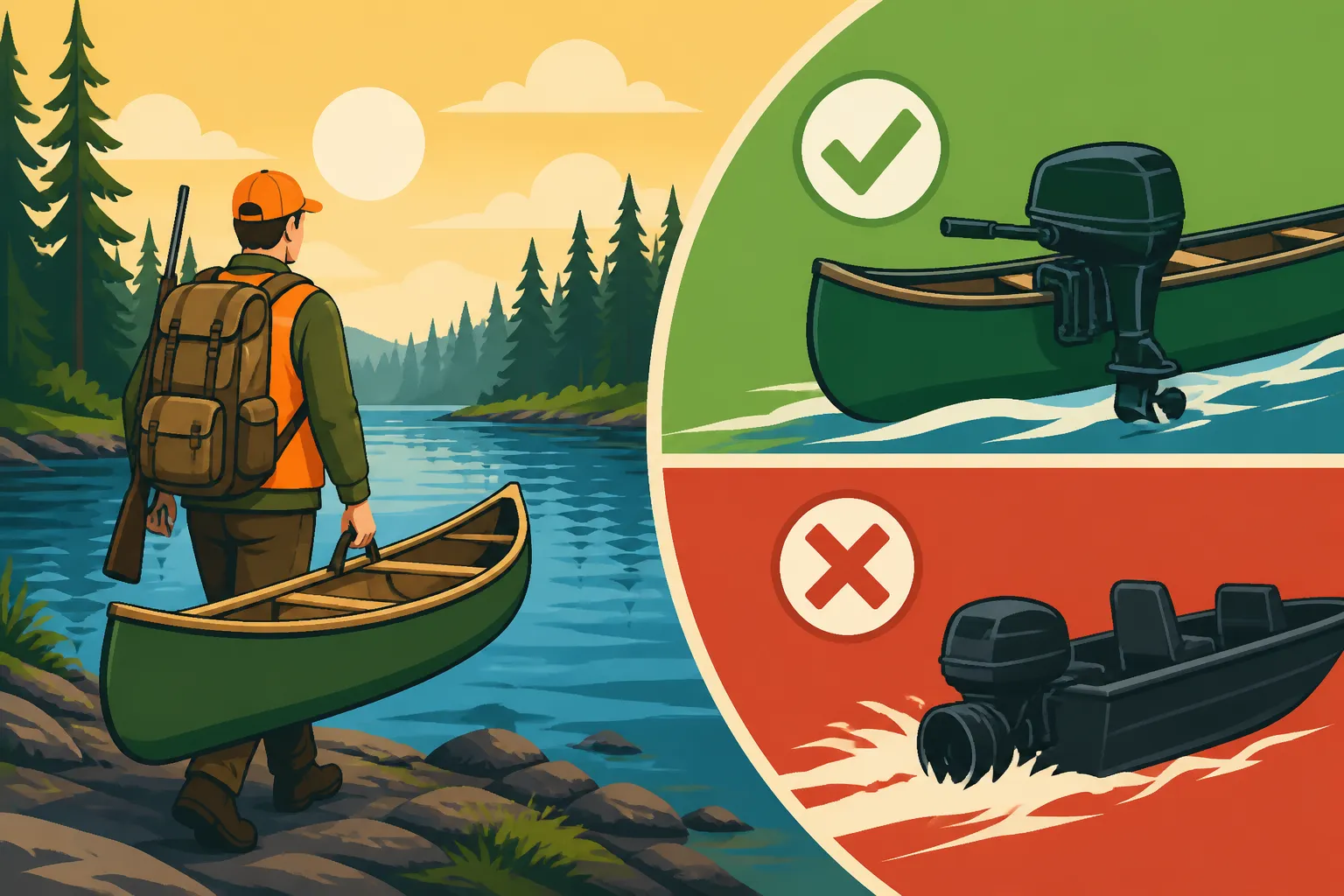
The most prominent examples of allowed motorized portages connect certain border lakes or larger entry point lakes to smaller, motor-restricted lakes. These are generally commercial services that operate under strict permits and schedules. They involve the use of specialized vehicles, often small trucks or tractors, that transport boats and gear over a short stretch of land between two bodies of water. For instance, you might find a motorized portage connecting Fall Lake to Basswood Lake, or between Saganaga Lake and other lakes further in. These aren't just dirt paths where you can drive your own ATV; they are formal, managed operations.
It's important to understand the limitations. These motorized portages are typically for pre-booked services. You can't just show up with your boat and expect to motor it across yourself. They exist to bridge significant geographical barriers, usually where an existing road or historical path made a direct land connection viable before the most stringent wilderness rules came into effect. They allow hunters and anglers to access certain large lakes that permit motors (like Basswood, Saganaga, or Sea Gull) more efficiently. But once you leave those specific lakes, the vast majority of the BWCAW requires traditional paddling and non-motorized portaging. Think of them as very specific gateways, not open highways into the wilderness.
Types of Motors and Horsepower Restrictions
Even on the lakes within the BWCAW where motors are permitted, there are strict horsepower limitations. This isn't directly a portage rule, but it influences what kind of boat you'd even be using if you needed a motorized portage. For example, some lakes might permit motors up to 25 horsepower, while others might be limited to 10 horsepower. These restrictions apply to the boat's engine on the water, not the vehicle doing the portaging. The motorized portage vehicles themselves are regulated under different permits and rules.
This means if you're planning a trip that involves a motorized portage, your boat and its motor must first comply with the horsepower limits for the lake you intend to launch on and the lake you're being portaged to. You can’t bring a massive motor just because a portage service can haul it. It’s all part of minimizing noise and environmental impact. For a hunter looking to reach a remote Hunting the Boundary Waters Canoe Area spot, these limits mean you’ll be traveling in smaller, lighter crafts, even on the motor-friendly lakes. This reinforces the wilderness experience, ensuring that even where motors are allowed, they don't dominate the soundscape or the feeling of remoteness.
Permitting and Planning for Motorized Portages
Accessing the BWCAW, even through a motorized portage, requires careful planning and permits. Just like any BWCAW entry, you'll need an entry permit for your group and designated entry point. If you plan to use a motorized portage service, you'll need to coordinate directly with the outfitter or service provider who holds the commercial permit for that specific route. These services are typically located at major entry points on the periphery of the BWCAW.
The process usually involves booking your permit in advance, often through recreation.gov, and then arranging your motorized portage with a local outfitter. They will inform you of their schedules, fees, and specific requirements for transporting your boat and gear. It's not a casual, spur-of-the-moment decision. Think of it like booking a guided trip; you're relying on a specialized service to facilitate access. This structured approach helps manage visitor numbers and ensures that the integrity of the wilderness is maintained, even at these points of higher access. Always confirm all details well in advance, especially during peak hunting or fishing seasons, as availability can be limited.
Here’s a simplified breakdown of common motorized access in and around the BWCAW:
| Lake Name | Motor Allowed? | Horsepower Limit (Typical) | Motorized Portage Available? | Notes |
|---|---|---|---|---|
| Basswood Lake | Yes | 25 hp | Yes (from Fall Lake) | Key destination for fishing/hunting with partial motor access. |
| Fall Lake | Yes | 25 hp | Yes (to Basswood Lake) | Common entry point with outfitters offering portage services. |
| Saganaga Lake | Yes | 25 hp | Yes (to Northern Light Lake) | Popular entry to the far north, with some unique motor rules. |
| Sea Gull Lake | Yes | 25 hp (on east half) | No | West half is paddle-only; east half has motor access. |
| Clearwater Lake | No | N/A | No | Typical paddle-only BWCAW experience. |
| Crooked Lake | No | N/A | No | Beautiful, but strictly non-motorized beyond Basswood. |
| Knife Lake | No | N/A | No | Famous for fishing, but paddle power is your only option here. |
Note: Horsepower limits and specific rules can vary slightly; always verify with official sources or a licensed outfitter before your trip.
Practical Implications for Hunters and Anglers
For those of us who love to chase whitetails, grouse, or pike in Minnesota's wild places, the BWCAW's motorized portage rules have real-world implications. They define not just how you get there, but also what kind of experience you'll have once you arrive. You might be able to use a motorized portage to get deeper into an area with less paddling, but the wilderness experience itself will still largely be defined by human power.
How Motor Restrictions Shape Your Hunt
Imagine planning a deer hunt in the BWCAW. With limited motor access, you're immediately thinking about a more physically demanding trip. If you can use a motorized portage, it might save you hours of paddling and multiple trips over a traditional carry-over. This means you can bring in more essential gear, like a heavier sleeping bag for Muzzleloader Tactics in December Cold or specialized equipment for processing game. However, once you're on the lake the motorized portage brought you to, you're back to human power for traversing that lake and any subsequent portages.
This shapes your hunting strategy significantly. You're less likely to be able to "run and gun" between distant spots. Instead, it encourages a more deliberate, slower pace, focusing on one or two key areas that you can access by paddle and foot. Your scouting becomes even more critical; you'll want to use mapping tools like onX Hunt or GoHunt to identify potential Reading Aerial Photos for Big Woods Deer before you even leave home. When you're considering the weight of your rifle and ammunition, or if you're carrying a Portable Treestands Worth Packing In, every ounce matters when you know you'll be paddling and portaging by hand beyond those few motorized exceptions. This ultimately makes your BWCAW hunt a truly immersive and challenging endeavor, relying on traditional skills rather than mechanical advantage.
Gear Considerations for Non-Motorized Travel
The fundamental reality for most BWCAW travel, even with motorized portage access to certain lakes, is that you'll still be relying on canoes or kayaks and your own two feet. This demands a specific approach to gear. Every item must be carefully considered for its weight, durability, and multi-functionality. Lightweight tents, sleeping bags, and cooking systems are paramount. Packing a Canoe for a Boundary Waters Hunt means thinking about waterproof bags and how to distribute weight evenly.
Instead of a heavy tackle box, you might opt for a smaller selection of lures. For hunting, you'll want a rifle that's easy to carry and potentially broken down for portaging, or perhaps a vertical bow that won't snag on brush. Bow and Crossbow Setups for Minnesota need to be robust and reliable. Navigation will rely on waterproof maps and a reliable GPS unit or phone app loaded with offline maps, because cell service is non-existent in much of the wilderness. Your choice of Boots for Minnesota Swamps and Snow will be crucial, as will appropriate layering for unpredictable weather. Remember, a motorized portage might get your boat across, but you'll still be hauling your pack and walking the portage alongside it. This means your personal gear needs to be optimized for traditional wilderness travel, no matter how you get your canoe there.
Accessing Remote Areas with and Without Motors
The allure of the BWCAW is often its remoteness – the promise of undisturbed hunting grounds or untouched fishing holes. Motorized portages can certainly help you reach some of these deeper, larger lakes with less effort. Imagine being able to bypass a particularly long or difficult portage by having an outfitter transport your canoe, giving you a fresh start deeper into the wilderness. This can be a huge advantage for accessing areas that would otherwise require an exhausting day or two of straight paddling and multiple portages.
However, once you leave those specific motor-permitted lakes, the vast majority of the BWCAW opens up to strictly non-motorized access. This is where true wilderness adventurers find their niche. By embracing paddle-only travel and traditional portaging, you can access areas that see far less human pressure. These are the spots Where Big Woods Bucks Bed in Minnesota might be found undisturbed, or where grouse flush more readily because they hear fewer voices. The motorized portage is a tool to get you to a starting line; the real race into the deepest parts of the wilderness is still run on human power. It's a choice: use the limited motor access for efficiency on certain routes, or commit fully to the paddle-and-portage method to dive into truly secluded territory.
Planning Your Trip: Resources and Considerations
Successfully navigating the BWCAW, whether you utilize motorized portages or not, hinges on meticulous planning. This isn't a place for casual, spur-of-the-moment decisions. The wilderness demands respect and preparation, and having the right tools and mindset will make all the difference in your experience.
Essential Mapping and Navigation Tools
In an area as vast and wild as the BWCAW, reliable navigation is non-negotiable. While a traditional paper map and compass are always your primary backup and a vital skill, modern technology can be an incredible asset. Apps like onX Hunt and GoHunt are invaluable for pre-trip scouting and in-the-field navigation, even if you’re focusing on areas adjacent to or surrounding the BWCAW. These tools allow you to study topography, identify potential funnels or bedding areas, and understand land ownership and boundaries, which can be critical even when Finding Ground Others Walk Past.
Within the BWCAW itself, these apps can help you track your progress, identify portage locations, and avoid getting lost, especially when downloaded for offline use before you lose cell service. They can show you campsite locations, water depths (if available for that specific lake), and even help you visualize elevation changes for those challenging portages. Knowing precisely where you are and where you're headed reduces stress and allows you to focus on the hunt or the fishing. For instance, knowing the precise length and elevation profile of a motorized portage route, even if a commercial service is doing the heavy lifting, can help you plan your personal gear and time more effectively. Always carry multiple forms of navigation, and know how to use them all.
Respecting the Rules and Preserving the Resource
Ultimately, the motorized portage rules, like all BWCAW regulations, are in place to preserve a truly unique and irreplaceable natural resource. As hunters and anglers, we have a profound responsibility to be good stewards of these lands. Respecting the rules isn't just about avoiding fines; it's about upholding the integrity of the wilderness experience for ourselves and for future generations.
This means thoroughly understanding your Getting a Boundary Waters Entry Permit, adhering to all motor restrictions, practicing leave-no-trace principles, and being mindful of your impact. If you choose to use a motorized portage, appreciate it for the specific, limited access it provides, rather than viewing it as a loophole to avoid the wilderness ethos. Whether you're hunting ruffed grouse deep in the popple cuts or chasing walleye on a remote lake, the BWCAW offers an unparalleled opportunity to connect with nature on its most fundamental terms. By understanding and respecting the rules, you help ensure that these adventures remain possible.
Disclaimer
This article is for general informational purposes only and does not constitute professional advice. Laws, prices and regulations vary by location and change over time. Consult a qualified professional for guidance on your specific situation.