Beltrami and Koochiching County Forests
Hunting vast expanses of public land can feel like staring at a blank canvas, especially when you're looking at the sprawling county forests of northern Minnesota like those in Beltrami and Koochiching. It’s easy to feel overwhelmed by the sheer scale, wondering where to even begin finding deer, grouse, or bear in such immense, often unbroken timber. This guide aims to peel back the layers of these incredible northern landscapes, offering insights into what makes them prime hunting destinations and how to approach them effectively.
Unpacking Beltrami and Koochiching County Forests: A Northern Minnesota Gem
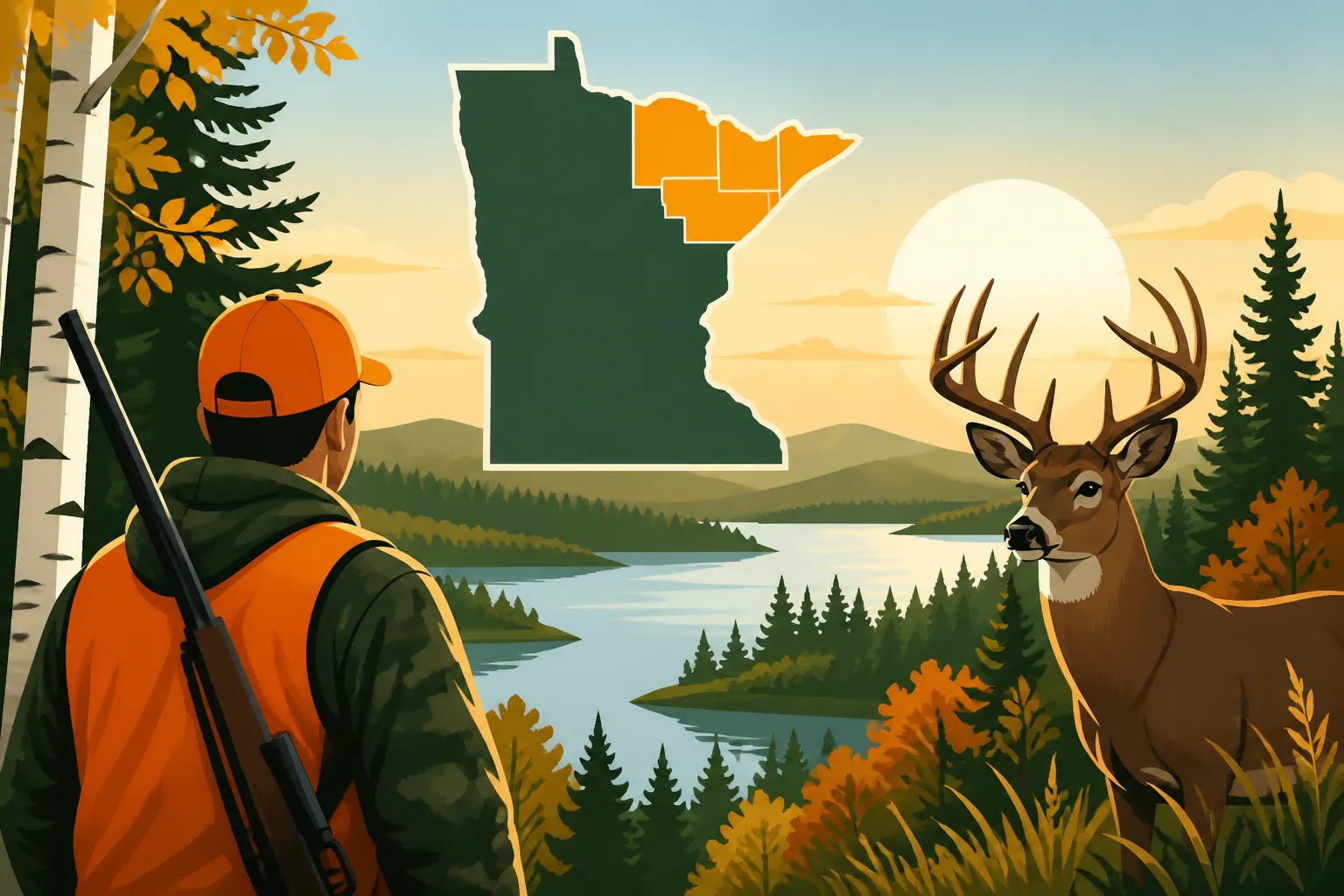
When you look at a map of northern Minnesota, Beltrami and Koochiching counties just pop with green. These aren't just patches of woods; we're talking about immense tracts of county-managed forest land, often interspersed with state and federal ownership, creating a near-endless wilderness experience. For the hunter weary of crowded public parcels closer to the metro, or those looking for a true "big woods" challenge, these counties offer an appealing alternative. The frustration of finding a small, pressured piece of public ground gives way to the challenge of effectively navigating and hunting a truly vast landscape.
Many hunters, myself included, have spent years focusing on the more "obvious" deer or grouse hot spots, only to find them increasingly crowded. That's where these northern county forests shine. They demand more effort, more scouting, and often a different approach, but they reward persistence with genuine solitude and the chance at older, wiser animals. Forget the tiny woodlots you might be used to; here, you can walk for miles without hitting a road or a property line. It’s a completely different mindset.
The Landscape: More Than Just Trees
The terrain in Beltrami and Koochiching counties isn't uniform. While both are dominated by forest, they each have distinct characteristics. Beltrami, for example, often features a mix of aspen, birch, conifer swamps, and hardwood ridges, particularly as you move south and east from its central plains. You'll find a lot of younger forest cuts, which are magnets for grouse and provide excellent browse for deer. The county is dotted with countless lakes and rivers, too, influencing deer movement and providing travel corridors.
Koochiching County, further north and along the Canadian border, leans more heavily into vast lowland conifer swamps, particularly black spruce and tamarack. These dense, often wet areas can be incredibly difficult to traverse but offer excellent thermal and security cover for deer, especially during harsh winters. Higher, drier ridges within this swamp ecosystem, often supporting aspen and pine, become critical travel routes and feeding areas. Understanding these subtle differences in habitat is key to finding game. It’s not just "woods" – it’s a mosaic of habitats, each playing a role in the lives of the animals you pursue. Think of it less as a monolithic forest and more as a series of interconnected rooms, some offering food, some offering bedding, and some offering sanctuary.
Public Access and Ownership
One of the biggest advantages of Beltrami and Koochiching is the sheer amount of public land. While you'll encounter state forests, federal lands like the Chippewa National Forest (which borders Beltrami to the south), and Wildlife Management Areas (WMAs), the county forests make up a substantial portion. These lands are generally open to hunting, though it's always wise to double-check local regulations and temporary closures. Maps become your best friend here. Tools like onX Hunt are absolutely indispensable for discerning ownership boundaries in these complex areas. Without them, you'd be constantly guessing or pulling out paper maps that often lag behind current conditions. You really need to know where you stand, literally, especially when moving between different land management types.
Prime Game Species and Habitat Niches
These expansive northern forests aren't just beautiful; they're teeming with a variety of game. While deer often get top billing, Beltrami and Koochiching offer fantastic opportunities for bear, grouse, and even the occasional moose sighting (though hunting moose is closed in Minnesota). Understanding what habitat each species prefers in these counties is crucial for success.
White-Tailed Deer: Big Woods Challenge
Hunting deer in the big woods of Beltrami and Koochiching is a different ballgame than hunting farmland edges. Deer densities might not be as high as in southern Minnesota, but the bucks often grow older and larger because of reduced hunting pressure and expansive cover. Finding them requires a lot of legwork, patience, and attention to subtle sign. Deer in these environments are masters of using cover, often bedding in the densest conifer swamps or thick regeneration where hunters rarely venture.
You'll often find deer concentrated around recent clear-cuts, where the new growth provides abundant forage. Look for the edges of these cuts, especially where they meet thicker thermal cover. Logging roads and old skid trails often act as travel corridors. In Koochiching, those islands of high ground within the vast spruce bogs become crucial sanctuaries. You might not see a ton of deer sign, but what you find could be from an older, reclusive buck. Don't be afraid to walk a long way from the road; Where Big Woods Bucks Bed in Minnesota is often far from human disturbance. During the rut, these areas can be incredible, as bucks move extensively looking for does. You might consider using a ground blind on Minnesota Public Land in thicker spots or along heavily used trails if treestands are difficult to deploy.
Ruffed Grouse: The King of the North
If you're a grouse hunter, Beltrami and Koochiching counties are like a dream come true. These forests are managed for timber, which means a continuous cycle of logging creates varying age classes of aspen and birch – prime grouse habitat. Young aspen stands, roughly 8-20 years old, are especially productive. These areas offer dense cover for protection and abundant buds for winter food. Walking these thickets, especially in the fall, can be an incredibly rewarding experience.
Look for areas with a good mix of young aspen, alder runs, and conifer edges. Grouse Hunting Minnesota Aspen Cover is a classic strategy up here. Sometimes the best grouse spots are found by simply driving forest roads and stopping where you see good-looking cover. Listen for drumming in the spring to identify potential hot spots for the fall. Bringing a good bird dog can significantly increase your success rate, but plenty of hunters find birds by simply still-hunting through prime cover. The joy of a flushing grouse in these quiet woods is hard to beat.
Black Bear: A True Wilderness Hunt
Both counties offer solid opportunities for black bear. These are large, forested areas with plenty of remote country for bears to thrive. While bear hunting often involves baiting, successful still-hunting or spot-and-stalk can also occur, particularly during early fall when bears are actively feeding on berries and acorns (if available). Bear Hunting Without Bait or Dogs requires immense patience and knowledge of bear habits.
Bears often utilize the same dense cover as deer, especially conifer swamps, for bedding and security. Look for sign around natural food sources: berry patches, oak stands (though less common in the far north), and areas with wild apples. Understanding bear movements and preferred feeding sites is key. If you're considering a baiting approach, remember to register your bait site and follow all regulations. The remote nature of these county forests provides an ideal environment for bears to grow large and old.
Navigating and Hunting These Northern Expanses
Hunting in Beltrami and Koochiching counties requires a bit more preparation and a different mindset than smaller, more accessible public lands. The scale is immense, and getting lost or unprepared can quickly turn a fun hunt into a stressful situation.
Essential Scouting and Mapping Tools
Pre-season scouting is absolutely critical, but it's not always possible to put boots on the ground months in advance, especially if you're traveling a long distance. This is where digital mapping tools truly shine. Apps like onX Hunt or GoHunt (which offers excellent map overlays for public land) allow you to virtually scout from home. You can identify potential access points, pinpoint clear-cuts, locate dense cover, and mark likely travel corridors without ever stepping foot in the woods. Pay attention to topography—even subtle changes can funnel deer in flat country. Reading Aerial Photos for Big Woods Deer becomes an invaluable skill.
When you are on the ground, always carry a GPS unit or a fully charged phone with a reliable mapping app. Cell service can be spotty or non-existent in many parts of these counties, so downloading offline maps is a must. Knowing Using Recreation Compass Without Cell Service is essential for safe navigation. Mark your vehicle, your stand locations, and any significant sign you find. It's easy to get turned around in uniform timber, and these tools can literally be lifesavers.
Accessing the Backcountry
While there are main roads, both counties have extensive networks of gravel forest roads, logging trails, and old two-tracks. Many of these are gated or become impassable, especially after rain or snow, so always check local conditions. The willingness to walk is your greatest asset here. The further you get from main roads, the less hunting pressure you'll generally encounter.
For deer, identifying clear-cuts that are a mile or more from the nearest accessible road can be a game-changer. For grouse, driving these forest roads and stopping frequently to walk small loops through prime cover is a common and effective tactic. Remember Vehicle Rules on Minnesota Public Land and respect any closures or restrictions, as these are in place for safety and resource protection. Sometimes, an ATV or UTV might grant you access to areas otherwise unreachable by truck, but again, always check if motorized use is permitted on specific trails or roads.
Weathering the Northern Elements
Minnesota's northwoods can be brutally cold and wet, especially during the deer and bear seasons. Being prepared for rapidly changing weather is non-negotiable. Layering your clothing is paramount. Wool and synthetic base layers, insulating mid-layers, and a waterproof/windproof outer shell are standard. Don't forget insulated, waterproof boots suitable for slogging through wet ground or deep snow. Clothing for a Minnesota November often involves packing more than you think you'll need.
A small, lightweight survival kit, including a fire starter, extra food, water, and a first-aid kit, should always be in your pack, especially when venturing deep into the backcountry. The vastness of these forests means that help isn't always around the corner, and self-reliance is key.
Here's a quick comparison of what you might expect when hunting the county forests in Beltrami vs. Koochiching:
| Feature | Beltrami County Forests | Koochiching County Forests |
|---|---|---|
| Primary Habitat | Mixed hardwoods, aspen, birch, conifer swamps, lakes | Vast lowland black spruce/tamarack bogs, some aspen |
| Deer Challenge | Good mix of cover/food; often older clear-cuts | Extremely dense thermal cover; islands of high ground |
| Grouse Potential | Excellent; abundant aspen regeneration | Very good, especially on higher ground and edges |
| Bear Potential | Strong; varied food sources, good cover | Strong; vast, remote areas, dense cover |
| Access Difficulty | Moderate; good network of forest roads, some closures | Moderate-High; more remote, wetter terrain, fewer roads |
| Typical Terrain | Rolling to flat, numerous lakes and wetlands | Very flat, dominated by large, wet bogs |
| Solitude Level | High | Very High |
This table provides a generalized overview, and conditions can vary greatly within each county. However, it gives a sense of the distinct character each offers to the adventurous hunter.
Conclusion
Hunting the county forests of Beltrami and Koochiching is an experience unlike any other in Minnesota. It challenges you to truly embrace the wilderness, demanding robust scouting, careful navigation, and a willingness to put in the effort. While the sheer scale can be daunting, the rewards—solitude, abundant game, and the thrill of a genuine backcountry hunt—are immense. So, grab your maps, charge your GPS, and get ready to explore some of the wildest public hunting grounds Minnesota has to offer. You might just find your new favorite spot among the vast, whispering pines and rustling aspens of the north.
Disclaimer
This article is for general informational purposes only and does not constitute professional advice. Laws, prices and regulations vary by location and change over time. Consult a qualified professional for guidance on your specific situation.