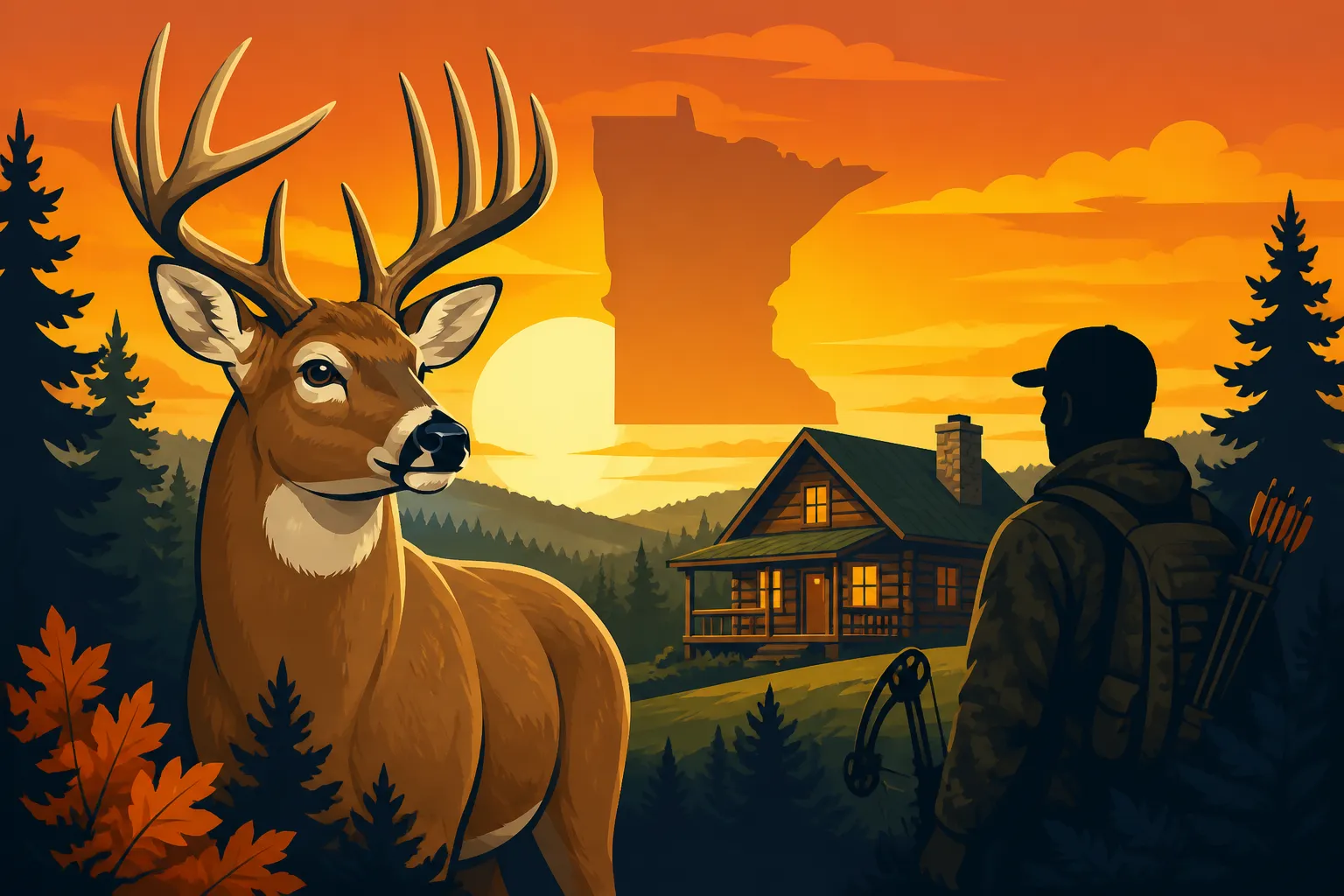
Minnesota Deer Camps and Cabins
For many of us who live and breathe Minnesota hunting, the concept of "deer camp" isn't just a place; it's a feeling, a deep-seated tradition, and often, the source of our fondest memories and biggest headaches. From the rusty old shack up north to a cozy rented cabin on a private lake, finding and maintaining that perfect home base for hunting season can be a real struggle, balancing budget, amenities, and proximity to prime hunting ground. This guide is here to walk you through the ins and outs of Minnesota deer camps and cabins, exploring the different types, how to find them, what to consider, and how to make your camp a truly special part of your annual tradition.
The Enduring Tradition of Minnesota Deer Camp
Deer camp is more than just a place to sleep; it’s a time-honored ritual, a gathering of family and friends, and a pillar of the hunting experience here in Minnesota. For generations, hunters have ventured north, south, or west to their chosen sanctuary, leaving behind the hustle and bustle of everyday life for a few precious days or weeks in pursuit of whitetails and camaraderie. The stories told around a crackling fire, the shared meals, the strategic planning sessions over topographic maps – these are the threads that weave the rich tapestry of deer camp.
What Deer Camp Means to Minnesotans
For many, deer camp is synonymous with opening weekend of firearm season, a yearly pilgrimage that begins long before the first shot is fired. It's a place where grandfathers teach grandsons, where friendships are forged and tested, and where the rhythm of nature takes over from the clock. The simple act of packing up the truck, heading down a gravel road, and seeing the familiar structure or setting of camp evokes a powerful sense of belonging and anticipation. It’s a collective experience, often passed down through families, evolving slightly with each generation but retaining its core spirit of shared adventure and hard work.
Sometimes, deer camp is a rustic affair, perhaps a glorified shed with a wood stove, where comfort is secondary to function and the focus is entirely on the hunt. Other times, it's a more modern cabin, equipped with all the necessities, allowing for a bit more relaxation after a long day in the woods. Regardless of its physical form, the essence of deer camp remains constant: a dedicated space where the pursuit of deer, the joy of the outdoors, and the bond between hunters come first. It’s a sacred space in its own right, a place of connection to the wild and to each other.
The Evolution of Deer Camp Styles
Historically, many Minnesota deer camps were simple, hand-built structures on inherited land or leased timber property. These camps were often basic, sometimes without running water or electricity, embodying a rugged, self-reliant spirit. Think of the classic "deer shack" – a small, unassuming cabin designed purely for utility during hunting season. These camps served as essential hubs for sleeping, eating, and processing game, allowing hunters to stay close to their hunting grounds for extended periods. They were often places of shared labor, with improvements and maintenance being a communal effort.
Today, while the traditional deer shack certainly endures, the concept of deer camp has broadened considerably. Many hunters now rent cabins or even large homes for the season, leveraging modern amenities and comfort. Others opt for more mobile setups, utilizing RVs, pop-up campers, or even elaborate tent camps on public lands, allowing them flexibility in location. This shift reflects changing lifestyles, financial considerations, and an increased availability of rental options. Whether it’s a permanent structure or a temporary setup, the goal remains the same: a dedicated base from which to launch hunting expeditions and share the experience with fellow hunters. The "camp" aspect is about the community and purpose, not just the building itself.
Choosing Your Minnesota Deer Camp Style
Deciding on the right type of deer camp for your hunting party involves weighing several factors, from cost and convenience to the level of rustic charm you're seeking. There's no one-size-fits-all answer, as what works for one group might be entirely impractical for another. Understanding the pros and cons of each style can help you make an informed decision that enhances your hunting experience.
Owned Cabins and Hunting Shacks
Owning a dedicated hunting cabin or shack is the quintessential Minnesota deer camp experience for many. This often means a parcel of land, maybe a few acres or more, with a structure that's been in the family for years, or a new acquisition. The biggest advantage is permanence and personalization. You can leave stands up, store gear, and tailor the property and cabin exactly to your group's needs and traditions. It becomes truly yours. You're investing in a legacy, a place that accumulates memories year after year. Minnesota Deer Camp Costs can vary wildly, from a simple, basic shack on raw land to a fully equipped cabin with all the modern comforts.
However, ownership comes with significant responsibilities and expenses beyond the initial purchase. Property taxes, insurance, utilities, and ongoing maintenance can add up. There's the time commitment for upkeep, especially if the cabin is remote. You'll need to consider things like well water, septic systems, and heating in the bitter Minnesota cold. Access can also be a challenge, particularly in winter, if the cabin is located on unmaintained roads. Despite these considerations, for many, the investment in an owned cabin is well worth it for the control, comfort, and deep tradition it offers. It fosters a truly unique Minnesota Deer Camp Traditions that can't be replicated elsewhere.
Rented Cabins and Lodges
For those who want the comfort of a solid roof and amenities without the long-term commitment and costs of ownership, renting a cabin or lodge is an excellent option. Minnesota has a vast tourism industry, meaning there are countless cabins, resorts, and vacation rentals available, particularly in popular areas like the Brainerd Lakes region, along the North Shore, or near state forests. This allows your group to pick a location based on where you plan to hunt that year, offering flexibility that an owned cabin might not. You can often find places with full kitchens, hot showers, and even Wi-Fi, making the post-hunt wind-down much more comfortable.
The downside, of course, is that it's not your camp. You can't leave gear, make modifications, or rely on the same setup year after year. Rental costs can also be substantial, especially during peak hunting seasons, and availability can be tight, requiring advance booking. Cleaning fees and security deposits are common. Despite this, renting offers a convenient, often more comfortable, and less labor-intensive way to establish a deer camp, particularly for groups who prefer to travel to different hunting zones or don't want the burden of property management. It's a great choice for a more relaxed, "turn-key" experience.
Public Land Camping and Mobile Setups
For the more adventurous or budget-conscious hunters, setting up a temporary camp on public land or utilizing a mobile setup like an RV or camper offers ultimate flexibility. Camping on Minnesota Public Hunting Land is permitted in many areas, including designated campgrounds within state forests and national forests like the Superior and Chippewa National Forest Hunting. This allows you to set up camp right in or adjacent to your hunting area, minimizing travel time each morning and evening. You might find yourself tucked deep into a remote corner of a Wildlife Management Area (WMA) or a state forest, far from the crowds.
This style of camp can range from a minimalist tent setup to a fully self-contained RV with solar power. The freedom to move your camp based on scouting, game movement, or pressure from other hunters is a huge advantage. However, amenities are often limited or nonexistent. You'll need to be self-sufficient with water, food storage, waste management, and power. Comfort can be highly dependent on your gear and the weather. Additionally, some public land areas have specific rules about camping duration, campfires, and vehicle access, so it's crucial to check local regulations. For hunters who prioritize mobility and immersion in the wilderness, public land camping provides a raw, authentic deer camp experience.
Finding and Securing a Minnesota Deer Cabin
Once you've decided on your preferred style of deer camp, the next step is actually finding and securing that perfect spot. This process can be daunting, especially in popular hunting areas or if you're looking for a long-term solution. It requires a bit of research, networking, and understanding of the local landscape, both physical and legal.
Researching Potential Locations
Your first step should be to identify the general hunting areas that appeal to your group. Are you looking for big woods bucks in northern Minnesota, or farmland deer in the west or southeast? This will narrow down your geographical search for a cabin or suitable camping spot. Tools like the Minnesota DNR's Recreation Compass map are invaluable for identifying public lands, state forests, and WMAs. Online mapping platforms like onX Hunt are an absolute game-changer here; they allow you to overlay property boundaries, public land ownership, and even satellite imagery to scout potential cabin locations or camping spots from your couch. You can see terrain features, access roads, and proximity to water or food sources, all of which are crucial for deer habitat.
For private land options, local real estate listings, vacation rental websites, and even community bulletin boards in smaller towns can be great resources. Don't underestimate the power of simply driving through an area you like and looking for "for rent" or "for sale" signs, particularly for more rustic hunting shacks that might not be advertised widely online. Talking to locals, even at the gas station or bait shop, can also yield valuable insights into available properties or local landowners willing to lease.
Navigating Ownership, Leases, and Rentals
Securing your deer camp depends heavily on the chosen style:
-
Buying an Owned Cabin: This is a significant financial and long-term commitment. Work with a local real estate agent who understands the nuances of rural properties and hunting land. They can help you with understanding property values, potential for timber or recreation, and legal access. Be prepared for a competitive market, especially for cabins near prime hunting zones. When you’re Buying Into a Minnesota Deer Shack, consider the condition of the structure, the quality of the land, and any deeded access easements. Don't forget to factor in ongoing costs like property taxes and insurance.
-
Hunting Leases: Leasing private land for hunting is another popular option, especially for groups who want consistent access to quality ground without the capital investment of ownership. This usually involves a formal agreement with a landowner, often on an annual basis. You'll need to find landowners willing to lease, which can be done through networking, local land management companies, or even by placing "hunting wanted" ads. A good lease agreement should clearly define access rights, hunting dates, what activities are permitted (e.g., hanging stands, food plots), and liability. Finding a Minnesota Hunting Lease can be challenging, but a solid relationship with a landowner often lasts for many years. Ensure you understand Minnesota Trespass and Permission Law when dealing with any private land.
-
Renting a Cabin/Lodge: For shorter-term stays, focus on vacation rental platforms, local resort websites, or even Airbnb/Vrbo. Book well in advance, especially for opening weekend or during the peak rut, as desirable cabins get snatched up quickly. Always read reviews and clarify what amenities are included (bedding, kitchenware, firewood, etc.). Understand cancellation policies and check-in/check-out times. Some resorts cater specifically to hunters, offering amenities like game processing areas or walk-in freezers, which can be a huge bonus.
Essential Considerations for Setting Up Your Deer Camp
Once you've secured your deer camp, whether it's an old family shack or a rented lodge, the real work begins to make it functional and comfortable for your hunting party. From logistical planning to understanding local rules, a well-organized camp leads to a more enjoyable and successful hunt.
Logistics and Amenities
Think about the basic needs first. Water is paramount: is there potable running water, or will you need to bring in bottled water for drinking and cooking? For washing, a simple gravity-fed system or even just a few large jugs of water can suffice in a rustic camp. Next, consider food. A proper kitchen with a stove, oven, and refrigerator makes meal prep much easier and safer, especially for handling raw meat. If your camp is more primitive, a propane cookstove, cooler system, and dedicated food storage bins are essential to keep pests out.
Sleeping arrangements are another key factor. Bunk beds are classic deer camp staples, maximizing space. Ensure everyone has adequate bedding for cold Minnesota nights. Heating is non-negotiable; whether it's a wood stove, propane furnace, or electric heaters, you need a reliable way to stay warm after a long, cold day in the stand. Lighting, especially for early mornings and late nights, is also crucial. Battery-powered lanterns, headlamps, and solar-powered lights can make a huge difference in camps without electricity. Don't forget a first-aid kit, and a generator can be a lifesaver for powering essential items or charging devices if you're off-grid.
Regulations and Safety
Even in the most remote deer camp, you're not immune to regulations. If you're on Minnesota State Forest Hunting land or in a national forest, there will be rules regarding campfires, quiet hours, waste disposal, and potentially even vehicle access. For privately owned or leased land, you still need to be aware of state hunting regulations, such as legal shooting hours, blaze orange requirements, and tagging rules. Many areas, particularly in southeast Minnesota, also have specific CWD (Chronic Wasting Disease) regulations concerning Minnesota Carcass Movement Restrictions, which can impact how you handle and transport your deer after the kill.
Safety extends beyond hunting practices. Fire safety in camp is crucial, especially with wood stoves or propane heaters. Ensure proper ventilation to prevent carbon monoxide buildup. Keep a fire extinguisher handy. If using a generator, operate it outdoors and away from windows. Safe food handling, particularly with game meat, is also critical to prevent spoilage and illness. Field Dressing a Deer in Cold Weather can be easier, but proper cooling and storage are still essential. After a successful hunt, your deer needs to be registered according to state law, often online, and sometimes Registering a Deer at a Minnesota Station is still an option in specific areas, so know the process before you head out.
Managing Your Deer Camp for Success and Sustainability
A well-run deer camp doesn't just happen; it's the result of good planning, clear communication, and shared responsibility. By establishing routines and expectations, you ensure that everyone contributes to the camp's success and that the tradition can continue for years to come.
Shared Responsibilities and Camp Chores
One of the cornerstones of a successful deer camp is the equitable distribution of tasks. Nobody wants to be the only one washing dishes or splitting firewood. Before the season even begins, establish a clear understanding of who is responsible for what. This might include:
- Cooking Rotation: Assigning specific days or meals to different individuals or teams.
- Firewood Duty: Keeping the wood pile stocked for the stove or campfire.
- Cleaning: Maintaining cleanliness in the cabin, kitchen, and outhouse (if applicable).
- Water Management: Ensuring there's enough potable water and managing greywater.
- Game Processing: A communal effort for field dressing, skinning, and preparing deer for transport or Butchering a Deer at Camp.
Having a flexible roster or simply rotating duties daily can prevent burnout and resentment. Remember, deer camp is about camaraderie, and shared labor strengthens those bonds. It also instills a sense of ownership and pride in the camp. For larger groups, one person might act as a "camp boss" to gently coordinate activities, ensuring everything runs smoothly.
Off-Season Maintenance and Planning
Deer camp isn't just a seasonal affair; especially for owned cabins, year-round attention is required. Regular off-season trips are important for maintenance and improvements. This might involve:
- Winterizing: Draining water pipes, securing windows, and performing pest control before winter sets in.
- Spring Opening: Checking for winter damage, turning on utilities, and cleaning up.
- Habitat Work: If your camp is on private land, the off-season is ideal for Scouting Minnesota Public Land Before Season, clearing shooting lanes, planting small food plots, or performing other habitat improvements that benefit deer.
- Gear Inventory: Taking stock of shared camp gear – propane, lanterns, first-aid supplies – and replacing or repairing as needed.
- Strategic Planning: Use the off-season to review the previous year's hunt, discuss strategies for the upcoming season, and study maps (like onX Hunt again) to identify new hunting areas or stand locations around the cabin. This is also a good time to apply for any special hunt permits or antlerless lotteries, keeping your camp's location in mind.
A well-maintained camp is a pleasure to return to each year, and consistent planning ensures that you're always ready for opening day. It builds anticipation and makes the most of your hunting property or access.
Long-Term Camp Vision
Finally, consider the long-term vision for your deer camp. Is it a place you hope to pass down through generations? Are there improvements you want to make over time, like adding an indoor bathroom or expanding sleeping quarters? Discuss these aspirations with your hunting partners or family members. Saving a "camp fund" for major projects can make these dreams a reality. Think about how the camp can adapt to changing needs, such as accommodating younger hunters or different hunting styles (archery season might have different needs than firearm season).
A sustainable deer camp also means fostering a culture of respect for the land, the wildlife, and each other. This includes practicing ethical hunting, leaving no trace, and being good neighbors if your camp is near other properties. By nurturing the spirit of deer camp and investing in its future, you ensure that this cherished Minnesota tradition continues to thrive for many years to come.
Disclaimer
This article is for general informational purposes only and does not constitute professional advice. Laws, prices and regulations vary by location and change over time. Consult a qualified professional for guidance on your specific situation.