Root River Blufflands Public Ground
Finding quality public hunting land in Minnesota's unique bluff country can feel like searching for a needle in a haystack, especially when you're staring at a topographical map that looks like a crumpled piece of paper. The steep ridges, deep valleys, and checkerboard of private parcels can be intimidating. This guide is here to walk you through the Root River Blufflands, helping you understand where to go, what to expect, and how to effectively hunt this stunning, yet challenging, corner of our state.
Understanding the Root River Blufflands Region
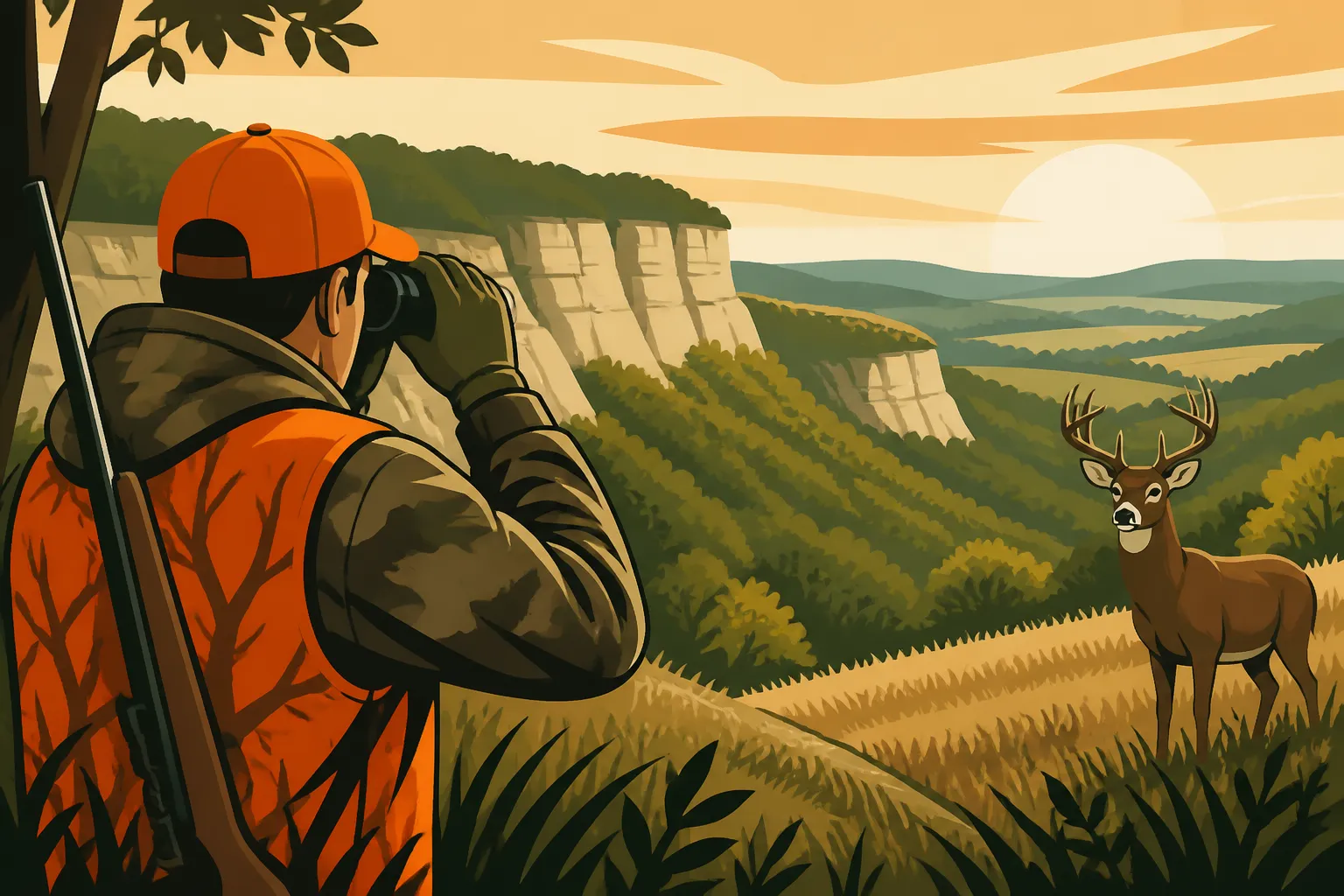
The Root River Blufflands are a truly special part of Minnesota, distinct from the vast forests up north or the flat farmlands to the west. This southeastern corner of the state, often referred to as "bluff country," is characterized by its dramatic topography: steep, forested hillsides carved by ancient rivers and streams, leading down to fertile valley floors. It's a landscape that presents both unique challenges and incredible opportunities for hunters.
What Makes This Area Unique for Hunting?
Unlike the relatively flat terrain of much of Minnesota, the blufflands offer a vertical dimension that dictates everything from deer movement to human access. The "bluffs" themselves are steep, often heavily timbered ridges, interspersed with deep ravines, spring-fed creeks, and narrow valley bottoms. This creates a mosaic of habitat types within a small geographic area. You'll find mature hardwoods like oak, hickory, and maple clinging to the slopes, giving way to cedar thickets in the draws and agricultural fields or pastureland on the valley floors.
Hunting here isn't just about reading tracks; it's about reading the contours of the land. Wind currents behave differently, thermals play a massive role, and deer often use benches and natural funnels created by the topography to travel. It's a physical hunt, demanding stamina and strategic thinking, but the rewards are often worth the effort. There's a certain satisfaction that comes from navigating these challenging hillsides and outsmarting a wary whitetail or gobbler in their own domain. It's an immersive experience that connects you deeply to the wildness of this unique Minnesota landscape.
Key Species You'll Find There
While the blufflands are rich in various wildlife, the primary draws for hunters are undoubtedly white-tailed deer and wild turkeys. The mix of mature hardwoods, dense cover, and agricultural food sources provides an ideal environment for both.
Deer thrive in this habitat. The steep slopes offer excellent bedding cover, especially on south-facing hillsides where they can catch the sun in colder months. The acorns from the abundant oak trees provide crucial sustenance, and the valley fields offer a constant food supply of corn and soybeans. Bucks in this region often grow large, as the broken terrain provides them plenty of places to escape pressure and reach maturity. You'll find deer using the draws and benches as travel corridors, moving between bedding areas on the bluffs and feeding areas in the valleys. Successfully hunting here often means understanding these travel patterns.
Wild turkeys have also made an incredible comeback in this region, and the blufflands are now home to a healthy population. The mature oaks provide excellent roosting sites, and the mixture of open fields and dense timber gives them everything they need to thrive. Spring turkey hunting in the blufflands can be exhilarating, with gobblers echoing across the valleys. Fall turkey hunting also offers opportunities, often involving breaking up flocks and calling birds back in. The ability to climb and descend these hills quietly is crucial for both deer and turkey hunting success.
General Overview of Public Land Availability
Despite the prevalence of private farmland and rural residences in the bluff country, Minnesota offers a surprising amount of public hunting ground in the Root River area, primarily through Wildlife Management Areas (WMAs) and scattered State Forest lands. These parcels, while sometimes smaller or more fragmented than the vast public lands up north, are often strategically located in prime habitat.
The key is knowing where to look and being willing to work for it. Many of these public parcels are rugged, requiring a good hike to get away from road hunters. This is often where the biggest advantage lies; if you're willing to put in the physical effort, you can find unpressured pockets of game. Additionally, the state's Walk-In Access (WIA) program often leases private land for public hunting, providing valuable access to agricultural areas or adjoining timber that might otherwise be off-limits. These WIA parcels are typically well-marked and offer excellent opportunities, especially for pheasants, turkeys, and deer moving between timber and fields. Finding these areas is paramount, and it pays to do your homework before you ever set foot in the woods.
Navigating Public Access in Bluff Country
The beauty of the Root River Blufflands is undeniable, but their unique character can make finding and effectively using public land a bit more complex than in other parts of Minnesota. Understanding the different types of public land, and having the right tools to navigate them, is crucial for a successful and legal hunt.
Identifying Different Types of Public Land
In the blufflands, you'll primarily encounter a mix of Wildlife Management Areas (WMAs), State Forest lands, and increasingly, Walk-In Access (WIA) parcels. Each has its own characteristics and rules.
Wildlife Management Areas, like the expansive Whitewater WMA Deer and Turkey Hunting area, are specifically acquired and managed for wildlife production and public recreation, including hunting. These are often prime habitat, featuring a mix of forest, wetlands, and open fields, and are actively managed with timber cuts, food plots, and prescribed burns to enhance game populations. While WMAs are generally excellent, they can also see significant hunting pressure, especially near easy access points. However, the sheer ruggedness of some WMA parcels in bluff country means that if you're willing to hike a mile or two from the road, you can often find solitude and undisturbed game.
State Forest lands are typically larger, more contiguous tracts, often managed for timber production as well as recreation. They might be less intensively managed for specific game species than WMAs, but they offer vast areas to explore. You might find logging activity in these areas, which can be a double-edged sword: it provides new access roads and creates fantastic deer browse, but also disrupts habitat temporarily. Look for older clear-cuts and regeneration for prime deer and grouse habitat.
The Walk-In Access program, often identified by distinctive yellow signs, opens up private agricultural lands to public hunting. These are invaluable, particularly in areas dominated by private farms. These lands are strictly walk-in only, meaning no vehicles beyond designated parking, and usually have specific rules regarding target shooting or leaving stands overnight. Always check the signage carefully when entering a WIA parcel, as the rules can vary slightly.
Here's a quick comparison of what you might expect:
| Public Land Type | Primary Management Goal | Typical Terrain/Habitat | Key Hunting Implication |
|---|---|---|---|
| Wildlife Mgmt Area (WMA) | Wildlife production, public hunting | Diverse, often actively managed | Good game numbers, potential for higher pressure |
| State Forest | Timber, recreation, wildlife | Large, often rugged, timbered | Remote access, good for patient, mobile hunters |
| Walk-In Access (WIA) | Private land, public hunting lease | Farmland edges, small timber blocks | Excellent supplemental access, walk-in only |
Utilizing Mapping Tools for Access
This is where modern technology truly shines in bluff country. Given the fragmented nature of public land and the complex topography, a reliable mapping app is not just a convenience—it's an absolute necessity. Tools like onX Hunt and GoHunt are invaluable resources.
These apps allow you to overlay public and private land boundaries directly onto detailed topographical and aerial maps. Imagine standing on a ridge, looking down into a valley, and being able to instantly see which patch of timber is public, which field is a WIA parcel, and where the private property line runs. This eliminates guesswork and prevents accidental trespass, a huge concern in areas with mixed land ownership. I've personally used onX Hunt for years to identify public land boundaries and even to scout out potential bedding areas and travel corridors from my armchair before a hunt. The ability to drop waypoints, measure distances, and track your route means you're always oriented, even in the densest cover.
Beyond just property lines, these apps also provide details on terrain features, access roads, and often, specific regulations for a given public parcel. Before you head out, I highly recommend spending time studying the maps. Look for isolated pockets of public land that might be harder to reach, as these often hold less pressured game. Use the topo lines to identify potential funnels, benches, and steep draws that deer might use to navigate the bluffs. You can even use the Scouting With the Minnesota Recreation Compass App for initial reconnaissance, though dedicated hunting apps offer more specialized features for in-the-field navigation.
Specific Challenges of Terrain and Private Land Boundaries
Hunting the blufflands is physically demanding. The steep ascents and descents can quickly wear you out, especially if you're dragging a deer. Good boots with excellent ankle support and traction are non-negotiable. Furthermore, navigating these hillsides quietly is a skill in itself, requiring deliberate foot placement and often a slower pace.
The "checkerboard" nature of land ownership means you'll constantly be aware of private land boundaries. A deep ravine might cut through a public WMA, but the next ridge over could be someone's backyard. This close proximity means ethical hunting behavior and respect for private property are paramount. Always know exactly where you are and confirm your shot lane, ensuring your projectile stays on public land. It's a good practice to carry a physical map as a backup, even if you rely heavily on your phone.
Another challenge is access. While some public lands have well-maintained parking lots, others might require parking along a county road or finding an obscure pull-off. Pay attention to signage. Sometimes, a narrow, overgrown two-track that looks like a deer trail on a map is actually an old access road that can get you closer to a prime hunting spot. Just be sure to always check onX Layers for Minnesota Land Status and ensure you're on public access or have explicit permission when on a private road. Always err on the side of caution.
Hunting Strategies for the Blufflands
The unique topography of the Root River Blufflands demands specific hunting strategies, whether you're chasing a mature whitetail buck or calling in a spring gobbler. What works in flat farmland or dense northern forests might need significant adjustments here.
Deer Hunting Tactics Specific to Steep Terrain and Draws
Deer in bluff country are masters of using the terrain to their advantage. They often bed high on the bluffs, especially on south-facing slopes during colder weather, where they can soak up the sun. These bedding areas provide excellent visibility for them, allowing them to spot danger approaching from below. They also utilize the prevailing winds and thermal currents, which can swirl unpredictably in the deep valleys and along the ridges.
When hunting deer here, focus on the natural funnels and travel corridors created by the topography. Deer frequently use benches—flat, narrow strips of land that run horizontally along a hillside—as travel routes to avoid constantly climbing steep slopes. They also use the bottoms of draws and ravines to move between bedding and feeding areas, often just inside the timber edge before the fields begin. These draws can act as natural highways for deer, providing cover and easier travel. Setting up a treestand or ground blind along one of these benches or in a key draw can be incredibly effective. Consider using a mobile setup, like a saddle or lightweight stand, to allow you to adapt to changing conditions and deer movement. For inspiration, think about how you might adapt tactics like Hanging a Stand on a Big Woods Funnel to the bluffland ravines.
Another tactic is still-hunting, particularly during the firearm seasons. Moving slowly and deliberately along a ridge or through a series of draws, always mindful of the wind, can put you into close proximity with bedded deer. The broken terrain provides excellent cover for a hunter to stalk, but it also requires constant vigilance and patience. You'll need to develop an eye for picking out pieces of a deer in the dense timber and thick undergrowth.
Turkey Hunting Strategies in the Unique Timber
Spring turkey hunting in the blufflands is an auditory and physical challenge. Gobblers love to roost in the tallest oaks and mature hardwoods along the ridge tops, their booming calls echoing through the valleys at dawn. Your strategy should often begin by locating a roosted bird before first light.
Once a gobbler flies down, the real fun begins. Turkeys will often work their way down the bluffs towards fields or open bottoms to feed, or strut along benches on the hillside. Setting up on a bench or at the base of a bluff, where you can intercept a bird as it moves, is often effective. However, the steep terrain can make calling tricky. A bird on an opposing ridge might sound close but be a long way off, and it can be difficult to get them to commit to crossing a deep ravine. Sometimes, a more aggressive "run-and-gun" approach, moving to get above or level with a gobbler, is necessary. The Root River Valley Turkey and Deer Ground provides excellent examples of these scenarios.
Fall turkey hunting in the blufflands offers a different challenge. Flocking behavior changes, and gobblers might be with hens and poults. The classic fall tactic of breaking up a flock and then calling individual birds back together can be highly successful here. The timbered draws and scattered food plots provide ideal areas for these flocks to congregate. Remember to consult Minnesota's specific turkey season dates and bag limits before heading out.
Dealing with Seasonal Changes and Access
The blufflands transform dramatically with the seasons, and your hunting approach needs to adapt accordingly.
Early Season (Archery): September and early October can be warm, and deer are still on summer patterns, often feeding heavily on acorns or agricultural crops. Access can be easier with less vegetation, but scent control and hydration are crucial. Deer will often bed lower during warmer weather to be closer to water.
Rut Period (Late October/Early November): This is prime time for deer. Bucks will be on the move, chasing does, and using those topographical funnels more intensely. The cooler weather means scent disperses differently, and thermals become more pronounced. Early morning thermals tend to flow downhill, while evening thermals rise. Understanding these air currents is paramount for remaining undetected in the swirling winds of a bluffland valley. For this, Hunting the Rut in Late October and Hunting the Peak Rut in Early November are excellent resources.
Late Season (Firearm/Muzzleloader): Once the leaves drop and snow often arrives, visibility increases dramatically. Deer will be focused heavily on remaining food sources like standing corn or mast crops. Their bedding areas might shift to denser cover to escape the cold and wind. Access can become a challenge with snow and ice, making the steep hillsides even more treacherous. However, tracking deer in fresh snow can be a highly effective tactic, as deer sign becomes much easier to read. Remember to wear appropriate cold-weather gear, like Layering for a Minnesota Deer Stand, to endure long sits in freezing temperatures.
Regardless of the season, be prepared for diverse weather conditions. The valleys can hold fog and cold air, while the ridge tops can be windy and exposed. Layering your clothing is always a smart strategy to manage your body temperature throughout the day.
Permits, Regulations, and Important Considerations
Hunting in the Root River Blufflands, like anywhere else in Minnesota, requires a solid understanding of the rules and regulations. This region, with its mix of land types and unique game management, often has specific nuances you need to be aware of.
Specific Rules for Bluff Country WMAs or Other Unique Local Regulations
While general statewide hunting regulations apply, specific WMAs or local ordinances can have additional rules. Always check the Minnesota DNR website for the specific WMA you plan to hunt. Some common examples of WMA-specific rules can include restrictions on target shooting, limitations on the type of blinds you can leave overnight (some allow ground blinds, others only portable treestands), or regulations on motorized vehicle use. In some areas, special hunts might be offered, requiring separate applications or permits.
For instance, Whitewater WMA Deer and Turkey Hunting, a large and popular area in the blufflands, has specific rules regarding camping, vehicle access, and even how far you can set up from designated trails. Don't assume that what's allowed on one WMA is permitted on another. It's your responsibility as a hunter to know the rules for the exact piece of public land you're on. A quick check of the DNR's WMA page or the specific signage at the access points can save you a lot of trouble.
Blaze Orange Requirements and Safety
Safety is always paramount, and Minnesota has clear blaze orange requirements, especially during the firearm deer season. When hunting deer, bear, or wolf during any open firearm season (even if you're bowhunting), you generally need to wear an outer garment of blaze orange or blaze pink. This must be conspicuously worn and exposed on all sides, above the waist, and be at least 50% blaze orange or pink. The requirement is in place to ensure you are highly visible to other hunters, which is especially important in rugged terrain where visibility can be limited.
Even outside the firearm seasons, or when not strictly required by law (like during archery-only deer seasons), many hunters choose to wear a blaze orange hat or vest when walking to and from their stand, or when navigating public land. It's a common courtesy and an extra layer of safety. The steep, often thick cover of the blufflands can make it easy to lose track of fellow hunters or for someone to unexpectedly emerge from a draw. Always identify your target positively and be absolutely sure of your background before taking a shot.
Carcass Movement Restrictions and CWD Management
Chronic Wasting Disease (CWD) is a serious concern for Minnesota's deer herd, and the southeastern bluff country has unfortunately been an area where CWD has been detected. As a result, there are specific regulations in place regarding deer carcass movement out of designated CWD management zones. These rules are crucial for limiting the spread of the disease.
Generally, whole carcasses harvested within a CWD management or surveillance zone cannot be moved outside that zone until a CWD test result has come back negative, or unless they are taken directly to a certified processing facility or taxidermist within the zone. What can be moved are boned-out meat, quarters with no spinal column or head attached, clean skull plates, antlers, hides, and finished taxidermy mounts.
It's vital to stay updated on which areas are designated CWD zones, as these can change. The DNR website provides detailed maps and information on the Minnesota's Four-Year CWD Testing Rotation and specific regulations for each zone. If you harvest a deer in a CWD-affected area of the blufflands, be prepared to follow these carcass movement rules meticulously. This might mean field dressing and quartering your deer on site, or knowing the location of a local processor or CWD sampling station. Participating in mandatory CWD testing when required is an important part of being a responsible hunter and helping manage the health of our deer herd.
Preparing for a Blufflands Hunt
Hunting the Root River Blufflands is an experience that calls for thorough preparation. From physical conditioning to gear choices and scouting methods, understanding the unique demands of this landscape will set you up for success.
Physical Demands and Gear Recommendations
Let's be honest: bluff country hunting is not for the faint of heart or the couch potato. You'll be climbing steep hillsides, traversing uneven terrain, and potentially dragging a deer out of a deep ravine. Physical fitness is a huge advantage here. Regular exercise, particularly focusing on leg strength and cardiovascular endurance, will make your hunt much more enjoyable and productive. If you're not used to hiking with a pack, start training before the season.
Gear-wise, your feet are your most important asset. Invest in high-quality hunting boots with excellent ankle support and aggressive tread. Waterproofing is also essential, as you'll likely encounter wet leaves, muddy draws, and maybe even small stream crossings. Given the often-rugged nature of access, a comfortable day pack is crucial for carrying water, snacks, extra layers, a first-aid kit, and field dressing supplies. A sturdy deer drag or a game cart (if terrain allows) can be a lifesaver for getting your harvested animal out.
For clothing, layering is key. The exertion of climbing can make you sweat, but sitting on a stand on a windy ridge can quickly chill you. Start with a moisture-wicking base layer, add insulating layers (fleece or wool are excellent), and top with a waterproof/windproof outer shell. Wool is a fantastic choice for quiet movement through the woods and retaining warmth even when wet. Good gloves, a warm hat, and a neck gaiter are also essential for comfort during cold weather hunts.
Scouting Methods for This Unique Landscape
Scouting is paramount in the blufflands, and it often begins long before opening day. Start with digital mapping tools, as mentioned earlier. Use aerial imagery to identify potential bedding areas (dense cover on sunny slopes), travel corridors (benches, draws, ridge lines), and food sources (agricultural fields, oak groves). You can use these tools to virtually walk the terrain and identify potential stand locations or ambush points. For deer, look for distinct deer trails, rubs, and scrapes, especially along ridge lines or where draws meet. Scrape Lines Along a Logging Trail can be found even in the rugged blufflands, particularly on older two-track roads or major deer thoroughfares.
In-person scouting is also vital, but remember to minimize your impact. The ruggedness of the terrain means that deer can be sensitive to human pressure. Focus on searching for sign, observing from a distance, and identifying fresh food sources. Don't be afraid to put in the miles during the off-season to really learn the lay of the land. Pay close attention to wind direction and how it interacts with the bluffs; what might be a consistent wind on a flat prairie can swirl unpredictably in a valley.
For turkeys, scouting involves listening for gobblers at dawn or dusk, looking for dusting bowls in sunny areas, and identifying roost trees, typically tall hardwoods on ridge tops. Keep an eye out for turkey tracks and droppings, especially in creek bottoms or along field edges.
Dealing with Weather and Challenging Conditions
Bluff country weather can be fickle and unforgiving. Early season can bring warm, humid conditions that make scent control difficult and mean quicker meat spoilage if not handled properly. Late season often brings freezing rain, heavy snow, and strong winds that funnel through the valleys. Always check the forecast before you go, but be prepared for anything.
A sudden thunderstorm can make the steep, muddy trails extremely treacherous. Pack extra socks, a dry bag for electronics, and know when to call it a day if conditions become unsafe. If you're Blood Trailing After Dark in Minnesota, a reliable headlamp is non-negotiable, and having a buddy is highly recommended. The undulating terrain makes it easy to get disoriented, especially in the dark or thick fog. Always let someone know where you're hunting and when you expect to be back. Carry a fully charged cell phone (with a portable charger) and a GPS device or mapping app for navigation. Be realistic about your physical limits and the time it takes to navigate this challenging, yet incredibly rewarding, hunting landscape.
Disclaimer
This article is for general informational purposes only and does not constitute professional advice. Laws, prices and regulations vary by location and change over time. Consult a qualified professional for guidance on your specific situation.