Donating Venison in Minnesota
There's nothing quite like the satisfaction of a successful deer hunt in Minnesota. You've put in the time, braved the elements, and now you have a freezer full of lean, delicious venison. But what happens when you've filled your own freezer, perhaps even helped out a few family members, and you still have more deer? Or maybe you went out with the specific intention of harvesting an extra doe to contribute to your community. This guide is all about navigating the process of donating venison in Minnesota, making sure that your hard-earned harvest can provide healthy protein to those who need it most, and sharing the bounty of our wild resources.
Why Consider Donating Your Venison?
For many Minnesota hunters, the idea of donating venison comes from a deep-seated desire to give back. Hunting isn't just about filling your own tag; it's about managing a resource, enjoying the outdoors, and contributing to the greater good. Donating venison is a powerful way to extend the benefits of hunting beyond your own table, offering high-quality protein to families facing food insecurity.
The Ethical Imperative and Community Impact
When you donate venison, you're not just offloading extra meat; you're making a tangible difference in someone's life. Think about it: a single deer can yield a significant amount of ground venison, roasts, and steaks. That's a lot of meals for individuals and families who might struggle to afford nutritious protein. In a state like Minnesota, where venison is a celebrated part of our culinary heritage, sharing this resource feels incredibly natural and right. It's a way to honor the animal, the hunt, and the land that provided it. It also reinforces the positive image of hunters as conservationists and community contributors, dispelling misconceptions and building goodwill.
Imagine a family receiving a package of venison for their holiday meal, something they might not otherwise have. It's more than just food; it's a connection to the outdoors, a taste of Minnesota's wild bounty, and a gesture of support from a fellow community member. Many of us use resources like GoHunt to plan our hunts, scout new areas, and ensure we're targeting a healthy animal. When those efforts result in a harvest that exceeds our personal needs, the decision to donate becomes a natural extension of responsible hunting.
Managing Abundant Deer Populations
Beyond the humanitarian aspect, donating venison also plays a role in sound deer management. In many areas of Minnesota, deer populations thrive, sometimes exceeding what the habitat can sustainably support. By encouraging hunters to harvest additional antlerless deer and then providing an avenue for that meat to be donated, we contribute to healthier herds and reduce issues like deer-vehicle collisions or crop damage.
Consider those special antlerless permits or late-season opportunities designed to manage local populations. If you fill one of these tags, and you're already stocked up on venison, donation becomes a win-win. You've done your part for deer management, and you've helped feed people. It's a proactive approach to conservation that aligns perfectly with the hunter's ethos. This is especially true in areas with intensive management goals, where hunters are encouraged to take multiple deer. Knowing that there's an easy way to donate that extra venison can incentivize participation in these crucial management efforts.
Preparing Your Harvest for Donation
Donating venison isn't quite as simple as just dropping off a whole deer carcass. There are specific rules and best practices to ensure the meat is safe, wholesome, and accepted by donation programs. This is where meticulous field dressing and proper processing become absolutely critical.
Field Dressing and Initial Care
The quality of your donated venison starts the moment the deer hits the ground. Proper field dressing is paramount. You need to remove the entrails as quickly and cleanly as possible to allow the carcass to cool down rapidly. This is especially important during early archery season or the Minnesota Archery Season Dates when temperatures can still be quite warm. During colder firearm seasons, you might have a bit more leeway, but speed and cleanliness are always key.
Once field dressed, the deer needs to be cooled down as much as possible. If temperatures are warm, you might need to use ice packs or transport the carcass quickly to a cooler. If it's cold, simply hanging the deer in a shaded, well-ventilated area can work wonders. Remember, you want to get that body heat out. If you're wondering about best practices, articles like Field Dressing a Deer in Cold Weather can offer specific guidance. The goal here is to prevent bacterial growth and ensure the meat remains in top condition for processing. Any signs of spoilage will lead to rejection by donation programs, wasting your effort and the animal.
The Importance of Professional Processing
This is arguably the most crucial step for venison donation: you almost always need to have the deer processed by a state-inspected, licensed meat processor. Donation programs simply cannot accept home-processed or uninspected meat. Why? Because these programs distribute food to the public, and they must adhere to strict health and safety regulations, just like any grocery store or food bank.
When you take your deer to a participating processor, they will handle everything from skinning and butchering to grinding and packaging. They ensure the meat is handled in a sanitary environment, correctly labeled, and properly frozen. This professional handling gives the food banks and recipients confidence in the safety and quality of the product. Often, the donation program itself will have a list of approved processors they work with, and some even have agreements where the processing costs are covered or subsidized for donated deer. It's essential to check with the specific program you intend to use before you drop your deer off at the processor. They can guide you to an approved facility and ensure everything is done to their standards. Thinking ahead with your hunting plans, perhaps using tools from GoHunt to pinpoint areas with high doe numbers, means you can also research local processors in those regions in advance.
Here's a quick checklist for preparing your deer for donation:
| Step | Description | Key Considerations |
|---|---|---|
| 1. Clean Field Dressing | Remove all entrails promptly and cleanly. Avoid contaminating meat with stomach contents. | Done immediately after harvest. Critical for hygiene and cooling. |
| 2. Rapid Cooling | Get body heat out of the carcass as quickly as possible. Hang in a cool, shaded area or use ice if temperatures are warm. | Essential to prevent bacterial growth. Aim for internal temperature below 40°F (4°C). |
| 3. Transport with Care | Keep the carcass clean during transport. Avoid dragging over rough ground or exposing to excessive dirt. | Protect the hide and meat from contamination. Use a tarp or truck bed liner. |
| 4. Professional Processor | Take the whole, field-dressed deer to a state-inspected, licensed meat processor that participates in venison donation programs. | Crucial step. Home-processed meat is generally not accepted. Confirm processor participation before drop-off. |
| 5. CWD Check (If Applicable) | If harvested in a CWD management or surveillance zone, the deer must be tested for CWD, and the results must be negative for donation. | Check current Minnesota Carcass Movement Restrictions and CWD zone maps. Processor will likely facilitate testing. |
| 6. Registration | Ensure your deer is properly registered according to Minnesota DNR rules. | Complete online or at a registration station as required. Registering a Minnesota Deer Online |
CWD and Donation Rules
Chronic Wasting Disease (CWD) is a serious concern for wild deer populations in Minnesota, and it absolutely impacts venison donation. If you harvest a deer in a CWD management or surveillance zone, it is highly likely that the deer must be tested for CWD, and the results must come back negative, before the meat can be donated. This is a non-negotiable safety precaution to protect public health and prevent the spread of the disease.
Your chosen processor will be familiar with these regulations and can guide you through the testing process. This might involve a brainstem or lymph node sample being taken from the deer and sent to a lab. Be prepared for a potential waiting period for results, which could affect how quickly the meat can be distributed. Always consult the Minnesota DNR's current CWD regulations and specific donation program requirements before hunting in a CWD zone with the intent to donate. Understanding Minnesota CWD Prevalence Rates is key to staying informed.
Finding Donation Programs and Drop-Off Locations
Once you've got a properly field-dressed deer and you're ready to make a donation, the next step is connecting with the right program. Minnesota has a compassionate network of organizations dedicated to connecting hunters with those in need.
"Hunters Against Hunger" and Similar Initiatives
Many states, including Minnesota, have variations of "Hunters Against Hunger" or "Hunters for the Hungry" programs. These initiatives specifically facilitate venison donations, acting as a bridge between hunters and food banks. They often partner with a network of licensed meat processors across the state. The best way to find these programs is typically through the Minnesota Department of Natural Resources (DNR) website or by searching online for "Minnesota venison donation" or "hunters for the hungry Minnesota."
These programs are usually well-established and have clear guidelines. They can provide you with a list of participating processors in your area, explain any costs involved (sometimes the program covers processing fees, or they are tax-deductible), and detail the CWD testing requirements. It's truly a streamlined way to ensure your venison reaches those who need it most, handled by organizations with expertise in food distribution and safety. Planning your hunt, perhaps checking resources like Minnesota Deer Seasons and Permit Areas to understand local regulations, can also help you anticipate if you'll have extra tags to fill for donation.
Local Food Banks and Community Organizations
Beyond the large, statewide programs, many local food banks, pantries, and community organizations are also eager to accept venison. However, this route often requires a bit more legwork on your part. You absolutely must call these organizations ahead of time to confirm their policies. They will almost certainly require the meat to be professionally processed and packaged, just like the larger programs, due to the same health and safety regulations. They might also have specific requirements about the type of packaging or cuts they prefer.
Some smaller community groups might accept venison only from specific, approved sources, or they might not have the freezer capacity for large donations. Don't show up with a cooler full of meat hoping for the best; always make that call first. Explain that you're a hunter with legally harvested, professionally processed venison you'd like to donate. Their excitement will often be palpable, but their rules are non-negotiable.
What to Expect at the Drop-Off
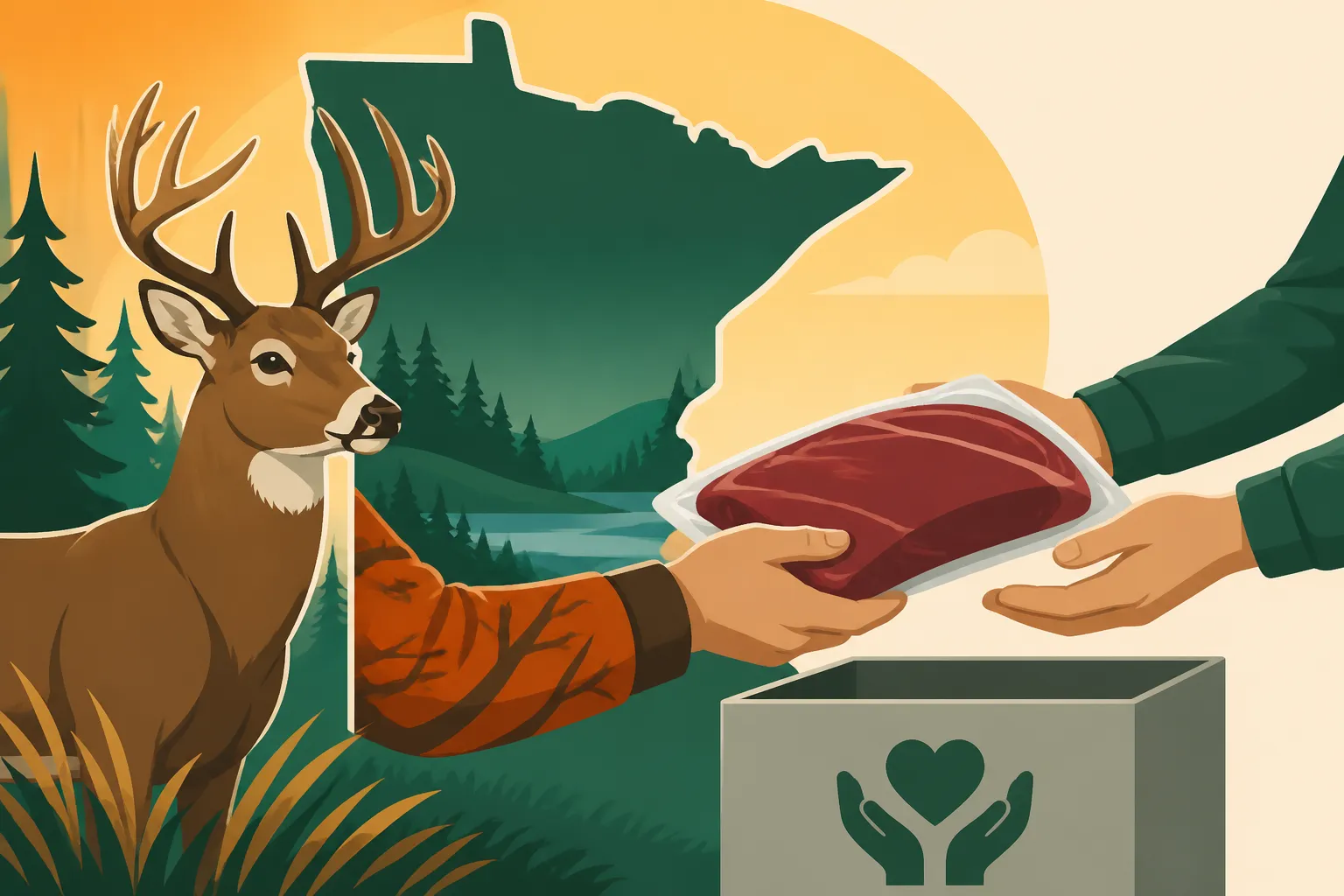
When you drop off your deer at a participating processor for donation, the process is usually quite simple. You'll typically fill out a form, providing your hunting license number and contact information. This ensures that the donation is properly recorded and that any CWD testing results can be linked back to your harvest. The processor will then handle the rest, from skinning and butchering to packaging and delivering the meat to the designated food banks.
If you're dropping off already processed and packaged venison at a local food bank (after confirming they accept it), they will likely inspect the packaging for proper labeling and integrity. They'll also confirm the source and ensure it meets their safety standards. It's a quick, straightforward exchange, but it's built on a foundation of trust and adherence to food safety guidelines.
The Impact of Your Venison Donation
Once you've made the donation, your job as a hunter and provider is done. But the journey of that venison is far from over, and its impact on the community is significant and far-reaching.
Providing Healthy, Lean Protein
One of the most valuable aspects of venison is its nutritional profile. It's incredibly lean, packed with protein, and often naturally raised without hormones or antibiotics, making it a highly sought-after food source. For families who rely on food assistance, fresh meat can sometimes be scarce, with many donations focusing on shelf-stable goods. Your venison provides a direct source of high-quality, healthy protein that can be incredibly difficult for these families to access otherwise.
Think about a stew on a cold Minnesota winter night, made with lean venison, or venison burgers grilled in the summer. These are not just meals; they are nourishing, comforting, and a taste of the wilderness. Knowing that your hunting efforts contribute to such fundamental sustenance for others is a truly rewarding feeling. It highlights the direct connection between responsible wildlife management and public well-being. This is an extension of the broader impact of hunting, which includes supporting conservation funding through license sales like the Minnesota Resident Deer License Cost and engaging in ethical harvest.
Supporting Food Security in Minnesota
Food insecurity is a real challenge in communities across Minnesota, from our bustling cities to our most rural areas. Venison donation programs are a vital part of the solution, helping to stock the shelves of food pantries and ensure that everyone has access to nutritious food. By donating, you are directly contributing to the food security of your fellow Minnesotans.
These programs often distribute hundreds, if not thousands, of pounds of venison each year, making a substantial difference. It's a cycle of giving: the land provides, the hunter harvests responsibly, and the community benefits. This strengthens the bonds within our communities and fosters a sense of shared responsibility. For those who track their success and planning with tools like GoHunt, adding a donation goal to your hunting season can make the entire experience even more meaningful.
A Legacy of Giving Back
Ultimately, donating venison creates a powerful legacy. It demonstrates that hunters are not just takers but givers, deeply committed to conservation and community welfare. It's a testament to the generosity that often defines the hunting community. Each pound of venison donated tells a story of ethical hunting, responsible resource management, and a compassionate heart.
This act of giving can also inspire others. When word spreads about venison donation opportunities, it can encourage more hunters to participate, or even motivate non-hunters to support these initiatives. It's a way to bridge gaps, build understanding, and showcase the many positive contributions of hunting to society. So next time you're out in the woods, whether it's early archery season or Muzzleloader Deer Hunting in Minnesota, consider the potential for your harvest to become a gift that keeps on giving.
Disclaimer
This article is for general informational purposes only and does not constitute professional advice. Laws, prices and regulations vary by location and change over time. Consult a qualified professional for guidance on your specific situation.