Why Minnesota Hares Turn White
Have you ever been out in the Minnesota woods, perhaps in late fall or early spring, and noticed a snowshoe hare that just didn't quite match its surroundings? Maybe it was still sporting patches of brown fur when the ground was already white with snow, or conversely, a brilliant white against a mostly bare landscape. It's a striking sight, and it leads to a natural question: how does this incredible transformation happen, and what's the real science behind why Minnesota's snowshoe hares turn white? This guide will take a deep dive into the fascinating biology of their seasonal coat change, exploring the environmental triggers, the critical survival advantages it provides, and the emerging challenges these remarkable creatures face in our ever-changing environment.
The Marvel of Nature's Disguise: Why Minnesota Hares Turn White
That stark shift from drab brown to pristine white isn't just a random act of nature; it's a meticulously evolved survival strategy that has allowed snowshoe hares to thrive in the harsh, snowy environments of places like northern Minnesota for millennia. It’s a biological marvel, a testament to the power of adaptation, and frankly, it's pretty neat to witness firsthand. Understanding the mechanisms behind this transformation helps us appreciate these fascinating critters even more, whether you're observing them from a treestand or tracking them through fresh powder.
The Seasonal Molt: A Biological Clock
At its heart, the process of a snowshoe hare changing its coat is called a seasonal molt. This isn't just the fur falling out and growing back in the same color; it's a complete change of pelage, where the brown hairs are shed and replaced by white ones, and vice versa. Think of it like a deer losing its winter coat for a sleek summer one, but with a much more dramatic color palette shift involved. It’s a cyclical event, happening twice a year, perfectly timed to coincide with the changing seasons and the presence or absence of snow cover.
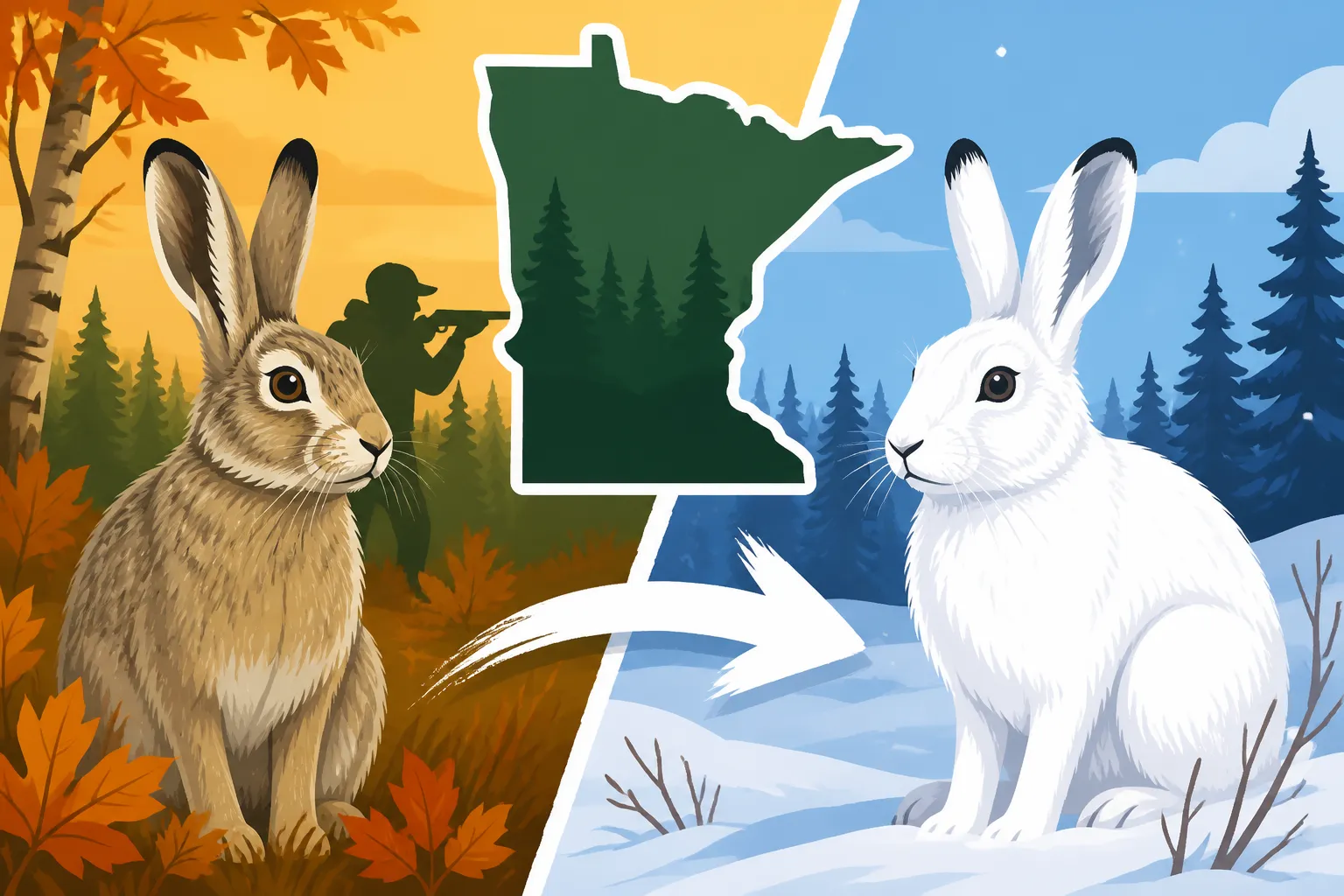
This molt is a gradual process, not an overnight switch. In the fall, you'll start to see patches of white appearing, usually beginning on their feet and lower flanks, then spreading up their bodies. It’s a patchy, almost splotchy affair for a while, making them look a bit like they've been dusted with flour before the full white coat takes over. The same happens in reverse in the spring, as the white fur gives way to brown. The timing of this transition is absolutely critical for their survival, linking directly to their ability to hide from keen-eyed predators.
Photoperiod: The Triggering Mechanism
So, what tells a snowshoe hare that it's time to change its wardrobe? It’s not the temperature, though that certainly plays a role in the feel of the seasons. The primary cue is something called photoperiod, which is simply the changing duration of daylight hours. As the days shorten in the fall, a hare's brain registers this decrease in light, triggering a complex hormonal cascade that initiates the winter molt. Conversely, as the days lengthen in the spring, the increasing photoperiod signals the start of the summer molt.
This reliance on day length makes a lot of sense from an evolutionary standpoint. Day length is an incredibly reliable environmental cue. Unlike temperature or snow depth, which can fluctuate wildly from year to year, the photoperiod changes predictably and consistently every single year. It’s like nature's immutable calendar, ensuring that, under normal circumstances, the hare will start its transformation at roughly the same time annually, preparing it for the coming seasonal changes. This built-in biological clock is what drives the transformation, ensuring the hares are ready for the snowy embrace of a Minnesota winter.
More Than Just a Pretty Coat: The Survival Advantage
For the snowshoe hare, that white winter coat isn't just for show; it's a matter of life and death. The shift in pelage is a finely tuned adaptive coloration designed to provide maximum camouflage, making them incredibly difficult for predators to spot. In the dense conifer forests and alder thickets where they thrive in Minnesota, blending in with the background is the single most important defense they have.
Evading Predators in a White Landscape
Imagine trying to spot a pure white rabbit against a backdrop of fresh, sparkling snow. It's incredibly difficult, isn't it? This is precisely the advantage the white pelage gives snowshoe hares. Their primary predators in Minnesota, such as bobcats, coyotes, foxes, great horned owls, and even wolves, rely heavily on sight to locate their prey. When a hare is perfectly camouflaged, its chances of going undetected increase dramatically. This is why you'll often find snowshoe hares in areas with consistent snow cover throughout the winter, as it's where their strategy shines brightest. You might be out in the woods scouting for deer or even Hunting Minnesota's Fall Turkey Season, and suddenly a flash of white bounds away, revealing just how well they blend in when still.
This adaptive coloration is a beautiful example of natural selection at work. Hares that molted to white earlier and stayed white longer in snowy conditions had a higher chance of surviving and reproducing, passing on those advantageous genes. This isn't just about general background camouflage; it's about breaking up their outline, making them appear as just another clump of snow or a shadow in the undergrowth. A perfectly camouflaged hare can often sit motionless, relying entirely on its invisibility, allowing a predator to pass by without ever knowing it was there. This reliance on visual disguise also extends to their tracks, which can be difficult to discern in fresh powder, further aiding their escape.
The Cost of Being Mismatched
While the photoperiod is a reliable trigger for the molt, it doesn't account for variations in annual snowfall. This is where the potential for a severe disadvantage arises. If snow comes late, or melts early, hares can find themselves "mismatched" with their environment – a stark white against a brown forest floor, or patches of brown standing out on an early snow. This mismatch makes them incredibly vulnerable, essentially painting a target on their backs for predators. I've seen it myself in a strange October, a nearly fully white hare hopping across bare ground near Grand Rapids, and it just stands out like a beacon.
The survival rates for mismatched hares can plummet significantly. Studies have shown that when snowshoe hares don't match their surroundings, their risk of predation can skyrocket, sometimes by as much as 7% per week for every week they are mismatched. This is a huge concern, especially with changing climate patterns. A late November snow that used to be a given might now arrive weeks later, leaving hares in their new white winter coat exposed. This vulnerability is why this specific adaptive trait is so crucial to the species' long-term health and why changes to our climate pose such a direct threat to their populations.
| Season | Photoperiod Cue | Pelage Color | Primary Advantage | Risk if Mismatched |
|---|---|---|---|---|
| Fall (Oct-Nov) | Decreasing daylight | Brown to White | Winter camouflage | High predation if no snow |
| Winter (Dec-Mar) | Short daylight | White | Excellent snow camouflage | – |
| Spring (Apr-May) | Increasing daylight | White to Brown | Summer camouflage | High predation if snow persists |
| Summer (Jun-Sep) | Long daylight | Brown | Excellent forest camouflage | – |
Beyond the Science: Experiencing Hares in Minnesota's Wilds
Understanding the "why" behind their white coat enriches any time you spend in the Minnesota woods. Snowshoe hares are a foundational species in many northern ecosystems, a key food source for numerous predators, and a fun quarry for small game hunters. Spotting one, whether in its brown, white, or transitional phase, is always a neat experience, reminding us of the intricate connections in nature.
Where to Find Snowshoe Hares in Their Winter Glory
If you want to catch a glimpse of these masters of disguise, you’ll want to head to the northern and central parts of Minnesota. Snowshoe hares prefer dense cover, specifically young conifer forests, cedar swamps, and thick alder or willow thickets. These habitats provide them with both food (bark, twigs, buds) and crucial refuge from predators. Areas managed for timber, especially those with regenerating stands of pine and spruce, are often prime hare habitat. Places with deep snow cover are their haven, where they can build tunnels beneath the snow, providing shelter and escape routes.
When you're out scouting for game, perhaps using an app like GoHunt to check public land boundaries and find likely thickets, keep an eye out for their distinctive tracks in the snow: large hind feet side-by-side, with smaller front feet placed one behind the other. Their trails often weave through the densest cover imaginable. If you're looking to hunt them, which is a fantastic way to experience winter woods, try focusing on these dense, brushy areas in northern Minnesota's vast public forests like the Superior National Forest or the many State Forests. It's often where the deer aren't, making for a quieter, more focused experience. You can also learn a lot about their movements by simply observing their tracks and runways. Running Beagles on Minnesota Snowshoe Hares is a classic way to hunt these critters, as the dogs can push them out of their thick cover.
Hunting Hares: Tactics and Timing
Hunting snowshoe hares, particularly in their white winter coats, offers a unique challenge and a rewarding experience. The Minnesota rabbit and hare season is generous, often running from September all the way through February or even March, providing ample opportunity to hunt them in their various pelage phases. You'll definitely want to check the specific dates each year for Minnesota Rabbit and Hare Seasons. A key tactic, as mentioned, is utilizing beagles. The dogs' relentless pursuit often forces the hares to circle back, providing opportunities for hunters to intercept them. Without dogs, it becomes a much more active affair, often referred to as "still-hunting" or "bush-whacking" through dense cover.
When hunting them without dogs, you really have to slow down and use your eyes. Look for their distinctive dark eyes or the slight twitch of an ear against the white background. Their camouflage is so effective that you can literally walk right past them without knowing. Many hunters prefer a smaller gauge shotgun, like a .410 or 20 gauge, with light game loads, as shots are often close and quick. The challenge isn't usually the shot itself, but finding the hare in the first place! It’s a great way to introduce new hunters to small game, teaching them patience and observation skills in a truly wild setting, and a welcome excuse to be out in the quiet solitude of a snowy Minnesota forest. This type of hunting is often best on crisp, calm days when sounds carry and you can really listen for movement in the brush. You might even combine it with Hunting Squirrels in Minnesota Hardwoods if you're in a mixed forest setting.
A Changing Climate: Challenges for the Snowshoe Hare
While the snowshoe hare's ability to change color is a brilliant adaptation, it's intrinsically tied to predictable seasonal patterns. With global climate change leading to less consistent snow cover, this remarkable survival strategy is facing unprecedented pressure. It's a real concern for wildlife managers and anyone who cares about the delicate balance of our northern ecosystems.
The Impact of Shifting Snow Patterns
The primary threat comes from the desynchronization of the hare's molt with the actual presence of snow on the ground. As we discussed, the molt is triggered by day length, not temperature or snow depth. This means that if Minnesota experiences a string of warm winters with delayed snowfall, hares might turn white on schedule, only to find themselves on a brown background for weeks. Conversely, an unusually long winter with late-melting snow could see hares turning brown while the landscape is still blanketed in white. This kind of mismatch, happening more frequently, can have devastating consequences for local populations. It's a stark reminder that even the most perfect natural adaptations can be overwhelmed by rapid environmental change.
The effects of this mismatch are compounded by habitat fragmentation and increased predator populations in some areas. A hare that is visible against the wrong background has nowhere to hide if its dense cover is limited or if predator numbers are high. This isn't just a hypothetical scenario; research across their range, including in the upper Midwest, is already documenting declines in snowshoe hare populations linked directly to these climatic shifts. This makes the ability to accurately Scouting Minnesota Public Land Before Season even more important for understanding local conditions and hare populations. Hunters relying on GoHunt for scouting tools are often among the first to notice these subtle environmental changes, offering valuable anecdotal data on local hare numbers and conditions.
What it Means for Minnesota's Hare Population
For Minnesota, where snowshoe hares are a vital link in the food chain – supporting everything from lynx to fishers, bobcats, and even Minnesota's Wolf Population – these changes are deeply concerning. A decline in hare numbers could cascade through the entire ecosystem, impacting predator populations that rely on them as a primary food source. It's a delicate balance, and the snowshoe hare is a key indicator species for the health of our northern forests.
While conservation efforts often focus on habitat preservation, the challenge for snowshoe hares extends beyond just having enough dense cover. It requires addressing the broader issue of climate change and its impact on seasonal timing. Monitoring hare populations, understanding their local adaptations, and continuing research into how they are coping with these environmental shifts are all critical steps. As hunters and outdoor enthusiasts, recognizing these challenges helps us appreciate these resilient creatures even more and underscores the importance of advocating for healthy, stable ecosystems. The sight of a snowshoe hare, whether brown or white, reminds us of the wild beauty and complex interconnectedness of Minnesota's natural world.
Disclaimer
This article is for general informational purposes only and does not constitute professional advice. Laws, prices and regulations vary by location and change over time. Consult a qualified professional for guidance on your specific situation.