Wolves and Minnesota Elk Calves
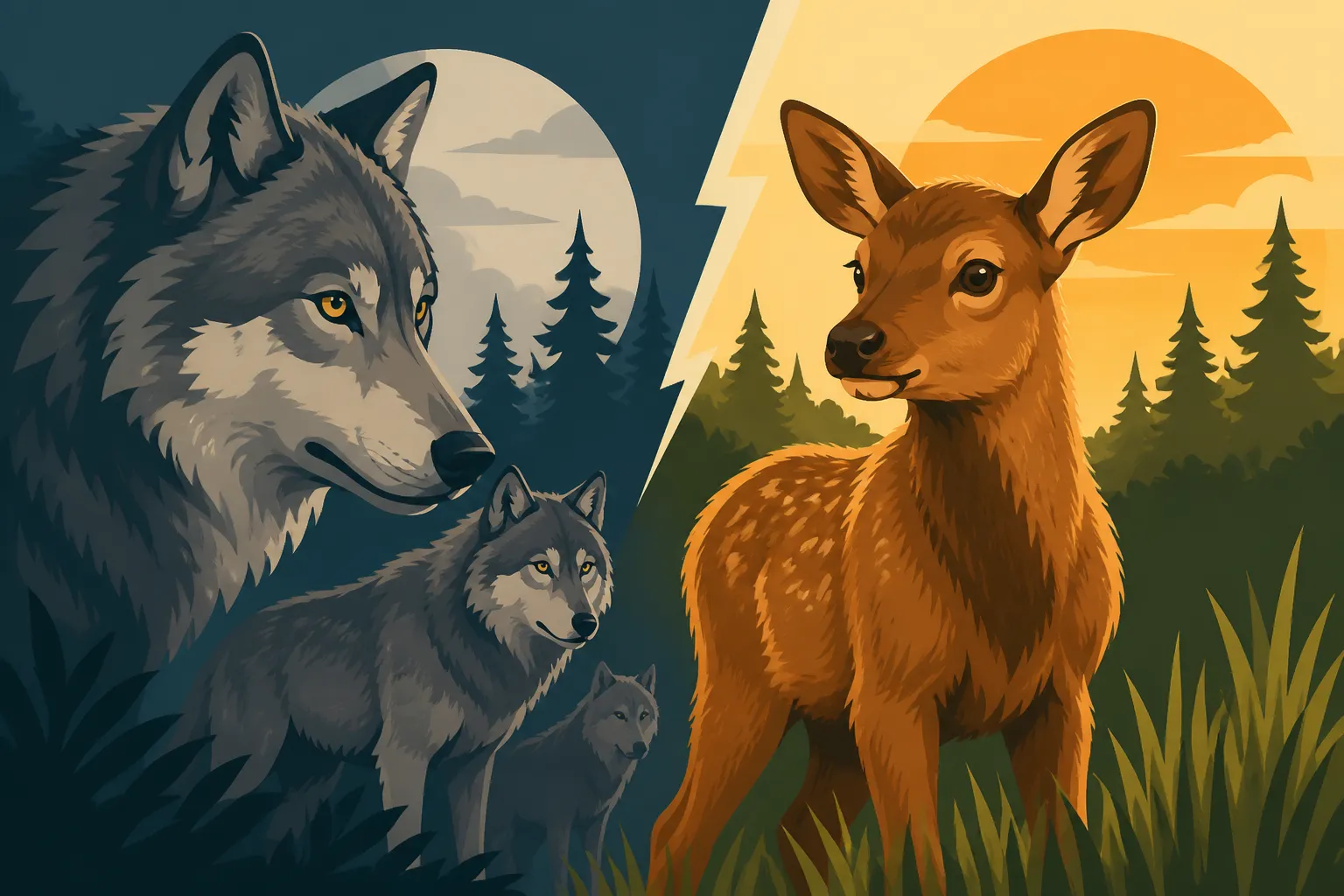
It’s a truly special thing to have elk roaming Minnesota’s wild places again, a testament to serious conservation efforts. But with that wildness comes the reality of nature's brutal balance. For hunters and wildlife enthusiasts alike, it's a constant thought: how do these majestic creatures, particularly the vulnerable calves, survive against Minnesota's apex predators, especially our thriving wolf population? This guide will dive deep into the intricate relationship between wolves and elk calves in Minnesota, exploring the challenges, natural dynamics, and ongoing management efforts.
The Delicate Balance: Elk Calves and Predation in Minnesota
When we talk about elk in Minnesota, many of us picture a bull bugling or a cow grazing peacefully in a field, especially if you've been lucky enough to witness The Kittson and Marshall County Elk Herds. What often goes unseen, but is utterly critical, is the struggle for survival faced by the youngest members of the herd: the calves. Their success is literally the future of our state's elk population.
The Vital Role of Calves in Herd Growth
Elk calves are the lifeblood of any growing or recovering elk population. Without successful reproduction and a decent survival rate among the young, a herd simply cannot expand. Unlike white-tailed deer, which can bounce back relatively quickly from harsh winters or increased predation due to their higher reproductive rates, elk herds grow much slower. A cow typically has only one calf per year, if that, and losing even a few calves can significantly slow the herd's progress. Think about the years of effort that went into bringing elk back to our state; every healthy calf is a precious victory.
It’s not just about adding numbers to the population, either. Calves represent the genetic future, carrying traits that allow the herd to adapt to our unique Minnesota climate and landscape. A strong calf crop indicates a healthy, viable breeding population, capable of weathering the inevitable challenges that come with living in a wild, predator-rich environment. This is why understanding the threats they face, like predation, is so paramount to the long-term health of Minnesota's Northwest Elk Herd.
Early Life Challenges: When Calves Are Most Vulnerable
The first few weeks of an elk calf's life are undeniably the most perilous. Born weighing around 30-40 pounds, they are completely dependent on their mothers for protection and nourishment. A newborn calf's primary defense mechanism is its ability to lie motionless and use camouflage to blend into its surroundings. The cow will typically hide her calf in dense cover, visiting only periodically to feed it, trying to keep her own scent away from the bedding site as much as possible.
This period, from late May through June, is a critical window of vulnerability. Calves are not yet fast or strong enough to outrun predators, nor do they possess the keen awareness that comes with age. While wolves are a major concern, calves are also susceptible to other predators like black bears, coyotes, and even bobcats, especially in their earliest days. A harsh spring with late snow or heavy rains can also weaken calves, making them even more susceptible to predation or disease. It’s a gauntlet, and only the fittest, or luckiest, survive these initial tests.
Understanding Wolf Behavior and Impact on Elk Herds
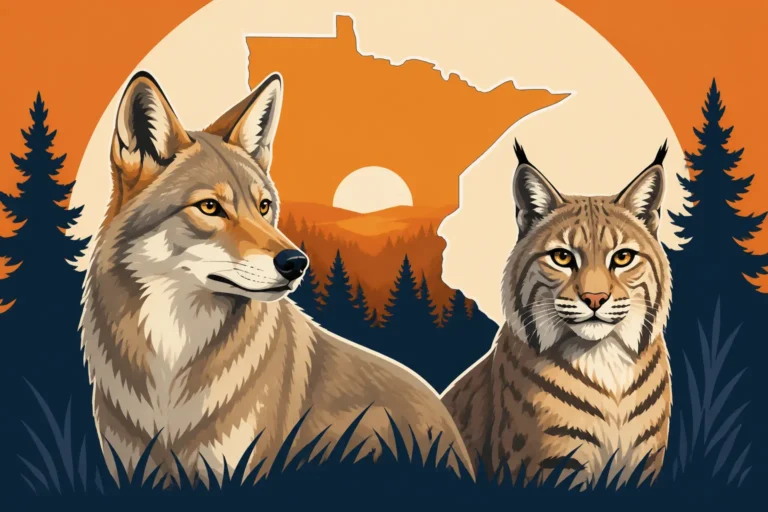
Minnesota is home to a robust wolf population, a natural and vital part of our northern ecosystem. While majestic in their own right, their presence, particularly in areas where elk are trying to establish or grow their numbers, creates a complex and often challenging dynamic for elk calf survival. This isn't about villainizing wolves; it's simply understanding the realities of predator-prey relationships.
The Predator's Instinct: How Wolves Hunt and Affect Elk
Wolves are highly efficient pack hunters, known for their intelligence, endurance, and cooperative hunting strategies. When it comes to elk, especially calves, wolves operate with a clear advantage. A wolf pack will often work together to test a herd, identify weak or isolated individuals, and then coordinate their attack. For elk calves, this often means being separated from their mothers or simply being too slow to keep up with the fleeing adults.
Wolves are opportunistic, and a young, vulnerable calf represents an easier meal compared to a full-grown, healthy adult elk, which can be a formidable opponent. They can cover vast territories, and their senses are incredibly sharp, allowing them to detect a hidden calf through scent or subtle sounds. The constant pressure of wolf presence can also stress elk herds, forcing them to move more frequently, potentially into less ideal calving cover, which indirectly impacts calf survival. Understanding where How Many Wolves Minnesota Has is key to appreciating the pressure on our elk.
Seasonal Pressures: When Wolves Impact Elk Calves the Most
The timing of elk calving season often coincides with a period when wolf packs are also highly active and seeking food for their own young. Wolf pups are born in spring, and by early summer, these growing pups require a steady supply of meat. This creates an intense seasonal pressure on elk calves. A hungry wolf pack with pups to feed is a highly motivated hunting unit.
During this period, female elk will try to find secluded areas to give birth, often seeking out dense stands of conifers or thick brush. However, wolves are also adept at using such cover, and will actively patrol known elk calving grounds. A study by GoHunt or similar wildlife research bodies might even show how these peak periods of wolf activity directly correlate with dips in elk calf survival rates, offering crucial data for land managers. The landscape itself, with its mix of open fields and thick timber, plays a critical role in how well a calf can hide and how effectively a wolf can hunt.
Habitat and Hiding: How Landscape Influences Survival
The physical landscape is arguably as important as the predator itself in determining an elk calf's fate. Dense, concealing cover – thick aspen regeneration, tangled alder swamps, or mature conifer stands with low-hanging branches – provides critical hiding places for newborn calves. When a cow drops her calf in such an area, the calf can lie motionless, almost invisible to a passing wolf. This thick vegetation also impedes a wolf's ability to quickly pursue and corner prey, giving the calf a slightly better chance of escape if discovered, or more importantly, making it harder to find in the first place.
Conversely, open meadows, sparse woods, or areas with little undergrowth leave calves exposed. In these environments, a wolf's keen eyesight and ability to cover ground quickly become significant advantages. Imagine a calf tucked into a small patch of grass with no escape route; its chances are drastically reduced. Wildlife managers actively consider this dynamic when planning habitat improvements, trying to create a patchwork of security cover that benefits elk while making it a bit tougher for predators. When you're Scouting Minnesota Public Land Before Season, particularly for elk, pay attention to these variations in cover; it tells a story about the resident wildlife.
| Factor | Impact on Elk Calf Survival | Explanation |
|---|---|---|
| Predation (Wolves, Bears, Coyotes) | High Negative | Direct cause of mortality, especially in the first few weeks of life. |
| Habitat Quality (Cover) | High Positive/Negative | Dense cover offers concealment and escape routes; open areas increase vulnerability. |
| Cow Health/Experience | Moderate Positive | Healthy, experienced mothers are better at choosing birthing sites and defending calves. |
| Weather Conditions | Moderate Negative | Harsh springs (cold, wet) can weaken calves, making them more susceptible to all threats. |
| Food Availability for Cow | Moderate Positive | Sufficient nutrition for the mother leads to healthier calves and better milk production. |
| Human Disturbance | Variable | Can displace elk from ideal calving grounds or inadvertently attract predators. |
| Disease/Parasites | Low to Moderate Negative | Weakens calves, making them easier prey or less resilient to environmental stress. |
Mitigation Efforts and Conservation Strategies
Understanding the challenge is the first step; addressing it effectively is where real conservation comes into play. Wildlife managers in Minnesota are constantly working to strike a balance, recognizing the ecological importance of both elk and wolves. Their efforts are multi-faceted, focusing on both the prey and the predator populations, as well as the habitat they share.
Management Approaches for Predator-Prey Dynamics
Managing a dynamic system like wolves and elk requires a long-term perspective and robust scientific data. The Minnesota Department of Natural Resources (DNR) monitors both populations closely, using techniques like aerial surveys, collaring animals, and analyzing harvest data. The goal isn't to eliminate wolves in elk country, but rather to ensure that elk herds have the opportunity to grow and thrive. This often involves understanding wolf pack territories and movements, especially around known elk calving areas. Sometimes, this might mean adjusting elk harvest strategies to allow more cows to mature and produce calves, or even carefully managing wolf populations in specific areas if a local elk herd is facing unsustainable predation pressure.
The data gathered helps inform decisions on land management, hunting seasons, and even potential translocation efforts for elk. It’s a continuous learning process, with conservationists using every tool at their disposal to ensure that Minnesota's wild heritage remains strong. This is why things like Minnesota Wildlife Disease Monitoring are also critical, as sick or weakened animals are often the first to fall to predation, highlighting the interconnectedness of all factors.
Habitat Improvement for Elk Calf Survival
Perhaps the most impactful long-term strategy for increasing elk calf survival is through targeted habitat improvements. By enhancing the quality and quantity of suitable calving habitat, managers can give calves a better fighting chance. This means creating areas with dense, concealing cover where a cow can drop her calf and feel secure. This isn't just about planting trees; it can involve prescribed burns to stimulate new growth, selective timber harvesting to create diverse age classes of forest, and protecting wetlands and riparian zones that provide water and lush vegetation.
The idea is to create a mosaic of habitat: open foraging areas for adult elk, adjacent to thick security cover for calves. These "nursery areas" reduce the chances of a calf being easily discovered by a passing wolf or bear. Hunters who use scouting tools often appreciate how services like GoHunt can help identify these prime habitat zones, allowing them to understand the landscape dynamics even when they're not physically on the ground. When you're looking at Minnesota Wildlife Management Areas that hold elk, you'll often see direct evidence of these thoughtful habitat projects.
The Role of Human Activity (or Lack Thereof)
Human activity can be a double-edged sword when it comes to predator-prey dynamics. On one hand, uncontrolled human presence or disturbance in sensitive calving areas can inadvertently stress elk, causing cows to abandon prime hiding spots or expose their calves. This is why respecting seasonal closures or simply giving wildlife a wide berth during critical periods is so important. When you're exploring Minnesota Public Hunting Land, especially in elk country, mindfulness of your impact is key.
On the other hand, responsible human management and thoughtful land use can indirectly benefit elk. For example, careful road management in remote areas can reduce access for some predators while still allowing for necessary management activities. Hunters, through their license fees, directly fund many of these habitat improvement and monitoring projects. Knowing the local landscape and how animals use it is paramount, and resources like GoHunt can offer satellite imagery and landowner information that can highlight areas where human activity is limited, often indicating better wildlife strongholds.
The Future of Minnesota's Elk and Wolf Populations
The presence of both wolves and elk in Minnesota represents a wildness that many cherish, a reminder of our state's rich natural heritage. The ongoing dance between predator and prey is a fundamental part of a healthy ecosystem, albeit a challenging one for those dedicated to seeing the elk herds grow.
Ongoing Research and Monitoring
The work to understand and manage these populations is never truly finished. Researchers continue to study wolf pack territories, hunting success rates, and their specific impacts on elk. Simultaneously, elk populations are rigorously monitored for birth rates, calf survival, disease prevalence, and overall herd health. Techniques like GPS collaring provide invaluable data on movement patterns, how animals use different habitats, and the interactions between species. This research is crucial for making informed decisions about conservation and management strategies.
For example, understanding Wolves and Minnesota Elk Calves means not just counting animals, but studying their behavior in response to each other. Are elk changing their calving habits? Are wolves adapting their hunting strategies? These are the questions scientists continue to ask to ensure that both species can persist in our changing landscape.
The Hunter's Role in a Balanced Ecosystem
Hunters play a unique and vital role in this intricate ecosystem. Through the purchase of licenses and tags, hunters provide significant funding for wildlife research, habitat improvement, and direct management efforts that benefit both elk and the prey animals wolves rely on. Furthermore, ethical hunting practices contribute to healthy wildlife populations by helping manage herd numbers, reducing disease spread, and sometimes even alleviating localized predation pressure if deemed necessary by wildlife agencies.
For the few fortunate hunters who draw an Elk Hunting Odds in Kittson County tag, their harvest contributes directly to management data and often helps in the removal of older animals, allowing the younger, more reproductively active elk to thrive. Hunters often act as additional eyes and ears in the field, reporting valuable observations to wildlife agencies that help paint a clearer picture of what's happening on the ground. It's a partnership, a shared responsibility to ensure these magnificent animals continue to grace our forests and prairies.
Coexistence: A Shared Landscape
Ultimately, the story of wolves and elk calves in Minnesota is one of coexistence. Both species are native to our state and hold significant ecological and cultural value. The challenges faced by elk calves due to wolf predation are a natural part of this wild dynamic, not a sign of failure, but a testament to the robust, unmanaged forces at play.
The goal of conservation is not to eliminate these natural interactions, but to ensure a resilient ecosystem where both predator and prey can thrive. It's about finding that delicate balance, understanding the cycles of nature, and making thoughtful, science-based decisions to support the long-term health of these incredible animals. For all of us who cherish Minnesota's wild places, it’s a constant reminder of the raw, beautiful, and sometimes brutal reality of nature.
Disclaimer
This article is for general informational purposes only and does not constitute professional advice. Laws, prices and regulations vary by location and change over time. Consult a qualified professional for guidance on your specific situation.