The Kittson and Marshall County Elk Herds
It can feel like a whispered legend, something from the history books or a far-off Western state: wild elk roaming the Minnesota landscape. Many hunters and nature enthusiasts are surprised to learn that these magnificent animals aren't just a memory here, but a living, breathing part of our northern ecosystems, particularly up in the extreme northwest. If you’ve ever wondered about these majestic creatures, where they live, how they got here, and if you could ever hope to pursue one, this guide is for you.
The Return of the Giants: Minnesota's Elk History
For many, the idea of elk in Minnesota conjures images of the past, a time before European settlement when vast herds roamed much of North America, including our prairie and forest lands. It's true, elk were once native to Minnesota, an integral part of the ecosystem, providing food and shaping the landscape. But like in so many other places, unchecked market hunting, habitat loss due to agricultural expansion, and burgeoning human populations led to their extirpation from the state by the late 1800s. For decades, the Minnesota wilderness was silent of their bugling calls.
A Look Back at Historical Presence
Imagine Minnesota covered in a mix of tallgrass prairie, vast northern forests, and interspersed wetlands. This was the original domain of the wapiti, or elk. They thrived in these diverse habitats, grazing on grasses and forbs, browsing on woody vegetation, and migrating across the landscape with the seasons. They were a keystone species, their presence influencing plant communities and providing sustenance for predators. Their disappearance marked a significant loss for the state's natural heritage, leaving a void that would take nearly a century to begin to fill. This historical absence makes their current return all the more remarkable.
The Spark of Reintroduction Efforts
The dream of bringing elk back to Minnesota began to take shape in the late 1980s. Conservation groups and the Minnesota Department of Natural Resources (DNR) recognized the ecological and cultural value of restoring this iconic species. It wasn't an easy task; reintroduction efforts are complex, requiring careful planning, suitable habitat, and public support. The primary goal was to establish a self-sustaining population, beginning with animals sourced from other states or Canadian provinces. This involved capturing wild elk, testing them for diseases, and then transporting and releasing them into designated areas of northwest Minnesota that offered the best chance for survival and growth. This initial stocking was the crucial first step in bringing back what was once lost.
Where the Elk Roam: Northwest Minnesota's Heartlands
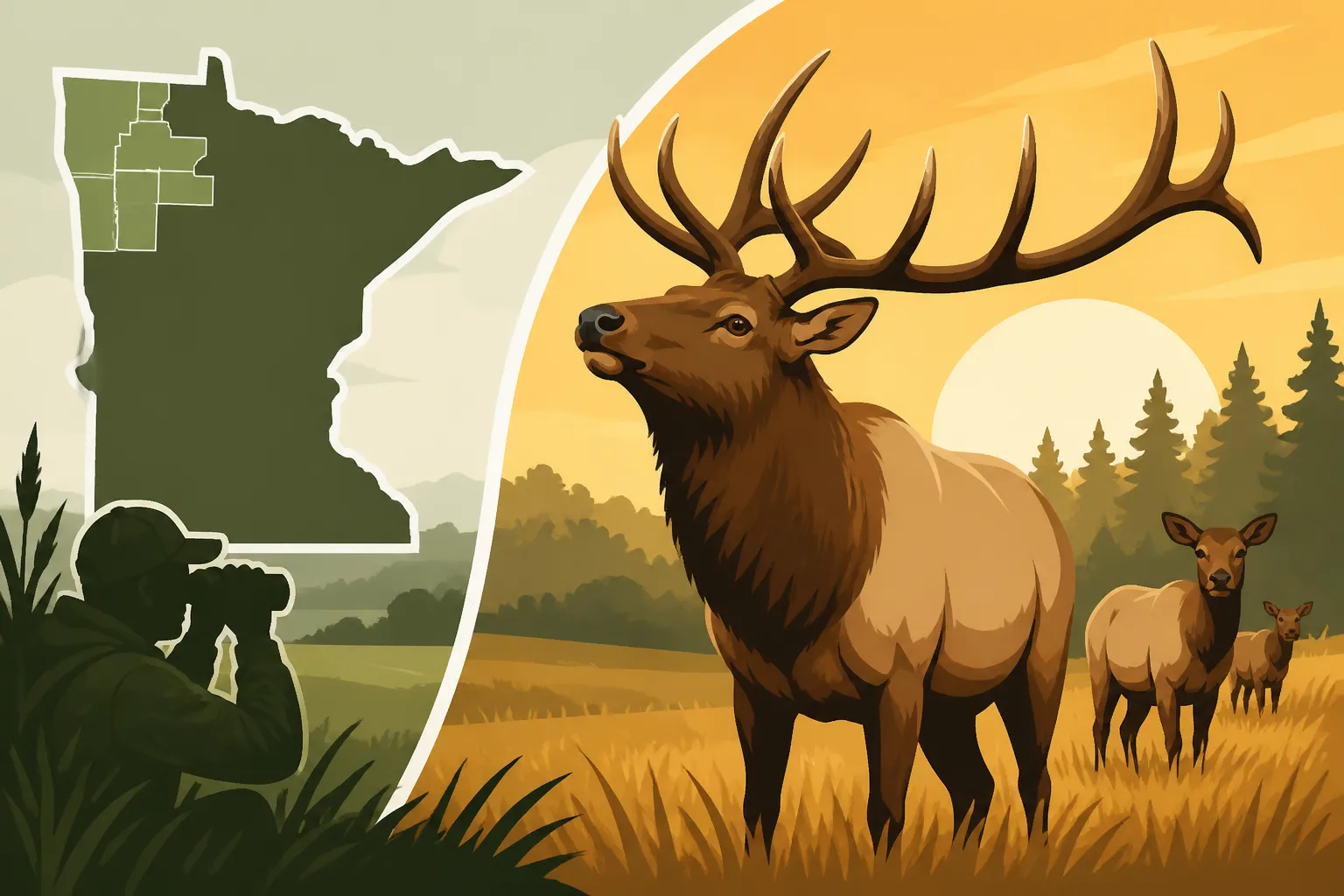
Today, Minnesota is home to a small but resilient population of wild elk, primarily concentrated in the very northwestern corner of the state. It’s a landscape defined by a mosaic of agricultural fields, remnant prairie, brushland, and aspen parkland, offering a unique blend of food and cover that these majestic animals have adapted to calling home. These herds are often referred to collectively as the "Northwest Minnesota Elk Herd," but they are managed as distinct groups due to their location and movement patterns.
The Kittson County Herd
The Kittson County herd is perhaps the most well-known and often the largest of Minnesota's elk populations. Their range centers around the extreme northwest, often near the Canadian border. This area provides a mix of habitat: open agricultural fields for grazing, dense brush and aspen stands for cover and browsing, and wetlands for water. This herd has seen steady growth over the years, though it's always subject to natural fluctuations and management interventions.
One of the biggest challenges for the Kittson County herd, and indeed for all Minnesota elk, is balancing their natural inclination to graze with the agricultural interests of local farmers. Elk can cause significant crop damage, especially in corn and alfalfa fields, leading to understandable frustration for landowners. The DNR works closely with farmers to implement damage control measures, but it's a constant balancing act in a landscape where human and wildlife interests inevitably intersect. Hunters often find themselves on edge, waiting for that perfect bull, knowing that any movement could alert him. If you're looking to gain an edge in understanding these animals, tools like GoHunt can provide valuable insights into herd movements and habitat use, helping you visualize where elk might be.
The Marshall County Herd
Just south of Kittson County lies the home of the Marshall County herd. While often discussed in tandem with the Kittson County animals, this group tends to be a bit more dispersed and often smaller in number. Their habitat is similar, characterized by a blend of agricultural land, wooded areas, and marshy terrain, particularly within or adjacent to the Caribou Wildlife Management Area. The Marshall County herd offers a glimpse into how elk can adapt to slightly different conditions within the same general region.
While sharing many of the same challenges as their northern neighbors, the Marshall County herd's slightly different geographic positioning can mean varied interactions with human populations and agricultural zones. Understanding these nuances is crucial for both conservation and potential hunting strategies. These herds, though distinct, are sometimes close enough that genetic exchange occurs, contributing to the overall health and resilience of Minnesota's elk. For those intrigued by the broader picture, exploring how Minnesota's Northwest Elk Herd has grown offers more context.
Optimal Habitat and Range Dynamics
Minnesota's elk herds thrive in a mosaic landscape. They are creatures of edge habitat, needing open spaces for foraging and dense cover for bedding, security, and calving. The aspen parklands and brushy areas provide essential thermal cover and browse, while the vast agricultural fields, particularly during certain times of the year, become crucial feeding grounds. This blend of resources is what makes Kittson and Marshall counties, despite their agricultural development, viable homes for these large ungulates.
However, the dynamic nature of this habitat means elk ranges aren't static. They move based on food availability, pressure from humans, and seasonal needs like the rut or calving. Understanding these range dynamics, especially how they utilize both public and private lands, is key to appreciating their presence and managing their populations effectively. The interaction between human land use and elk movement is a constant factor that shapes their lives.
Understanding the Herds: Population, Behavior, and Challenges
To truly appreciate Minnesota's elk, it's vital to delve into their population dynamics, natural behaviors, and the challenges they face in a landscape increasingly shaped by human activity. These factors directly influence management decisions, hunting opportunities, and the overall health of these unique herds.
Population Dynamics and Monitoring
The Minnesota DNR actively monitors the state's elk populations to ensure their long-term viability and to manage them sustainably. Population estimates are typically derived through aerial surveys conducted during winter, when snow cover makes elk easier to spot against the white backdrop. These surveys, combined with data from harvested animals and observed calf recruitment, provide a snapshot of herd health and size.
The goal is to maintain a healthy, stable population that can sustain itself while minimizing conflicts with landowners. The number of elk in both Kittson and Marshall counties has fluctuated over the years, influenced by factors such as severe winters, disease, and management efforts. While Minnesota's total elk numbers remain modest compared to Western states, the fact that they exist at all is a testament to dedicated conservation. You can often find details on the current population estimates by checking the DNR's annual game and fish reports or by looking at resources like GoHunt that compile state data. These resources can give you a clearer picture of how many elk Minnesota has at any given time.
Behavior Patterns and Life Cycle
Elk exhibit fascinating behaviors throughout the year. The most dramatic is arguably the fall rut, typically in September and early October, when bulls engage in their iconic bugling calls to attract cows and challenge rival males. This is a time of intense activity, often drawing wildlife observers hoping to witness the spectacle. Calving usually occurs in late May and early June, with cows seeking secluded, thick cover to give birth and hide their vulnerable calves.
Their diet shifts seasonally, from grazing on grasses and agricultural crops in open areas to browsing on woody vegetation like aspen, willow, and dogwood during winter. Understanding these patterns is critical for hunters and non-hunters alike. Knowing When Minnesota Elk Bugle can greatly enhance your chances of observing them or planning a hunt.
Major Challenges Facing Minnesota Elk
Despite their successful reintroduction, Minnesota's elk herds face several significant challenges that threaten their continued growth and stability:
- Human-Wildlife Conflict: As mentioned, crop damage is a major concern for farmers. This can lead to negative perceptions of elk and sometimes illegal activities. Vehicle collisions are also a risk, especially with such large animals crossing roads.
- Disease: Chronic Wasting Disease (CWD) is a persistent threat to cervid populations across North America, and Minnesota's elk are not immune. The DNR implements strict monitoring protocols and management strategies to prevent CWD from taking hold and spreading within these small, vulnerable herds. Understanding the CWD Risk to the Minnesota Elk Herd is a serious consideration for hunters and conservationists.
- Habitat Fragmentation: While the current habitat supports elk, ongoing development and changes in land use can fragment their range, limiting movement and access to vital resources. Maintaining corridors and large blocks of suitable habitat is crucial.
- Predation: While not a primary limiting factor for healthy adult elk, calves are vulnerable to predators like wolves. Learning about Wolves and Minnesota Elk Calves provides insight into another natural pressure these animals face.
Elk Hunting Opportunities: The Ultimate Minnesota Tag
For the dedicated hunter, a Minnesota elk tag represents one of the most coveted and challenging pursuits in the state. It's not just about harvesting an animal; it's about the entire journey, the preparation, and the remote chance of being drawn for a hunt that truly is once-in-a-lifetime for many.
The Elusive Lottery Tag
Let's be blunt: drawing an elk tag in Minnesota is incredibly difficult. It's a true lottery, designed to manage these small herds sustainably and provide a limited number of unique hunting opportunities. The number of tags issued each year is very low, typically ranging from a handful to a couple dozen, depending on herd health and management goals. This means the odds are stacked against you, and many hunters apply for decades without ever seeing their name drawn.
The application process is usually in the spring, and it's something you simply can't miss if you dream of an elk hunt. Each application is an investment, not just in the fee, but in the hope and anticipation it builds. Many hunters use platforms like GoHunt for their draw odds analysis and application strategies, especially when dealing with such low-probability hunts. They want every possible edge, no matter how small. For comprehensive details, be sure to check the official Minnesota Elk Lottery Rules.
Hunt Zones and Season Structure
Minnesota's elk hunting takes place within specific hunt zones that align with the known ranges of the Kittson and Marshall County herds. These zones are carefully delineated to focus hunting pressure where it's most needed for management, often in areas with higher elk concentrations or where agricultural conflicts are more prevalent. The seasons are typically short, occurring in the fall, and are specific to the zone and weapon type (e.g., firearms or archery).
Hunters drawn for a tag are assigned to a particular zone and period, ensuring a controlled harvest. This precision in zone management is critical for the long-term health of such small populations. Understanding the specifics of Minnesota Elk Hunt Zone Boundaries is paramount if you're lucky enough to draw a tag.
The Minnesota Elk Hunting Experience
Imagine heading out into the sparse woods and agricultural edges of northwestern Minnesota, knowing that somewhere out there, a wild elk is roaming. This is not a high-fence hunt or a guarantee. This is a true wilderness experience, even if that "wilderness" is interspersed with farm fields. Hunters often describe it as a physically demanding pursuit, requiring extensive scouting, patience, and a deep understanding of elk behavior and the local landscape.
The hunt itself can be a mix of glassing open areas at dawn and dusk, still-hunting through brushy cover, and listening intently for bugles during the rut. Success is never guaranteed, even with a tag in hand, which is part of what makes it such a prized experience. It's about immersion in the environment and the challenge of pitting your skills against a truly wild, wary animal. This challenging aspect is why it's truly a Why the Minnesota Elk Tag Is Once in a Lifetime.
Here's a quick look at some key aspects of Minnesota's elk herds and the hunting opportunity:
| Feature | Kittson County Herd | Marshall County Herd | Hunting Opportunity |
|---|---|---|---|
| Primary Range | Extreme NW, near Canadian border | South of Kittson, Caribou WMA area | Limited to specific hunt zones |
| Typical Herd Size | Often largest of MN herds | Smaller, more dispersed | Very few tags issued annually |
| Habitat | Ag fields, aspen parkland, brush | Ag fields, brush, marshlands | Firearm & Archery seasons (short periods) |
| Main Challenges | Crop damage, CWD risk | Crop damage, CWD risk | Extremely low draw odds |
| Application | Annual lottery (spring) | Annual lottery (spring) | Requires specific state license |
| Approx. Odds of Drawing | <1% (often much lower) | <1% (often much lower) | Decades-long wait for many applicants |
Viewing and Coexisting: Beyond the Hunt
While elk hunting is a highly sought-after opportunity, the presence of these magnificent animals offers much more than just a challenging pursuit for hunters. They provide incredible wildlife viewing opportunities and pose unique considerations for coexistence with human communities.
Elk Viewing in Northwest Minnesota
For those who simply want to witness elk in their natural habitat, northwestern Minnesota offers some fantastic opportunities. The same areas that draw hunters also draw wildlife photographers and nature enthusiasts. Early mornings and late evenings, especially during the fall rut, are prime times to observe elk as they move between bedding and feeding areas. During the rut, the sound of a bugling bull is an unforgettable experience.
Key areas for viewing include various public lands within Kittson and Marshall counties, such as portions of the Caribou Wildlife Management Area and other state forest lands. Often, simply driving quiet county roads through elk range, particularly during the shoulder seasons, can yield sightings. Always remember to view from a distance, respect private property, and never disturb the animals. You can find more specific advice on Elk Viewing in Northwest Minnesota.
Managing Human-Elk Interactions
Coexisting with a large, wild animal like an elk in a populated, agricultural landscape is a delicate balance. The primary issue revolves around agricultural damage. Elk, being large grazers, can quickly consume significant amounts of crops, leading to substantial financial losses for farmers. The DNR actively works to mitigate these issues through various programs:
- Depredation Permits: In cases of severe crop damage, farmers may be issued depredation permits to remove problem elk, though this is a last resort.
- Fencing and Deterrents: The DNR also assists landowners with installing specialized fencing or using other deterrents to keep elk out of fields.
- Hunter Harvest: The limited elk hunting season plays a role in population control, particularly targeting animals that frequent agricultural areas, thus helping to manage herd numbers and reduce damage.
It's a continuous conversation and collaboration between wildlife managers, landowners, and the public to find sustainable solutions that allow both elk and human communities to thrive. The frustrations for farmers are real, and understanding their perspective is crucial for effective conservation.
The Future of Minnesota Elk: Conservation and Outlook
The journey of Minnesota's elk from extirpation to a reintroduced, albeit small, population is a conservation success story. However, their future, especially the health and growth of the Kittson and Marshall County herds, depends on ongoing dedication, adaptive management, and public support.
Ongoing Conservation Efforts
The Minnesota DNR, in partnership with conservation organizations like the Rocky Mountain Elk Foundation, remains committed to the long-term health of these herds. Their efforts focus on several key areas:
- Habitat Improvement: Active habitat management on public lands, including prescribed burns and forest thinning, aims to create and maintain the mosaic of cover and forage that elk prefer. This might include enhancing existing aspen parkland or restoring degraded brushland.
- Disease Monitoring: Rigorous CWD testing and surveillance continue to be a top priority. Early detection is critical to prevent the spread of this devastating disease within the herds.
- Public Education: Informing the public about elk, their history, biology, and the challenges they face helps foster understanding and support for conservation efforts. This includes educating both hunters and non-hunters on responsible practices.
- Research: Ongoing research into elk movements, diet, reproduction, and interactions with other wildlife provides valuable data to inform management decisions. This scientific approach ensures that strategies are effective and evidence-based.
Outlook and Remaining Challenges
The outlook for Minnesota's elk is cautiously optimistic. The herds have shown their ability to survive and, in some periods, grow in their current range. With continued proactive management and support, they can remain a treasured part of Minnesota's wildlife. However, the inherent challenges are ever-present. The threat of CWD spreading, the ongoing conflicts with agriculture, and the need for genetic diversity in such small, isolated herds will always require vigilance.
The question of whether Minnesota's elk populations could ever expand significantly beyond their current range is complex. It would require substantial habitat restoration, successful mitigation of human-wildlife conflicts over a larger area, and favorable environmental conditions. For now, the focus remains on nurturing the existing herds, ensuring their resilience, and providing those rare, coveted opportunities to encounter a truly wild Minnesota elk. Learning about How Many Elk Minnesota Has can provide even more detail on these numbers and their trends. The dream of a growing, thriving elk population continues to drive the dedicated folks working tirelessly for their future.
Disclaimer
Please remember that hunting regulations, seasons, and permit requirements are subject to change. Always consult the official Minnesota Department of Natural Resources (DNR) website or their current hunting regulations handbook before planning any hunting or scouting activities. This article is for informational purposes only and does not constitute legal advice or an exhaustive guide to all regulations.