How Many Minnesota Elk Tags Are Issued
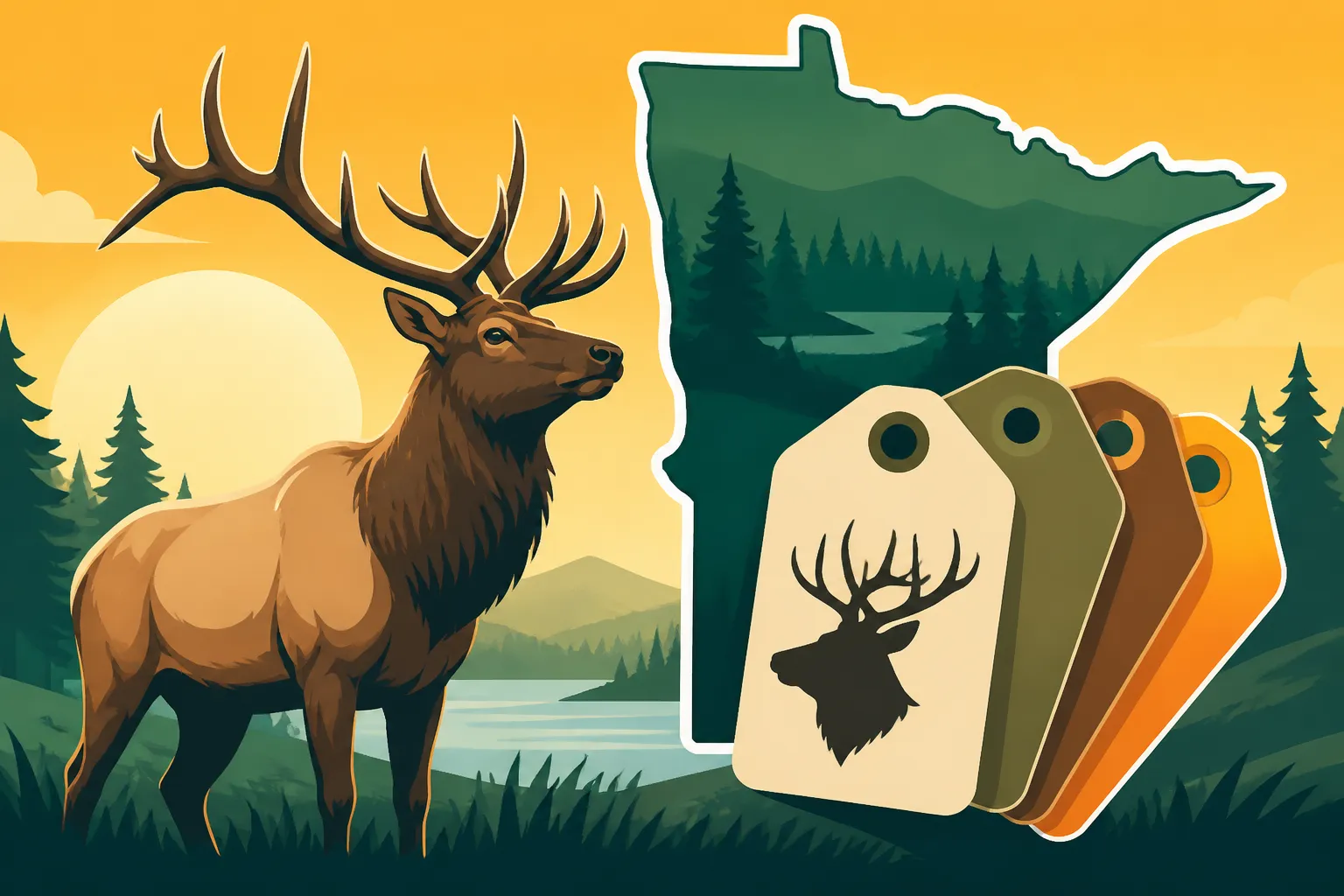
If you've ever dreamed of hunting elk in Minnesota, you've likely faced the stark reality that it's an incredibly tough tag to draw. Unlike the vast Western states with thousands of elk and hundreds of permits, Minnesota's elk herds are a precious and growing resource, meaning very few hunters get the chance to pursue them each year. This guide will walk you through just how limited these opportunities are, the reasons behind it, and what it truly takes to even have a glimmer of hope at a Minnesota elk tag.
The Rarity of Minnesota Elk Hunting Opportunities
For many hunters, the thought of chasing elk conjures images of rugged mountain ranges out West, vast public lands, and challenging, but obtainable, hunting opportunities. In Minnesota, the dream of an elk hunt exists, but it's a completely different beast. We're talking about a hunt of a lifetime, or perhaps, a hunt of several lifetimes, given the incredible scarcity of available tags. It’s a pursuit driven more by hope and tradition than by realistic expectations for most applicants.
Understanding Minnesota's Elk Management Philosophy
Minnesota's elk herds are a testament to conservation efforts, slowly recovering from historical extirpation. These magnificent animals, once widespread, were gone from the state for decades until reintroduction efforts began in the late 1980s. The DNR's primary goal isn't to create a high-volume hunting experience, but rather to ensure the continued health and expansion of these fragile populations. This conservation-first approach directly impacts the number of tags issued annually.
Today, Minnesota boasts three primary herds: the Kittson County herd, the Grygla/Marshall County herd, and the smaller Caribou-Wittles/Beltrami County herd. Each of these herds faces unique challenges, from habitat fragmentation to local agricultural conflicts, all of which the DNR must balance when determining population goals and, subsequently, hunting quotas. The long-term vision is to allow these herds to grow, establish self-sustaining populations, and potentially expand their range. This is why the number of licenses available remains incredibly low. The state is committed to ensuring these animals thrive, and hunting is used as a very precise tool, not a blanket management strategy. For anyone interested in the broader picture, understanding How Many Elk Minnesota Has provides crucial context on these management goals.
The Elk Lottery: A Challenging Path to a Tag
Given the small herd sizes and the conservation-driven management, obtaining a Minnesota elk tag is almost exclusively through a lottery system, and it is widely considered one of the toughest draws in the nation. It's not uncommon for hunters to apply for decades without ever drawing a tag. The application window is relatively brief, typically in the spring, and it’s a time when many hunters put in for their deer, bear, or turkey lotteries as well. The process is straightforward, but the odds are astronomical.
Hunters often track application deadlines and analyze draw odds for various species across the country, with many using platforms like GoHunt to parse through complex data from Western states. While Minnesota’s elk lottery might not feature the same level of statistical nuance as, say, a Wyoming or Montana draw with thousands of tags and varying preferences, the same diligent approach to managing application deadlines and understanding the general landscape of the draw is essential. It's about staying informed and persistent, knowing that every year you apply builds a single preference point, which incrementally (albeit slowly) improves your odds for future draws. You can learn more about the specifics of the application by looking into the Minnesota Elk Lottery Rules. The frustration is real; for every person who draws, there are thousands who don't, making that single tag feel like hitting the actual lottery.
Specifics on Elk Tag Numbers by Herd and Season
When we talk about Minnesota elk tags, it's crucial to understand that these aren't just generic "elk tags." They are highly specific, tied to particular zones and, often, specific hunt periods. The Minnesota Department of Natural Resources (DNR) carefully allocates these tags based on herd surveys, population objectives, and recent harvest data. This granular approach ensures that hunting pressure is precisely managed to avoid negatively impacting the recovery and growth of these precious herds.
Kittson County Herd: The Primary Hunting Opportunity
The Kittson County herd, located in the northwestern corner of the state, is the largest and most robust of Minnesota's elk populations. Consequently, it offers the most consistent, though still extremely limited, hunting opportunities. This herd is often divided into specific hunt zones to distribute pressure and manage localized populations effectively. Typically, these are referred to as Zone 10 (Kittson Central) and Zone 20 (Kittson Northwest).
In recent years, the number of "either sex" licenses issued for these zones has generally ranged from a low of under 10 tags to a high of around 20-30 tags annually, across both zones combined. For instance, in 2023, the DNR issued a total of 26 either-sex licenses for the Kittson Central (Zone 10) and Kittson Northwest (Zone 20) herds. These hunts are generally short in duration, often lasting less than a week, and are conducted under specific regulations regarding legal weapon types. Hunters lucky enough to draw one of these coveted tags face challenging conditions, often navigating a mix of agricultural fields, brushy cover, and some timber. For those looking to understand the specific hunting areas and boundaries, checking Minnesota Elk Hunt Zone Boundaries is highly recommended before applying. The DNR uses the harvest data from these very limited hunts to fine-tune future allocations, making each tag a critical component of their management strategy, rather than just a hunting opportunity. The odds are tough, but this is where almost all of Minnesota's elk hunting happens.
Marshall County and Caribou-Wittles Herds: Even Rarer Chances
While the Kittson County herd provides the majority of Minnesota's elk hunting opportunities, the state's other two herds—the Grygla/Marshall County herd (Zone 30) and the Caribou-Wittles/Beltrami County herd (Zone 40)—offer even rarer, and often non-existent, chances for hunters. These herds are significantly smaller, more dispersed, and face greater challenges in terms of growth and expansion.
The Grygla herd in Marshall County has shown some growth, and occasionally, a very limited number of tags (often fewer than 5) might be offered, but it's far from an annual occurrence. In 2023, for example, no licenses were issued for the Grygla herd, a common scenario reflecting the DNR's conservative management approach. Similarly, the Caribou-Wittles herd in Beltrami County is the smallest and most fragile of the three. Tags for this herd are exceedingly rare, with many years seeing zero licenses issued. When a tag is offered for this zone, it's typically just one or two, making it the most exclusive (and longest-shot) elk hunt in the state. Hunters who follow draw odds carefully, perhaps using tools similar to GoHunt for other species, know to adjust their expectations dramatically for these particular zones. These herds are under intense management scrutiny, and any hunting opportunity is solely based on their current population status and reproductive success, with an overriding emphasis on their recovery and future viability. The DNR's cautious approach here is a testament to their commitment to seeing these smaller herds flourish before expanding hunting opportunities. Understanding The Kittson and Marshall County Elk Herds provides more insight into the specific characteristics and challenges of these different populations.
To give you a clearer picture of just how few tags are issued, here's a look at recent allocations (numbers can fluctuate annually):
| Herd/Zone | 2021 (Either Sex Licenses) | 2022 (Either Sex Licenses) | 2023 (Either Sex Licenses) | Notes |
|---|---|---|---|---|
| Kittson Central (Zone 10) | 10 | 12 | 14 | Most consistent opportunity. |
| Kittson Northwest (Zone 20) | 8 | 10 | 12 | Strong secondary opportunity in Kittson County. |
| Grygla (Zone 30) | 2 | 0 | 0 | Very limited; often zero tags. |
| Caribou-Wittles (Zone 40) | 0 | 0 | 0 | Extremely rare, almost never issued. |
| Total Statewide | 20 | 22 | 26 | Numbers illustrate the extreme scarcity. |
Note: These numbers are illustrative and based on recent DNR data. Annual allocations are subject to change based on herd surveys, population goals, and management considerations.
Applying for an Elk Tag: Strategies and Reality Checks
Drawing a Minnesota elk tag isn't about skill or even deep local knowledge (though both help once you have a tag); it's almost entirely about luck and persistence within the state's lottery system. For many, applying is a yearly ritual, a small investment in a truly monumental dream. It's important to approach it with a clear understanding of the odds and what the process truly entails. You can review all the details for Applying for a Once-in-a-Lifetime Elk Tag on the DNR website.
Maximizing Your Chances: Preference Points and Persistence
Minnesota utilizes a preference point system for its elk lottery, which means that every year you apply and are unsuccessful, you accrue one point. When it comes time for the draw, applicants with more preference points generally have a better chance of drawing a tag than those with fewer points. However, this isn't a guarantee, and it doesn't mean you'll automatically draw after a certain number of years. With so few tags available, even hunters with a decade or more of accumulated points are still very much at the mercy of the random draw.
The strategy here is simple but demanding: apply every single year without fail. It's a long game, potentially spanning decades, and it requires unwavering commitment. Think of it like a retirement plan for hunters – you put in a little bit each year, hoping that eventually, the stars align for that incredible experience. Many dedicated hunters who chase elusive tags in states across the country, often leveraging detailed draw odds analysis found on platforms like GoHunt, will tell you that consistency is key. While the numbers for Minnesota elk might be too small to generate complex "draw odds" in the traditional sense, understanding your preference point total and consistently applying is the only way to slowly, incrementally, improve your chances. It truly is a "once-in-a-lifetime" opportunity for a reason, as evidenced by Why the Minnesota Elk Tag Is Once in a Lifetime.
Beyond the Lottery: Other Ways to Experience Minnesota Elk
For most Minnesota hunters, the reality is that an elk tag will remain a distant dream. But that doesn't mean you can't experience these magnificent animals. Minnesota offers fantastic opportunities for elk viewing, especially in the areas around the Kittson and Marshall County herds. There are designated wildlife management areas and even tours where you can observe elk in their natural habitat, offering a different kind of thrill that doesn't require a lottery draw or a rifle.
Consider a trip to the extreme northwest, particularly around areas like the Caribou Wildlife Management Area or the Grygla area. Dawn and dusk are often the best times to spot them, especially during the fall rut when bulls are bugling. Experiencing these animals up close, without the pressure of a hunt, can be just as rewarding and offers a chance to appreciate the incredible conservation work that has brought them back to our state. For more detailed information, exploring Elk Viewing in Northwest Minnesota can help you plan an unforgettable trip. Even if you never hold a tag, witnessing a herd of wild elk against a Minnesota sunset is a memory worth chasing.
Disclaimer
Please note: Hunting regulations, season dates, and license availability are subject to change annually by the Minnesota Department of Natural Resources (DNR). Always consult the official Minnesota DNR hunting regulations for the most current and accurate information before planning any hunting activities.