Minnesota HIP Certification for Bird Hunters
It's easy to get lost in the shuffle of licenses, stamps, and permits when you're preparing for a hunting season in Minnesota. One requirement that often catches bird hunters off guard, or leaves them scratching their heads, is the Harvest Information Program (HIP) certification. This guide is here to clear up that confusion, explaining exactly what HIP is, why every migratory bird hunter in our state needs it, and how you can easily make sure you're compliant before heading afield.
Understanding Minnesota's HIP Certification Requirement
Navigating the world of hunting regulations can sometimes feel like trying to untangle a particularly stubborn fishing line. There are state licenses, federal stamps, and then these additional certifications that pop up, like the Harvest Information Program, or HIP. For many, it's just another checkbox, but understanding its true purpose illuminates why it’s so critical for the future of migratory bird hunting.
What Exactly is HIP and Why Do We Need It?
At its core, the Harvest Information Program isn't a state-specific license or a fancy new tag; it's a vital, nationwide survey program implemented by the U.S. Fish and Wildlife Service (USFWS) in cooperation with state wildlife agencies, including Minnesota's Department of Natural Resources (DNR). Its primary goal is straightforward: to gather accurate data on migratory bird hunters and their harvests across the entire country. Think of it as a scientific tool that helps biologists and managers make informed decisions.
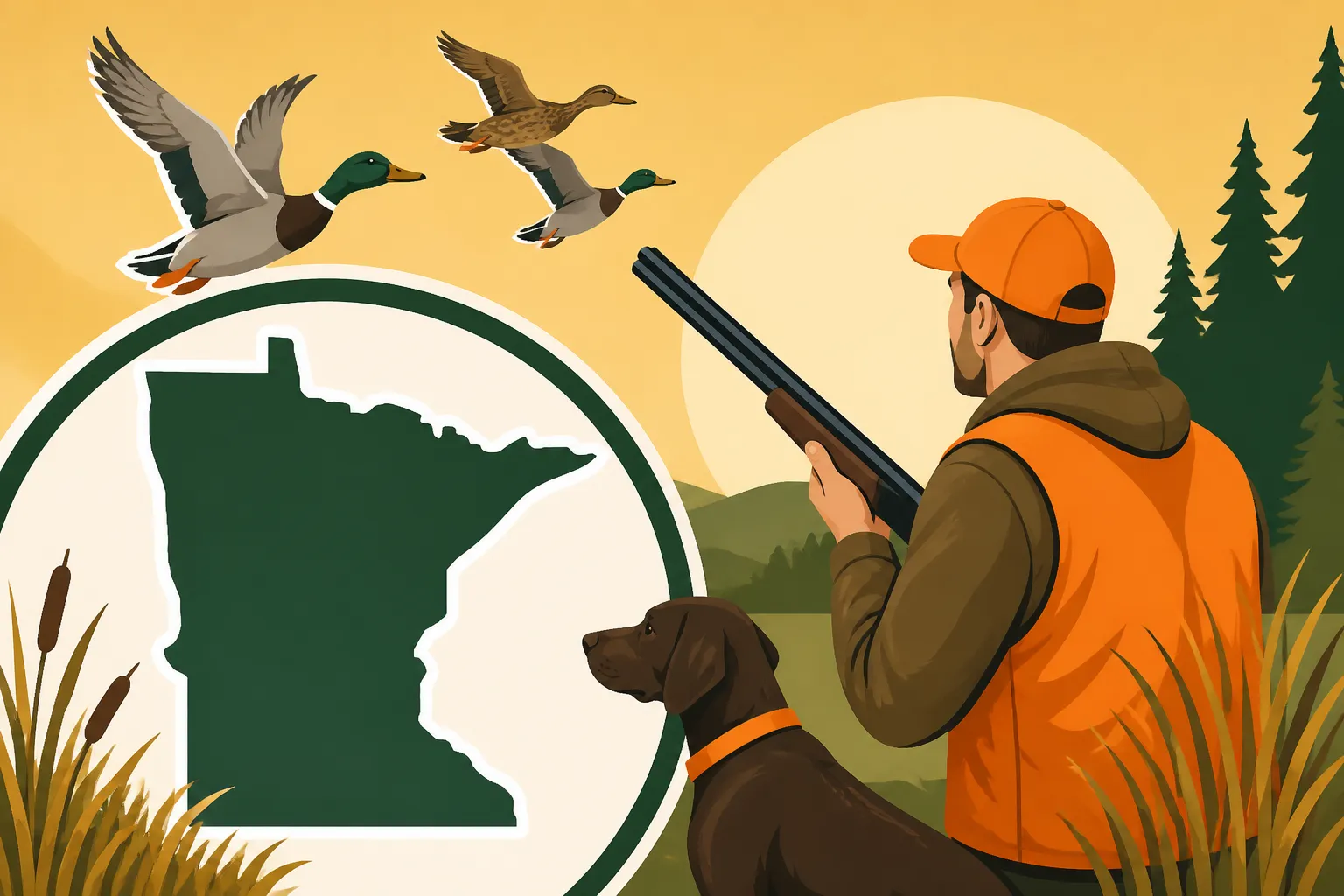
Every hunter who intends to pursue migratory game birds – that's ducks, geese, doves, woodcock, snipe, rails, coots, and even sandhill cranes – needs to be HIP certified annually. This applies whether you're planning a serious multi-day trip for Minnesota Waterfowl Hunting on Lakes and Potholes or just hoping to jump-shoot a couple of ducks while out Hunting Minnesota Cattail Sloughs for Deer. The data collected from these certifications helps track hunter participation and provides a sampling frame for more detailed harvest surveys. Without this information, wildlife agencies would be flying blind, unable to properly assess population trends or set appropriate bag limits and season dates. It might feel like a minor bureaucratic hurdle, but it's genuinely one of the cornerstones of migratory bird conservation.
Which Bird Hunters Need to Be HIP Certified?
Let's cut right to it: if you plan to hunt any migratory game birds in Minnesota, you need to be HIP certified. This isn't just for die-hard waterfowl hunters. This often trips up hunters who might primarily focus on upland game or big game but occasionally encounter or decide to pursue migratory birds.
For example, maybe you're out pheasant hunting on Pheasant Hunting Minnesota Farmland and decide to jump-shoot some ducks off a slough you stumble upon. Or perhaps you're doing some Spring Turkey Hunting in Minnesota in early May, and you see some doves and think about hitting a sunflower field later in the summer. If that thought crosses your mind and you intend to act on it during the relevant season, you need the HIP certification. It's truly about the intent to hunt these specific species, not necessarily about a guaranteed harvest. Even youth hunters need to be HIP certified, though often it's done for them when a parent buys their licenses. So, make sure that Minnesota Migratory Game Bird Certification is on your checklist every single year.
The Straightforward Process to Get Your HIP Certification
The good news is that obtaining your HIP certification in Minnesota is a relatively simple process that usually coincides with your annual license purchases. It's designed to be as seamless as possible, recognizing that hunters already have a lot of regulations to keep track of.
Where and How to Register for HIP
The easiest and most common way to get your Minnesota HIP certification is when you purchase your annual hunting license. Whether you're buying it online through the Minnesota DNR's eLicense system, visiting an authorized license agent like a bait shop or sporting goods store, or even purchasing by phone, you'll be prompted to complete the HIP survey.
When you're online, it’s typically an optional add-on that comes up after you've selected your main hunting licenses, but it will be clearly labeled as the "Harvest Information Program (HIP) Certification." The system will ask you a series of questions about the types of migratory birds you intend to hunt in the upcoming season (e.g., ducks, geese, doves, woodcock) and, usually, an estimate of how many of each you harvested last year. It's crucial to answer these questions honestly, even if your answer is "none" or "zero." This isn't a test or a way to track your success, but purely for data collection. The HIP certification itself is free, a small but important component of your overall hunting privileges. Many hunters use a platform like GoHunt to keep track of all their license requirements and application deadlines, which can be particularly helpful for ensuring you don't miss this crucial step among others.
What Information You'll Need to Provide
When you're going through the HIP certification process, the information requested is generally minimal and focused on establishing your eligibility and contributing to the data collection effort. Primarily, you'll need to confirm your personal details, such as your name, address, and date of birth, which are already linked to your main hunting license purchase.
The most important part of the HIP survey involves the questions about your hunting intentions and past harvests. You'll be asked to check boxes indicating which categories of migratory game birds you plan to hunt during the upcoming season. These categories typically include:
- Ducks (including sea ducks)
- Geese (including brant)
- Doves (Mourning, White-winged, Band-tailed)
- Woodcock
- Snipe
- Rails
- Coots
- Sandhill Cranes
Following these "intent to hunt" questions, you'll often be asked to provide estimates of the number of birds you harvested in each category during the previous hunting season. This is where honesty, even with an estimate of zero, is key. This information helps the USFWS create a robust database for subsequent, more detailed harvest surveys. It's not about catching you in a lie or judging your hunting prowess; it's about building a comprehensive picture of migratory bird hunting activity nationwide. Remember, you don't need exact numbers, just your best estimate.
Navigating Common HIP Certification Scenarios and Confusions
Even with a straightforward process, questions and uncertainties about HIP certification often arise. It's easy to overlook a small requirement when you're focused on bigger plans like gearing up for Minnesota's Firearm Deer Season by Zone or patterning your shotgun for ducks.
What if I Forget or Didn't Know I Needed It?
Forgetting your HIP certification isn't uncommon, especially for hunters who primarily chase deer or grouse and only occasionally dip into migratory bird hunting. Perhaps you got your regular small game license and your Minnesota Federal Duck Stamp Requirement but completely missed the HIP checkbox. Unfortunately, ignorance of the law isn't a valid defense. HIP certification is a federal requirement, and hunting migratory game birds without it can lead to legal consequences.
These consequences can range from fines to, in more severe or repeated cases, the loss of hunting privileges. Conservation officers routinely check for HIP certification in the field, just as they would check your hunting license or duck stamp. It's a fundamental part of being a legal migratory bird hunter. It's a frustrating thought, especially if it was an honest mistake, but the system relies on universal compliance for its data integrity. Using a comprehensive platform like GoHunt can provide reminders or help you manage all your hunting requirements digitally, minimizing the chance of an oversight. It's always better to double-check your license documentation before heading out for any migratory bird hunt, even if it's just for a quick afternoon of hunting the early teal season in Minnesota.
Does HIP Certification Expire, and When Do I Need to Renew?
Yes, HIP certification expires annually, just like most of your Minnesota hunting licenses. It's tied to the state's license year, which typically runs from March 1st through the end of February of the following year. This means you need to renew your HIP certification every single year that you intend to hunt migratory game birds.
Don't make the mistake of thinking your certification from last fall's duck season is still valid for this year's early goose or dove season. If you hunted ducks in November and December of one year, you'll need to acquire a new HIP certification for the following September's Minnesota Early Teal Season Dates or any other migratory bird hunt within the new license year. It’s a recurring requirement, emphasizing the continuous nature of data collection for wildlife management. Always make it a habit to obtain your new HIP certification when you purchase your annual small game or waterfowl licenses.
Carrying Proof of Certification in the Field
Just like your hunting license and federal duck stamp, you need to be able to present proof of your HIP certification to a conservation officer upon request while afield. This isn't a suggestion; it's a legal requirement. Most often, your HIP certification will be printed directly on your Minnesota hunting license document, usually as an endorsement or a specific line item indicating "HIP Certified."
If you carry your licenses digitally on your phone through the Minnesota DNR eLicense app, that typically serves as sufficient proof. However, it’s always a good practice to have a physical copy tucked away in your wallet or hunting bag, especially if you're hunting in remote areas where cell service might be nonexistent. No signal means no access to your digital license, and that could lead to an uncomfortable conversation with a CO. Before you head out to chase birds in any of the Minnesota Duck Zone Boundaries, do a quick check: license, federal duck stamp, and HIP certification. Having all your paperwork in order helps ensure a smooth and enjoyable hunting experience. Additionally, online tools like GoHunt allow you to store and access digital copies of all your licenses and certifications, acting as a convenient backup and making it easy to confirm compliance with a quick tap.
The Broader Impact of Your HIP Certification
While it might feel like a minor administrative task, your annual HIP certification plays a truly significant role in the grand scheme of migratory bird conservation. It's one of those crucial behind-the-scenes actions that collectively fuels the sustainability of the hunting traditions we cherish.
How Hunter Data Fuels Conservation Efforts
The data collected through the Harvest Information Program is absolutely invaluable to wildlife managers across North America. When you provide those simple answers about the species you intend to hunt and your estimated harvest from the previous year, you're directly contributing to a massive, continent-wide dataset. This information allows the U.S. Fish and Wildlife Service and the various state agencies to:
- Estimate Hunter Participation: Knowing how many people are hunting different migratory species helps allocate resources and understand hunting pressure.
- Develop Harvest Surveys: Your HIP registration makes you eligible to be selected for more detailed follow-up surveys, where you might be asked to mail in a duck wing or provide more precise harvest numbers. This scientific sampling is critical.
- Monitor Population Trends: Combined with breeding ground surveys and banding data, harvest data paints a comprehensive picture of migratory bird populations. This allows biologists to detect declines or increases and adjust management strategies accordingly. This even helps inform research into Minnesota Waterfowl Migration Timing patterns and how they might be changing due to environmental shifts.
This data directly informs decisions on bag limits, season lengths, and even habitat conservation efforts, not just in Minnesota but across the entire flyway. It's a scientific backbone that ensures we're making decisions based on facts, not guesswork, all thanks to the participation of hunters like you.
Ensuring a Sustainable Future for Migratory Bird Hunting
Ultimately, every time you complete your Minnesota HIP certification, you're investing in the future of migratory bird hunting. The integrity of the data collected hinges on broad participation and honest reporting. Without it, wildlife management would lose a critical component, potentially leading to more conservative — or, conversely, unsustainable — hunting regulations.
By fulfilling this simple requirement, you become an active participant in a system that has successfully managed migratory bird populations for decades, ensuring that species like ducks, geese, and doves remain abundant for generations to come. It’s a prime example of how hunters, through their licenses and compliance, are the leading force in conservation funding and data collection. Your role in this program helps set appropriate Minnesota Duck Daily Bag Limit regulations and ensures that the thrill of a flock of mallards dropping into your decoys or the whistle of a woodcock flushing from the alders will be there for your children and grandchildren. Think of your HIP certification as a small but mighty contribution to the legacy of hunting and conservation. Platforms like GoHunt, by simplifying the licensing process, indirectly support this critical data collection by making it easier for hunters to comply.
Key Facts About Minnesota HIP Certification
| What it is | Harvest Information Program (HIP) – a federal program to collect data on migratory bird hunters. |
|---|---|
| Who Needs It | All hunters (including youth) intending to hunt any migratory game birds (ducks, geese, doves, woodcock, snipe, rails, coots, sandhill cranes) in Minnesota. |
| Why It's Required | Provides vital data to the U.S. Fish and Wildlife Service and state agencies for population estimates, setting season lengths, bag limits, and overall migratory bird conservation efforts. |
| Cost | Free. |
| How to Get It | Usually when purchasing your annual hunting license online via the DNR eLicense system, in-person at an agent, or by phone. You'll answer questions about your hunting intentions and previous year's harvest estimates. |
| Expiration | Annually, tied to the Minnesota license year (March 1 to February 28/29). Must be renewed every year you plan to hunt migratory birds. |
| Proof in the Field | Must be able to present proof (printed on license or via digital app) to a conservation officer upon request. |
Disclaimer
The information provided in this guide is for general informational purposes only and is not intended as legal advice. Hunting regulations can change frequently, and interpretations may vary. It is always the hunter's responsibility to consult the most current Minnesota Department of Natural Resources (DNR) regulations and federal migratory bird hunting regulations before heading afield.