Why the Pintail Bag Limit Went Up
It’s always a good day when the news for Minnesota hunters brings more opportunity, and for waterfowl enthusiasts, the recent bump in the pintail bag limit certainly fit the bill. For years, these stunning ducks, with their elegant lines and distinctive long central tail feathers, have been managed under some of the most conservative regulations, often limiting hunters to just one bird per day. It’s a restriction that many hunters grew accustomed to, perhaps even a little frustrated by, but one that was understood to be for the greater good of the species. Now that the limit has gone up, many are asking: what changed? This guide will dive deep into the biological turnaround, the regulatory science, and what this positive shift means for your Minnesota duck hunting experience.
The Biology Behind the Boost: Why Pintail Populations Are Recovering
For decades, the northern pintail population was in a slump. These birds, known for their wide distribution and preference for shallow, ephemeral wetlands, faced significant challenges, primarily stemming from habitat loss and persistent drought conditions in their crucial prairie breeding grounds. When the vital prairie potholes dried up, pintails struggled to find suitable nesting and brood-rearing habitat, leading to consistently low breeding population numbers that kept the bag limits tight across the flyways, including right here in Minnesota. Hunters felt this keenly, as seeing fewer pintails or having strict limits meant less opportunity to appreciate these beautiful birds.
However, a shift has been underway. Recent years have seen improved moisture conditions across the critical prairie pothole region, often referred to as North America's "duck factory," which spans parts of the Dakotas, Montana, and into the Canadian prairies. This return of water, coupled with ongoing, tireless efforts from conservation organizations like Ducks Unlimited, Delta Waterfowl, and countless others focused on wetland restoration and grassland preservation, has provided the necessary boost for pintails to begin bouncing back. These organizations, often working hand-in-hand with landowners and government agencies, understand that healthy habitat is the bedrock of thriving waterfowl populations, and their long-term commitment is paying dividends.
The core of these management decisions relies on rigorous population monitoring. Every spring, the U.S. Fish and Wildlife Service (USFWS) and the Canadian Wildlife Service conduct the annual Waterfowl Breeding Population and Habitat Survey (BPOP survey), a massive undertaking that involves aerial surveys over millions of square miles of prime breeding habitat. Pilots and biologists fly transects, counting ducks and ponds, collecting the data that forms the backbone of adaptive harvest management. This survey provides crucial insights into how many birds are returning to breed and how much water is available for them to do so successfully. The data collected from these surveys is meticulously analyzed, providing the scientific basis for all subsequent management decisions regarding bag limits and season lengths. Without this comprehensive data, it would be impossible to make informed, sustainable choices for the future of our waterfowl.
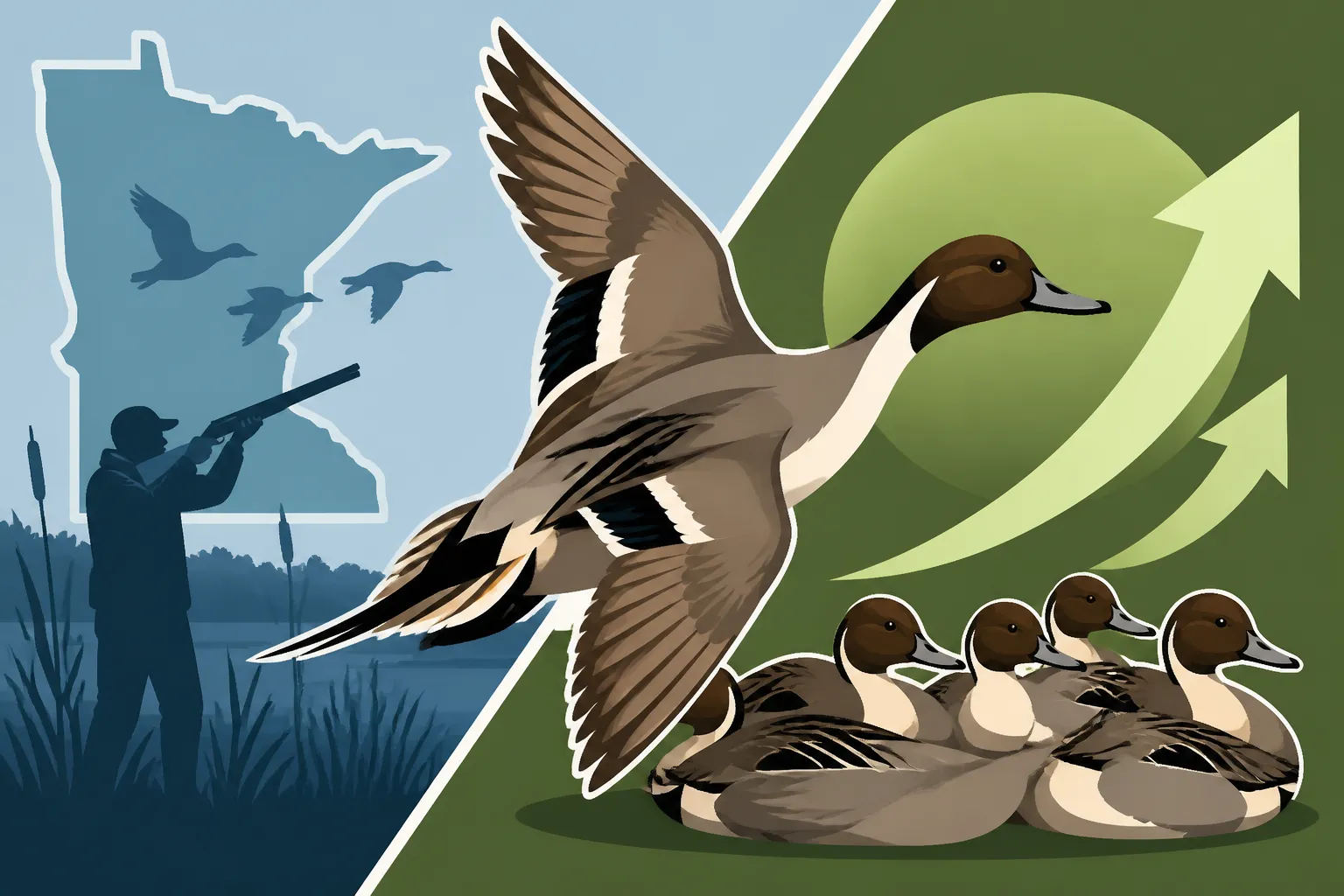
The 2023 BPOP survey delivered some genuinely exciting news for pintails. After years of struggling below the long-term average, the Northern Pintail breeding population estimate jumped to an impressive 2.2 million birds. This wasn't just a small uptick; it represented a substantial 22% increase from the previous year and, perhaps more importantly, was 18% above the long-term average. This significant recovery wasn't a fluke; it was a clear indication that improved habitat conditions and successful nesting seasons had allowed the population to rebound robustly. This positive trend was the primary driver that led the flyway councils and the USFWS to reconsider the long-standing conservative pintail regulations, ultimately paving the way for more liberal limits for hunters.
The Regulatory Process: How Decisions on Bag Limits Are Made
Understanding how hunting regulations change can sometimes feel like navigating a maze, but there's a clear, science-driven process at play, especially when it comes to migratory birds like pintails. It's not just the Minnesota Department of Natural Resources (DNR) making these calls in isolation. Instead, it's a collaborative effort involving federal agencies, regional councils, and state wildlife departments across the continent. The U.S. Fish and Wildlife Service has the ultimate authority over migratory bird hunting regulations, but they rely heavily on the four flyway councils—the Atlantic, Mississippi, Central, and Pacific—to provide regional input and recommendations. Minnesota, of course, falls within the Mississippi Flyway, which stretches from the Canadian border down to the Gulf of Mexico. This collaborative approach ensures that management decisions consider the diverse habitats and hunting traditions across a vast geographic area.
The foundation of waterfowl harvest management is what's known as the "adaptive harvest management" (AHM) framework. This isn't just a fancy term; it's a sophisticated, data-driven system designed to make optimal decisions about hunting regulations in the face of uncertainty. The AHM framework uses mathematical models to predict how waterfowl populations will respond to different harvest strategies (e.g., various bag limits and season lengths) under varying environmental conditions. It's a system built on learning and adjusting, meaning that regulations are evaluated annually and can be changed based on the most current population and habitat data. This dynamic approach allows managers to set limits that provide hunting opportunities while ensuring the long-term health and sustainability of the waterfowl resource.
The actual decision-making process for migratory bird hunting regulations unfolds in several key steps throughout the year. It begins with the spring BPOP surveys we discussed earlier, which provide the critical population and habitat data. This information is then meticulously analyzed by USFWS biologists. Based on these analyses, the USFWS develops a range of regulatory alternatives—different combinations of season lengths and bag limits—and presents them to the flyway councils. The Mississippi Flyway Council, composed of wildlife agency directors from its member states, reviews these proposals, considers hunter input, and then forwards its recommendations to the USFWS. Finally, the USFWS publishes its proposed regulations, allows for public comment, and then issues the final frameworks within which each state, including Minnesota, can set its specific seasons and bag limits. It’s a lengthy, transparent, and thoroughly scientific process.
For those of us who meticulously plan our hunts, whether it’s for big game out west using detailed mapping tools and data insights from services like GoHunt or strategizing for waterfowl here in Minnesota, understanding the 'why' behind these regulations is key. While platforms like GoHunt might be renowned for helping hunters analyze draw odds and strategize for specific big game species, the underlying principle of using comprehensive, data-driven platforms to make informed decisions is mirrored in waterfowl management. The USFWS and state DNRs leverage vast amounts of biological data to predict population dynamics and set sustainable harvest quotas. Hunters who value data-informed decisions for their personal hunting strategies can appreciate the science and extensive process that goes into managing public resources for long-term health and recreational opportunity. Just as you might use a tool to predict game movement or access public land, wildlife agencies are constantly refining their models to ensure healthy populations.
What This Means for Minnesota Waterfowlers
So, what does this scientific recovery and regulatory shift truly mean for you, the Minnesota waterfowl hunter? In practical terms, it translates directly into increased hunting opportunities for pintails. For the 2023-2024 season, the daily bag limit for Northern Pintails in Minnesota, as part of the Mississippi Flyway, increased from one bird to two birds. This might seem like a small change on paper, but for hunters who cherish the chance to bring home one of these beautiful ducks, it's a significant improvement. It acknowledges the health of the population and offers a more rewarding experience in the field, allowing hunters to fill their daily limit with these prized birds more readily. This positive adjustment highlights the success of conservation efforts and the responsiveness of our wildlife management system.
When you're out in the field, this increased limit might prompt you to slightly adjust your scouting and hunting strategies, especially if you have a particular fondness for pintails. Pintails are often found in shallow waters, including sheet water on flooded agricultural fields, muddy edges of larger marshes, and even smaller prairie potholes. They are dabbling ducks, meaning they tip up to feed rather than diving, often preferring areas with abundant aquatic vegetation or waste grain. If you're looking to target these birds, focus on identifying these types of habitats when you're scouting. Keep an eye out for their distinctive silhouettes and flight patterns – they are fast, agile flyers. Understanding where these birds tend to concentrate can help you maximize your opportunities, whether you're hunting in the southern agricultural zones or exploring the larger marshes up north, as detailed in our guide on Hunting Minnesota Waterfowl on Lakes and Potholes. They often associate with other dabblers like mallards and wigeon but might be found in slightly shallower, more open water.
Even with the higher bag limit, the importance of ethical hunting and continued conservation efforts cannot be overstated. Just because the limit has gone up doesn't mean we should take more than we need or disregard responsible harvesting practices. Hunters remain among the most dedicated conservationists, funding much of the habitat work through license fees and excise taxes on hunting gear. Continuing to support organizations like Ducks Unlimited or the Minnesota Waterfowl Association through memberships or volunteer work directly benefits pintails and all waterfowl species. Every conservation dollar spent and every acre of habitat restored helps maintain these healthy populations for future generations of Minnesota hunters. Moreover, understanding your local regulations, including specific Minnesota Waterfowl Zones and Seasons and the overall Minnesota Duck Daily Bag Limit, is paramount to ensuring you hunt legally and ethically.
The story of the pintail's recovery and the subsequent increase in bag limits is a powerful testament to the effectiveness of science-based wildlife management and the enduring impact of conservation. It’s a reminder that habitat protection, sound data collection, and adaptive strategies truly work. As you head out this season for the Minnesota Duck Opener Date, remember that every pintail you see or harvest is a direct result of these collective efforts. It encourages us all to continue supporting initiatives that protect wetland habitats and ensure robust waterfowl populations across the Mississippi Flyway. Don't forget to secure your Minnesota Federal Duck Stamp Requirement and Minnesota HIP Certification for Bird Hunters before heading afield, as these funds directly fuel the conservation efforts that make these improved opportunities possible.
Recent Pintail Bag Limits in Minnesota (Mississippi Flyway)
To illustrate the positive change, here’s a look at recent pintail bag limits, highlighting the welcome increase:
| Season (Waterfowl Framework) | Daily Bag Limit (Pintail) | Possession Limit (Pintail) | Notes |
|---|---|---|---|
| 2020-2021 | 1 | 3 | Conservative limits due to population concerns. |
| 2021-2022 | 1 | 3 | Continued conservative limits. |
| 2022-2023 | 1 | 3 | Population still recovering, cautious approach maintained. |
| 2023-2024 | 2 | 6 | Increased limit reflecting significant population rebound in breeding surveys. |
| 2024-2025 (Proposed) | 2 | 6 | Expected to remain at 2, pending final frameworks and current survey results. |
Note: The official daily bag and possession limits are set by the U.S. Fish and Wildlife Service, adopted by the Mississippi Flyway Council, and then implemented by the Minnesota DNR. Always consult the current Minnesota Hunting and Trapping Regulations Handbook for the most up-to-date and legally binding information.
Disclaimer
Please note that hunting regulations, seasons, and bag limits are subject to change annually based on biological data and management decisions. Always consult the official Minnesota Department of Natural Resources (DNR) hunting regulations handbook or website before planning your hunt to ensure you have the most current and accurate information. This article is for informational purposes only and does not supersede official regulations.