Handling Bear Meat Safely
Hunting a bear in Minnesota is an exhilarating experience, a true test of woodsmanship and patience. But once that magnificent animal is on the ground, the real work, and arguably the most crucial work, begins: safely handling the meat. Many hunters, especially those new to bear, feel a rush of anxiety about whether they're doing everything right to ensure that hard-earned meat is not just edible but truly safe and delicious for their dinner table. This guide is here to walk you through every step, from the moment of the kill to the cooking pot, ensuring your Minnesota bear harvest is a rewarding one.
The Unique Challenges of Bear Meat: Why It's Different
Unlike deer or even elk, bear meat comes with a few specific considerations that demand extra care. It’s not just about getting it cool quickly, though that’s always important. Bears are omnivores, and their diet can expose them to parasites that aren't typically a concern with purely herbivorous game like whitetails. Understanding these differences is the first step in proper handling.
The primary concern with bear meat is a parasitic roundworm called Trichinella spiralis. While not every bear carries it, it's prevalent enough that you should always assume it's present and take precautions. In Minnesota, the Department of Natural Resources (DNR) doesn't typically require testing for Trichinella in harvested bears, so the responsibility falls entirely on the hunter to ensure the meat is handled and cooked properly. This parasite is tough, resilient, and can cause a serious illness in humans if ingested. You can't see it, smell it, or taste it, which is why prevention through proper cooking is absolutely key. The good news is that it’s easily destroyed by heat.
Another factor is a bear’s diet. Depending on the time of year and their location, bears might be gorging on berries, acorns, corn, or even carrion. This diverse diet can significantly impact the flavor of the meat, sometimes lending it a strong, "gamey" taste that some find unappealing. Proper field dressing and processing can help mitigate this, but the primary concern remains food safety. Knowing about Minnesota's Black Bear Population and their varied habitats can give you clues about what they might be eating and how that could influence your meat.
Immediate Field Dressing and Cooling in the Field
The moment your bear is down, the clock starts ticking. Speed and cleanliness are paramount, especially given the potential for parasites and the insulating layer of fat and fur. Even if the air temperature feels cool, that thick hide and fat can hold heat in the carcass, promoting bacterial growth and souring the meat rapidly.
Getting the Bear Ready for Transport
Your first priority is to get the hide off and the internal organs out as quickly as possible. Don't underestimate how heavy a bear can be, even a smaller one. A mature boar can easily weigh several hundred pounds, presenting a significant challenge to move and field dress. If you're hunting in remote areas, knowing how to bone out a bear in the field might be your only option for getting the meat back to camp or your vehicle.
Start by laying the bear on its back. Make a cut from the sternum to the pelvis, circling the anus. Be extremely careful not to puncture the intestines or stomach, as their contents can contaminate the meat. Once opened, reach in and sever the esophagus and trachea up by the chest cavity, then pull out all the internal organs. Work methodically to ensure nothing is left behind that could spoil. If you are participating in a program like Bear Hunting With Bait and Hounds in Minnesota, you might have more hands on deck, but often, it's a solo or small-group effort.
After eviscerating, the next crucial step is skinning. This is where bears differ greatly from deer. Their hide is incredibly thick and tough, often requiring a sharp knife and a lot of effort. Many hunters prefer to "tube skin" or "sleeve skin" a bear if they plan on a rug, but for meat purposes, a simple open-cut skinning down the back is often most practical. Get that hide off as quickly as you can, as it acts like a thick blanket, trapping heat. For hunters using mapping tools like GoHunt during their scouting or hunt planning phases, marking potential dressing sites near accessible trails can be a game-changer when dealing with such a large animal.
Cooling the Carcass Rapidly
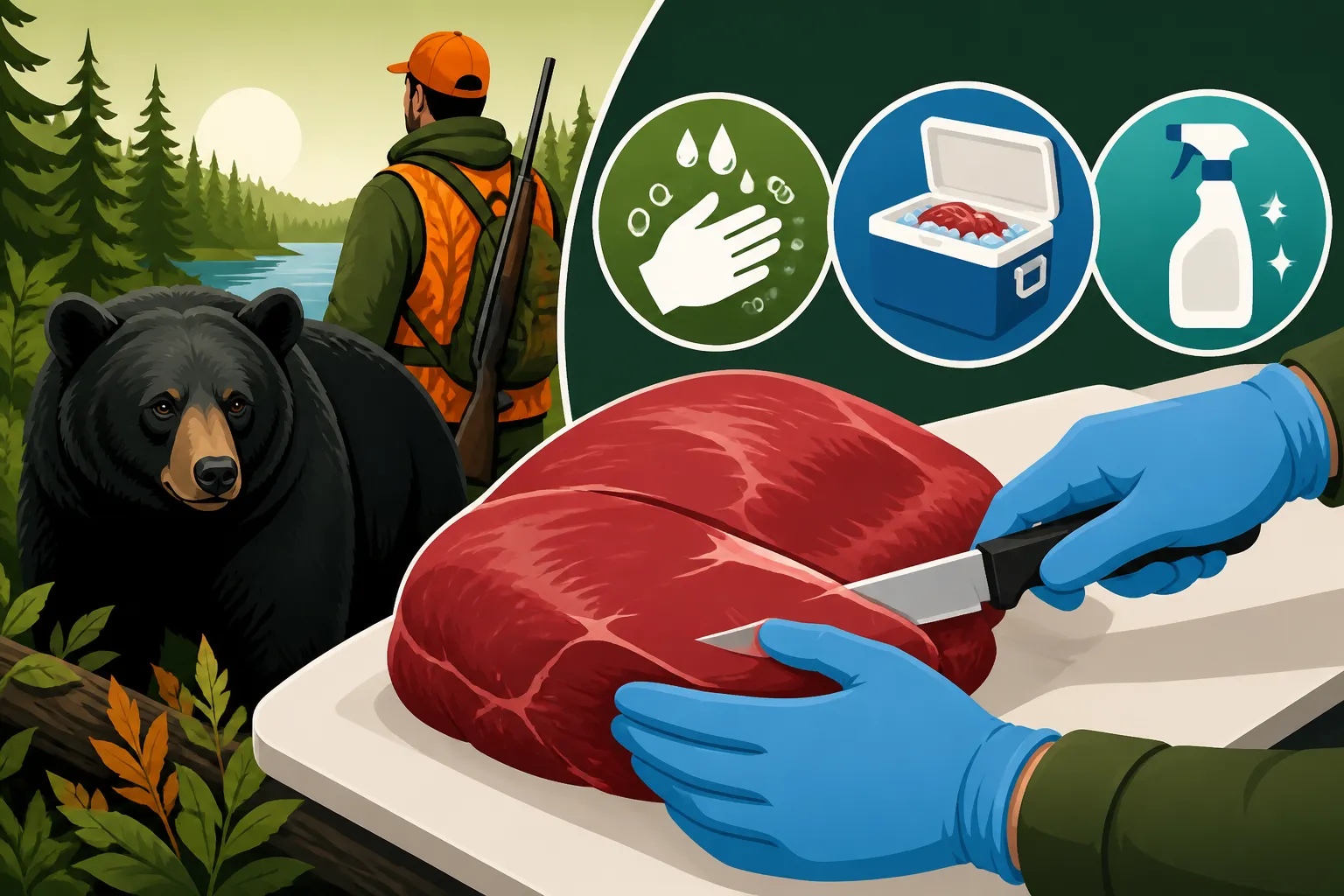
Once the hide is off and the guts are out, your next goal is to cool the meat down to below 40°F (4°C) as quickly as possible. This is where weather conditions in Minnesota really come into play. On a warm early fall day, this might mean quartering the bear immediately and placing the quarters in game bags, then getting them into coolers packed with ice. If you're in the deep woods, perhaps after a long stalk, this might mean a significant drag to get to your vehicle. Having a plan for this before you even pull the trigger is essential.
If it's cold enough, below freezing, hanging the quarters in a cool, shaded spot can work. However, always verify the temperature with a meat thermometer. Don't just assume it's cold enough. Even on a chilly day, the internal temperature of a large bear can remain elevated for hours. The goal is to get air circulating around the meat. If you have ice, pack clean ice directly into the body cavity or around the quarters. Remember, moisture promotes bacterial growth, so while ice is critical for cooling, try to keep the meat from sitting in meltwater for too long. For comprehensive advice on what to bring, check out a guide on Bear Hunting Gear in Minnesota.
| Step | Description | Urgency | Key Considerations |
|---|---|---|---|
| Field Dress | Remove all internal organs immediately. Make clean cuts, avoid puncturing stomach/intestines. Sever esophagus and trachea. | Critical | Prevents bacterial contamination from gut contents. The sheer volume of organs in a bear makes this a large task. |
| Skinning | Remove the hide as quickly as possible. This is the biggest insulator and holds heat. | Critical | Air exposure is crucial for cooling. Bear hides are thick and require effort; bring a sharp, sturdy knife. |
| Quartering | Break the carcass down into manageable pieces if necessary for cooling and transport. Separate muscle groups from bones if you plan to bone out. | High | Increases surface area for cooling. Reduces drag weight. Essential for backpacking out meat from remote areas, like some of the larger State Forest Hunting areas in Minnesota. |
| Cooling | Get internal meat temperature below 40°F (4°C) within a few hours. Use ice, snow, or cold air. Hang meat where air can circulate. | Critical | Prevents rapid bacterial growth and meat spoilage. Never stack meat if possible; ensure air flow. If using coolers, keep drain plugs open for meltwater if meat is on racks. |
| Transport | Move meat carefully to prevent contamination. Use clean game bags or coolers. Avoid dust, dirt, and direct sunlight. | High | Maintain cleanliness and temperature. Even if you've got a great setup in your truck, you don't want to lose all that hard work because of a dusty road. |
Processing Bear Meat Back Home
Once you’ve successfully gotten your bear meat out of the field and to a processing area, whether that’s your garage or a professional butcher, the next steps are all about precision, hygiene, and preparation for storage. This phase determines the final quality and safety of your meals.
Butchering and Trimming
Start by carefully inspecting all the meat. You'll want to trim away any excess fat, silver skin, and bruised meat. Bear fat, while abundant, can often be quite strong in flavor, especially if the bear has been on a fish or scavenger diet. Many hunters remove the majority of it during processing, though some enjoy rendering it for cooking. Pay close attention to any areas that might have been damaged by the shot placement, as these can harbor bacteria or bone fragments.
As you cut the meat into roasts, steaks, and stew chunks, maintain a clean workspace. Use separate cutting boards for raw meat and anything else. Sanitize your knives and surfaces frequently. Package the meat in airtight freezer bags or vacuum-seal it to prevent freezer burn. Label everything clearly with the cut of meat and the date. Remember, proper packaging protects your hard work and ensures quality for months to come. If you're unsure about the best way to handle a bear after the shot and beyond, there are many resources that can help.
Testing for Trichinella (Optional, but Recommended if Available)
While heat is the ultimate killer of Trichinella, some hunters prefer to have their bear meat tested, especially if they plan to make jerky, sausage, or other products that might not reach high internal temperatures throughout. The most common method for testing wild game is a laboratory procedure that involves digesting a small sample of muscle tissue to look for larvae. This isn't usually something you can do at home.
In Minnesota, the state doesn't offer a public testing service for individual hunters, so you'd need to seek out a private lab. This can be costly and time-consuming, which is why most hunters rely on thorough cooking. However, if you have the resources and a specific reason, it's an option to consider for absolute peace of mind. Regardless of testing, always treat all bear meat as if Trichinella is present.
Cooking and Enjoying Bear Meat Safely
This is the delicious payoff for all your hard work! Bear meat can be incredibly flavorful, often compared to pork or beef, with its own unique richness. However, due to the Trichinella risk, the cooking process is non-negotiable and requires strict adherence to temperature guidelines.
Crucial Cooking Temperatures
To effectively kill Trichinella larvae, bear meat must be cooked to an internal temperature of 160°F (71°C). This is not a suggestion; it is an absolute requirement for food safety. Unlike beef, where rare or medium-rare is acceptable and even preferred, bear meat should always be cooked to at least medium-well, if not well-done.
Use a reliable meat thermometer and check the thickest part of the meat. Don't rely on visual cues like the color of the meat or juices, as these can be misleading. Cook all cuts – roasts, steaks, burgers, brats – to this temperature. When preparing ground bear meat or sausages, ensure they reach 160°F throughout. This might mean slow-cooking some cuts or searing steaks quickly and then finishing them in an oven to reach the internal temperature without burning the outside.
Flavor and Preparation Tips
Bear meat has a robust flavor that can stand up to strong marinades and seasonings. Many hunters find that brining bear meat, much like pork, can help tenderize it and draw out some of the stronger flavors if the bear was particularly "gamey." Overnight marinades with ingredients like red wine, garlic, onions, and herbs work wonderfully.
Some popular preparations include:
- Roasts: Slow-cooked in a Dutch oven with root vegetables and broth until fork-tender. This is perfect for tougher cuts.
- Steaks: Pan-seared or grilled, but remember to finish them to 160°F. A good option is to sear for a nice crust and then move to a lower heat oven.
- Stew Meat: Cubed and used in hearty stews with plenty of vegetables, which benefits from long, slow cooking.
- Ground Meat: Excellent for chili, burgers, meatloaf, or mixed with a fattier meat like pork for sausages. When making sausages, ensure they are cooked to 160°F.
Bear meat is also naturally rich and often benefits from being paired with acidic or fruity accompaniments, like apple sauce, cranberry sauce, or a vinegar-based slaw. Many hunters rave about the quality of the meat, especially from bears harvested in areas where they've been feeding on berries or acorns, which is common in many of Minnesota's prime bear habitats.
Freezing for Safety and Storage
Freezing bear meat to kill Trichinella is not a reliable method for the species found in North America (Trichinella spiralis is freeze-resistant). While some sources might mention freezing as a method for other types of Trichinella or for pork, it should never be relied upon for wild bear meat. Cooking to 160°F is the only surefire way to eliminate the parasite. So, freeze your bear meat for long-term storage and freshness, but always cook it thoroughly once thawed.
Properly stored in a deep freezer, vacuum-sealed bear meat can last for a year or even longer without significant loss of quality. Consider the journey from the moment you apply for the Minnesota Bear Lottery and Permit Areas to the delicious meal on your plate – every step matters!
Disclaimer
Please note that this guide provides general information on handling bear meat safely. Hunting regulations and best practices can change, and individual situations may vary. Always consult the latest Minnesota Department of Natural Resources (DNR) regulations and guidelines, and use your best judgment in the field.