Coolers for an Early Archery Kill
There's nothing quite like the crisp air of an early Minnesota fall, drawing back a bowstring on a deer. But let's be real, often "early fall" means sunshine, eighty degrees, and a whole lot of sweat – not exactly ideal conditions for preserving that hard-earned venison. The frustration of tagging a deer in warm weather, knowing the clock is ticking on your meat's quality, is a stress every early-season archer has faced. This guide is here to walk you through everything you need to know about choosing and utilizing coolers effectively, along with critical field strategies, to ensure your early archery kill stays prime, no matter what the thermometer says.
The Challenge of Warm Weather During Early Minnesota Archery Season
You've put in the scouting, spent countless hours on the range, and finally, your moment arrives. The arrow flies true, and you've got a deer down. But then you feel it – that sweat trickling down your back, the sun beating down through the canopy. Suddenly, the joy of the harvest is tinged with a very real, very pressing concern: "How do I keep this meat from spoiling?" This isn't just a minor inconvenience; it's a make-or-break factor for enjoying the fruits of your labor.
Why Early Season Heat is a Real Concern
Minnesota's archery season often kicks off in mid-September, a time when Indian Summer can linger for weeks. We've all experienced those gorgeous autumn days where temperatures can easily climb into the 70s or even 80s. While pleasant for being out in the woods, these temperatures are the enemy of freshly killed game meat. Bacteria multiply rapidly in warm conditions, and without quick and effective cooling, your venison can begin to degrade within hours. It's a race against time, and every minute counts. The internal body temperature of a deer is around 100 degrees Fahrenheit, and it holds that heat, especially if not field-dressed immediately. Leaving a deer whole in direct sunlight on a 70-degree day is a recipe for disaster. The meat essentially cooks itself from the inside out, leading to souring and an unpalatable taste. This is why being prepared with a solid cooling strategy isn't just a good idea; it's absolutely essential for preserving the quality of your harvest.
The Urgency of Field Dressing and Cooling
The moment your deer hits the ground, the cooling process needs to begin. Field dressing is the absolute first step. Removing the internal organs allows the body cavity to cool down much faster, dissipating that crucial internal heat. Think of it like opening a refrigerator door; you want to get the hot air out as quickly as possible. Every hour your deer lays in the field, un-gutted, is an hour that bacteria are thriving and potentially ruining your hard work. After field dressing, getting the hide off the animal as soon as possible also drastically aids in cooling, exposing the meat to ambient air. Many hunters consider quartering and boning out a deer in the field, especially during warmer periods, to facilitate quicker cooling and easier transport. This approach means less mass to cool and allows for more direct contact with ice once it reaches your cooler. We'll delve deeper into these tactics later, but the core message here is speed and efficiency from the very moment of the kill.
Choosing the Right Cooler: Types and Key Features for Deer
When it comes to coolers, you've got options, and some are far better suited for the demands of game meat in warm weather than others. Making the right choice upfront can save you a lot of headache and heartache down the road. It's not just about how much it holds, but how well it performs when the heat is on.
High-Performance Rotomolded Coolers
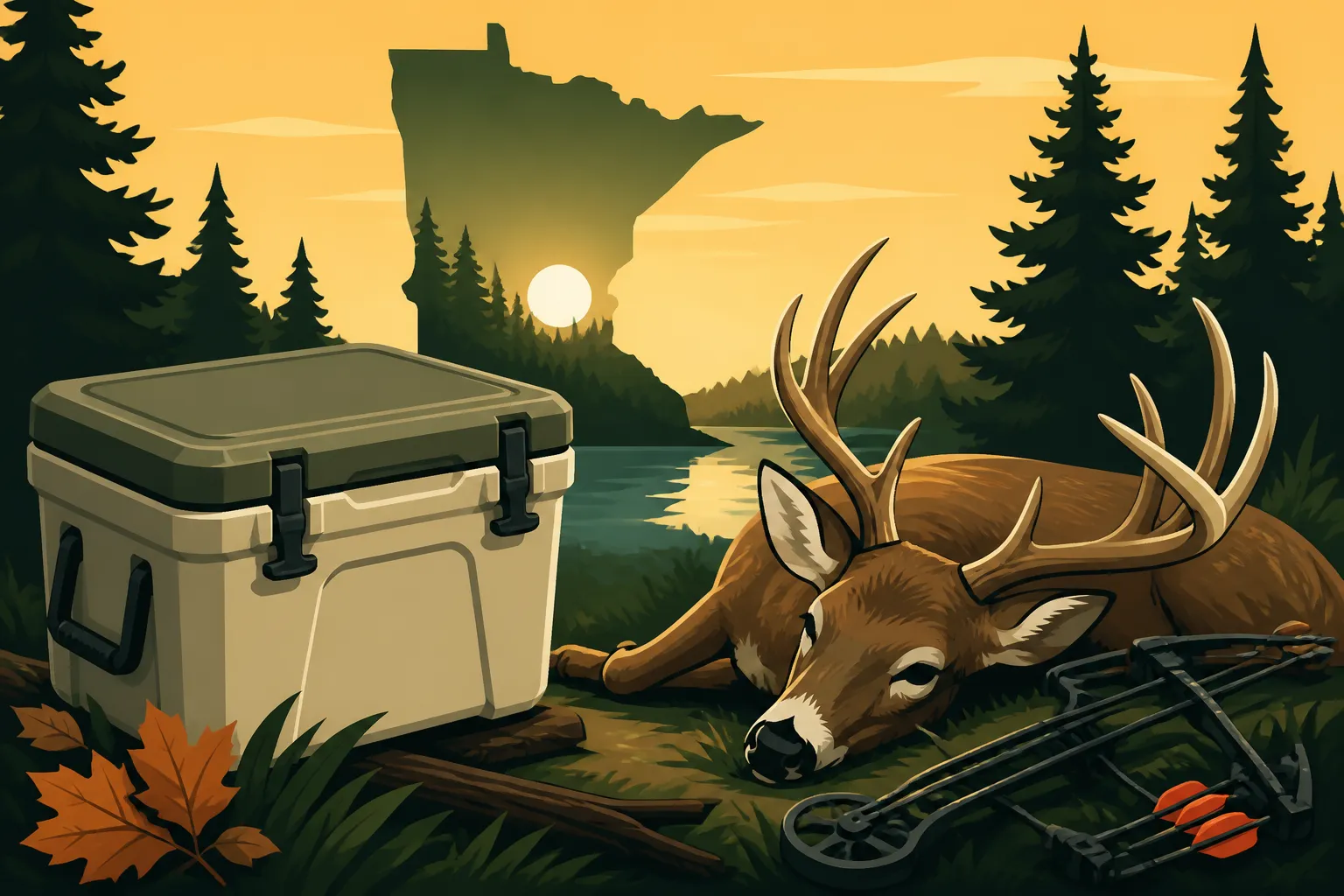
These are the heavy hitters of the cooler world, often seen as the gold standard for serious outdoor enthusiasts. Rotomolded coolers are constructed using a rotational molding process, which creates a single, seamless piece of plastic for both the interior and exterior. This design, combined with thick, pressure-injected insulation in the walls and lid, gives them incredible ice retention capabilities. They boast durable, often bear-proof, latches and heavy-duty hinges built to withstand abuse. If you're planning a multi-day hunt, if your hunting spot is remote, or if you simply don't want to worry about your ice melting too quickly, a rotomolded cooler is an excellent investment. They come with a higher price tag and significantly more weight than traditional coolers, but their performance and durability often justify the cost, ensuring your meat stays cold for days, even in warm conditions. These are the coolers you bring when you know you might be dragging a deer out of a deep ravine in northern Minnesota and won't be back to civilization until late evening.
Traditional Hard-Sided Coolers
For many years, these were the go-to for hunters and campers alike. Traditional hard-sided coolers, typically made from blow-molded plastic with a less dense foam insulation, are much more budget-friendly and significantly lighter than their rotomolded cousins. They are perfectly adequate for shorter trips or for keeping drinks cold at camp. However, their ice retention capabilities are notably less robust. In warm early-season conditions, you might find yourself needing to replenish ice daily, sometimes even more frequently. They can work for game meat if you're meticulous about ice management and have quick access to more ice, or if you're only transporting meat for a very short duration. For small game like pheasants or grouse, they're often sufficient. For a full-sized whitetail in warm weather, they demand constant attention.
Soft-Sided Coolers and Insulated Bags
These options offer maximum portability and are fantastic for day trips, carrying lunch, or for transporting smaller, boned-out cuts of meat for very short distances. Soft-sided coolers and insulated bags are made from various fabrics, often with flexible foam insulation. They excel at being lightweight and easy to carry, often with shoulder straps or backpack configurations. While they can hold ice for a few hours, they are not designed for long-term meat preservation, especially for a large game animal like a deer. Think of them as a useful tool for getting small amounts of processed meat home from the processor, or for holding a few packages of venison on a short drive, but not for field cooling a fresh kill.
Insulated Tarps and Game Bags
While not technically "coolers" in the traditional sense, high-quality insulated game bags are an absolute must-have for early season hunting. They are made from breathable, yet protective, fabric that allows meat to cool naturally by air circulation while preventing flies and other contaminants from reaching it. Paired with an insulated tarp, which can act as a temporary cold wrap, they are invaluable for initial field cooling. Once a deer is field-dressed, skinned, and quartered, placing the individual pieces into breathable game bags and then wrapping them in an insulated tarp or simply hanging them in a shady, breezy spot can significantly drop their temperature before they ever see a cooler. This pre-cooling step, often overnight, can make a huge difference, especially when you might be a long walk from your vehicle on public land. Game Bags for Warm September Days are a real lifesaver here.
Let's look at a quick comparison:
| Feature | Rotomolded Cooler | Traditional Hard-Sided Cooler | Soft-Sided Cooler/Bag | Insulated Game Bag/Tarp |
|---|---|---|---|---|
| Ice Retention | Excellent (3-10+ days) | Fair (1-2 days) | Poor (hours) | N/A (aids air cooling) |
| Durability | Extremely High | Moderate | Low to Moderate | Moderate |
| Weight | Heavy | Moderate | Light | Very Light |
| Cost | High | Low to Moderate | Low to Moderate | Low |
| Best Use | Multi-day hunts, remote retrieval, primary meat storage in warm temps | Short-term storage, drinks, easy access to ice, small game | Day trips, lunch, short transport of boned meat | Field cooling, protection, interim storage before cooler |
| Deer Capacity | Quartered/Boned (High) | Quartered/Boned (Moderate) | Boned (Low, small cuts) | Quartered/Boned (Excellent field solution) |
Essential Considerations When Choosing a Cooler for Deer
Beyond just the type, several critical factors come into play when selecting the right cooler for your hard-earned venison. Overlooking these can lead to compromised meat, a frustrating experience, and a heavy dose of regret.
Size and Capacity: Don't Underestimate Your Needs
One of the biggest mistakes hunters make is buying a cooler that's too small. A whole, field-dressed deer takes up a surprising amount of space, and that's before you add ice. If you're planning to quarter your deer in the field – which is highly recommended for warm weather – you'll still need substantial room. A general rule of thumb for a whitetail deer is to aim for a cooler in the 65-quart to 100-quart range, especially if you plan to keep the bone in some of the quarters. If you're boning everything out, you might get away with slightly less, but remember: you need plenty of space for ice. More ice means better, longer-lasting cooling. It's almost always better to err on the side of a larger cooler. Imagine getting that beautiful buck down, and then realizing you have nowhere to put it properly. That's a nightmare scenario we want to avoid. When you're using tools like GoHunt to plan your hunting routes and potential recovery points, factor in the logistics of getting a large cooler to and from your vehicle.
Ice Retention and Insulation Power
This is the absolute heart of a good game cooler. In warm early-season temperatures, the ability of your cooler to hold ice is paramount. Look for coolers with thick walls, dense insulation, and a well-sealed lid, often with a robust gasket, to prevent warm air from seeping in. The latches should be strong and secure, providing a tight seal. Without superior insulation, your ice will melt quickly, turning your cooler into a lukewarm soup that actually promotes bacterial growth rather than preventing it. It’s not just about the volume of ice you put in, but how efficiently the cooler protects that ice from the outside environment. A premium cooler's insulation means less worrying about running to town for more ice every day, and more confidence that your meat is staying perfectly chilled.
Durability and Portability
Hunting is tough on gear. Your cooler will be dragged over rough terrain, loaded into truck beds, and likely subjected to less-than-gentle handling. You need a cooler built to last. Look for robust construction, heavy-duty hinges, and sturdy handles that won't break under the weight of a loaded cooler. While durability often comes with increased weight, features like heavy-duty wheels on larger models can significantly improve portability, especially when you're moving a cooler full of meat and ice. A good drain plug is also a small but crucial feature, making it easy to empty melted water without having to tip the entire, heavy cooler. Consider how you'll move it from your vehicle to camp, or even to the nearest game processor. Having reliable gear, down to your cooler, gives you peace of mind throughout the entire hunting process, from Scouting Minnesota Public Land Before Season to the very last step of meat processing.
Cost Versus Value: Making a Smart Investment
Let's not sugarcoat it: high-performance rotomolded coolers can be a significant investment. However, consider the value proposition. You've invested time, money, and effort into your hunting license, your gear, and your hunt itself. The last thing you want is to lose a significant portion of your harvest due to improper cooling. A quality cooler protects that investment. The upfront cost is easily justified by the peace of mind it provides and the superior quality of the venison it preserves. Think of it this way: what's the cost of ruined meat? For many hunters, that's far greater than the price of a durable, high-performing cooler that will last for years, if not decades. For those on a tighter budget, a larger, well-managed traditional cooler can work, but it will require more vigilance and more frequent ice replenishment.
Prepping Your Cooler and Your Kill for Success
Having the right cooler is only half the battle. How you prepare both the cooler and the deer meat itself is equally, if not more, important for ensuring your venison stays pristine in warm weather. This is where meticulous planning and execution really pay off.
Pre-Cooling Your Cooler and Your Home Base
This step is often overlooked, but it's incredibly effective. A warm cooler, sitting in your garage or truck, will rapidly melt the first batch of ice you put in it, just bringing the cooler itself down to temperature. To avoid this, pre-chill your cooler for at least 24 hours before you plan to load meat. Fill it with a sacrificial bag of ice or frozen jugs of water, then close the lid and let it sit. You'll dump this ice just before you're ready to load your game meat. This gets the cooler's internal temperature down, ensuring the fresh ice you add for the meat doesn't have to work extra hard to cool the cooler itself. If you have access to a walk-in cooler or a large chest freezer in your garage, consider placing the empty cooler inside for a day or two to get it truly frosty. This small effort makes a huge difference in overall ice retention.
Ice Management Strategies: Block Ice is Your Friend
Not all ice is created equal when it comes to long-term cooling. Crushed ice, with its large surface area, melts quickly. Block ice, on the other hand, melts much slower due to its smaller surface-to-volume ratio. If you can make or buy block ice, it's always the superior choice for game meat. Many hunters also use frozen plastic jugs or two-liter bottles filled with water. These act like reusable ice blocks, last a long time, and don't create a watery mess when they melt – a huge advantage for keeping meat dry.
Crucially, as ice melts, drain the water. Cold water in the bottom of your cooler still helps keep things cool, but meat sitting directly in water can quickly absorb it, becoming waterlogged and developing an off-flavor. Meat needs to be cold and dry. So, periodically open that drain plug and let the water out, then add more block ice or frozen jugs if necessary. Planning your hunting area access with GoHunt can help you determine if you'll be near a town with ice for sale, or if you need to pack enough block ice for the entire trip.
Field Care: Getting the Meat Ready for the Cooler
The best cooler in the world can't save meat that's been poorly handled in the field. As soon as your deer is down, the clock starts ticking.
- Field Dress Immediately: Get those guts out to begin cooling the body cavity. Check out Field Dressing a Deer in Cold Weather for techniques, which apply even more critically in warm weather.
- Skin It If Possible: Removing the hide is one of the most effective ways to shed body heat. If you're capable and have a clean area, skinning the deer in the field dramatically speeds up the cooling process.
- Quarter or Bone Out: For warm weather, this is almost a non-negotiable step, especially for larger deer. Breaking the deer down into manageable quarters or boning out the meat allows it to cool much faster. Individual pieces can be packed more efficiently and have more surface area exposed to cooling air or ice. This also makes extraction from difficult terrain much easier, a point worth considering when you're checking your ingress and egress routes with GoHunt before the hunt.
- Use Quality Game Bags: Place each quarter or boned-out section into a breathable game bag. These bags protect the meat from flies, dirt, and debris while still allowing for air circulation, which is vital for initial cooling. They are far superior to plastic bags, which trap heat and moisture.
Packing the Cooler for Optimal Cooling
Once your meat is field-dressed, skinned (ideally), quartered, and in game bags, it's time to load the pre-chilled cooler. Don't just toss it all in.
- Layering: Start with a layer of ice on the bottom. Then, place your meat, making sure there's space between each piece for air and cold to circulate. Add more ice on top and around the sides.
- Avoid Overpacking: Resist the urge to cram every last bit of meat in there without sufficient ice. Air gaps are good; they allow cold air to move. If you have too much meat for one cooler, use a second, smaller cooler or opt to process some of the meat immediately.
- Keep It Clean: Ensure the meat never comes into direct contact with melted water. Using frozen jugs helps, but even with block ice, try to keep the meat elevated slightly on a grate or use a heavy-duty trash bag outside the game bag (never directly on the meat) as an extra barrier if needed, though game bags are usually sufficient if water is drained promptly.
- Monitor Temperature: Ideally, you want to get the internal temperature of the meat down to 35-40 degrees Fahrenheit as quickly as possible. A digital meat thermometer is a crucial tool here. Regularly check the temperature of the thickest part of the meat.
Beyond the Cooler: Other Cooling Tactics
While the cooler is your primary tool, there are additional strategies and considerations that can significantly contribute to keeping your deer meat cool and fresh, especially when you're still in the field.
Utilizing Natural Cold Sources (When Available)
Sometimes, nature can lend a helping hand. If you're fortunate enough to tag a deer on a particularly chilly autumn evening, or even a surprisingly cold early morning, you might have a few hours of natural cooling working in your favor. Hanging a field-dressed, skinned, and bagged deer in a shaded, breezy spot overnight can drop the core temperature dramatically. Look for a large tree branch in a dense canopy, away from direct sunlight, and elevate the meat off the ground. A good Packs for a Day on Public Land can often include a rope for this purpose. Just be mindful of scavengers, and consider the security of your hang site. While some hunters might consider placing bagged meat in a cool stream, this carries a significant risk of contamination from waterborne bacteria, so it's generally not recommended unless it's an emergency and the water source is absolutely pristine and flowing.
Game Bags and Air Flow
We've talked about game bags already, but it bears repeating: they are indispensable for proper field cooling. Unlike plastic bags, which trap heat and moisture, high-quality cloth game bags allow air to circulate around the meat. This circulation is what enables evaporative cooling, actively drawing heat away from the surface of the meat. After field dressing and quartering, place your meat in these bags and hang them. Even if you can't hang them high, getting them off the ground and propped up to allow air to flow around all sides is beneficial. A well-placed game bag not only cools but also protects your meat from dirt, leaves, and those persistent early-season flies. This is a crucial step before the meat ever reaches your ice-filled cooler, buying you precious time. Butchering a Deer at Camp becomes a much more pleasant task when the meat has been properly cooled from the start.
The Role of a Digital Meat Thermometer
This might seem like overkill to some, but a reliable digital meat thermometer is your best friend for ensuring meat safety and quality. Visually inspecting meat might tell you it "looks" cool, but only a thermometer can tell you the actual internal temperature. You want to aim for below 40 degrees Fahrenheit, and ideally closer to 35-38 degrees, as quickly as possible. Regularly checking the internal temperature of your quarters or boned-out meat, both in the field (after initial cooling in game bags) and once it's in the cooler, gives you real-time data on how well your strategies are working. This small, inexpensive tool provides invaluable peace of mind and helps prevent spoilage. It's about being proactive and data-driven in your meat care, much like using mapping tools like GoHunt to make informed decisions about your hunting strategy.
Remember, the goal for early season hunting in Minnesota is to act fast and be proactive. From the moment the deer is down, every decision you make regarding field care and cooling directly impacts the quality of the venison that ultimately makes it to your table. Plan your hunts, check the Minnesota Archery Season Dates and expected temperatures, and be ready to execute your cooling plan flawlessly.
Disclaimer
This article is for general informational purposes only and does not constitute professional advice. Laws, prices and regulations vary by location and change over time. Consult a qualified professional for guidance on your specific situation.