Best Shotgun Gauge for Minnesota Grouse
Choosing the right shotgun for grouse hunting in Minnesota can feel like stepping into a friendly but fierce debate around any deer camp campfire. You'll hear passionate arguments for every gauge, and it’s enough to make your head spin, especially when you're just trying to figure out what'll put more birds in your vest in our dense northern covers. This guide will walk you through the most common shotgun gauges used for Minnesota grouse, breaking down the pros and cons to help you find the perfect fit for your style of hunting.
The Enduring Appeal of the 12-Gauge for Grouse
Ah, the trusty 12-gauge. For many hunters, this is the default shotgun, often the first one we ever owned, and it’s certainly capable of bringing down ruffed grouse and woodcock. Its versatility is undeniable; it’s a workhorse that can transition from waterfowl to pheasants to deer with a simple change of choke and shell. When you’re walking through thick stands of aspen or navigating dense alder runs, the 12-gauge offers a generous shot string and plenty of payload to reach out and touch those fast-flushing birds.
One of the biggest advantages of the 12-gauge is the sheer amount of shot it can deliver. This means a larger pattern, which can be a real confidence booster when a grouse explodes from cover and zips through the trees at what feels like warp speed. A little wider pattern can compensate for a slight flinch or an off-kilter swing. Many hunters appreciate the robust feel of a 12-gauge, finding that its weight helps them maintain a steady swing, even if it might feel a bit sluggish compared to its lighter counterparts. Plus, ammunition is readily available and often more affordable, which is always a bonus when you’re spending a lot of time in the field.
However, that power comes with its own considerations. A 12-gauge, especially with heavier loads, can deliver a significant amount of recoil, which can be noticeable after a long day of shooting or if you’re particularly recoil-sensitive. Furthermore, some grouse hunters feel that the 12-gauge can be "too much gun," leading to excessive shot damage on smaller birds like grouse, especially at closer ranges. If you're walking those tight popple cuts, a bird might flush only a few yards away, and a heavy 12-gauge load can really tear it up. It's a balance, for sure, and one that often comes down to personal preference and shooting discipline.
The Nimble 20-Gauge: A Minnesota Grouse Favorite
The 20-gauge shotgun has steadily grown in popularity among Minnesota grouse hunters, and for very good reason. Many consider it the ideal compromise between the power of a 12-gauge and the lighter handling of smaller gauges. When you’re navigating the dense cover found in places like northern Minnesota’s aspen forests, where grouse often flush tight and fast, a quick-handling shotgun can make all the difference. The 20-gauge shines in this department.
Lighter in weight than most 12-gauges, a 20-gauge allows for quicker shouldering and faster target acquisition. This agility is a huge asset when a ruffed grouse rockets out from under a tangle of brush and disappears into the trees in a blink. The reduced weight also makes a significant difference during a long day of walking miles through challenging terrain. You'll feel less fatigued, allowing you to stay sharp and maintain better form throughout your hunt. Think about humping over blowdowns and pushing through thick tag alders – every ounce saved on your shoulder means more energy for the next flush.
While it delivers less shot than a 12-gauge, a 20-gauge still offers plenty of effective range and knockdown power for grouse and woodcock. With modern ammunition, you can find excellent loads that perform exceptionally well. For many, the reduced recoil of a 20-gauge is another big plus, making it more comfortable to shoot for extended periods and less likely to cause a flinch. This can lead to more consistent shooting and, ultimately, more birds in the bag. It truly strikes a sweet spot for many who spend their autumn days chasing these elusive woodland birds. If you're looking for a good all-around upland gun that won't wear you out, the 20-gauge is a fantastic choice, especially when you're focused on those quick, close-range flushes in thick cover.
The Zippy 28-Gauge and .410: Lightweight and Sporting Challenge
For those who crave a lighter shotgun and a bit more sporting challenge, the 28-gauge and .410 bore shotguns enter the conversation. These aren't for everyone, but for the experienced grouse hunter looking to refine their skills and enjoy a truly lightweight experience, they can be incredibly rewarding.
The 28-gauge is often lauded by upland enthusiasts as a nearly perfect grouse gun. It’s significantly lighter and quicker to handle than both the 12 and 20-gauge, making it an absolute dream to carry through miles of thick cover. Imagine walking through prime Grouse Hunting Minnesota Aspen Cover, your shotgun barely noticeable until that tell-tale thunder of wings erupts. Its minimal recoil makes it a joy to shoot, even with dozens of shots in a day. While its shot payload is smaller than a 20-gauge, the 28-gauge often produces incredibly consistent, dense patterns with smaller shot sizes, which is ideal for grouse. The key is to be a consistent shooter; its smaller pattern demands more precision. It's a gun that truly rewards good wingshooting.
Then there's the .410 bore. This is often seen as the ultimate challenge gun for grouse. It carries the lightest payload and has the tightest patterns, meaning your margin for error is razor-thin. When you choose a .410, you are deliberately opting for a more difficult hunt, where every shot demands perfect timing and aim. However, the reward for successfully Flushing Grouse Without a Dog and cleanly hitting a fast-flushing bird with a .410 is immense. The gun itself is incredibly light, sometimes feeling like a toy compared to its larger brethren, which can be a huge advantage when navigating dense brush and crawling over logs. Recoil is almost nonexistent, making it incredibly pleasant to shoot. Ammunition for the .410 can be a bit more specialized and sometimes harder to find, but for those dedicated to the challenge, it’s a minor hurdle. It’s a gauge that speaks to the purist, the hunter who values the elegance of the shot as much as the bird in the bag.
| Gauge | Typical Weight Range (Unloaded) | Pros | Cons | Ideal Scenarios for Minnesota Grouse |
|---|---|---|---|---|
| 12-Gauge | 6.5 – 8.5 lbs | Versatile, large shot payload, wide patterns | Heavier, more recoil, potential for excessive meat damage | Open aspen cuts, longer shots, generalist hunting |
| 20-Gauge | 5.5 – 7.5 lbs | Lighter, quick-handling, moderate recoil | Smaller shot payload than 12-gauge | Dense popple, alder runs, quick-flushing birds, long walking days |
| 28-Gauge | 5.0 – 6.5 lbs | Very light, minimal recoil, excellent patterns | Smaller payload, demands precision, less common ammo | Sporting challenge, precision shooting, light carry, consistent flushes |
| .410 Bore | 4.5 – 6.0 lbs | Extremely light, almost no recoil, ultimate challenge | Smallest payload, tightest patterns, unforgiving | Expert shooters, ultimate challenge, very close-range flushes, young hunters |
Considering Shot Size and Choke for Minnesota Grouse
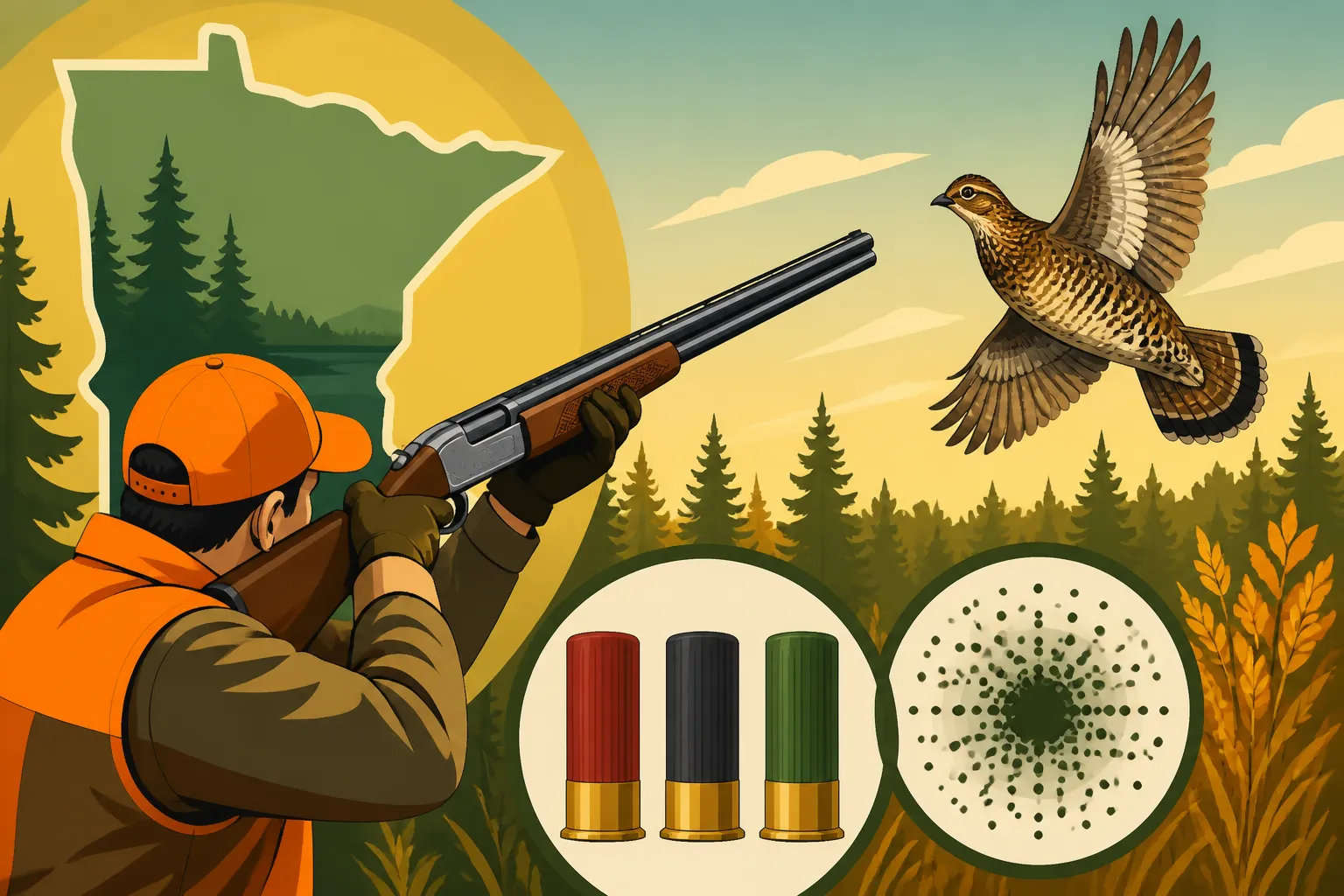
Beyond the gauge itself, the choice of shot size and choke constriction plays a massive role in your success and satisfaction when hunting grouse and woodcock in Minnesota. This combination dictates your pattern density and how effective your shot string will be at various distances.
For ruffed grouse, which are relatively small birds with delicate bones, you don't need a heavy pellet. Many experienced hunters prefer smaller shot sizes like 7 ½ or 8. These smaller pellets create a denser pattern, increasing the likelihood of hitting a fast-moving bird. In Minnesota's thick cover, shots are often close – sometimes just 10 or 15 yards – and a dense pattern is key to putting enough pellets on the bird for a clean kill without over-damaging the meat. If you're also targeting woodcock, which are even smaller, these shot sizes are perfect. For a deeper dive, check out Shot Size for Grouse and Woodcock.
When it comes to choke, this is where personal preference and hunting conditions truly come into play. In the tight cover where Minnesota grouse thrive, wide-open chokes are generally favored.
- Cylinder or Skeet chokes are excellent for extremely close-range flushes, providing the widest possible pattern. If you're hunting dense dogwood thickets or overgrown logging trails, these chokes might be your best bet, especially in a double-barreled shotgun where you can have two different chokes.
- Improved Cylinder (IC) is arguably the most popular all-around choke for ruffed grouse. It offers a good balance of pattern spread for close birds while still retaining enough density for those slightly longer, 25-30 yard shots. This choke is very forgiving and versatile, making it a great choice for a single-barrel shotgun or as your primary choke in a double.
- Light Modified (LM) or Modified (Mod) chokes are sometimes used, particularly if you anticipate slightly longer shots or if you are consistently missing with a more open choke. However, for most Minnesota grouse hunting, anything tighter than Modified starts to become too constricting, leading to blown-up birds at close range or missed opportunities due to overly tight patterns. Remember, these birds don't sit still for long. For more detail on making this decision, read Choke Choice for Fast Flushes.
The reality of grouse hunting in Minnesota means you're almost always dealing with fast-action, close-quarter encounters. Many hunters will even carry an upland vest with plenty of shell loops, allowing them to mix and match loads and shot sizes as the cover dictates. Finding your preferred combination of gauge, choke, and shot size is a journey that evolves with experience, but starting with these fundamentals will set you on the right path.
Beyond the Gauge: Other Factors for Grouse Success
While choosing the right shotgun gauge is a big decision, it's just one piece of the puzzle when it comes to consistently finding and bagging ruffed grouse in Minnesota. Several other factors contribute significantly to a successful and enjoyable hunt.
Gun Fit and Balance: This is paramount. A shotgun that fits you well will shoulder naturally, point instinctively, and allow you to swing smoothly. Even the "best" gauge won't perform for you if the gun doesn't feel right. Consider things like length of pull, drop at comb, and overall balance. A properly fitted gun means less conscious effort in mounting and more focus on the bird. When a grouse bursts from a thicket, you need to be able to get on target instantly, and good gun fit makes that second nature.
Barrel Length: For grouse hunting, shorter barrels are often preferred. A 24-inch or 26-inch barrel is much easier to maneuver through dense woods and thick brush than a longer 28-inch or 30-inch barrel. This nimbleness can be crucial when you’re swinging on a bird that appears suddenly in a tangle of branches. A shorter barrel reduces the chance of snagging on branches and allows for quicker reactions, which is essential for these fast-flushing birds. For insights on this, you might find Barrel Length for Walking Thick Cover helpful.
Footwork and Dog Work (or lack thereof): No matter what gun you carry, your ability to move quietly and effectively through the woods is critical. Good footwork means being ready for a flush at any moment. If you're hunting with a dog, its ability to point and hold birds is invaluable, often allowing you to get into position for a shot. If you're a walk-up hunter, often referred to as "still-hunting," you'll need to develop an ear for the subtle signs of grouse and be ready to shoot quickly when they explode. Understanding grouse behavior and knowing where to expect them to flush can be more important than the gun you carry. Scouting tools, like the mapping features from companies like GoHunt, can be incredibly useful here for identifying ideal habitat. They can help you visualize cover changes and find those dense aspen stands or alder bottoms that grouse love.
Clothing and Gear: Comfort and stealth are key. Layered clothing that allows for silent movement and protection from thorns and brush is essential. A good upland vest with plenty of pockets for shells, water, and your harvested birds will make your hunt much more enjoyable. Durable, waterproof boots are non-negotiable for the varied and often wet terrain of Minnesota's grouse woods. Staying comfortable helps you stay focused. Check out Upland Vests With Water Capacity and Boots for Walking Minnesota Popple Cuts for more tips.
Ultimately, the "best" shotgun gauge for Minnesota grouse hunting is the one you shoot most confidently and comfortably. It's the one that feels like an extension of yourself as you navigate the beautiful, challenging covers of our state. Go ahead, try a few options if you can, and enjoy the process of finding your perfect grouse gun!
Disclaimer
This article is for general informational purposes only and does not constitute professional advice. Laws, prices and regulations vary by location and change over time. Consult a qualified professional for guidance on your specific situation.