Camp Ripley Hunting Access Program
For many Minnesota hunters, gaining access to prime deer habitat can feel like a constant uphill battle. Public land is often crowded, and finding private land permission is increasingly difficult. That's why the Camp Ripley Archery Hunt Access Program stands out as a unique, highly sought-after opportunity, offering a chance to hunt a massive, relatively untouched area. This guide is dedicated to breaking down everything you need to know about navigating this special program, from understanding its quirks to maximizing your chances of a successful hunt.
Understanding Camp Ripley's Unique Nature for Hunters
Camp Ripley isn't just another patch of public hunting land; it's a sprawling, active military installation covering over 53,000 acres in central Minnesota. This unique status profoundly shapes how and when hunters can access its grounds, creating both incredible opportunities and specific challenges. It's a place where the roar of heavy machinery or the pop of small arms fire can sometimes mix with the rustling leaves of a deer stand, serving as a constant reminder of its primary purpose.
What Makes Camp Ripley Different?
First and foremost, Camp Ripley is an active training facility for the Minnesota National Guard and other military branches. This means that hunting access is always secondary to military operations. Periods of intense training can, and often do, lead to closures or changes in the hunt schedule. You can't just show up and hunt whenever you please; access is strictly controlled and limited to specific, pre-determined archery hunt periods. This exclusivity, while sometimes frustrating for those who don't draw a tag, is precisely what helps maintain a robust deer population within its borders. The sheer scale of the undisturbed habitat, much of it mature hardwoods, aspen, and pine forests, provides excellent cover and forage for deer, allowing them to grow to impressive sizes with less human pressure than surrounding public lands. Moreover, Camp Ripley has been a key area for managing and studying Chronic Wasting Disease (CWD) in Minnesota, which adds another layer of regulation and importance to how deer are managed and harvested there.
The Draw System and Why It Exists
Because of its military operations and its role in wildlife management, access to hunt Camp Ripley is managed through a special lottery draw system. This isn't just about limiting hunter numbers; it's a critical safety measure, ensuring that civilian hunters are not present during live-fire exercises or other potentially hazardous training. It also allows the Minnesota Department of Natural Resources (DNR) to carefully manage the deer herd, ensuring that harvest numbers align with their biological goals for the population. Think of it as a carefully choreographed dance between military readiness and wildlife conservation. Hunters apply for a specific hunt period, and successful applicants are chosen through a random drawing. This system also helps to distribute hunting pressure, preventing any single area from being overhunted and giving deer a chance to mature. It's truly a unique system, quite unlike most other public land hunting opportunities you'll find in the state.
Key Species Hunted at Ripley
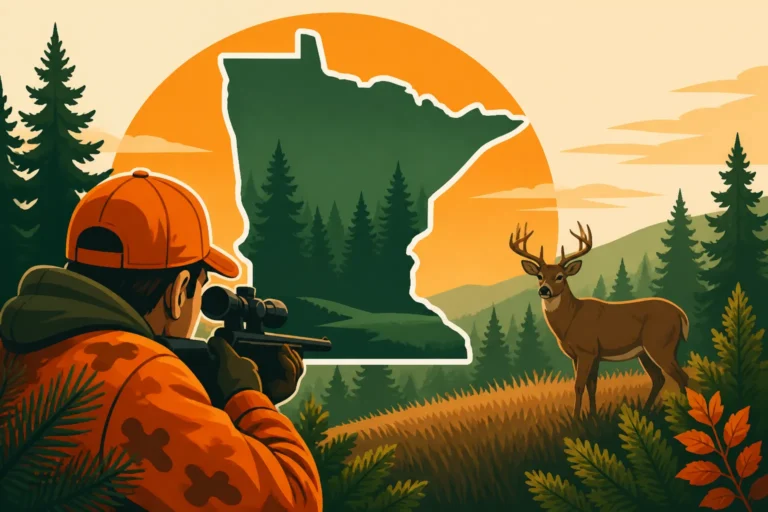
While Camp Ripley is best known for its deer hunting, particularly the archery-only special hunts, it's a diverse habitat that supports a variety of wildlife. The primary focus for hunters granted access is undoubtedly white-tailed deer. The limited hunting pressure and expansive tracts of undisturbed habitat often lead to an older age structure in the buck population, offering a real chance at a mature animal. The deep woods and varied terrain provide ample opportunities for deer to thrive. While the special hunts are specifically for deer, one might occasionally encounter wild turkeys, especially in the more open, wooded areas. However, these are not typically part of the managed special hunts. Other small game or furbearers are present but are generally not pursued due to the strict regulations and focus of the special archery seasons. It's really about the deer, and the potential for a trophy buck draws archers from across the state.
Navigating the Camp Ripley Archery Hunt Program
Getting drawn for a Camp Ripley archery hunt is a huge step, but it's just the beginning. The program has specific procedures that differ significantly from typical public land hunting. Understanding these steps thoroughly is crucial for a smooth and successful experience. It’s not a place where you can just wing it; preparation and adherence to the rules are paramount.
Application Process and Deadlines
The journey to hunting Camp Ripley begins with the application. Generally, the application period for the special archery hunts opens in the summer, typically around July or August. It's critical to pay close attention to the Minnesota DNR's announcements for the exact dates, as these can shift slightly year to year. Applications are usually submitted online through the DNR's website. You'll need a valid Minnesota hunting license to apply. The application process itself is straightforward, asking for your contact information and hunter identification number. What really matters is understanding the lottery aspect: a large number of hunters apply for a limited number of spots, so drawing a tag is never guaranteed. Notification for successful applicants usually occurs a few weeks after the application deadline, often in late August or early September. This gives you time to plan, but not an excessive amount, so having a contingency plan for other hunts is always a good idea. Make sure your email and contact information on your DNR account are up-to-date to receive notifications promptly.
Eligibility Requirements and Restrictions
Camp Ripley hunts come with a host of specific eligibility requirements and restrictions. First, you must possess a valid Minnesota archery deer license. Beyond that, a critical requirement is often a current firearm safety certificate, regardless of whether you're using a bow, due to the military base environment. All hunters, successful or not, should be prepared for potential CWD testing requirements. Camp Ripley is often a CWD surveillance zone, and harvested deer may be subject to mandatory testing, or certain carcass movement restrictions might apply. It's always wise to check the most current regulations regarding Minnesota Carcass Movement Restrictions before you head out.
As the name implies, these are archery-only hunts. This means vertical bows (recurve, longbow, compound) are permitted, but firearms are strictly prohibited. The use of crossbows often has specific rules, so if you plan to use one, confirm the current regulations. Crossbow Versus Vertical Bow in Minnesota is a good resource to review. Safety regulations are extremely strict: mandatory blaze orange or blaze pink clothing is usually required during the hunt, even for archery, due to the number of hunters and the military environment. Beyond the initial draw, hunters are often required to attend a mandatory safety briefing, sometimes online, sometimes in person, before being allowed on the base. Pay close attention to these details, as failing to meet any requirement will result in denial of access.
The Hunt Experience Itself
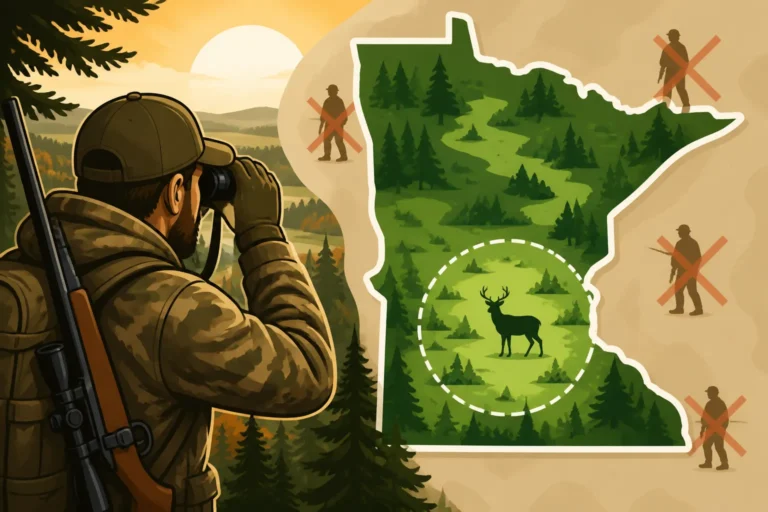
Once you've drawn a tag and completed all the necessary pre-hunt requirements, the actual Camp Ripley hunt is an experience unlike any other. Hunters are typically assigned specific entry and exit points and must adhere to strict check-in and check-out times each day. This isn't just a suggestion; it's a requirement to ensure accountability and safety within an active military zone. Upon arrival, expect a detailed safety briefing covering everything from boundaries to emergency procedures. You'll often be given a map detailing the huntable areas and no-go zones, which can change based on military activity. This is where tools like onX Hunt become invaluable. You can often download the specific Camp Ripley boundaries and no-entry zones to your phone or GPS device, allowing for precise navigation even without cell service. Scouting With the Minnesota Recreation Compass App is also a good skill to have for supplementing your navigation efforts.
Navigating the terrain is another aspect. While Camp Ripley offers a vast expanse of land, you won't necessarily have access to all of it. Certain areas might be closed due to ongoing training or environmental sensitivities. Hunters are generally free to roam within the open areas, but staying aware of designated boundaries is paramount. You might be required to tag your deer at specific check stations before leaving the installation, and there will be specific instructions for Registering a Minnesota Deer Online or at a physical station. It's a highly structured hunt, but this structure helps ensure a safe, organized, and often rewarding experience in a unique hunting environment.
Using Technology for Your Ripley Hunt
In a place as vast and regulated as Camp Ripley, technology can be your best friend. A reliable GPS unit or a mapping app like onX Hunt on your smartphone is almost essential. Before you even set foot on the base, you can use these tools to study aerial photos, identify potential pinch points, bedding areas, and historical deer travel corridors. Many of these apps allow you to download maps for offline use, which is critical since cell service can be spotty or nonexistent in parts of the camp.
For example, I know many folks who spend hours virtually scouting using onX Hunt to mark potential stand locations, entry routes, and, most importantly, the established boundaries of the huntable zones and any off-limits areas. You can mark specific trees that look promising for Treestand Setups in Minnesota Hardwoods or identify natural funnels in the topography. When you’re physically on the ground, having those waypoints and boundaries clearly defined on your device prevents accidental trespassing into military operational areas. Some hunters even use scouting tools from services like GoHunt to analyze historical weather patterns for their hunt dates, predict deer movement based on moon phases, or even find information on past harvest data specific to the region, giving them an edge in their planning.
Preparing for a Successful Camp Ripley Hunt
Successfully drawing a Camp Ripley tag is a huge accomplishment, but the real work begins with thorough preparation. This isn't your everyday walk-in public land hunt; the military environment, combined with the sheer scale of the area, demands a different level of planning and gear readiness.
Essential Gear and Equipment
Given that this is an archery-only hunt, your bow setup is obviously paramount. Ensure your bow is perfectly tuned, your broadheads are razor sharp, and you've practiced extensively at various ranges you might encounter in the woods. Reliable arrows and a quiver are a must. Beyond the bow, a comfortable and quiet treestand or saddle setup is critical, especially if you plan to hunt deep within the timber. For those long walks, consider a lightweight Portable Treestands Worth Packing In or even learning Saddle Hunting in Minnesota Oaks for maximum mobility and minimal bulk. Don't forget all your treestand safety gear, including a full-body harness and a lifeline.
Navigation is another key category. While a phone app like onX Hunt is great, always have a backup, whether it's a dedicated GPS unit or a good old-fashioned paper map and compass. A headlamp with extra batteries is non-negotiable for early morning walks in and late-night walks out. Layered clothing suitable for Minnesota's variable fall weather is crucial. We're talking base layers, insulating mid-layers, and a waterproof/windproof outer shell. Even in early fall, temperatures can drop rapidly, especially after a long sit. Good, waterproof hiking boots are also a must for traversing potentially wet and rugged terrain. Finally, a small first-aid kit, enough water and snacks for a full day, and a reliable knife for Field Dressing a Deer in Cold Weather should always be in your pack.
Scouting and Strategy for Limited Access
The challenge with Camp Ripley is that physical pre-season scouting is generally not allowed due to its status as an active military base. This means you have to get creative with your scouting efforts. This is where digital tools like aerial photography from onX Hunt or similar platforms truly shine. Spend countless hours poring over maps, identifying potential bedding areas, feeding zones (especially if there are oak stands or old agricultural fields), water sources, and natural funnels that could concentrate deer movement. Look for subtle changes in topography, timber stand variations, and pinch points created by swamps or dense cover.
Many hunters will focus on areas further from main roads or entry points, figuring that the extra walk time might reduce competition. Identifying these "walk-in" zones on your map can be a real game-changer. Once you're on the ground during the hunt, the first day often becomes a crucial scouting day. Instead of immediately setting up, consider a careful still-hunt or extended walk to confirm what you saw on the aerials and to look for fresh sign like rubs, scrapes, and tracks. Adaptability is key; if your initial plan isn't panning out, be prepared to move your setup. Because of the limited pressure, deer might not be as skittish as on heavily hunted public land, but they are still wild animals in a vast environment.
Safety Protocols and Military Regulations
Hunting on a military installation means adhering to an even stricter set of safety protocols and regulations than typical public land. One of the most important is personal safety gear: you will almost certainly be required to wear a certain amount of Blaze Orange Requirements or blaze pink for visibility, even as an archer. This is for your safety and the safety of other hunters and military personnel who might be present. Pay close attention to the specific dimensions and placement of the material required.
Understanding and respecting boundaries is absolutely non-negotiable. Military areas that are off-limits are typically well-marked on maps and sometimes with physical signage. Crossing into a restricted zone can have serious consequences, ranging from immediate removal from the hunt to legal repercussions. Always carry your government-issued ID, hunting license, and any Camp Ripley-specific permits or passes. Expect periodic security checks, both at entry points and potentially within the hunt area. Communication is also vital; always check out at the end of your hunt period as instructed. Failure to do so could trigger a search and cause significant issues. Remember, you are a guest on federal property, and respecting their rules is paramount for the continued existence of this unique hunting opportunity.
Disclaimer
This article is for general informational purposes only and does not constitute professional advice. Laws, prices and regulations vary by location and change over time. Consult a qualified professional for guidance on your specific situation.