Prescribed Burns and Minnesota Hunting Closures
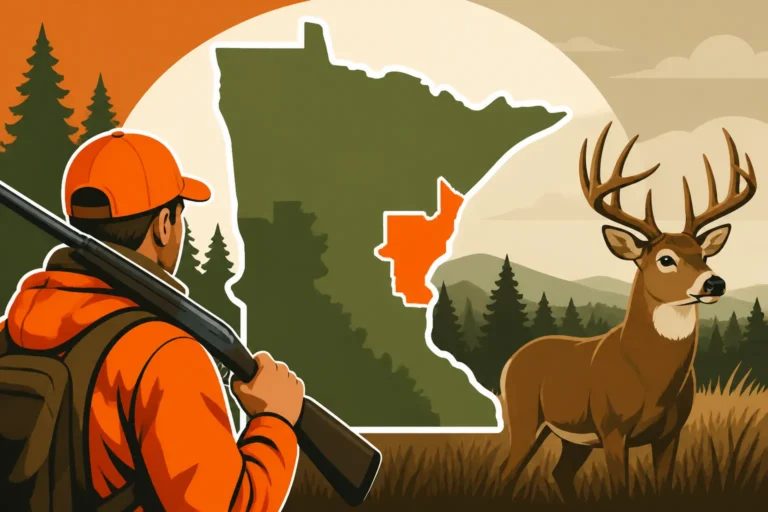
There’s nothing quite as frustrating as meticulously planning a hunting trip, driving hours to your favorite public land spot, only to arrive and find a large section has been recently burned. You might feel a mix of disappointment, confusion, and even a little anger, wondering if your season is now effectively ruined in that area. This guide is here to shed light on prescribed burns in Minnesota, explaining why they're conducted, how to find out about them ahead of time, and most importantly, how to adapt your hunting strategies to still find success in these often misunderstood landscapes.
What Are Prescribed Burns and Why Minnesota Uses Them for Wildlife Management?
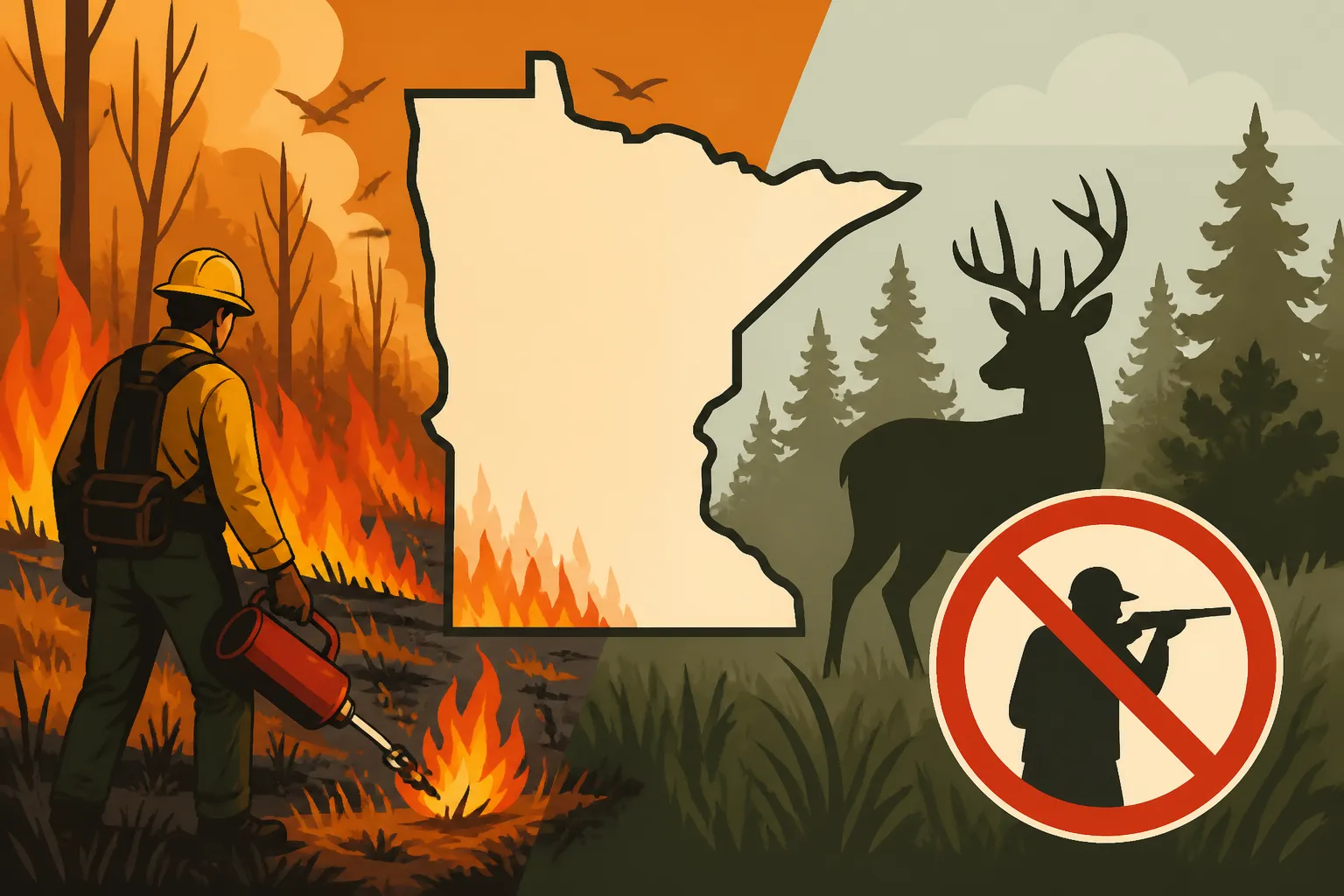
Prescribed burns, also known as controlled burns, are intentional fires set under carefully monitored conditions. This isn't just about clearing land; it's a sophisticated ecological tool used by the Minnesota Department of Natural Resources (DNR) and other land management agencies to improve habitat for a wide variety of wildlife, including many of our most sought-after game species. While seeing a blackened landscape might be disheartening at first glance, understanding the long-term benefits can help you see these areas with a new perspective.
The Ecological Purpose of Controlled Burns
Minnesota's landscape, particularly in its forested and prairie regions, evolved with fire. Historically, lightning strikes and Native American land management practices regularly swept through vast areas, creating a dynamic environment that prevented dense, homogenous stands of vegetation from taking over. Without fire, many ecosystems become overgrown, leading to a build-up of fuel that can result in catastrophic, uncontrolled wildfires. Prescribed burns reduce this fuel load, making forests and grasslands healthier and safer in the long run.
Beyond fire prevention, these controlled burns stimulate new growth, release nutrients back into the soil, and help control invasive species. Think of it like a natural reset button. The fire clears out old, less nutritious plant material, allowing sunlight to reach the forest floor and encouraging a burst of fresh, palatable growth. This new growth is exactly what many wildlife species, especially deer and upland birds, are looking for.
Benefits for Specific Game Species
The immediate aftermath of a burn might look barren, but the regeneration that follows is a boon for many of Minnesota's game animals. Deer, for instance, are highly attracted to the tender, nutrient-rich forbs and browse that sprout up in burned areas. The removal of thick underbrush also improves visibility for deer, helping them detect predators, while simultaneously creating new bedding areas. Late-Season Food Sources for Minnesota Whitetails often include these regenerating areas.
For upland birds like ruffed grouse and wild turkeys, prescribed burns are invaluable. Grouse thrive in areas with diverse age classes of aspen and brushy cover, and controlled burns can help maintain this mosaic habitat by setting back succession and promoting new aspen regeneration. Turkeys, especially poults, benefit from the increase in insects that colonize burned areas, providing a crucial protein source. The more open understory also allows turkeys to move more freely and forage effectively. In prairie regions, pheasants benefit from renewed native grasses that offer better nesting and brood-rearing cover, as well as an increased insect population.
Identifying Prescribed Burn Areas and Potential Closures
One of the biggest headaches for hunters is driving a long way only to discover their planned hunting spot is closed or recently burned. Thankfully, there are tools and resources available that can help you scout and plan more effectively, often preventing that frustrating surprise. Being proactive about checking for burn notices and closures is a critical part of pre-season planning.
Official Sources for Burn Information
The Minnesota Department of Natural Resources (DNR) is your primary resource for information on prescribed burns. They often have dedicated sections on their website detailing planned burns, active burns, and areas that have recently been treated. Look for news releases, interactive maps, or contact information for local DNR area offices, especially if you're targeting a specific Minnesota Wildlife Management Areas or Minnesota State Forest Hunting ground. These offices will have the most up-to-date information on local conditions and any temporary access restrictions.
It's also a good idea to check the websites of the U.S. Forest Service if you're hunting in national forests like the Superior or Chippewa. They manage their own prescribed burn schedules and closures, which can impact vast tracts of land. Don't just assume; always confirm. A quick phone call can save you a lot of time and disappointment.
Using Mapping Tools to Confirm Burn Zones
In today's digital age, mapping applications have become indispensable for hunters. Tools like onX Hunt and GoHunt can be incredibly helpful for identifying potential burn areas and current closures. Many of these apps include layers that show public land boundaries, recent timber cuts, and sometimes even historical fire data, which can give you clues about where burns might have occurred or are planned.
While these apps might not always have real-time burn closure information, they can show land ownership and recent habitat changes. You can often use these tools in conjunction with official DNR maps. For example, if you know a particular WMA had a prescribed burn unit planned, you can cross-reference that information with your onX Hunt map to identify the exact boundaries and scout alternative access points. Using the Recreation Compass Map Tool provided by the state is another excellent resource, often showing managed areas and potential activity. By layering information from multiple sources, you build a more complete picture of the landscape.
| Resource Type | Information Provided | Best For | Frequency of Updates |
|---|---|---|---|
| Minnesota DNR Website | Planned burns, active burns, recent burn locations | Official notices, maps, contact info | Varies, often updated daily during active burn seasons |
| US Forest Service Website | National forest burn plans, closures | Large-scale forest plans, specific forest districts | Varies, often updated as plans are finalized |
| Local DNR Area Offices | Real-time local conditions, specific access questions | Most up-to-date, localized information | Daily during fire operations |
onX Hunt & GoHunt Apps |
Public land boundaries, recent habitat changes, aerials | Scouting past burns, planning access routes | Periodically for map updates, not real-time closures |
| Recreation Compass (MN DNR) | State land boundaries, habitat projects, general access | General public land overview | Periodically for map updates |
Hunting Strategies In and Around Burned Areas
Once you've identified a prescribed burn area, your hunting strategy doesn't have to be abandoned. In fact, a burned landscape can present unique opportunities for observant and adaptable hunters. The key is to understand how wildlife uses these areas immediately after a burn, and then as the habitat begins to recover.
Short-Term Effects and Initial Season Hunting
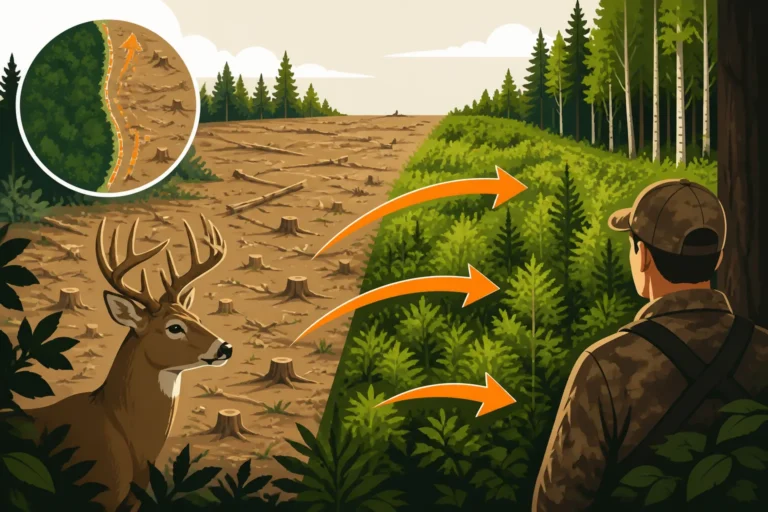
Immediately after a prescribed burn, especially in the first few weeks or months, wildlife might temporarily avoid the core of the burned area. The ground cover is gone, and the scent of smoke can linger. Deer might move to adjacent unburned cover, using the edges of the burn as travel corridors. This is a great time to focus your efforts on these transitional zones – areas where the burned habitat meets untouched forest or field. Look for fresh tracks, rub lines, and scrapes along these edges. Scouting Minnesota Public Land Before Season is crucial here; finding those unburned pockets or thick cover nearby will be key.
While deer might be hesitant to venture deep into a recent burn, predators like coyotes or even bobcats might be attracted to the area. The reduced cover can make it easier for them to hunt small rodents or injured animals. If you're after predators, a recent burn could provide some unique calling opportunities, as visibility is often excellent. For birds, the immediate aftermath might be sparse, but as soon as insects start to recolonize, turkeys and grouse will be back, especially if some unburned pockets remain within the burn.
Long-Term Benefits and Subsequent Seasons
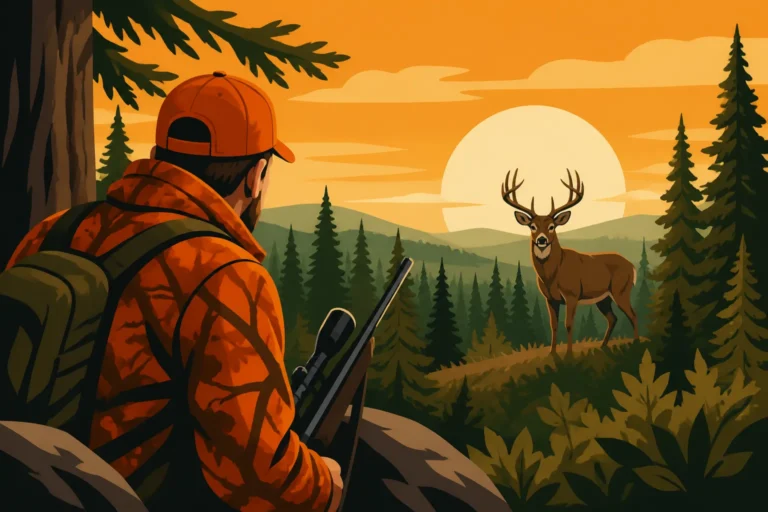
The real magic of prescribed burns often unfolds in the seasons following the initial event. By the next spring, and certainly into the next fall, those blackened areas will be teeming with new life. The first green shoots, rich in nutrients, become irresistible to deer. Browse lines will develop as deer move in to feed heavily on the regenerating forbs and shrubs. This creates incredible food sources that you can key in on. Reading Aerial Photos for Big Woods Deer can help you identify these new growth areas and plan your approach.
For grouse and turkeys, the regenerating understory provides vital food and cover. Grouse broods, in particular, will seek out areas with abundant insects and developing saplings for protection. Grouse Hunting Minnesota Aspen Cover often involves searching for younger stands, and a burned area will quickly revert to this preferred type of habitat. Turkeys will spend hours scratching through the new growth, foraging for bugs and seeds. As the years go on, the burned area will continue to evolve, offering a diverse array of habitat structures that benefit multiple species. Instead of seeing a destructive event, view a prescribed burn as an investment in future hunting opportunities. It's all about understanding the cycle and being patient enough to let nature do its work.
Disclaimer
This article is for general informational purposes only and does not constitute professional advice. Laws, prices and regulations vary by location and change over time. Consult a qualified professional for guidance on your specific situation.