Federal Versus State Land Rules for Waterfowl
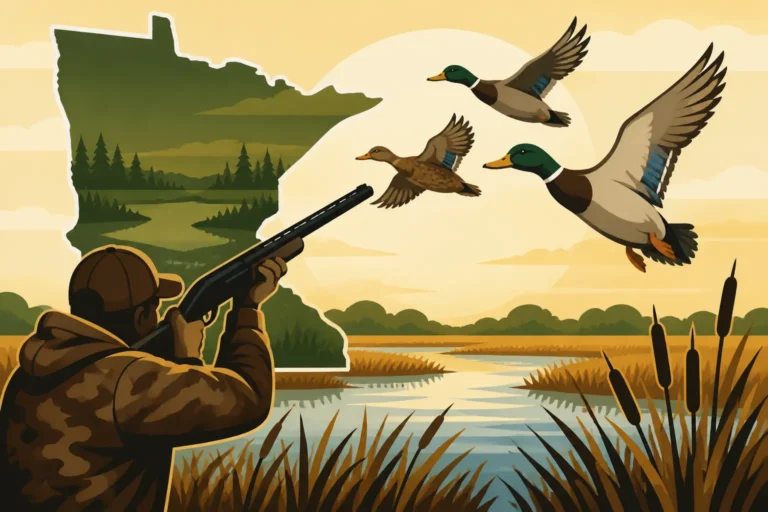
There's nothing quite like the excitement of a crisp fall morning, decoys bobbing, and the anticipation of ducks cupping their wings over a Minnesota marsh. But if you've spent any time chasing waterfowl here, you've probably felt that little prick of anxiety about whether you're on federal or state land, and what specific rules apply. It's a real head-scratcher, especially with all the various designations. This guide is here to untangle that knot, helping you understand the key differences in waterfowl hunting regulations between Minnesota's federal and state public lands, so you can hunt with confidence and stay on the right side of the law.
The Core Differences: State vs. Federal Management Philosophies
At first glance, many public lands might look similar, whether they're managed by the state or the federal government. You see cattails, open water, and maybe a few scattered trees, and you think, "Great, duck hunting!" But beneath the surface, there are fundamental differences in how these lands are managed, which directly impacts everything from access to blind placement and even what kind of shot you can use (though for waterfowl, nontoxic shot is universally required these days, which is a good thing!). Understanding these underlying philosophies is the first step to becoming a more informed and compliant waterfowl hunter.
Different Missions, Different Rules
The Minnesota Department of Natural Resources (DNR) manages state lands, like Wildlife Management Areas (WMAs) and State Forests, with a broad mission that often encompasses multiple uses. This means they're looking at things like deer, grouse, and turkeys, alongside waterfowl, and also considering recreational uses like hiking, fishing, and even sometimes ATV trails. Their goal is often to provide diverse opportunities for the state's residents and visitors, focusing on wildlife conservation and public access. This multi-use approach often leads to rules that are a bit more generalized, aiming to accommodate a wider range of activities while still protecting natural resources. For instance, many WMAs are open to hunting for various species, and the specific waterfowl regulations often align with broader statewide seasons and bag limits.
On the flip side, federal lands like National Wildlife Refuges (NWRs) and Waterfowl Production Areas (WPAs) are managed by the U.S. Fish & Wildlife Service (USFWS). Their mission is typically much more specific, often centered directly on wildlife conservation, particularly migratory birds. For NWRs, the priority is often the refuge itself – providing critical habitat, breeding grounds, and resting areas for waterfowl and other wildlife. Human use, including hunting, is allowed only if it's compatible with the refuge's primary conservation objectives. This compatibility determination can lead to very specific, and sometimes restrictive, regulations. For WPAs, the focus is on creating and protecting wetlands and grasslands for waterfowl breeding. While hunting is often permitted on WPAs, their core purpose shapes how and where you can hunt. These differences in mission mean that federal regulations are generally more precise and sometimes more stringent, designed to protect the very resource they were established to preserve.
Permitting and Access Philosophies
The philosophy around permitting and general access also diverges significantly. For most state-managed WMAs, especially those designated for waterfowl, general access is usually quite straightforward. If it's public land and the season is open, you can typically go hunt. You'll need your state hunting license and migratory bird stamp, of course, but you usually don't need a separate permit just to step foot on a WMA to hunt waterfowl. The state aims to make these areas broadly available to the public, recognizing the demand for accessible hunting opportunities. There might be some specific WMAs with unique rules or designated hunting areas, but for the most part, Minnesota Wildlife Management Areas are designed for open, public use within the statewide hunting frameworks.
Federal lands, particularly National Wildlife Refuges, can be a different beast entirely. Many NWRs require specific permits, sometimes obtained through a lottery or draw system, just to hunt certain units or at certain times. This is often done to manage hunting pressure and minimize disturbance to the resident wildlife population. For example, some refuges might have designated hunting days, specific entry and exit times, or a limited number of hunting blinds available by reservation. This isn't meant to keep hunters out, but rather to ensure that the hunting activity doesn't compromise the refuge's primary conservation goals. Waterfowl Production Areas (WPAs), being smaller and more focused on habitat, often have more open access rules, similar to WMAs, but they still fall under federal regulations which can subtly differ from state rules in other ways. When you're considering hunting a federal area, it's crucial to look up that specific refuge or WPA's rules, as they can vary greatly from one to the next.
Navigating Federal Waterfowl Areas in Minnesota
Minnesota is blessed with a diverse landscape that includes significant federal holdings, many of which offer fantastic waterfowl hunting opportunities. However, as we just discussed, federal lands often come with their own distinct set of rules and nuances that can trip up even experienced hunters if they aren't paying attention. The key is to remember that the U.S. Fish & Wildlife Service manages these areas, and their focus on migratory bird conservation means a different approach than the state's broader wildlife management.
Wildlife Production Areas (WPAs)
Think of Waterfowl Production Areas (WPAs) as critical wetland and grassland complexes designed primarily to provide nesting and breeding habitat for ducks and geese. These areas are scattered across the state, particularly in the prairie pothole regions, and are absolutely vital for sustaining our waterfowl populations. While their primary purpose is production, many WPAs are open to public hunting, including waterfowl.
Generally, hunting rules on WPAs are less restrictive than on National Wildlife Refuges. You often don't need a special permit to hunt a WPA, beyond your standard state and federal migratory bird stamps and licenses. However, you are still operating under federal regulations. This means abiding by federal shooting hours, which are typically half an hour before sunrise to sunset. You'll also encounter the mandatory use of nontoxic shot for waterfowl, which is a universal federal requirement on these lands and extends to all waterfowl hunting in Minnesota regardless of land ownership. When it comes to blinds, temporary blinds that are removed at the end of each hunting day are generally the norm. Erecting permanent structures is almost always prohibited. It's always a good idea to scout a WPA using a mapping app like onX Hunt to understand boundaries and topography. These tools can clearly delineate the federal ownership, helping you avoid accidental trespass onto adjacent private property. For more detailed information, remember to check out Minnesota Waterfowl Production Areas.
National Wildlife Refuges (NWRs)
National Wildlife Refuges (NWRs) represent the most strictly managed of the federal hunting opportunities. These are larger areas, often with complex ecosystems, and their rules are crafted to protect a wider array of wildlife and habitat. Minnesota is home to several NWRs that offer waterfowl hunting, such as the Agassiz National Wildlife Refuge, Rice Lake National Wildlife Refuge, and the expansive Upper Mississippi River National Wildlife and Fish Refuge.
Hunting on NWRs almost always involves stricter management. This can manifest in several ways:
- Special Permits or Drawings: Many refuges require a specific refuge permit, often obtained through an application or lottery process, to hunt certain units or during specific periods. This helps limit pressure and distribute hunting opportunities fairly. Always check the refuge's individual website well in advance of the season for application deadlines and procedures.
- Designated Hunting Areas and Days: Hunting might only be allowed in specific zones within the refuge, and often only on certain days of the week. Some areas might be entirely closed to hunting to serve as undisturbed sanctuary for resting birds.
- Strict Access Rules: Expect clear rules regarding when you can enter and exit the refuge, and often where you can park. Motorized vehicle access might be restricted to certain roads, and some areas may only be accessible by foot or non-motorized boat.
- Blind Regulations: Blind rules are often very specific. Some refuges might provide designated blinds that are assigned through a draw, while others might allow temporary blinds that must be removed daily. Permanent blinds are typically forbidden.
- Carcass Retrieval and Cleaning: There can be rules about where you can field dress birds or if carcasses need to be removed entirely from the refuge. This is often to prevent the spread of disease or maintain the aesthetic quality of the refuge.
It cannot be stressed enough: always check the specific regulations for the National Wildlife Refuge you intend to hunt. These rules can change year to year, and what applies to Agassiz might be completely different from Rice Lake or the Upper Mississippi. Websites like GoHunt sometimes aggregate regulations, but the most current and authoritative source will always be the official USFWS website for that particular refuge. Diving into Minnesota Wildlife Refuges Open to Hunting can give you a general overview, but clicking through to the specific refuge links is vital for your planning.
Hunting Minnesota's State Waterfowl Lands
While federal lands have their distinct flavor of rules, Minnesota's state-managed public lands are often the workhorses for many waterfowl hunters. These areas, primarily Wildlife Management Areas, are designed to maximize public hunting and recreational opportunities while balancing wildlife conservation. They are managed by the Minnesota Department of Natural Resources (DNR) and generally adhere to statewide hunting seasons and regulations, though local nuances can still exist.
Wildlife Management Areas (WMAs)
Minnesota's Wildlife Management Areas (WMAs) are the backbone of public hunting in the state, offering extensive opportunities for waterfowl hunters across diverse habitats. The DNR acquires and manages these lands with a focus on wildlife habitat and public recreation. For waterfowlers, WMAs often feature a mix of shallow lakes, marshy areas, cattail sloughs, and associated uplands.
The beautiful thing about WMAs is their general accessibility. For the most part, if a WMA is open to hunting, you can simply show up with your valid state hunting license, waterfowl stamps, and appropriate gear, and start hunting during the open season. You typically won't need special permits or be subjected to lottery drawings just for general access, unlike many federal refuges. This open-door policy makes WMAs incredibly popular. However, "open access" doesn't mean "no rules." Standard statewide regulations apply, including Minnesota Waterfowl Zones and Seasons and the universal requirement for nontoxic shot when hunting waterfowl. When it comes to blinds, many WMAs allow temporary blinds that must be removed after each hunt. Some may have specific regulations about the construction or placement of blinds, so it's always wise to check the DNR's specific WMA rules if you plan on leaving anything in place or building something substantial. Often, the challenge on WMAs isn't access, but finding an uncrowded spot, especially on opening weekend.
State Forests and Other Public Lands
Beyond the dedicated WMAs, Minnesota offers other state-owned lands that can provide waterfowl hunting opportunities, albeit often more incidental than purpose-built. State Forests, for instance, are primarily managed for timber production, recreation, and forest wildlife. While you won't typically find vast, managed marsh systems here, many State Forests contain small lakes, ponds, rivers, and wetland pockets that can attract local ducks and migrating birds.
Hunting in State Forests usually follows the statewide regulations, similar to WMAs. Access might be via forest roads or trails, and it's up to the hunter to scout and find suitable waterfowl habitat. You'll need to be especially mindful of other users, as State Forests are popular for camping, hiking, and other activities. Small bodies of water on these lands can sometimes offer quiet, low-pressure hunting, particularly for jump-shooting. Other public lands could include smaller parcels of tax-forfeited land managed by counties or even some areas along the extensive Mississippi River Backwaters, which fall under a mix of state and federal oversight, making research even more critical. The main takeaway here is that while not every acre of state land is prime waterfowl habitat, adventurous hunters can find hidden gems by studying maps and scouting.
Practical Advice for the Waterfowler
Navigating the labyrinth of federal and state land rules for waterfowl hunting can seem daunting, but with a bit of preparation and the right mindset, you can enjoy Minnesota's abundant opportunities without undue stress. The key is to be proactive and informed, rather than reactive and surprised.
Know Before You Go: Research is Key
This might sound like a broken record, but it's the most crucial piece of advice for any hunter, especially when dealing with varied land management. Before you even pack your Waders for Minnesota Marsh Hunting, take the time to thoroughly research the specific area you plan to hunt.
- DNR Website for State Lands: For WMAs and State Forests, the Minnesota DNR website is your authoritative source. They provide detailed maps, management plans, and specific rules for individual WMAs. You can often find contact information for local wildlife managers who can answer specific questions. The Using the Recreation Compass Map Tool is an invaluable resource for overlaying different public land types and identifying boundaries.
- USFWS Website for Federal Lands: If you're heading to a WPA or, more critically, a National Wildlife Refuge, go directly to that refuge's official USFWS website. Do not rely on secondhand information. These sites will have the most current regulations, permit application details, hunting unit maps, and often a list of Frequently Asked Questions. Remember, refuge rules can be highly specific and change annually.
- Mapping Applications: This is where modern technology truly shines. Apps like onX Hunt and GoHunt are game-changers. Their detailed land ownership layers clearly show you whether you're standing on federal (e.g., USFWS) or state (e.g., MN DNR) property, and often even delineate specific WMA or refuge boundaries. They can prevent accidental trespassing and help you understand the context of the rules applying to your exact location. Before hunting a new area, I always digitally scout it with one of these apps to get a lay of the land and identify ownership.
Marking Your Territory and Following Rules
Once you've done your research and you're out in the field, it's about adhering to the letter and spirit of the regulations. This involves more than just having the right license.
- Blind Placement: Understand the rules regarding temporary vs. permanent blinds. On most public lands, temporary blinds (like a portable layout blind or natural vegetation blind) are fine as long as they are removed daily. Permanent blinds are rarely allowed on either state or federal land without specific permits or in designated areas. Leaving behind materials or structures can result in fines and habitat damage.
- Shooting Hours: Federal and state shooting hours for waterfowl are consistent: half an hour before sunrise to sunset. However, check local regulations for any specific early entry or late exit times on managed areas, especially refuges. Sticking to the official Minnesota Legal Shooting Hours is non-negotiable.
- Nontoxic Shot: This is a universal requirement for waterfowl hunting across Minnesota, regardless of whether you're on federal or state land. Where Nontoxic Shot Is Required in Minnesota highlights this statewide rule. Make sure you're using steel, bismuth, or another approved nontoxic shot.
- Licensing and Certifications: Always carry your physical licenses or have them readily available on your phone via the eLicense system. This includes your Minnesota small game license, state waterfowl stamp, federal duck stamp (Minnesota Federal Duck Stamp Requirement), and proof of HIP certification (Minnesota HIP Certification Certification for Bird Hunters).
- Carcass Tags/Registration: While waterfowl typically don't require physical tags like deer, always be prepared to show your license and identify your harvest if approached by a conservation officer.
Be a Good Steward
Ultimately, responsible hunting boils down to being a good steward of the land and the resource. The regulations, whether federal or state, are put in place to ensure sustainable hunting for future generations and to protect the diverse ecosystems we cherish.
The complexity of differing rules can be frustrating, especially if you're jumping between various public land parcels. It's easy to get confused. However, as hunters, the responsibility to know and follow the rules falls squarely on our shoulders. A minor infraction, even an accidental one, can lead to fines, loss of hunting privileges, and gives a bad name to all hunters. So, take the extra time for research, use your mapping tools, and always err on the side of caution. Leave no trace, respect habitat, and remember that we are guests in these wild spaces. By doing so, you'll not only have a more successful and lawful hunt but also help preserve Minnesota's incredible waterfowl heritage for years to come.
Disclaimer
This article is for general informational purposes only and does not constitute professional advice. Laws, prices and regulations vary by location and change over time. Consult a qualified professional for guidance on your specific situation.