Where Minnesota Black Bears Live
It's an undeniable thrill to think about sharing the Minnesota woods with a black bear. Whether you're a seasoned hunter hoping to draw a tag or a hiker just wanting to understand the wilder parts of our state, knowing where these majestic creatures call home is key. This guide is all about peeling back the layers of Minnesota's diverse landscapes to pinpoint exactly where black bears live, thrive, and occasionally roam, helping you better understand their world.
The Broad Sweep of Minnesota's Bear Country
When most Minnesotans picture a black bear, they imagine it deep in the northern woods, far from civilization. And for good reason! That vast, unbroken forest is indeed the heart of bear country, but these intelligent animals are more adaptable than you might think. Understanding their core habitat and how they use fringe areas can really open your eyes to their presence across the state.
The Northern Forest Zone: The Primary Stronghold
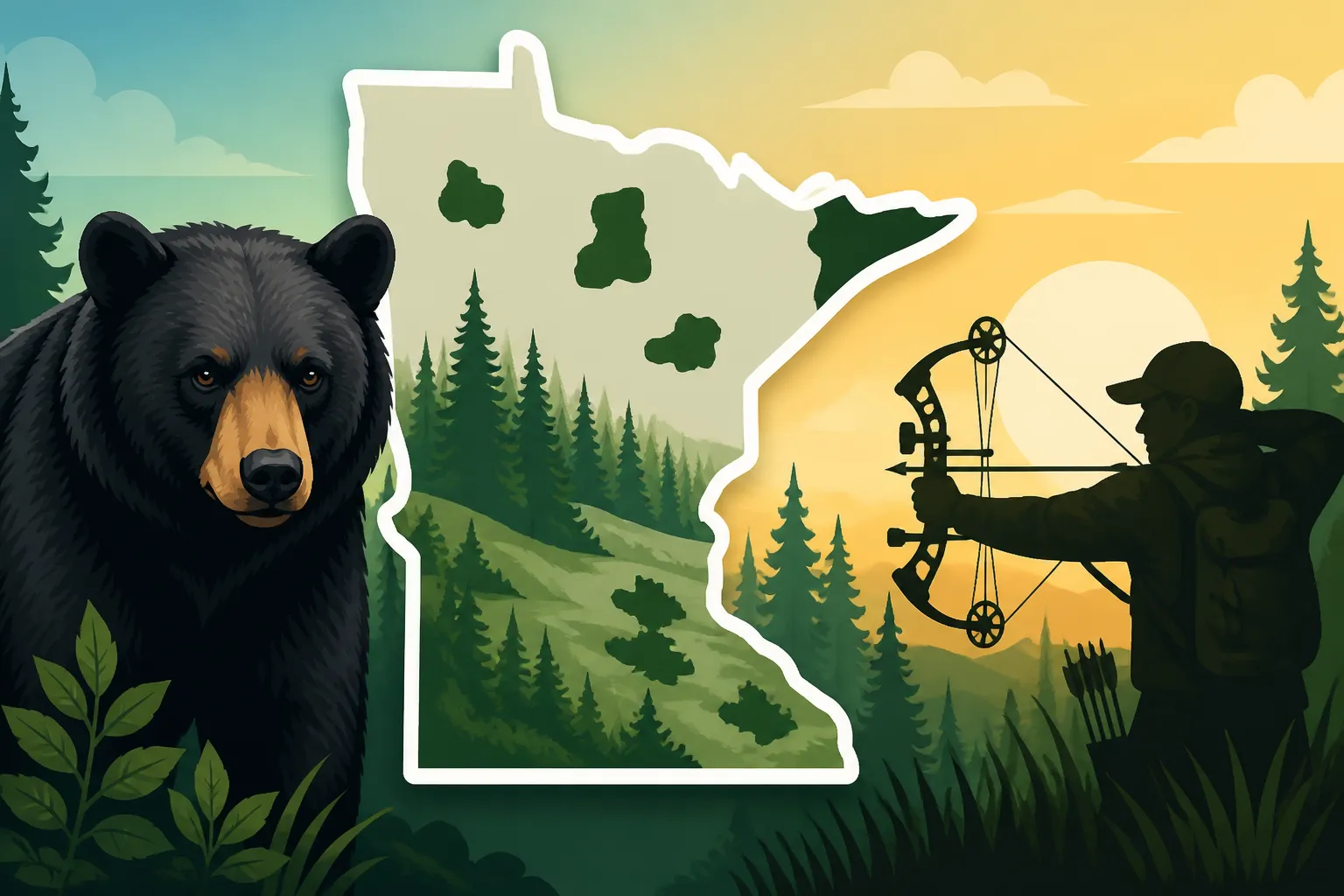
The bulk of Minnesota's black bear population resides within the expansive coniferous and mixed forests of the northern half of the state. Think of the massive Superior National Forest Hunting and Chippewa National Forest Deer Ground – these aren't just for deer. They are prime bear real estate, offering everything a bear needs to survive and flourish. This region provides immense tracts of remote wilderness, dense cover for bedding and denning, and a diverse array of natural food sources.
Counties like Cook, Lake, St. Louis, Itasca, Beltrami, and Koochiching are the classic strongholds, boasting some of the highest bear densities in Minnesota. These areas are characterized by vast expanses of spruce and fir bogs, aspen and birch stands, and numerous swamps and wetlands, which are critical for security and water. The sheer remoteness and minimal human disturbance in many of these areas allow bears to live out their lives with less pressure. For anyone planning a hunt or just seeking an encounter, these are the places to focus your efforts. This is the heart of where Minnesota's Black Bear Population thrives.
Expanding Range and Edge Habitats
While the northern forests are undoubtedly the primary address for black bears, these animals are known for their impressive adaptability and willingness to explore. Over time, as populations grow and young bears disperse, their range naturally pushes into more marginal or edge habitats. This means you're seeing more and more bears venturing into areas that might not fit the classic "deep woods" stereotype.
We're talking about parts of Pine, Carlton, Kanabec, and even some scattered areas in Morrison or Todd counties. These aren't solid blocks of forest like up north; instead, they often feature a mosaic of smaller woodlots, river corridors, agricultural fields, and brushy swamps. Bears will use these wooded travel corridors and wetlands as highways, moving between suitable habitat patches. They're particularly drawn to these fringe areas when natural food sources are abundant, like a bumper crop of acorns on a small oak ridge or an easy meal from a farmer's cornfield. It's a reminder that even if you're not in the "deep north," if you've got substantial woods and water nearby, you might just have a bear living closer than you think. You can often track these movements by looking at historical data and observations, confirming that Bears Moving Into Southern Minnesota is a real trend.
Understanding Bear Habitat Preferences
Bears aren't just randomly distributed; they're keenly tuned into their environment, seeking out specific resources that are vital for survival. Understanding these preferences is like getting a peek into a bear's mind, helping us predict Where Minnesota Bears Range throughout the year.
Food and Cover: The Bear Essentials
At the core of any bear's existence are two fundamental needs: food and cover. Their choice of habitat is a direct reflection of where they can best find these necessities. In the spring, after emerging from their dens, bears are often found in areas where early green vegetation, roots, and young shoots are abundant. As summer progresses, they shift to areas rich in berries – think vast clear-cuts covered in raspberries and blueberries, or low-lying areas bursting with bog cranberries. Fall is prime time for mast crops, making oak ridges incredibly attractive when acorns are dropping. On the agricultural fringes, cornfields and oat fields become irresistible buffet lines, often drawing bears out of deeper cover.
Beyond food, bears need dense cover for security, bedding, and raising cubs. Thick swamps, dense conifer stands, and even large blowdown areas offer the perfect sanctuary. They need these safe havens to retreat from perceived threats, to rest during the day, and for their denning sites when winter rolls around. Knowing these seasonal preferences is invaluable for hunters; a good mapping tool like GoHunt can help you identify these specific habitat types within a given permit area. You can identify potential food sources and dense cover by using satellite imagery and topographic maps, which is crucial for planning any hunting trip, similar to how you would approach Reading Aerial Photos for Big Woods Deer.
The Role of Human Influence
While bears are wild animals, their distribution and behavior are increasingly influenced by human activity. This can be a double-edged sword: human presence can push bears into more remote areas, but it can also inadvertently draw them closer. As cabins and homes spread into traditionally wild areas, we sometimes see an increase in "nuisance" bear activity. Bird feeders left out, unsecured garbage, pet food, and even compost piles can become irresistible attractants, teaching bears that humans equal easy calories.
On the other hand, responsible land management practices, like timber harvesting that creates new growth and berry production, can actually enhance bear habitat. Hunting, managed through specific Minnesota Bear Lottery and Permit Areas, also plays a role in managing populations and influencing where bears might concentrate. The key takeaway is that bears are opportunistic. They will exploit food sources where they find them, and if those sources are tied to human dwellings, they're more likely to be seen in those edge areas. This makes understanding Bear Encounters Around Minnesota Cabins all the more important for residents and visitors alike.
Geographic Distribution and Population Density
Minnesota's black bear population isn't uniformly spread across the state. There are definite hot spots and areas where encounters are much rarer. This variability is a key factor for anyone looking to hunt bears or simply observe them in the wild.
High-Density Zones and Lower Prevalence Areas
The vast majority of Minnesota's estimated black bear population calls the Northwoods home. This region, often characterized by expansive public lands like Minnesota State Forest Hunting and Minnesota Wildlife Management Areas, provides the ideal blend of forest, water, and remoteness. These are the areas where hunters often have the best odds of drawing a bear tag and where successful Baiting Bears in Minnesota's Forest Zone efforts are common.
To help illustrate this, here's a general breakdown of bear prevalence by region:
| Region of Minnesota | Typical Bear Population Density | Common Characteristics |
|---|---|---|
| Northeast Forests | High (Cook, Lake, St. Louis) | Dense conifers, large wilderness areas, fewer roads, remote |
| North Central Forests | High (Itasca, Cass, Beltrami) | Mixed forests, numerous lakes, bogs, more recreational use |
| Northwest Forests | Moderate to High (Koochiching, Roseau) | Extensive wetlands, boreal forests, agricultural interfaces |
| East Central Edge | Low to Moderate (Pine, Kanabec, Aitkin) | Mosaic of forest patches, farms, river valleys, increasing human density |
| Southern Minnesota | Very Low (Occasional dispersers) | Primarily agricultural, small woodlots, sightings rare but not impossible |
It's important to remember that even within these high-density areas, local factors like food availability and hunting pressure can cause bears to concentrate or disperse. For instance, after a poor natural food year, bears might travel further to find sustenance, leading to sightings in unexpected places. This density directly ties into discussions around How Many Black Bears Minnesota Has and informs management strategies.
The Dynamic Nature of Bear Movement
Black bears are not static residents; they are constantly moving, driven by instinct, food availability, and the changing seasons. This dynamic behavior means that while an area might be considered "prime bear country," the exact location of bears can shift dramatically from week to week, or even day to day. Young male bears, in particular, are known for their wanderlust. They will often travel hundreds of miles in search of new territory and mates, pushing the known boundaries of bear habitat.
A prime example is the spring dispersal of yearlings or two-year-olds. These younger bears are kicked out by their mothers and must find their own way, often leading them into new, less traditional areas. Similarly, a mast crop failure in one region might send bears migrating to another where acorns or berries are more plentiful. Hunters often consult detailed maps on platforms like GoHunt not just to identify habitat, but to anticipate these movements, especially when planning strategies for Minnesota Muzzleloader Season Tactics in traditional bear country where deer also roam. Understanding Minnesota Bear Denning Behavior is also crucial, as their movements will be significantly different when they are preparing for winter hibernation versus actively foraging. This constant ebb and flow of bear activity keeps us on our toes and reinforces the wild, untamed spirit of these incredible Minnesota residents.
Disclaimer
This article is for general informational purposes only and does not constitute professional advice. Laws, prices and regulations vary by location and change over time. Consult a qualified professional for guidance on your specific situation.