Tracking a Deer in Fresh Minnesota Snow
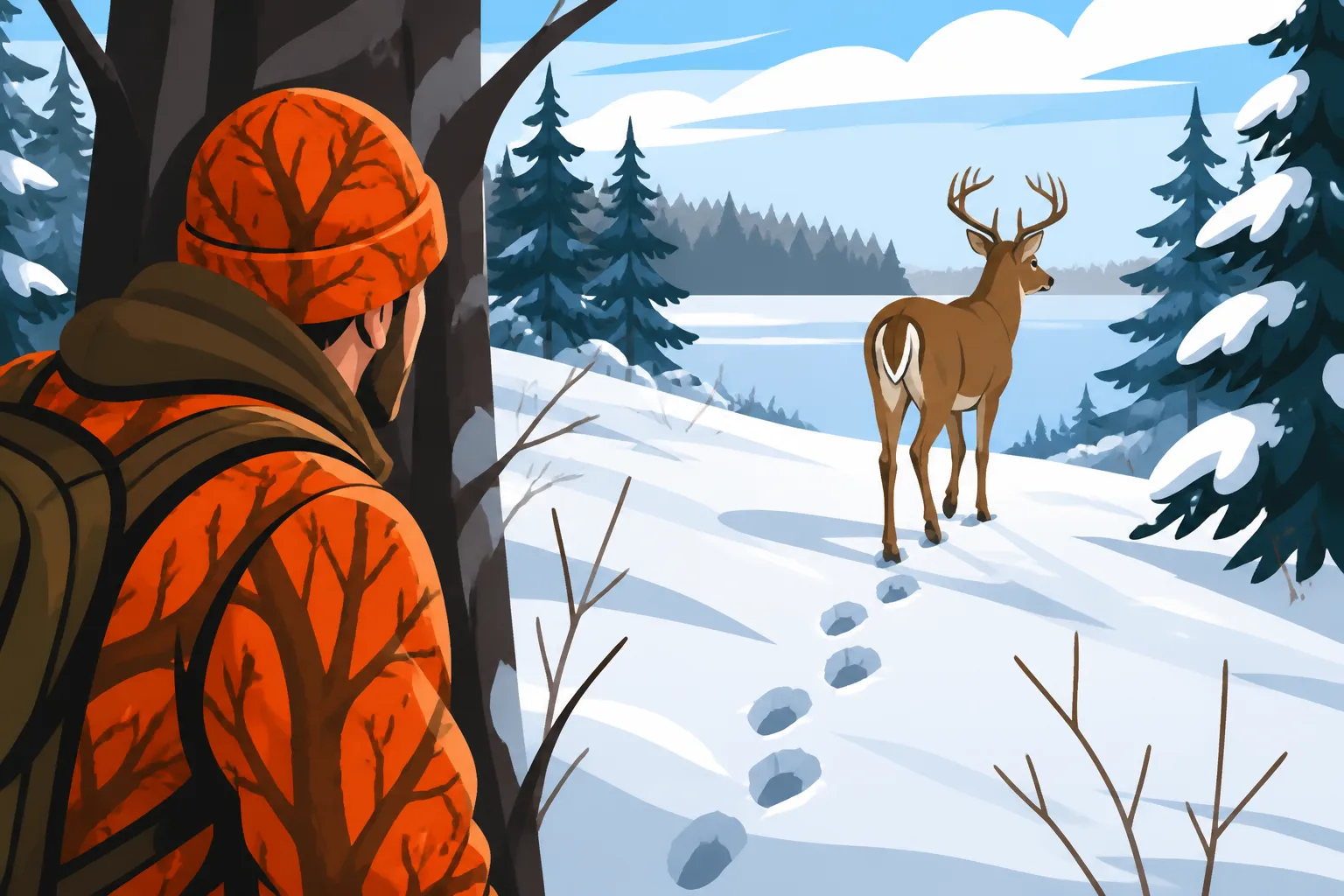
That moment when your shot breaks the stillness of a Minnesota winter morning, followed by the sight of a deer bolting into a fresh blanket of snow, can fill any hunter with a mix of excitement and immediate dread. You know the deer is hit, but suddenly, that easy blood trail you were hoping for might be swallowed by swirling flakes or simply vanish into the pristine white. Losing a deer after a good shot is heartbreaking and completely avoidable with the right approach. This comprehensive guide will walk you through proven tactics for effectively tracking a deer in fresh Minnesota snow, ensuring you can confidently recover your hard-earned game.
Pre-Shot Preparation for Successful Tracking
Even before you pull the trigger, smart preparation can dramatically increase your chances of a successful recovery, especially when hunting in snowy conditions. Thinking ahead about your shot placement, terrain, and even the weather can turn a potential tracking nightmare into a manageable recovery.
Understanding Your Hunting Environment
Knowing the lay of the land where you're hunting is absolutely critical. Minnesota's diverse landscapes, from the thick timber of the big woods to the rolling hills and sloughs of farmland country, all present unique tracking challenges. Before your hunt, take some time to study maps, whether it's a paper topo map or a digital tool like the GoHunt app. Look for natural funnels, thick cover where a wounded deer might seek refuge, or open areas where a blood trail might be easier to spot.
Consider the terrain you expect a deer to run through after the shot. Is it a dense stand of pines that will hide a blood trail quickly? Is there a creek or swamp it might cross, complicating matters? Visualizing these scenarios beforehand can help you anticipate where to focus your tracking efforts. For instance, if you're hunting a funnel between two sloughs, you might expect a deer to follow that path of least resistance, even when wounded. Understanding the general behavior of white-tailed deer across Minnesota can give you an edge here.
Marking the Shot Location and Initial Direction
This might sound basic, but in the heat of the moment, it's easy to forget. As soon as you take the shot, before you even move, mentally or physically mark your exact position and the precise spot where the deer was standing. Look for a distinctive tree, a rock, or a bend in the trail. If you have a GPS unit or a reliable phone app, mark it immediately. Then, carefully observe the deer's initial reaction and the exact direction it takes off. Pay attention to any sounds, like a crash, or any visual cues, like a tail tucked or a labored gait. These small details are often the first, and sometimes most crucial, clues you'll have.
After the shot, resist the urge to immediately charge after the deer. This is a common mistake that can push a marginally hit deer further, making recovery much harder. Instead, stay put, listen, and mark that starting point. If you're on a stand, scan the area where the deer disappeared for any immediate blood, hair, or disturbed snow. Sometimes, a deer will drop within sight, but if it doesn't, that initial direction is your compass. Knowing how to read aerial photos for big woods deer can help you predict escape routes and where to concentrate your initial search.
The Critical First Steps After the Shot
Once the shot is taken and the deer has disappeared, the next few minutes, or even hours, are the most critical. Patience and a methodical approach are your best allies. Rushing in can ruin a blood trail, push a deer into deeper cover, and make your job significantly harder.
The Waiting Game: How Long to Wait
This is perhaps the hardest part for any hunter: waiting. But it's often the most important. The amount of time you should wait depends heavily on your perceived shot placement.
- Good Lung Shot (double lung): If you saw a solid hit through the vitals (lungs), the deer often won't go far. A wait of 30-60 minutes is usually sufficient to allow the deer to bed down and expire. Pushing too soon can cause it to get up and run further, especially if it's not a perfectly centered double-lung shot.
- Heart Shot: Similar to a lung shot, deer often drop quickly or within a very short distance. A 30-minute wait is usually plenty.
- Liver Shot: This is a lethal shot, but slower. Deer can travel a significant distance, sometimes over a quarter-mile, before expiring. A wait of at least 3-4 hours, or even longer if conditions allow, is recommended. Pushing a liver-shot deer too early almost guarantees a much longer, more difficult track.
- Gut Shot (stomach, intestines): This is the toughest one. A gut-shot deer can travel for miles and is notoriously hard to track due to sparse, dark, and often undigested blood. For a gut shot, you need to wait a minimum of 6-8 hours, or ideally, overnight if temperatures are cold enough to prevent spoilage. This allows the deer to stiffen up and expire in its bed.
Always err on the side of waiting longer. It's far better to wait and find a deceased deer than to push it further and lose it entirely. Remember to factor in the weather; if it's actively snowing heavily, you might need to start tracking sooner to avoid the trail being completely covered, but still respect the necessary waiting period based on the shot.
Locating First Blood and Initial Trail
After your wait, approach the shot location cautiously. Move slowly, head down, scanning the ground. Your eyes should be trained on the snow for any sign of blood, hair, bone fragments, or disturbed earth. The exact spot where the deer was standing or where it first made contact with the ground after the shot is your starting point.
When you find the first blood, mark it with flagging tape, toilet paper, or a brightly colored object. This is your anchor point. Now, begin following the deer's escape path, looking for subsequent drops of blood, tracks, and other signs. Even if the blood is sparse, look for scuffed leaves, broken twigs, or disturbed snow patterns that indicate a deer's frantic flight.
The type of snow you're dealing with will greatly affect what you're seeing. Fresh, light powder might show clear tracks but absorb blood quickly. Wet, heavy snow might show less defined tracks but hold blood more visibly. Crusted snow can break loudly, indicating a deer's path even without tracks. Take your time, walk slowly, and don't assume the deer went in a straight line. They often veer, stop, or circle back. Using a reliable mapping app can help you track your own path, mark signs, and keep your bearings, which is incredibly useful when hunting Minnesota public land before season and during the hunt itself.
The Art of Snow Tracking in Minnesota
Tracking a deer in fresh snow can be a puzzle, but with a methodical approach, keen observation, and persistence, you can unravel its path to recovery. Every snowflake, every disturbed twig, and every drop of blood tells a story.
Reading the Tracks: What to Look For
Snow provides a unique advantage for tracking: the deer's actual footsteps are laid bare. But not all tracks are created equal, and knowing what to look for can tell you a lot about the deer's condition.
- Gait and Stride: A healthy deer typically has an even, deliberate stride. A wounded deer, especially one hit in a leg or shoulder, might show an uneven gait, dragging a foot, or taking shorter, choppier steps. Look for wider spacing between tracks, indicating a running deer, or tighter spacing if it's walking slowly.
- Track Depth: Deeper impressions, especially on one side, can indicate an injury that causes the deer to shift weight. If the deer is running hard, its hooves will sink deeper, and often splay out more.
- Dragging or Scuffing: A deer that's hit hard might drag its feet or belly through the snow. Look for continuous lines in the snow that aren't distinct hoof prints, indicating a dragging leg or even the body. This is a huge sign of a mortally wounded animal.
- Hoof Impressions: Observe the shape of the hooves. The two halves of a deer's hoof, called the dewclaws, will often splay open when running or when bearing excessive weight. If you see deep dewclaw impressions along with the main hoof print, it's a strong sign of a deer running at full speed. This is especially true when tracking a deer in deep northern Minnesota snow.
Interpreting Blood Signs in Snow
Blood on snow is a beacon, but its appearance can offer critical clues about the hit. Don't just look for bright red; analyze the color, consistency, and volume.
- Color:
- Bright Red, Frothy/Bubbly: This is often lung blood, indicating a lethal hit. The frothy texture comes from air mixing with blood. This is what every hunter hopes to see.
- Dark Red, Thick, Clotting: This typically indicates muscle or liver blood. While lethal, a liver shot often means a longer track.
- Pinkish, Watery: Can be a muscle hit, or sometimes blood that has been diluted by snow or rain. Less promising, often means a superficial wound.
- Greenish/Brownish with Flecks of Digested Material: This is gut content, a sign of a gut shot. The smell might also be foul. This usually means a very long wait and track.
- Volume and Pattern:
- Heavy, Consistent Drops: Great sign, usually means a good hit. Look for a "spray" pattern if the deer was moving fast, indicating arterial bleeding.
- Sparse, Isolated Drops: Could be a superficial wound, or a gut shot that's leaking slowly. Requires more patience and careful searching.
- Splatter on Bushes/Trees: Indicates a high hit or a deer coughing up blood. Good sign.
It's also crucial to identify whose blood it is. If you're hunting with a party, make sure the blood isn't from a previous day's kill or another animal. Take pictures with your phone, especially if using a GoHunt membership for mapping, to document the trail and share with tracking partners.
Utilizing Tracking Partners and Grid Searching
Tracking is often best done with a team. More eyes mean a higher chance of spotting subtle signs. When tracking with partners:
- Lead Tracker: One person takes the lead, following the most distinct blood and tracks. This person focuses solely on the trail.
- Flankers: Others walk to the sides, a few yards out, looking for parallel tracks, blood that might have splattered further out, or signs of the deer bedding down.
- Back-up: One person can act as a general observer, marking the trail, keeping an eye on the group's position, and watching ahead for the deer.
If the blood trail disappears entirely, which can happen quickly in a fresh snowfall or dense cover, it's time for a systematic search.
- Last Known Point (LKP): Go back to the very last confirmed sign of blood or track. Mark it clearly.
- Concentric Circles: Start at the LKP and slowly walk in ever-widening circles, meticulously scanning every inch of ground.
- Grid Search: If circles don't work, implement a grid search. Line up with your partners and walk parallel lines through the area where you expect the deer to be. Space yourselves appropriately (e.g., 5-10 yards apart in thick cover, wider in open woods). This systematic approach helps ensure no ground is left unexamined. This method is also effective for shed hunting on Minnesota public land, even if your quarry is different.
Overcoming Tracking Challenges in Minnesota's Winter
Minnesota winters can throw a lot at you: rapidly falling snow, freezing temperatures, and dense cover. These challenges can make an already tough task even harder, but with persistence and the right tools, you can still succeed.
Dealing with Snowfall, Wind, and Freezing Temperatures
Fresh snowfall, while initially helpful for tracking, can quickly become a hindrance. If it starts snowing heavily after the shot, you have a limited window before the trail is completely erased. In such cases, you might need to shorten your waiting period, carefully evaluating the shot quality. If you believe it's a solid hit, you may need to start tracking sooner to stay ahead of the snow.
- Heavy Snowfall: Focus on distinct tracks and disturbed vegetation rather than just blood. A running deer will leave significant impressions even as snow falls. Use your hands to brush away fresh snow from potential tracks.
- Wind: Wind can blow light snow over trails, making them disappear. It also makes hearing a downed deer or subtle noises almost impossible. Use terrain features as wind blocks and focus intensely on ground sign.
- Freezing Temperatures: While cold weather can make waiting less risky for meat spoilage, it can also freeze blood, making it less visible or causing it to blend with ice. Carry a small stick to chip at potential blood spots or a small squeeze bottle of warm water to melt suspected blood in the snow. Dress in layers, following good cold-weather sitting strategy in Minnesota, as tracking can be physically demanding.
Navigating Thick Cover and Swamps
Minnesota is famous for its thick cover, from dense aspen stands to impenetrable cattail sloughs. These areas are where wounded deer often head to hide, and they can be a nightmare to track through.
- Patience is Key: Don't try to force your way through the thickest part. Look for the path of least resistance the deer might have taken. Sometimes, it's easier to skirt the edge of a thicket while your partners scan from a distance, looking for breaks in the vegetation or tell-tale signs.
- Creeping In: When entering thick cover, move incredibly slowly, almost on your hands and knees. Look under branches, behind logs, and in every small depression. A deer might be bedded just feet away, expired or alive.
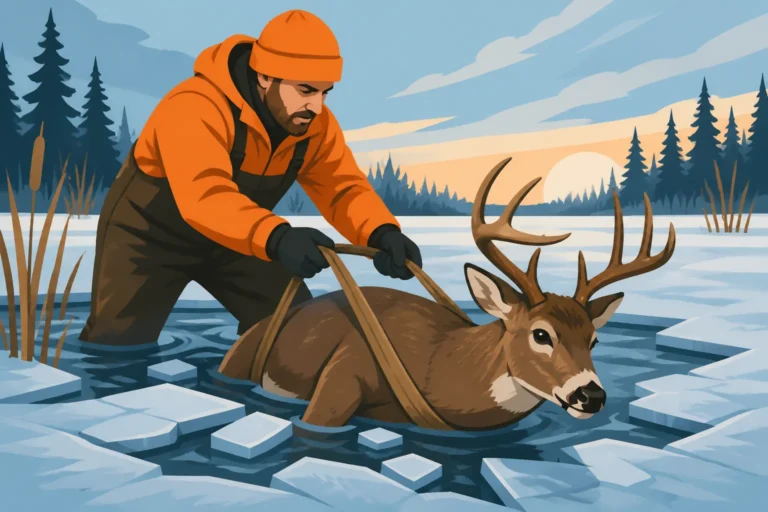
- Swamps and Water Crossings: If the trail leads to a swamp, creek, or frozen lake, don't just assume the deer crossed. They might circle the edge, or, if wounded, collapse near the bank. If it's a frozen body of water, exercise extreme caution. Never risk your own safety to retrieve a deer, no matter how valuable. If you suspect the deer crossed, look for entry and exit points on the opposite bank. Using rubber boots for swamp walking is essential gear if you anticipate this terrain.
The Use of Technology and Gear
Modern hunting technology has made tracking significantly easier.
- GPS/Mapping Apps: Tools like the GoHunt app or other GPS units are invaluable. Mark your starting point, every piece of sign you find, and your last known blood. This creates a digital breadcrumb trail, ensuring you can retrace your steps and prevents getting lost, especially when blood trailing after dark in Minnesota. They also allow you to see topography, property lines, and potential escape routes.
- Headlamps: Even if you start tracking in daylight, always carry a powerful headlamp. Blood trailing often stretches into dusk or darkness, and a good light source is critical.
- Binoculars: Use binoculars to scan ahead, especially in more open terrain. Sometimes, you can spot a bedded deer or fresh disturbance far before you'd see it with the naked eye.
- Sleds and Drags: Once you find your deer, a good deer sled or game drag can make the recovery much easier, particularly in snow country. Don't underestimate the energy it takes to drag a deer out of a Minnesota woodlot, especially if you're alone. You might also consider essential gear like packs for a day on public land, which can hold all your tracking tools, water, and emergency supplies.
Tracking a deer in fresh Minnesota snow is a challenging but rewarding part of the hunting experience. It demands patience, acute observation, and a systematic approach. By preparing adequately, being methodical in your search, and utilizing both traditional woodsmanship and modern technology, you can significantly improve your chances of a successful recovery, honoring the animal and ensuring your freezer is full.
Disclaimer
The information provided in this guide is for informational purposes only and is not a substitute for professional advice. Always consult the most current Minnesota Department of Natural Resources regulations and local laws before hunting. Hunting involves inherent risks, and hunters should always prioritize safety, ethical practices, and responsible game recovery.