Running Hounds for Minnesota Bears
For many hunters, the thought of tracking a bear with a pack of specially trained hounds evokes images of a bygone era or far-off wilderness. But here in Minnesota, bear hound hunting is a rich tradition, albeit one that comes with unique challenges, intense dedication, and a steep learning curve. This comprehensive guide will walk you through everything you need to know about legally and effectively running hounds for black bears in our great state, from understanding the regulations to the nitty-gritty of training and the unforgettable experience itself.
Understanding the Tradition of Hound Hunting for Bear
Bear hunting with hounds isn't just a method; it's a culture, a deep-seated tradition for many families and hunting groups in Minnesota. It's a method that relies heavily on the instincts and training of highly specialized dogs, transforming the hunt into a dynamic chase through the vast Northwoods. This isn't a sit-and-wait game; it's an active, high-energy pursuit that demands physical stamina, keen understanding of canine behavior, and an intimate knowledge of bear habits and terrain.
The Historical Roots of Hound Hunting
Historically, dogs have been used for hunting large game for centuries, from tracking dangerous animals to flushing prey for hunters. In North America, the tradition of hunting bears with hounds evolved out of necessity, offering a safer and often more efficient way to pursue these powerful animals in dense cover. Early pioneers and frontiersmen quickly realized the value of a well-trained dog pack to locate, chase, and corner bears, protecting themselves while also securing valuable meat and hides. This method allowed hunters to cover vast tracts of wilderness, following the natural instincts of the dogs to find what human eyes and noses often missed. It was a partnership born of mutual respect and survival, a bond between man and dog forged in the challenging environment of the wild. Over generations, specific breeds were developed and refined for their scenting ability, endurance, and courage, traits essential for the demanding task of treeing a bear.
Why Hunters Choose Hounds for Bear
Hunters choose to run hounds for bears for a variety of compelling reasons, often extending beyond simply harvesting an animal. The experience itself is a major draw. It’s an immersive, sensory-rich hunt where you’re constantly interacting with the environment and, crucially, with your dogs. There’s an undeniable thrill in listening to the baying of a pack as they strike a track, knowing they’re working together, communicating, and closing in on a bear. For many, it’s the ultimate test of their dogs' training and their own ability to understand the chase. It’s also incredibly effective in certain types of terrain. Minnesota’s dense forests, swamps, and vast public lands can make still-hunting for bears incredibly challenging. Bears are masters of stealth, and finding them in thick cover is like finding a needle in a haystack. Hounds, with their superior sense of smell and relentless pursuit, can root out bears from areas that would be impossible for a human hunter to navigate quietly or effectively. This method also often provides a more controlled harvest scenario once the bear is treed or bayed, allowing the hunter to assess the animal carefully before making a decision. The camaraderie among hound hunters is also a significant factor; it's often a team effort, involving multiple individuals working together to manage the dogs, track the chase, and retrieve the bear.
Legal Framework and Regulations for Bear Hounds in Minnesota
Navigating the rules and regulations for bear hound hunting in Minnesota is absolutely critical. The Minnesota Department of Natural Resources (DNR) has specific guidelines that must be followed to ensure a legal, ethical, and safe hunt. These rules are designed to manage the bear population, ensure fair chase, and address public safety and resource concerns. Before you even think about putting boots on the ground or dogs on a scent, you need to have a crystal-clear understanding of what's allowed and what's not.
Required Licenses and Permits
Just like any other hunting activity in Minnesota, bear hound hunting requires specific licenses and permits. First and foremost, you'll need a valid Minnesota bear hunting license. This isn't a general hunting license; it's specific to bears. Additionally, if you plan to hunt in one of Minnesota's designated Bear Permit Areas (BPAs), you'll likely need to apply for a permit in the annual bear lottery. These permits are allocated to control harvest numbers in specific regions and are often in high demand. It's vital to check the application deadlines, which typically fall in early May, and understand the success rates for the various BPAs. Information on Minnesota's Fifteen Bear Permit Areas and the annual application process can be found on the DNR's website. If you're fortunate enough to draw a permit, make sure you understand the specific rules for that zone. There are also usually options for buying leftover licenses in August if quotas aren't met in certain areas, particularly the "no-quota" zone, but these are first-come, first-served. Beyond your bear license, anyone assisting in the hunt, even if not carrying a weapon, may need a valid small game license. Finally, if you're going to use dogs, there are specific regulations regarding dog training and use during the bear season, which we’ll cover next.
Specific Rules for Using Dogs in Bear Hunting
Minnesota has stringent rules governing the use of dogs for bear hunting, designed to ensure ethical hunting practices and animal welfare. The most crucial aspect is understanding the designated training and hunting seasons for bears with dogs. Generally, there's a specific period before the actual bear hunting season when dog training is allowed, and then a specific season when dogs can be used for actual hunting. It is illegal to release dogs on a bear outside of these specified periods. The DNR clearly outlines these dates each year, so always consult the most current hunting regulations.
Furthermore, hunters using dogs are typically restricted to certain areas, often aligning with the bear permit areas where bear populations are managed. The "no-quota" bear area, for instance, might have different dog-use regulations compared to a managed permit area. Hunters are responsible for keeping their dogs under control and ensuring they do not trespass onto private land where permission has not been granted. There are also rules concerning the type of equipment that can be used on dogs, such as GPS tracking collars, which are generally allowed and widely used by hound hunters. These collars are invaluable for locating dogs in vast and rugged terrain and can integrate with mapping tools. Many hunters use apps like GoHunt that integrate with these GPS units, allowing them to track their pack in real-time on detailed topo maps, understanding the chase's path and ensuring their dogs stay within legal hunting zones or don't wander into dangerous areas. The number of dogs that can be used in a pack might also be regulated, so always double-check the current rulebook. Responsible hound hunting also means ensuring your dogs are properly registered, vaccinated, and adhere to all local animal control ordinances.
Training and Caring for Your Bear Hounds
Running a successful bear hound takes an immense amount of dedication, time, and resources. It's not about buying a dog and pointing it at a bear; it's about years of consistent training, proper care, and building an unbreakable bond with your pack. These aren't just pets; they're highly specialized athletes and trusted hunting partners.
Choosing the Right Breed and Starting Young
Selecting the right breed is foundational to bear hound hunting. While many breeds can be trained to hunt, some are inherently better suited due to their genetics, instincts, and physical attributes. Popular choices for bear hunting in Minnesota and elsewhere include:
| Breed Type | Key Characteristics | Considerations for Bear Hunting |
|---|---|---|
| Treeing Walker Coonhound | High energy, incredible drive, strong prey drive, excellent scenting, good endurance. | One of the most popular for bears; known for speed and persistence. |
| Bluetick Coonhound | Deep, resonant voice, good endurance, tenacious on a track, good cold weather tolerance. | Excellent tracking ability, can handle varied terrain. |
| Black and Tan Coonhound | Powerful voice, good endurance, calm demeanor, strong nose. | A favorite for their steady tracking and ability to tree. |
| Plotthound | Bold, athletic, intelligent, strong protective instincts, good stamina, short coat. | Bred specifically for big game; known for grit and determination. |
| Laconia Cur | Versatile, strong prey drive, intelligent, good treeing ability. | Can be effective, but less common than coonhound breeds. |
Regardless of breed, starting young is crucial. Most hound owners begin training their puppies on scent trails or with smaller game like raccoons before graduating to bears. This foundational work helps them develop their nose, build confidence, and understand the concept of the chase and treeing. It’s a slow, methodical process that requires patience and consistency. Exposure to different terrains, weather conditions, and other dogs is also vital in their formative years to build a well-rounded and resilient hunter.
Essential Training Regimen for Bear Hounds
The training regimen for bear hounds is continuous and multifaceted, often spanning years. It begins with basic obedience and socialization, ensuring the dogs are manageable and get along well with other pack members. From there, the focus shifts to scent work. Puppies are often started on "drags" – scents of raccoons or bear hides pulled along the ground – to ignite their natural tracking instincts. As they mature, they graduate to live training, often running raccoons at night to hone their treeing skills. This is where they learn to "cold trail," following an old scent, and to "hot trail," chasing a fresh track with enthusiasm.
When transitioning to bear, the training becomes more intensive and focused. Hounds are often introduced to captive bears in controlled environments (where legal and safe) or, more commonly, released on known bear tracks or nuisance bears to get them accustomed to the size, speed, and scent of their quarry. It's vital to build confidence in young dogs, often by pairing them with experienced "strike" dogs who know how to locate a track and "tree" dogs who are reliable at holding a bear once treed. Consistency is key; these dogs need regular work, not just during hunting season, to maintain their physical conditioning and sharp instincts. Hunters need to teach their dogs to ignore other game, focusing solely on bear scent. This often involves exposure to deer, coyotes, and other animals, rewarding them for ignoring these scents and punishing them for chasing.
Health, Nutrition, and Equipment for a Working Pack
A working pack of bear hounds requires top-tier care. Their physical demands are immense, often covering miles of rugged terrain in varied weather conditions. Therefore, excellent nutrition is paramount. High-quality, high-protein dog food formulated for active working dogs is essential to fuel their bodies and aid recovery. Regular veterinary care, including vaccinations, deworming, and preventative flea/tick treatments, is non-negotiable. Many hound owners use GPS collars, which are vital for tracking dogs in vast landscapes. Brands like Garmin's Alpha or SportDOG Tek series are popular, providing real-time location data and often remote training capabilities. These systems allow hunters to monitor their dogs' location, speed, and status, and can be integrated with mapping platforms like GoHunt that provide detailed topo maps and land ownership overlays, which are critical for staying on public land and avoiding trespass. Protective gear, such as cut vests, can also be used in areas with dense brush or potential hazards, safeguarding dogs from injuries. Beyond the technical gear, a reliable dog box for transport, plenty of fresh water, and first-aid supplies for both humans and dogs are crucial for every outing. The commitment to a hound's well-being extends far beyond the hunt itself, ensuring they live a healthy, active life year-round.
Tactics and Strategies for Successful Hound Hunts
Bear hunting with hounds in Minnesota is a complex dance between human and canine, requiring meticulous planning, keen observation, and the ability to adapt to rapidly changing conditions. Success hinges on more than just having good dogs; it's about how you deploy them, how you read the terrain, and how you manage the chase.
Scouting for Bear Sign and Hot Tracks
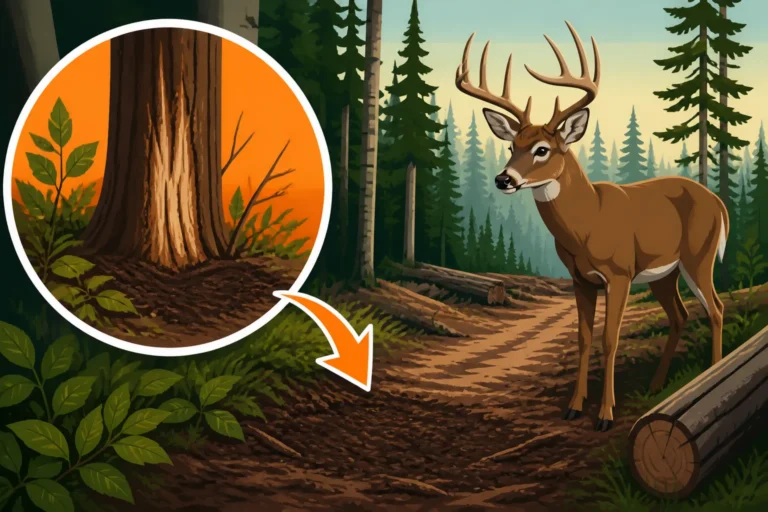
Just like any other form of hunting, successful hound hunting starts long before the dogs hit the ground. Effective scouting is paramount. Hound hunters look for fresh bear sign, which includes tracks, scat, rub trees, overturned rocks, and feeding areas. Areas with abundant natural food sources, like berry patches (blueberries, raspberries, saskatoons), oak ridges producing acorns, or agricultural fields with corn or oats, are prime locations. Water sources and dense cover for bedding are also key indicators. Many hound hunters also maintain bait sites, which, while regulated, can draw bears into specific areas and provide fresh tracks for the dogs. These bait sites need to be properly registered and maintained according to Minnesota bear bait registration rules. Scouting should be done regularly, even weeks before the season, to understand bear movement patterns and identify potential "strike" areas. Using aerial photos and digital mapping tools from platforms like GoHunt can help pinpoint promising spots, identify logging roads for access, and understand land ownership to ensure you're starting your hunt on public land. The goal is to find a fresh track, ideally from a large boar, that the dogs can pick up easily, initiating a strong chase.
Managing the Chase and Treeing the Bear
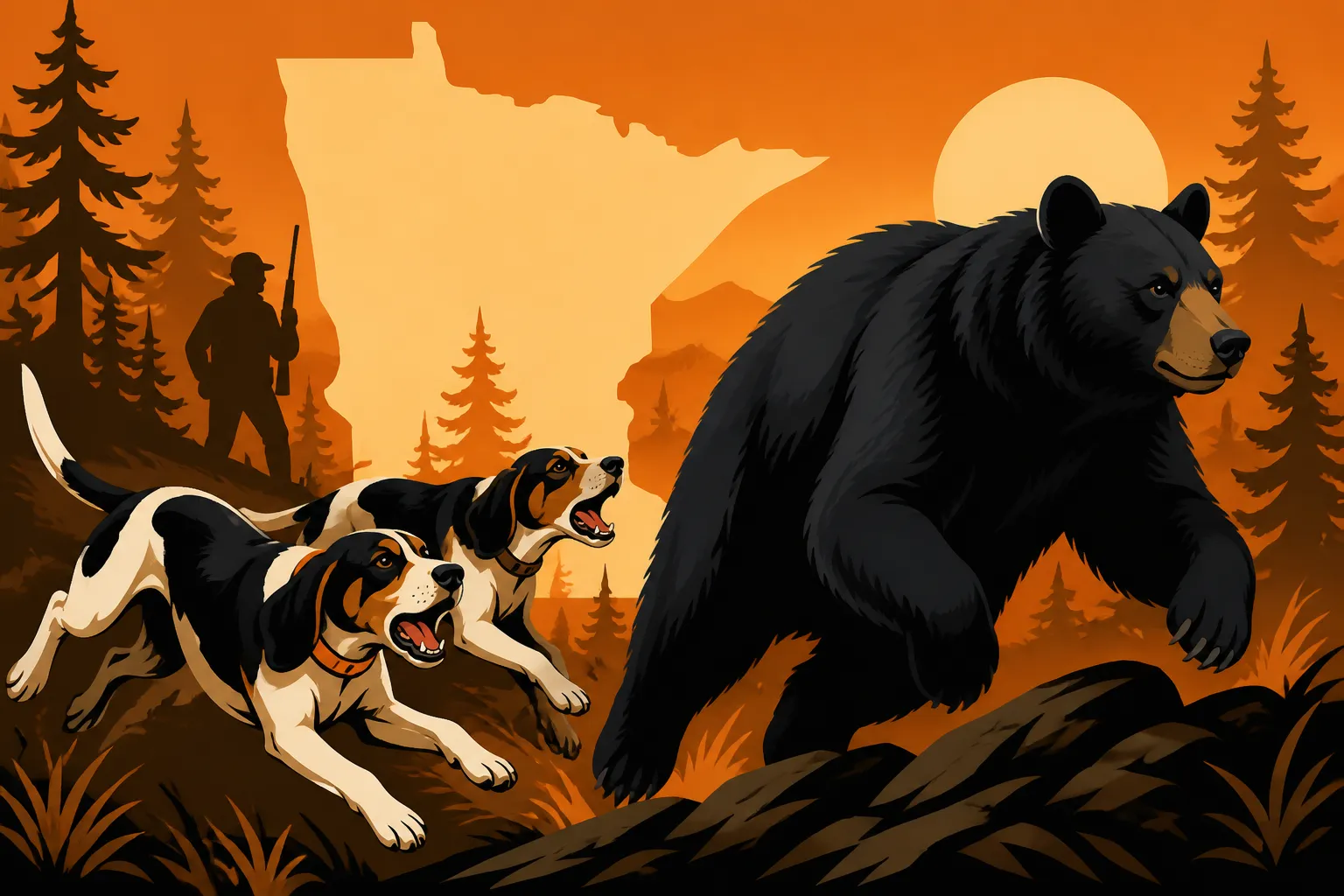
Once a fresh track is located, the "strike" dogs are released, often on a lead, to pick up the scent. When they "strike" and confirm a track, the rest of the pack is unleashed, and the chase begins. This is where the intensity and skill of the dogs truly come into play. The dogs follow the bear's scent trail, often baying loudly to communicate their progress. The hunters, often equipped with GPS receivers linked to their dogs' collars, follow on foot or by vehicle along logging roads and trails, listening to the dogs' voices and monitoring their locations. The chase can be incredibly fast and cover many miles, pushing through thick brush, swamps, and across hills.
The ultimate goal is for the dogs to "tree" the bear, forcing it up a tree where it feels safe from the barking pack below. Sometimes, a bear will "bay up" on the ground, cornered against a rock or in dense cover. When the dogs have the bear treed or bayed, their continuous barking, known as "treed" or "bayed" speech, alerts the hunters. The hunters then move in carefully, assessing the situation. This approach needs to be slow and cautious, ensuring the dogs are holding the bear effectively and preventing it from slipping away or charging.
Recovery and Ethical Harvest
Once the bear is treed or bayed, the hunters must approach with caution and make an ethical decision. The bear is typically at a disadvantage, so the hunter has time to calmly evaluate the animal. Considerations include the bear's size, sex, and whether it's an appropriate animal to harvest according to their permit. The goal is always a clean, humane shot. Once the shot is taken, and the bear is down, the dogs are often leashed or called off to prevent them from engaging the downed animal, which can lead to injury.
The recovery process can be challenging, especially in Minnesota's dense cover and rugged terrain. Field dressing the bear as quickly as possible helps cool the meat, which is essential, particularly in warmer early season conditions. Information on handling bear meat safely is paramount to ensuring a quality harvest. Dragging or quartering the bear out of the woods can be a monumental task, often requiring multiple people and specialized equipment like game carts or sleds. Ethical harvest also means utilizing as much of the animal as possible, respecting the life that was taken, and adhering to all registration requirements with the Minnesota DNR.
Safety, Ethics, and Responsible Hound Hunting
Hunting with hounds, particularly for powerful game like bears, comes with inherent risks and responsibilities. Beyond the thrill of the chase, responsible hound hunters prioritize safety for themselves, their dogs, and the public, while upholding the highest ethical standards. It’s a commitment to stewardship and respect for the resource.
Hunter and Dog Safety Precautions
Safety is paramount in any hunting endeavor, but especially so when running hounds for bears. For hunters, this means always being aware of your surroundings, especially when following dogs through thick, unfamiliar terrain. Carrying a reliable GPS unit (or a mapping app on your phone with downloaded offline maps from a service like GoHunt) is non-negotiable for navigation and to prevent getting lost. Communication devices, like two-way radios, are essential for coordinating with other hunters in the pack. Wearing appropriate blaze orange or blaze pink is required during certain seasons and is always a good idea when you're moving through the woods, even if it's technically not required for bear season itself in dense cover where you might encounter other hunters or non-hunters.
For the dogs, safety involves protective gear like cut vests, especially when working in areas with sharp brush or rough ground. Proper hydration and regular breaks are crucial to prevent overheating or exhaustion, particularly on long, hot chases. First-aid kits for dogs, including wound care and wraps, should always be on hand. It's also vital to train dogs to be wary of roads and vehicles, as well as other wildlife they shouldn't pursue. Knowing how to safely handle a treed or bayed bear is also critical; never approach a bear without extreme caution, and always be prepared for it to potentially charge or escape.
Respecting Landowners and Public Perception
The public perception of hound hunting is often a mixed bag, and responsible hunters play a crucial role in shaping it positively. This starts with absolute respect for landowners. Always obtain explicit permission before allowing your dogs to track onto private property. Even with GPS collars, dogs can sometimes cross boundaries unexpectedly, so having contingency plans and good relationships with local landowners is vital. This often means knocking on doors in Minnesota farm country well before the season. Understanding Minnesota posted land rules is also crucial. Hunters should also be mindful of the noise associated with a pack of baying hounds. While it's a natural part of the hunt, being considerate of nearby residences or other recreational users on public land is important. Responsible hound hunters clean up after themselves, avoid leaving trash, and represent the hunting community in a positive light, which helps mitigate negative stereotypes and protects the future of this unique hunting method. Educating others about the ethics and dedication involved can also foster understanding and appreciation.
Ethical Considerations and Fair Chase
Ethical considerations are at the core of responsible hound hunting. The principle of "fair chase" dictates that hunters should not have an unfair advantage over the animal. This means adhering strictly to all regulations regarding baiting, training periods, and hunting seasons. It’s about letting the dogs do the work of finding and tracking the bear, not simply driving it to a waiting hunter. The use of technology, such as GPS collars, is generally accepted as a tool for dog recovery and safety, not for gaining an undue advantage.
A key ethical aspect is the decision to harvest. When a bear is treed, the hunter has the opportunity to make a calm, informed decision. This includes verifying the bear's sex and size, ensuring it's not a sow with cubs, and waiting for an ethical shot opportunity. If the shot isn't clean, or if the bear is not the desired animal, a responsible hunter will let it go, managing their dogs to ensure a safe escape. The intent is not simply to kill, but to engage in a challenging, traditional hunt with respect for the animal and the wilderness. Recovering a deer from a frozen slough, or any other game animal from a challenging spot, applies to bears as well—ethical recovery means doing your utmost to retrieve any animal you harvest.
The Experience: What to Expect on a Minnesota Bear Hound Hunt
A Minnesota bear hound hunt is an unforgettable experience, a raw and immersive adventure that tests skill, endurance, and the bond between hunter and dog. It's not a passive pursuit; it's an active, demanding, and deeply rewarding journey into the heart of the Northwoods.
The Dynamics of a Pack Hunt
Bear hound hunting is almost always a team effort. A typical pack hunt involves several hunters, each with their own role, all working in coordination. There's often a designated "handler" or "master of hounds" who is most experienced with the dogs and makes key decisions about when and where to release them. Others might act as "runners," following the chase on foot, or "road-crew," driving logging roads to pick up dogs or intercept the chase if it crosses access points. The communication between hunters is constant, often using two-way radios to relay dog locations, bear behavior, and terrain challenges.
The dynamics of the dog pack itself are fascinating. Each dog often has a unique role: "strike" dogs are adept at picking up a cold track, "trail" dogs have incredible endurance for the long chase, and "tree" dogs are reliable at holding the bear once it's treed. The symphony of their barks, from the initial "bawl" of a strike to the rapid-fire "chop" of a tree dog, tells the story of the chase to the experienced ear. This isn't a silent hunt; it's a cacophony of canine voices echoing through the forest, each note a data point for the hunters trying to keep up. It's a testament to years of training and the instinctive intelligence of these incredible animals.
The Physical and Mental Demands
Make no mistake: bear hound hunting is physically demanding. You will be walking, often running, through dense brush, navigating swamps, climbing hills, and crossing downed timber, sometimes for hours on end. The terrain in Minnesota's bear country, particularly in the forested zones, is rugged and unforgiving. You might find yourself knee-deep in a bog or scrambling over rocky outcrops, all while trying to keep pace with a fast-moving pack of dogs. Stamina and physical fitness are crucial.
Mentally, it's also a challenging hunt. The chase can be unpredictable. Dogs might lose a track, a bear might outsmart the pack, or the chase could lead you miles away from any easy access point. You need patience, perseverance, and the ability to make quick decisions under pressure. There's also the emotional toll of caring for your dogs, worrying about their safety, and the intense focus required to interpret their barks and track their movements. It's not for the faint of heart, but for those who embrace the challenge, the rewards are immense. The sheer immersion in the wilderness, the adrenaline of the chase, and the profound connection with your dogs create memories that last a lifetime.
Seasonal Variations and Their Impact
The Minnesota bear season runs from late summer through early fall, and the conditions can vary dramatically, directly impacting a hound hunt.
- Early Season (Late August/Early September): This period is often characterized by warmer temperatures. While bears are very active, the heat can be tough on dogs, increasing the risk of overheating. Dry ground makes scenting more difficult, leading to slower, colder trails. However, natural food sources like berries are abundant, and bears are often focused on foraging, which can make them more predictable. Hunters need to be particularly vigilant about hydrating their dogs and taking frequent breaks.
- Mid-Season (Mid to Late September): As temperatures start to cool, scenting conditions often improve. Bears are still actively feeding, but the pressure from hunters might start to make them warier. This can lead to longer, more challenging chases as bears become more evasive. Foliage might still be thick, making visibility difficult, but the cooler weather is generally more favorable for the dogs.
- Late Season (October): By October, temperatures can be quite cool, and in northern Minnesota, you might even encounter early snow. This is often when bears are making their final push to put on weight before denning for the winter. The cooler, often wetter, weather can create excellent scenting conditions. However, bears might be more prone to denning or moving less, making them harder to find. Falling leaves improve visibility, but the cold can be a challenge for hunters and dogs alike. Understanding the nuances of each period, especially in areas like those described in Bowhunting Minnesota's Long Archery Season, which overlaps, can significantly influence your strategy and success.
Each phase of the season presents unique challenges and opportunities, requiring hunters to adapt their strategies, adjust their expectations, and always prioritize the well-being of their dedicated canine partners.
Disclaimer
This guide is for informational purposes only and should not be considered legal advice. Hunting regulations, seasons, and permit requirements in Minnesota can change annually. Always consult the most current Minnesota DNR hunting regulations and local ordinances before engaging in any hunting activity. Safety should always be your top priority.