How Minnesota’s Archery Season Runs Into Winter
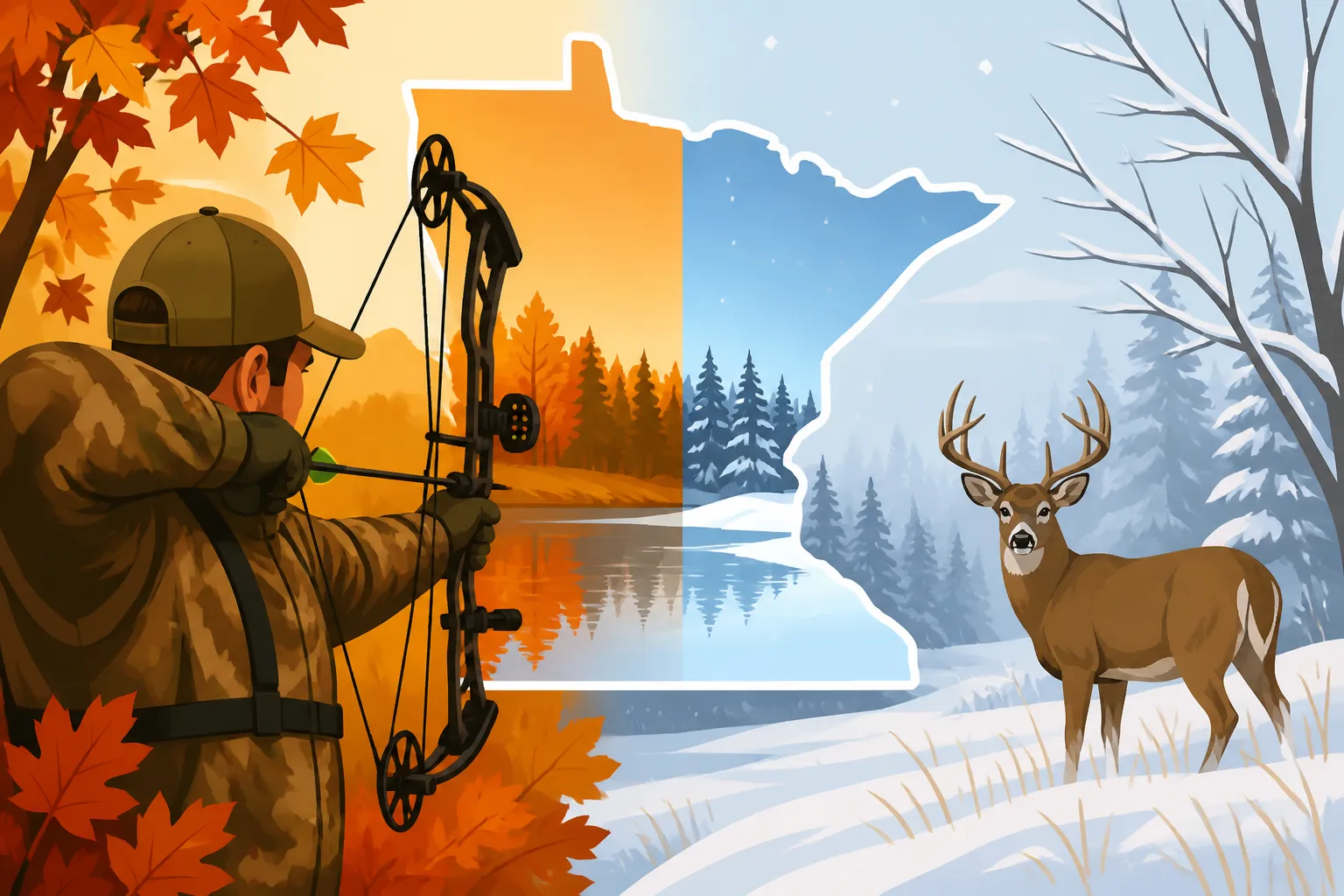
When the crisp air of early fall bows out and the biting winds of December start to whip through the bare branches, many hunters feel that familiar pang of disappointment as the regular deer season winds down. It's a tough pill to swallow, knowing the prime rut action might be behind us. But here in Minnesota, for those of us who carry a bow, the season doesn't just end with the firearm hunters' last hurrah. Our archery season extends deep into the colder months, offering a unique, often challenging, but incredibly rewarding opportunity to pursue whitetails. This comprehensive guide will walk you through everything you need to know to successfully navigate Minnesota's extended archery season, turning those winter challenges into genuine opportunities.
Understanding Minnesota's Extended Archery Season Opportunities
There's a special kind of hunter who thrives when the mercury drops, and Minnesota's extended archery season is tailor-made for them. While many put their gear away after the main firearm seasons, the archers get a prolonged chance, sometimes stretching into the very end of December, to fill their tags. This isn't just a bonus period; it's a completely different hunt, demanding a shift in strategy, gear, and mindset.
Key Dates and Permit Area Nuances
The exact closing dates for Minnesota's archery season can vary slightly depending on the specific permit area, but generally, it runs through December 31st in most areas. This extended period is a gift, especially when you consider how short the firearm seasons can feel. However, it's absolutely crucial to double-check the regulations for your specific permit area. Not all areas are created equal, and some might have earlier closures or special restrictions. The Minnesota DNR website is your best friend here, providing detailed maps and regulations. Tools like the GoHunt platform can also be incredibly useful for quickly cross-referencing these details against public land maps, helping you identify areas with extended opportunities that align with your access points. Our comprehensive guide on Minnesota Archery Season Dates offers a more detailed breakdown of these critical timelines.
Beyond the sheer length of the season, understanding the permit area nuances is paramount. Some areas might be designated as "intensive" or "managed," allowing for additional antlerless tags, which can be a huge advantage when deer are grouped up in winter. Other areas might be "lottery" based, where antlerless tags are more limited. Knowing what tags you have available and what's permissible in your chosen hunting ground influences everything from how aggressively you hunt to your target animal. The pressure from earlier firearm seasons can also push deer into different zones, so understanding population dynamics and harvest goals for your specific area gives you a significant edge.
The Shift from Fall to Early Winter Hunting
Hunting in early September, when the leaves are green and the air is warm, feels like a completely different sport compared to chasing deer in late December. The transition from fall to early winter hunting isn't just about the temperature; it's a fundamental change in deer behavior, habitat, and hunter challenges. In fall, deer are often spread out, focused on acorns and other soft mast, with younger bucks still figuring things out. The rut brings an entirely different chaos, driven by breeding instincts.
By the time late season rolls around, the landscape is stark. Deciduous trees are bare, providing less cover, and the once-abundant food sources are now either buried under snow or long gone. Deer have shifted from a breeding mindset to pure survival. Their focus is singular: food, warmth, and security. This means they're often concentrated in areas offering the best combination of these three elements. We're talking about thick thermal cover, south-facing slopes that catch the sun, and the last remaining high-energy food sources. This shift requires archers to be far more deliberate, patient, and detail-oriented in their approach. Forget about rattling and grunting for the most part; late-season success hinges on understanding a deer's physiological needs.
Navigating the Unique Challenges of Late-Season Archery
Let's be real, late-season archery in Minnesota isn't for the faint of heart. It throws a unique set of challenges at you, from the sheer discomfort of the elements to the increasingly wary nature of the deer themselves. But understanding these challenges is the first step toward overcoming them and finding success when others have packed it in.
Dealing with Cold Weather and Snow
The most obvious adversary during Minnesota's late archery season is the weather. We're talking about temperatures that can plunge well below freezing, often accompanied by biting winds, freezing rain, or heavy snow. This isn't just about being uncomfortable; it's about staying safe and effective. Your body's ability to regulate temperature is paramount. Sitting still for hours in a treestand or ground blind when it's single digits, or even below zero, requires serious preparation. Hypothermia is a real threat, and frostbite can creep up quickly if you're not adequately dressed and equipped.
Beyond personal comfort and safety, cold and snow impact your gear. Bowstrings can become brittle, sights can fog up, and clothing can stiffen, making quiet movements difficult. Heavy snow can muffle sound, which can be both a blessing and a curse. While it might mask your approach, it can also make it harder to hear deer moving through the woods. The act of blood trailing after a shot also becomes significantly different. Fresh snow can make a blood trail pop, but older, crusted snow, or a fresh snowfall after the shot, can make recovery a nightmare. Our guide on Tracking a Deer in Fresh Minnesota Snow provides some excellent insights into this critical skill.
Reduced Deer Activity and Pressure
After weeks of hunting pressure from archers, firearm hunters, and muzzleloader enthusiasts, the deer population in late December has seen it all. They're jumpy, largely nocturnal, and have become masters of evasion. The deer you're hunting now are the survivors, the ones that have outsmarted countless hunters, and they are incredibly smart. Their activity levels also naturally decrease with the cold. They conserve energy, moving only when necessary, primarily between bedding and feeding areas. This means shorter feeding windows and less daylight movement, making your hunting windows tighter and more critical.
The landscape itself contributes to reduced activity. As food sources dwindle and snow accumulates, deer aren't wandering aimlessly. They're moving with purpose, often using established trails between cover and feed. This can be an advantage if you can identify these patterns, but it also means less random opportunity. Furthermore, the sheer number of deer visible might be lower due to successful harvests earlier in the season, or simply because deer have moved into thicker, less accessible cover to escape pressure. You're not just looking for any deer; you're often looking for that specific, elusive animal that's managed to make it this far.
Adapting Your Tactics for Winter Whitetails
Successfully hunting Minnesota's late archery season isn't about sheer luck; it's about precision, patience, and a complete overhaul of your typical fall tactics. The deer have changed, the landscape has changed, and so must your approach.
Focusing on Food Sources
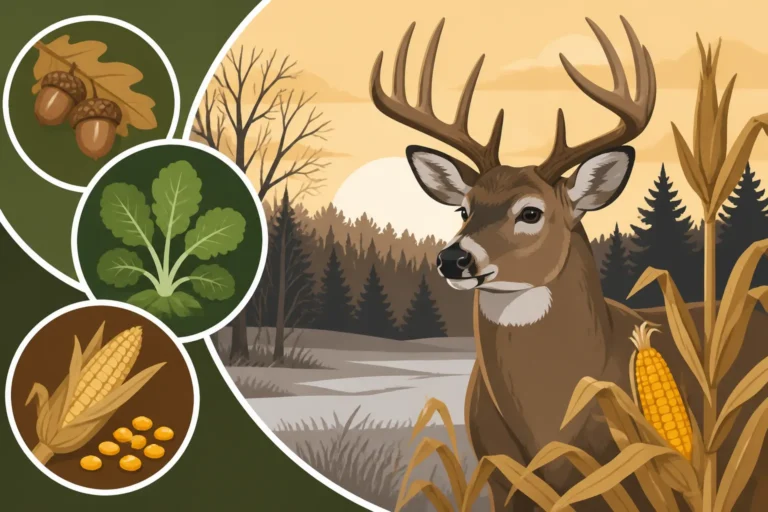
In the late season, food is king. With the rut over and winter's harsh reality setting in, deer are primarily focused on replenishing lost energy and simply surviving. This means their movements will revolve almost entirely around the most appealing and accessible food sources. Forget about mock scrapes or flashy rut sign; you need to find what's putting calories into their bellies. Standing cornfields, if still available, are absolute magnets. Deer will yard up in them, feeding throughout the night and often lingering well into the morning. Soybeans can also be a significant draw, as can areas with remaining brassicas or winter wheat.
Don't overlook natural browse either, especially in big woods settings. While less calorically dense, woody browse like dogwood, aspen shoots, and maples can still provide sustenance. Thermal cover often goes hand-in-hand with these browse areas. Identifying these crucial feeding zones and the trails leading to and from them becomes your number one priority. This is where scouting intelligence, coupled with aerial maps and tools like GoHunt that can show agricultural fields and cover types, really pays off. Our post on Late-Season Food Sources for Minnesota Whitetails delves deeper into pinpointing these vital areas. You need to be where the groceries are, plain and simple.
Scouting for Late-Season Sign
Scouting in late season looks different than pre-season or even rut scouting. You're not looking for fresh rubs or massive scrapes as much as you're looking for heavy, concentrated tracks in the snow, fresh droppings, and browse lines. Deer will be "yarding up" or congregating in specific areas that offer the best combination of food and thermal cover. These areas will show a significant amount of activity, often with multiple deer moving in and out. Pay close attention to trails leading from thick bedding areas to accessible food.
Walk slowly, quietly, and use your binoculars to scan ahead, looking for deer bedded in sunny spots on south-facing slopes. These areas offer both warmth and often good visibility for the deer. Look for evidence of browsing on specific plants. Are they hitting certain dogwood thickets hard? Are they digging through snow to get at fallen acorns or remaining forbs? These are the clues that tell you where deer are spending their precious energy. Be careful not to spook deer during your scouting missions, as they are exceptionally wary at this time of year. A quick in-and-out approach, often midday when deer activity is at its lowest, is crucial.
Still-Hunting and Ground Blind Strategies
Given the reduced deer movement and increased wariness, your hunting method needs to adapt. While treestands can still be effective, especially if you're on a defined travel corridor between bedding and a critical food source, the bare trees can make them less forgiving for concealment. Still-hunting becomes a powerful tactic, allowing you to slowly cover ground, picking apart cover, and observing without committing to a fixed stand. This involves moving incredibly slowly, pausing often, and using your binoculars constantly to scan for movement or bedded deer. Our guide to Still-Hunting Minnesota Big Woods offers great tips for this patient approach.
Ground blinds also shine in the late season. They offer unparalleled concealment and crucial protection from the elements, allowing you to stay warm and comfortable for longer sits. A well-brushed-in ground blind on the edge of a standing cornfield, or nestled into a thicket overlooking a browse-heavy area, can be deadly. You can move more freely inside, stay out of the wind, and even use a small heater if conditions are extreme. This significantly increases your endurance, which is key for those long, cold late-season vigils. Remember that you’ll need to put in the work to Brushing In a Blind on a Field Edge for optimal concealment.
Essential Gear and Clothing for Cold Weather Hunting
Late-season archery success often boils down to your ability to withstand the elements. If you're cold, uncomfortable, or shivering, you won't be still, you won't be focused, and you won't be successful. Investing in the right gear is non-negotiable for hunting in Minnesota's winter.
Layering Systems for Extreme Cold
Forget about wearing one big, bulky coat. The key to staying warm in extreme cold is a proper layering system that allows you to manage your body heat. It starts with a good base layer that wicks moisture away from your skin, preventing that clammy, cold feeling. Merino wool or high-quality synthetics are excellent choices. Next comes a mid-layer for insulation, like a fleece jacket or a puffy synthetic down vest. This layer traps air and provides warmth.
Your outer layer should be both insulated and windproof/waterproof. This is your shield against the biting Minnesota wind and any snow or freezing rain. Look for quiet materials that won't make noise when you move your bow. Brands like Sitka, Kuiu, or First Lite offer excellent cold-weather hunting gear designed for silent movement in extreme conditions. Don't forget your head, hands, and feet! A warm hat, insulated gloves or mittens (with a thin liner glove for shooting), and heavy-duty, insulated boots are critical. A good pair of Insulated Boots for All-Day Sits can make or break your hunt. Hand warmers and foot warmers are also your best friends for those long, cold sits.
Bow and Arrow Considerations in Winter
Cold weather affects your archery setup, and it's essential to be aware of these changes. Bowstrings can become stiffer and potentially more brittle in extreme cold. Check your string and cables for any signs of wear or fraying more frequently. A good string wax can help maintain flexibility. Your arrow rest might also stiffen, so ensure it's functioning smoothly. Peep sights can sometimes freeze shut or collect snow, so keep them clear.
Your arrows and broadheads generally hold up well, but consider slightly heavier arrows for increased kinetic energy and better penetration on potentially tougher, colder hide. Mechanical broadheads can sometimes have issues with blades deploying in extremely cold conditions or with ice build-up, so many late-season archers opt for fixed-blade broadheads for reliability. Before you head out, do some practice shots in cold weather to see how your bow performs. Does your release aid feel different? Are your anchor points affected by bulky clothing? These are crucial adjustments to make before you're staring down a deer.
Optics and Accessories for Darker Days
The short, dark days of winter mean that legal shooting light arrives later and fades earlier. This makes high-quality optics incredibly important. Binoculars with excellent low-light gathering capabilities (e.g., 8×42 or 10×42 with good glass) can help you spot deer in the shadows of dawn and dusk. A reliable rangefinder is also crucial, as judging distance in open, snowy conditions can be deceptive, and you want to be precise for an ethical shot.
Consider an illuminated reticle on your bow sight. While not always necessary, it can be a lifesaver in those last few minutes of legal light when your pins might disappear against a dark background. Headlamps with a red light setting are essential for navigating to and from your stand in the dark without spooking deer. Ensure all your electronic accessories have fresh batteries, and carry spares, as cold weather drains batteries much faster. A multi-tool, a sharp field dressing knife, and flagging tape for blood trailing are also must-haves. When it comes to Binocular Power for Big Woods Hunting, you'll find that having clear, bright glass is invaluable for those dim winter mornings.
Deer Behavior and Movement in Winter
Understanding how deer adapt to the severe conditions of a Minnesota winter is paramount for predicting their movements and finding success. Their entire existence shifts to survival, and every action is calculated to conserve energy.
Understanding Winter Bedding Areas
As temperatures plummet and snow accumulates, deer seek out bedding areas that provide maximum thermal cover and protection from the elements. This often means thick conifer stands like pines, spruces, or cedars, which offer dense overhead cover that traps warmth and blocks wind. South-facing slopes are also highly prized because they catch the sun's rays, offering a warmer spot to bed during the day. In flatter terrain, thick cattail sloughs can offer surprising warmth and concealment, though navigating them can be a challenge for hunters.
Deer will often bed in these areas for extended periods, only moving to feed. Their bedding strategies are all about energy conservation. They'll choose spots that require minimal effort to get to and from food, and that are close to escape routes. Look for clusters of beds, especially in heavily used areas. These bedding zones are not places you want to bust into, as you'll likely spook the deer and send them packing, potentially out of your hunting area entirely. Instead, identify the trails leading into and out of these sanctuaries and set up accordingly. If you're interested in how deer utilize these features, our post on Where Big Woods Bucks Bed in Minnesota has some great insights.
The Impact of Snow Depth and Temperatures
Snow depth significantly impacts deer movement and accessibility to food. Shallow snow might make travel easier, but deep snow can be a serious impediment, forcing deer to use established trails or "deer yards" where they congregate to break trails. Very deep snow can bury food sources, making them unavailable and forcing deer to browse higher up on woody plants. The colder the temperatures, the more urgent their need for high-energy food sources and thermal cover becomes.
Temperature swings also influence activity. A sudden warm front after a prolonged cold snap can spark a flurry of activity, as deer feel more comfortable moving and feeding. Conversely, an extreme cold front might put them down for several days, minimizing movement. Wind chill is another major factor, driving deer into the densest cover available. Understanding these environmental variables and how they affect deer behavior is like having a secret weapon. It allows you to predict when and where deer will be most vulnerable. Our insights into Hunting Deer in Deep Northern Minnesota Snow provide additional context on these environmental factors.
Post-Rut Recovery and Survival Instincts
By late season, the intensity of the rut is a distant memory. Bucks, especially mature ones, are often run down and have lost a significant amount of body weight. Their focus is on recovery and survival, not breeding. This means they'll be just as, if not more, concentrated on food and cover as the does. They're still wary, perhaps even more so after surviving weeks of hunting pressure. Their instincts are finely tuned to detect danger.
This post-rut recovery period makes them predictable in a way: find the food and cover, and you'll find the deer. They'll often move from bed to food right at dawn and again right before dusk, sometimes even making a midday move if the weather is mild or food pressure is high. Patience is key. You might sit for hours without seeing anything, then have a small window of opportunity. Being ready, warm, and focused during those brief periods is what separates successful late-season archers from those who give up.
| Season Period | Key Challenges | Deer Focus | Recommended Tactics | Essential Gear |
|---|---|---|---|---|
| Early Season | Heat, bugs, dense foliage | Velvet, summer food | Spot & stalk, opportunistic stands | Light layers, bug spray, scent control |
| Peak Rut | Hunter pressure, erratic deer | Breeding, scrapes | Call & decoy, travel corridors | Rattling antlers, grunt tube, doe decoy |
| Late Season | Extreme cold, snow, wary deer | Survival, high-energy food | Food source stands, ground blinds | Layered insulation, hand warmers, fixed broadheads |
Disclaimer
The information provided in this guide is for general informational purposes only. Hunting regulations and conditions can change rapidly. Always consult the official Minnesota Department of Natural Resources (DNR) website and regulations booklet for the most current and accurate information before planning any hunting trip. Hunter safety is paramount; always prioritize ethical hunting practices and personal safety.