Retrieving a Boundary Waters Deer by Canoe
Hunting in Minnesota's Boundary Waters Canoe Area Wilderness is an experience unlike any other, offering unparalleled solitude and a true wilderness challenge. But let's be honest: the thought of actually getting a deer out of that remote country can be downright terrifying, a logistical nightmare that stops many hunters before they even start. You've scouted, you've paddled for miles, you've made a perfect shot on a beautiful BWCA whitetail, and now the real work begins. This comprehensive guide is here to walk you through the nitty-gritty of retrieving a deer by canoe, transforming that daunting task into a manageable plan.
The Unique Challenge of BWCA Deer Retrieval
Bringing a deer out of the Boundary Waters isn't like dragging one across a farm field or loading it into the back of a truck from a logging road. It's a multi-stage operation that tests your physical endurance, mental fortitude, and planning skills. The very elements that make the BWCA so appealing—the vast network of lakes and rivers, the rugged portages, and the profound remoteness—are precisely what make retrieval so uniquely demanding.
The Logistical Maze: Waterways, Portages, and Remoteness
Imagine this: you've just taken down a decent-sized whitetail buck deep in a secluded bay on a lake that requires three portages to reach. The adrenaline is pumping, but quickly gives way to the sinking realization that every single pound of that deer needs to be moved by human power across water and land. The water itself presents challenges—paddling a loaded canoe is far different from an empty one, especially in windy conditions or on larger, choppier lakes. Canoe Hunting Boundary Waters Deer and Grouse is a world unto itself.
Then there are the portages, those often muddy, rocky trails between lakes. They can range from a short, well-worn path to a half-mile grind over exposed bedrock and tangled roots, usually with a steep climb or descent at each end. Now, envision doing that not just with your gear, but with several hundred pounds of deer meat. It's enough to make even seasoned Boundary Waters veterans break out in a cold sweat. There's no quick exit strategy, no calling a friend with an ATV to zip in and help out. You are truly on your own, and every decision matters.
The Time Crunch: Keeping Your Harvest Fresh in the Wilderness
Unlike hunts closer to civilization where you can often get a deer to a cooler or butcher shop within hours, time is a luxury you simply don't have in the BWCA. You're working against the clock, especially during warmer early archery seasons or even mild firearm days. The remote nature of the wilderness means that temperatures can fluctuate, and proper meat care becomes paramount to prevent spoilage. You could be a full day's paddle and portage from your vehicle, or even more.
The pressure to field dress quickly and efficiently, then transport the meat while keeping it cool, is immense. This isn't just about preserving quality; it's about making sure your hard work, and the deer's sacrifice, isn't wasted. You need to think about air circulation, preventing contamination, and minimizing exposure to heat and insects. It adds another layer of complexity to an already challenging undertaking, highlighting why preparation for Meat Care Gear for Minnesota Hunters is so crucial.
Essential Gear for a Successful Canoe Retrieval
Success in the Boundary Waters, especially during retrieval, hinges on having the right gear. Skimping here isn't just uncomfortable; it can be the difference between getting your deer out cleanly and struggling through a frustrating, potentially dangerous, experience. Every item you pack needs to earn its space in your canoe.
Choosing the Right Canoe and Portage Equipment
Your canoe is your lifeline in the BWCA, and for deer retrieval, some canoes are simply better suited than others. You need stability, capacity, and durability. A narrow, lightweight Kevlar racing canoe might be great for speed, but it's going to be a nightmare with a heavy, shifting load like a deer. Wider, more stable canoes, often made from robust materials like Royalex or durable aluminum, are generally preferred. Think about canoes designed for tripping or hauling gear, not just covering distance quickly.
| Canoe Feature | Ideal for Deer Retrieval | Why It Matters |
|---|---|---|
| Beam (Width) | Wider (35+ inches) | Provides greater stability, reducing the risk of capsizing with an unevenly distributed, heavy load. |
| Length | Longer (17+ feet) | Offers more interior space for the deer, gear, and paddlers, improving weight distribution and reducing freeboard loss. |
| Material | Royalex, Aluminum, Heavy Kevlar | Durable materials can withstand impacts on portages and rocky shores, protecting your investment and your cargo. |
| Capacity | High (800+ lbs) | Essential to safely carry the deer, your gear, and yourself without overloading or compromising maneuverability. |
| Hull Shape | Flat/Shallow Arch | Generally more stable than rounder hulls, which can feel tippy when loaded heavily. |
Beyond the canoe itself, good portage equipment is non-negotiable. A comfortable yoke, ideally one that's padded and contoured to your shoulders, is paramount. You might consider a portage cart for very flat, well-maintained portages if allowed on your specific route, but many BWCA portages are far too rugged for wheels. Spare paddles, a bailer, and a strong painter rope are also critical. Packing a Canoe for a Boundary Waters Hunt for a retrieval mission means thinking about every piece of gear differently.
Specialized Tools for Remote Field Dressing and Meat Care
This is where planning really pays off. You need to be prepared to process your deer entirely in the field, often far from any amenities. A sharp, durable field dressing knife is obvious, but consider bringing a bone saw or even a folding saw. These are incredibly useful for breaking down the carcass into more manageable pieces that fit better in a canoe and are easier to carry across portages. Don't forget a sharpener to keep your blade keen.
Game bags are absolutely essential. Not just any bags, but breathable, sturdy game bags that protect the meat from flies, dirt, and debris while allowing it to cool. Cheesecloth or specific synthetic game bags work wonderfully. You'll want enough to bag quarters and the backstraps separately. Rope or cordage is also vital for hanging meat, if possible, or securing it in the canoe. Bringing a small tarp can provide a clean workspace for field dressing, keeping meat off the forest floor. And, of course, plenty of water for rinsing and cleaning. For those long days, having a detailed map, perhaps on a reliable app like onX Hunt, can help you quickly identify potential hanging trees or clear areas for processing.
Executing the Retrieval: From Shot to Shore to Vehicle
The moment of truth arrives after the shot. Panic can set in, but a calm, methodical approach is your best friend. Every step from tracking your deer to finally loading it into your vehicle needs to be deliberate and efficient.
Initial Steps After the Shot: Securing Your Deer
First, ensure the deer is expired and safe to approach. Once you confirm the kill, immediately tag your deer according to Minnesota regulations. This is not something to put off. Next, begin the field dressing process as quickly and cleanly as possible. In the BWCA, you're likely quartering the animal to make it manageable for transport. Removing the viscera helps immensely with cooling and significantly reduces weight.
Many hunters in these remote areas opt for the "gutless method," which involves skinning and quartering the animal without opening the body cavity. This can be cleaner and faster, especially if you're working alone or in a challenging spot. Bag each quarter and the backstraps immediately. The quicker you get the hide off and the meat in breathable bags, the faster it can cool and the less attractive it is to insects. Even in cold weather, proper field dressing is paramount to quality meat, as detailed in articles like Field Dressing a Deer in Cold Weather.
Canoeing Your Harvest: Techniques for Stability and Efficiency
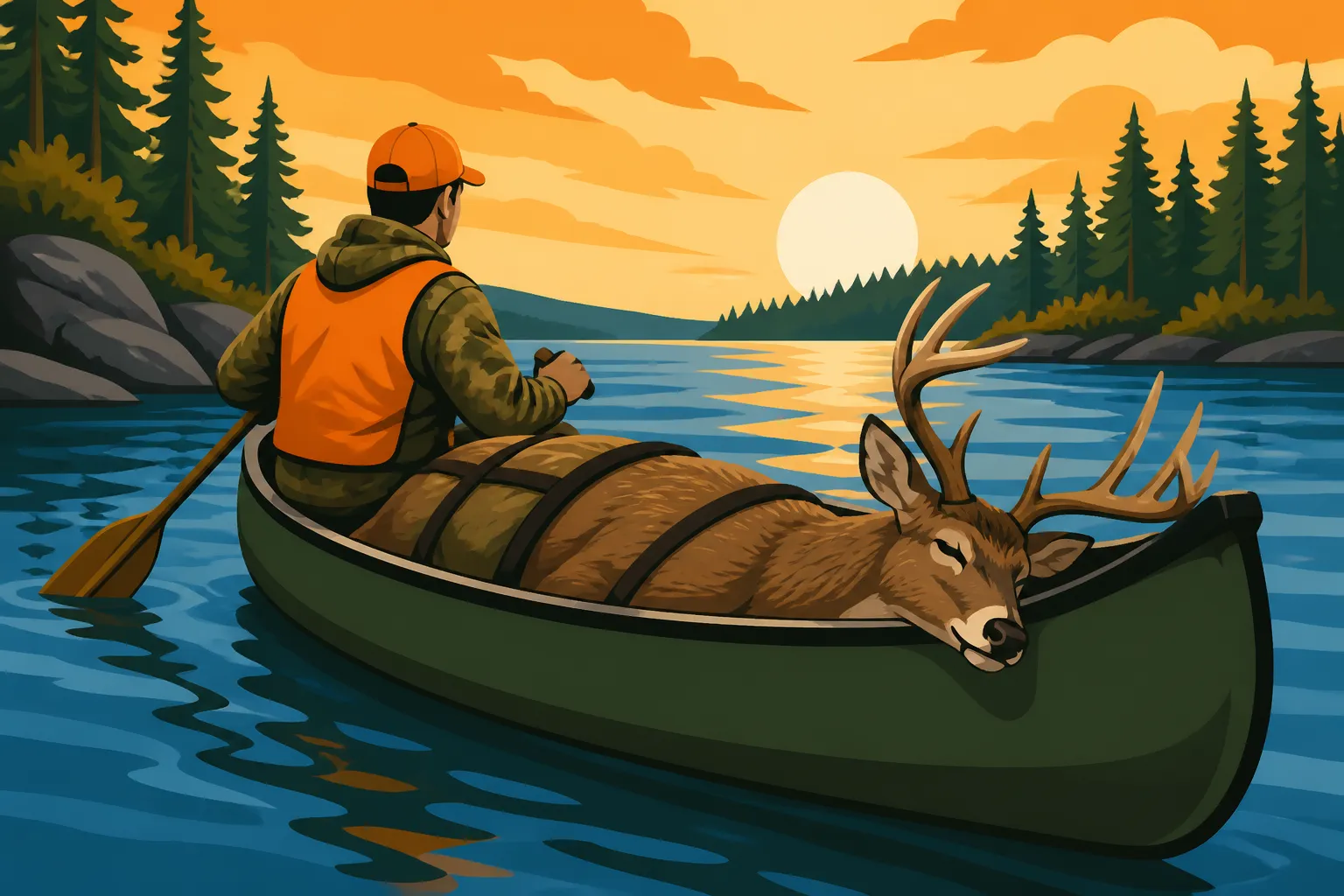
Loading a deer (or deer quarters) into a canoe requires careful thought. You need to distribute the weight evenly to maintain stability. If you have the whole carcass, try to place it in the center of the canoe, perhaps with its head facing forward, and secure it so it doesn't shift. If you've quartered the animal, spread the quarters out, placing the heaviest parts (like hindquarters) towards the center, on either side of the keel, to keep the boat balanced.
It's tempting to rush, but a capsized canoe with a deer in it is a disaster you want to avoid at all costs. Paddle slowly and deliberately, especially around bends, through currents, or when encountering waves. Keep your weight centered and low. If you have a partner, communicate constantly about weight shifts and paddling rhythm. Think about how much you can reasonably load without compromising safety or making the canoe unwieldy. Sometimes, making two trips for meat and gear, especially across larger lakes, is the safer and more efficient option. A quick check of your route on onX Hunt can help you identify the calmer waters or smaller lakes for easier transit.
Conquering the Portages with a Heavy Load
This is arguably the most brutal part of BWCA deer retrieval. A typical whitetail buck can weigh 150-250 pounds or more. Even quartered, you're looking at multiple heavy loads. The strategy here is usually to "double portage" or "triple portage." This means you carry one load (say, the canoe) across, then return for another load (like your heaviest deer quarters), then return again for your final gear load. It's time-consuming and exhausting, but it allows you to manage the weight.
When carrying quarters, use a sturdy frame pack if you have one, or even a heavy-duty duffel bag. Slings made from rope or even a heavy tarp can help distribute the weight across your shoulders or allow two people to carry a single heavy load. Take frequent breaks, stay hydrated, and watch your footing. Those portage trails are uneven, and a fall with a heavy load can lead to serious injury. Before the hunt, mentally prepare for these physical demands, and use tools like onX Hunt to review the specific portages on your planned route, identifying potential challenges like steep inclines or long carries. Reading Aerial Photos for Big Woods Deer can help you scout not just where the deer are, but where the easiest retrieval routes might be.
Safety First: Planning for the Unexpected in the BWCA
Hunting in the Boundary Waters is inherently risky due to its remote nature. When you add the physical exertion of deer retrieval, those risks are amplified. Prioritizing safety and having a robust contingency plan isn't optional—it's absolutely mandatory.
Navigating Environmental Challenges: Weather, Water, and Terrain
The weather in Minnesota can change on a dime, especially up north. A beautiful sunny morning can turn into a cold, driving rain with strong winds in a matter of hours. High winds can make paddling a loaded canoe incredibly dangerous, creating whitecaps on larger lakes. If the weather turns foul, it might be safer to hunker down on shore and wait it out, even if it means sacrificing some meat cooling time. hypothermia is a real threat when you're wet, cold, and exhausted, especially during the later seasons.
The water itself poses risks. Cold water shock is a serious concern, and even in warmer months, capsizing can lead to hypothermia if you're not prepared. Always wear your personal flotation device (PFD) when on the water, especially when paddling a heavy, potentially unstable canoe. The terrain, with its uneven portages and dense timber, can lead to falls or getting disoriented, particularly if you're trying to Blood Trailing After Dark in Minnesota. Understanding your physical limits and not pushing past them is critical.
Communication, First Aid, and Emergency Protocols
In the vastness of the BWCA, cell service is virtually non-existent. This means you need alternative communication methods for emergencies. A satellite messenger device (like a Garmin InReach or similar) is highly recommended. These devices allow you to send SOS messages, communicate with loved ones via text, and provide your GPS coordinates to rescuers. They are a game-changer for safety in truly remote areas.
Always carry a comprehensive first aid kit specifically designed for wilderness use. This isn't just for you; it's for anyone in your group. Minor cuts and scrapes can become major problems in a remote setting without proper treatment. Beyond the kit, make sure at least one person in your party is trained in wilderness first aid. First Aid Kits for Remote Northwoods Ground are packed differently than your typical home kit. Inform someone outside your party of your detailed itinerary, including your entry and exit points, planned routes, and expected return date. This "float plan" is crucial for search and rescue efforts if you don't check in as expected. Remember that Getting a Boundary Waters Entry Permit also helps with this, as park staff have a record of your presence.
Retrieving a deer from the Boundary Waters is one of the most physically and mentally demanding tasks a hunter can undertake. It's not for the faint of heart, but the satisfaction of successfully completing such a feat in such a wild and beautiful place is unmatched. Plan meticulously, prepare your gear, understand your route, and prioritize safety above all else. With careful execution, your BWCA deer retrieval can be another incredible chapter in your wilderness hunting adventure.
Disclaimer
This article is for general informational purposes only and does not constitute professional advice. Laws, prices and regulations vary by location and change over time. Consult a qualified professional for guidance on your specific situation.