How Big the Superior National Forest Is
Stepping into Minnesota's Northwoods, especially the vast expanse that is the Superior National Forest, can feel like entering another world. It's a place where the trees seem to stretch forever, the lakes are countless, and the horizon is perpetually green. This sheer scale can be daunting for any hunter, making it tough to even conceptualize where to begin planning a trip. This guide aims to break down just how immense the Superior National Forest truly is, what that magnitude means for hunters, and how you can approach hunting effectively within its colossal boundaries.
Understanding the Sheer Scale of the Superior National Forest
When we talk about the Superior National Forest, we're not just talking about a big chunk of woods. We're talking about a landscape that could swallow several smaller states whole and still have room to spare. It’s an area that truly defines "big woods" hunting in Minnesota, offering a wild experience unlike anywhere else in the state.
Miles and Miles of Wilderness
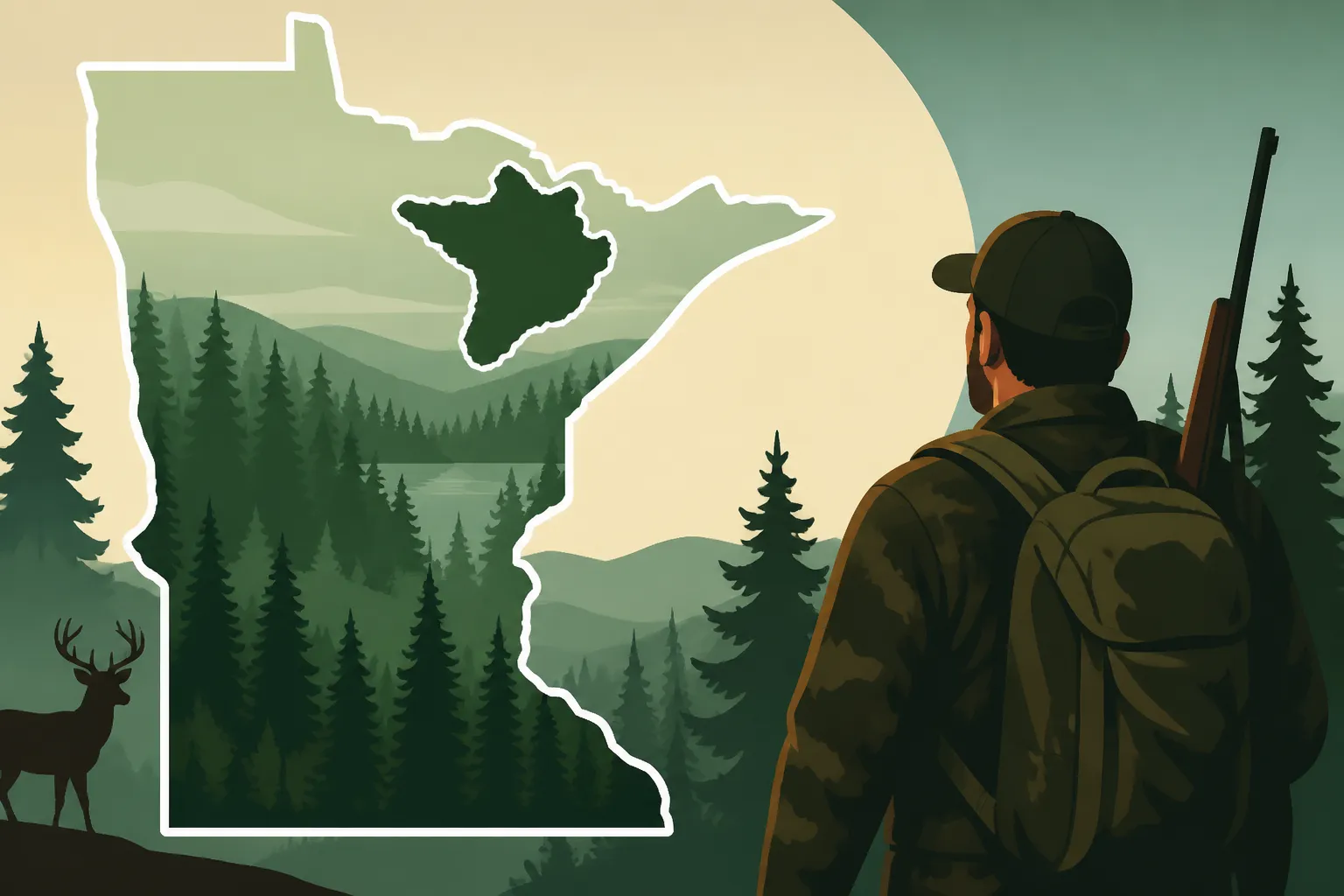
The Superior National Forest encompasses roughly 3.9 million acres of land in northeastern Minnesota. To put that into perspective, that's an area larger than the state of Connecticut. It stretches for about 150 miles along the Canadian border, from near Grand Portage in the east to west of Ely. Within this massive footprint, you'll find everything from dense conifer stands and towering hardwoods to countless lakes, rivers, and wetland systems. It's a mosaic of habitats shaped by glaciers and time, creating a diverse and rugged environment. For a hunter, this isn't just a number; it means seemingly endless opportunities, but also the potential for getting truly lost in the wild. It’s a place where you can walk for days and never cross your own tracks, which is both a blessing and a challenge.
The Boundary Waters Canoe Area Wilderness within the Forest
A significant portion of the Superior National Forest, about one million acres, is designated as the Hunting the Boundary Waters Canoe Area Wilderness (BWCAW). This area has even more stringent rules regarding motor use, group size, and access, emphasizing a truly primitive experience. While hunting is permitted in much of the BWCAW, the methods and gear you bring in are highly restricted, often requiring canoe or portage access. This further adds to the wild, remote feel of the Superior, making parts of it practically untouched by modern conveniences. Understanding these boundaries and regulations is absolutely crucial before planning any hunt, as the BWCAW offers a unique set of challenges and rewards. Many hunters dream of strapping on a pack and Packing a Canoe for a Boundary Waters Hunt for an adventure deep in the wilderness, but it requires careful preparation.
| Feature | Superior National Forest Overview |
|---|---|
| Total Acres | ~3.9 Million Acres |
| Location | Northeastern Minnesota |
| Included Wilderness Area | Boundary Waters Canoe Area Wilderness |
| BWCAW Acres | ~1 Million Acres |
| Primary Forest Types | Conifer, Hardwoods |
| Water Features | Over 2,000 Lakes, Rivers, Wetlands |
| Primary Game Species | Deer, Bear, Grouse, Waterfowl |
What All That Land Means for Hunters
The sheer size of the Superior National Forest fundamentally shapes the hunting experience. It's not like hunting a small farm woodlot or a managed state park. This is a place where you truly become a part of the landscape, relying on your skills and preparation.
Unparalleled Remote Hunting Opportunities
The vastness of the Superior means you can find true solitude. If you're willing to put in the effort – whether that's How Far to Walk From a Forest Road, paddle, or portage – you can get away from other hunters. This is especially appealing for those seeking mature whitetails that tend to avoid pressure, or for a truly wild bear hunting experience. While access points like the Superior National Forest Ranger Districts can provide starting points, the real gems often lie deep within, accessible only by foot or paddle. The remoteness also means you'll encounter a more natural deer herd, less patterned by human activity, which can be both exciting and incredibly challenging.
Diverse Habitat and Game Species
Within those 3.9 million acres, the habitat varies dramatically. You'll find everything from rocky ridges covered in red pine to sprawling cedar swamps, dense popple (aspen) cuts, and mature stands of birch and maple. This incredible diversity supports a wide range of game. Deer thrive in areas with younger growth, while bears might favor dense conifer cover and berry patches. Grouse and woodcock flourish in the alders and aspen regeneration, while waterfowl find refuge in the countless lakes and wetlands. This means that a single hunting trip to the Superior might offer opportunities for multiple species, if you’re prepared for it. Understanding these different habitats and how game utilizes them is key to success, whether you're looking for a big buck or a brace of ruffed grouse.
Navigational Challenges and Rewards
The immense size also brings significant navigational challenges. There are countless logging roads, old trails, and faint game paths that can all look the same after a few hours of walking. The rewards, however, are just as great. Successfully navigating a deep woods hunt, finding that hidden ridge, or locating a remote swamp where bucks feel safe, provides an immense sense of accomplishment. This is where tools like detailed topographic maps, a reliable GPS unit, or mapping apps like onX Hunt become absolutely essential. Trying to rely solely on memory or a compass in such a vast, feature-rich landscape is a recipe for trouble. Being able to visualize the terrain, spot potential funnels, and mark your path is not just a convenience, it's a safety imperative.
Navigating and Planning Your Hunt in the Superior
Hunting in the Superior National Forest requires more than just showing up with a gun or bow. It demands thorough planning, navigational prowess, and a deep respect for the wilderness. Don't underestimate the forest's ability to humble even the most experienced outdoors person.
Essential Mapping and Navigation Tools
Given the scale and ruggedness, modern mapping tools are non-negotiable for hunting the Superior. Forget paper maps alone; while good as a backup, a GPS-enabled device or a phone app like onX Hunt will be your best friend. These tools allow you to pinpoint your exact location, mark waypoints for your stand, parking spot, or a fresh set of tracks, and navigate back to civilization with confidence. Before heading out, make sure to download offline maps, as cell service is spotty to non-existent in much of the forest. Using these apps, you can spend time Reading Aerial Photos for Big Woods Deer from home, identifying potential bedding areas, travel corridors, and access points long before your boots hit the ground. GoHunt also offers robust planning tools that can help visualize terrain and overlays for public land boundaries, making pre-hunt scouting much more efficient.
Scouting Remote Areas Effectively
Scouting in the Superior National Forest isn't a quick morning walk. It often involves multi-day trips, covering significant mileage on foot or by canoe. Look for subtle changes in elevation, pinch points between swamps and ridges, and areas with diverse tree species. Timber cuts, while potentially tough to walk through, often create excellent new growth that attracts deer and grouse, so pay attention to How Old a Cut Should Be for Grouse. Early season scouting allows you to find rubs, scrapes, and bedding areas before leaves drop and snow falls. Don't forget to utilize your chosen mapping app to mark these observations. Scouting Minnesota Public Land Before Season is crucial here, as finding sign in such a vast area takes time and dedication. This pre-season work will significantly increase your odds of success when hunting season arrives.
Accessing the Depths of the Forest
Accessing the truly remote parts of the Superior often means leaving your vehicle behind and getting creative. Many forest roads are seasonal or unmaintained, becoming impassable in wet conditions or after snow. Consider bringing a sturdy mountain bike for longer distances on old logging trails, or planning a canoe trip into the BWCAW if that's your target area. Remember that Camping Rules on Minnesota State Forest Land can vary, so always check regulations. The further you're willing to go, the less hunting pressure you're likely to encounter, but this also means a longer, more challenging retrieve if you're successful. Planning your entry and exit points, and a strategy for game retrieval, is just as important as finding where the deer are.
The Realities of Hunting Such a Vast Wilderness
Hunting the Superior National Forest is an experience unlike any other, demanding respect, preparation, and resilience. It's a place where you truly earn your harvest, and where lessons in self-reliance are learned with every mile.
Challenges and Safety Considerations
The challenges of hunting in the Superior are as vast as the forest itself. Navigation errors can lead to being disoriented or lost, especially in featureless conifer swamps or after a fresh snowfall. Weather can change rapidly and severely; a warm autumn day can quickly turn into a freezing, wet squall. Wildlife encounters are common, from black bears to wolves, and you need to know how to react appropriately. Carrying a comprehensive First Aid Kits for Remote Northwoods Ground, a satellite communication device, and extra survival gear isn't overkill – it's smart practice. Always tell someone your exact hunting plan and expected return time. This truly is a place where you need to be self-sufficient and prepared for anything.
The Immense Reward of a Northwoods Harvest
Despite the difficulties, the rewards of hunting in the Superior are immense. There’s a profound satisfaction that comes from navigating deep into the wilderness, outsmarting a wary whitetail on its own terms, or calling in a spring gobbler in a remote corner of the forest. The meat tastes better, the memories are more vivid, and the stories are richer because of the effort and challenge involved. Whether you're successful or not, a hunt in the Superior National Forest changes you. It connects you to the wild in a way few other places can, teaching patience, perseverance, and respect for one of Minnesota's last truly wild places. It's a privilege to hunt here, and every journey into its depths is an adventure waiting to unfold. For those looking for a truly wild experience, the Superior offers it in spades.
Disclaimer
This article is for general informational purposes only and does not constitute professional advice. Laws, prices and regulations vary by location and change over time. Consult a qualified professional for guidance on your specific situation.