Bobcat Range and Harvest in Minnesota
Many Minnesota hunters and trappers are drawn to the mystique of the bobcat, a creature often glimpsed only as a fleeting shadow. These beautiful, yet elusive, furbearers present a unique challenge, making them a highly sought-after trophy. If you've ever wondered where these incredible animals live in our state, how their populations are managed, or what it takes to ethically and legally pursue one, this comprehensive guide is designed to illuminate the world of the Minnesota bobcat and help you understand the opportunities for harvest.
The Elusive Bobcat: Understanding its Natural History in Minnesota
The bobcat, or Lynx rufus, is truly a marvel of adaptation, thriving in a variety of landscapes across North America. In Minnesota, they represent one of our most captivating wild furbearers, but their secretive nature means many people live in the state without ever seeing one. Understanding their natural history is the first step toward appreciating their role in the ecosystem and, for some, the pursuit of a successful harvest.
Characteristics and Behavior of Minnesota Bobcats
Minnesota bobcats are medium-sized wild cats, larger than a domestic housecat but significantly smaller than a Canada lynx, their northern cousin. They typically weigh between 15 and 35 pounds, with males generally being larger than females. Their fur is beautifully marked, ranging from tan to reddish-brown with distinctive black spots and stripes, especially on their legs and face. The "bobbed" tail, usually only about 4-7 inches long with a black tip, is their namesake feature. Their keen eyesight, exceptional hearing, and silent movement make them incredibly efficient predators.
Bobcats are primarily nocturnal or crepuscular, meaning they are most active at dawn and dusk, though they can be seen during the day, especially in winter when prey is scarce. They are solitary animals, maintaining large home ranges that can overlap with other bobcats, but direct encounters are generally avoided. Communication often involves scent marking, vocalizations (which can sound surprisingly like a housecat's, but louder), and visual cues. Their elusiveness is one of their most defining characteristics, making any sighting, let alone a successful harvest, a truly memorable experience.
Preferred Habitats and Prey Base
In Minnesota, bobcats show a strong preference for dense, mixed forest habitats, often interspersed with swamps, marshes, and rocky outcrops. Areas with thick undergrowth, brushy cover, and access to water are particularly attractive. These habitats provide ample cover for stalking prey and for denning. While they are primarily forest dwellers, they are adaptable and can occasionally be found on the edges of agricultural fields, especially if there's good cover nearby. Think of those transition zones where dense woods meet open areas – that's prime bobcat country.
Their diet is varied but heavily reliant on small to medium-sized mammals. Snowshoe hares are a significant food source, particularly in the northern forests where hare populations are robust. Other common prey items include cottontail rabbits, squirrels, mice, voles, and various ground-dwelling birds. They are opportunistic predators and will also take larger prey like deer fawns if available, especially during spring. Occasionally, they might even target larger adult deer that are sick or injured, showcasing their incredible strength and hunting prowess. The health of these prey populations directly impacts the density and distribution of bobcats in any given area.
Mapping Minnesota's Bobcat Territory: Where They Roam
Understanding the historical and current distribution of bobcats in Minnesota is crucial for anyone interested in these animals, whether for observation or harvest. Their presence isn't uniform across the state, and knowledge of their preferred stomping grounds can greatly increase your chances of finding them.
Historical and Current Distribution Patterns
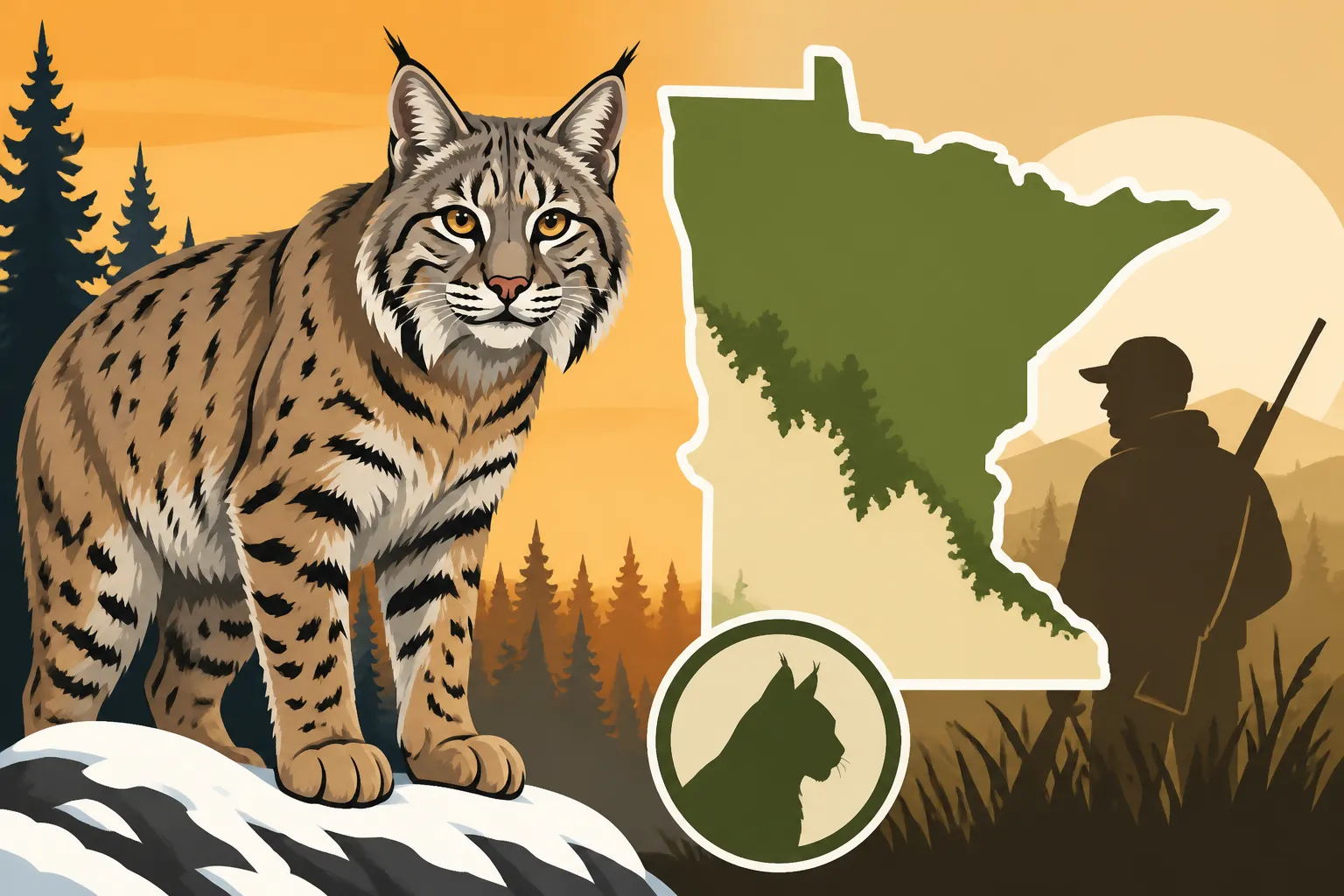
Historically, bobcats were found throughout much of Minnesota, adapting to various landscapes. However, as the state developed and habitats changed, their populations became more concentrated. Today, bobcats are primarily found in the northern and northeastern forested regions of Minnesota, a stronghold that aligns with their preferred dense cover and prey availability. This includes large portions of the Superior National Forest and Chippewa National Forest, extending west through the coniferous and mixed deciduous forests.
While the core population remains in the northern reaches, there are occasional sightings and small, scattered populations further south, particularly in river corridors and areas with significant tracts of private timber. These southern populations are less common and often represent transient animals or small, isolated groups. The further north you go, particularly into the "big woods" country, the higher your chances of encountering a bobcat. When you're Scouting With the Minnesota Recreation Compass App or looking at satellite imagery, pay close attention to the vast, unbroken tracts of timber and marshland in these northern counties.
Factors Influencing Bobcat Range and Density
Several factors contribute to where bobcats establish their territories and how densely populated those areas become. Habitat suitability is paramount. Areas with extensive, continuous forest cover, particularly those with a mosaic of young and mature timber, provide the ideal mix of hunting grounds and escape cover. The abundance of prey, especially snowshoe hares, is another critical determinant. When hare populations are high, bobcat numbers tend to flourish. Conversely, harsh winters with deep, crusted snow can negatively impact prey availability and make hunting more difficult for bobcats, potentially affecting their survival and reproduction.
Competition with other predators, such as coyotes and wolves, can also play a role, though bobcats often coexist by utilizing different niches or temporal activity patterns. For instance, understanding How Many Coyotes Minnesota Has in a given area might give you a clue about potential competition for resources. Human activity, including logging practices and the development of roads and infrastructure, can influence their movements and habitat use. Sustainable forest management practices that create a diverse age structure in timber stands are generally beneficial for bobcat populations, providing both dense cover and areas rich in prey.
Identifying Prime Bobcat Habitat on the Ground
Knowing where to start looking for bobcats means understanding their habitat preferences at a micro-level. On the ground, look for thick brush, dense conifer stands, and areas with significant fallen timber or rocky outcrops that offer natural shelter. Often, these areas will be adjacent to wetlands or swamps, which provide both water and an abundance of small game. Creek bottoms and drainage areas that offer dense cover are also hotspots. Don't be afraid to get into the thickest stuff; bobcats thrive where other animals, and hunters, shy away.
When you're out scouting, keep an eye out for sign. Bobcat tracks are rounded, usually without claw marks visible (unlike dogs or coyotes, their claws are retractable), and often show four distinct toe pads with a prominent heel pad. They tend to walk in a straight line, placing their hind feet in the prints of their front feet. Scat might also be found, usually segmented and often containing fur and bone fragments. While seeing a bobcat is rare, finding their sign in prime habitat is a strong indicator of their presence. Finding Sign in Minnesota Big Woods applies just as much to bobcats as it does to deer.
Navigating Minnesota's Bobcat Harvest Regulations and Opportunities
For those interested in pursuing bobcats, understanding Minnesota's specific regulations is absolutely paramount. The state manages its furbearer populations carefully to ensure sustainability, and bobcats are no exception. This isn't a free-for-all; it requires diligent adherence to established rules.
Licensing, Seasons, and Permit Areas for Bobcat Hunting and Trapping
In Minnesota, bobcat harvest is managed through a regulated season, and a valid trapping or small game license (depending on method) is required. Typically, bobcats are primarily pursued through trapping, which requires a specific trapping license. Hunting bobcats is also allowed during certain periods, usually requiring a small game license. It's critical to check the current regulations each year, as season dates, bag limits, and specific requirements can change. The season usually runs through the colder months when their pelts are prime, typically starting in late fall and extending through winter.
Minnesota is divided into specific Bobcat Permit Areas, often aligning with the northern forest regions where populations are most robust. Unlike some other furbearers, bobcats in Minnesota are often managed with harvest quotas, meaning there's a limit to the total number of animals that can be taken statewide or within certain zones. Once these quotas are met, the season in that particular area can close early. This system ensures that populations remain healthy and viable for future generations. Knowing your permit area and its specific rules is non-negotiable. Using a platform like GoHunt, you can often find maps and detailed information to help you identify these zones and plan your efforts.
Understanding Harvest Quotas and Tagging Requirements
The quota system for bobcats is a key aspect of their management in Minnesota. Before the season, the state DNR will announce the total quota for each permit area. Trappers and hunters are then responsible for checking the harvest numbers regularly, often through an online reporting system or hotline. It's a race against the clock for some, as once the quota is reached, the season closes, sometimes with very little notice. This system demands constant vigilance from anyone actively pursuing bobcats.
Upon a successful harvest, stringent tagging and registration requirements are in place. Typically, an individual must obtain a special bobcat tag (sometimes called a pelt tag or seal) from a designated DNR office or agent within a short timeframe after taking the animal. This tag must be securely affixed to the pelt. This registration process provides critical data to wildlife managers, allowing them to monitor harvest numbers against quotas and assess the health of the bobcat population. Without proper tagging and registration, possession of a bobcat pelt is illegal. You'll find similar tagging rules covered in Minnesota Trapping Seasons and Tagging.
Managing Minnesota's Bobcat Population
Minnesota's approach to bobcat management is a balancing act, aiming to provide harvest opportunities while ensuring the long-term health of the species. This involves monitoring population trends through various methods, including harvest data, research studies, and habitat assessments. The quota system is a direct reflection of this management philosophy, allowing wildlife officials to adjust harvest pressure based on current population estimates and environmental conditions.
Habitat management also plays a crucial role. Since bobcats thrive in diverse forest environments, sustainable forestry practices that create a mosaic of different age classes of timber benefit both bobcats and their prey. Protecting and enhancing critical habitat corridors ensures that bobcat populations can expand and maintain genetic diversity. The data gathered from successful harvests and subsequent registration processes is invaluable in informing these ongoing management efforts, allowing wildlife professionals to make data-driven decisions about seasons, quotas, and permit areas year after year.
Strategies for Successfully Harvesting a Minnesota Bobcat
Successfully harvesting a bobcat is a significant accomplishment, a testament to skill, patience, and deep understanding of the animal. Whether you're a seasoned trapper or a hunter looking to expand your horizons, specific strategies can increase your odds in the Minnesota wilderness.
Effective Hunting and Trapping Methods
For most, trapping is the most effective method for harvesting bobcats due to their elusive nature. Common trapping sets include cubby sets, dirthole sets, and foothold traps strategically placed near known bobcat travel ways, such as along logging trails, creek beds, or in areas of dense cover. Lure and bait are critical components, often consisting of bobcat urine, glands, or a variety of meat baits (be sure to check regulations on baiting). Trappers will typically use scent posts to draw the bobcat's attention to the trap location. Given Minnesota's winter conditions, waterproof and freeze-proof sets are essential. You can learn more about general furbearer techniques in Running a Trapline in Northern Minnesota.
Hunting bobcats, while more challenging, is also possible. Still-hunting or stand hunting in areas of high bobcat activity can be effective. This often involves finding fresh tracks after a snowfall and carefully following them, or sitting quietly near known travel routes or kill sites. Calls, such as distress calls mimicking rabbits or other small prey, can sometimes draw a curious bobcat within range, especially in late winter when food is scarce. Given the dense cover they prefer, rifle shots are often close-range, so understanding Sighting In a Rifle for Minnesota Woods Ranges is key for quick, ethical shots.
Scouting and Sign Identification
Thorough scouting is the bedrock of successful bobcat harvest. Before the season even opens, spend time in suspected bobcat habitat. Look for natural travel corridors, pinch points, and areas where cover and prey overlap. Fresh snow is your best friend for identifying tracks and understanding their movement patterns. Pay attention to how bobcats navigate through thickets, cross logging roads, and utilize natural features like rock piles or fallen trees.
Beyond tracks, look for scratch marks on trees, especially cedars, which bobcats use to mark their territory and sharpen their claws. Scat piles can also be informative, indicating recent activity. Consider using trail cameras in potential hotspots, especially if you have an extended pre-season scouting period. Place cameras along game trails or near natural funnels to capture images and learn their patterns. Apps like GoHunt can be invaluable here, allowing you to mark potential sign locations, analyze terrain features, and even view recent harvest data if available for specific areas, helping you narrow down your search.
Essential Gear for Bobcat Hunters and Trappers
Regardless of your chosen method, having the right gear is non-negotiable for bobcat pursuits in Minnesota. For trappers, this includes a variety of traps (footholds, snares, or sometimes body-grip traps depending on specific regulations and location), trap setters, drags or anchors, and a good selection of lures, baits, and urines. Heavy-duty gloves are a must for handling traps and animals. For processing, a sharp knife and understanding of skinning techniques are vital.
Hunters will need appropriate cold-weather clothing, focusing on quiet layers that allow for silent movement. Wool Versus Synthetics in Wet Snow is a constant debate, but both have their merits for warmth and stealth. A reliable rifle or shotgun, zeroed for close-range shots, is essential. Optics, such as good binoculars, can help scan dense cover. A quality headlamp is crucial for navigating pre-dawn or post-dusk, especially when tracking or retrieving an animal. And, of course, a sturdy pack to carry all your essentials and, hopefully, a harvested bobcat. For both methods, a first-aid kit, navigation tools like a GPS or a reliable phone app, and provisions for a long day in potentially remote country are always wise.
| Aspect | Hunting Bobcat | Trapping Bobcat |
|---|---|---|
| Primary Method | Spot and stalk, calling, stand hunting | Foothold traps, cubbies, snares |
| Gear Focus | Quiet clothing, rifle/shotgun, calls, optics | Traps, setters, lures, baits, gloves, skinning kit |
| Time Commitment | Can be sporadic; requires patience and stealth | Consistent trap checks; daily commitment |
| Skill Set | Tracking, calling, marksmanship, patience | Trap placement, lure knowledge, set building |
| Success Rate | Generally lower; highly challenging | Higher potential with proper knowledge and effort |
| Seasonal Focus | Primarily winter, especially with snow | Dedicated winter season for prime pelts |
Ultimately, pursuing Minnesota bobcats is a deep dive into the wilderness, demanding respect for the animal and adherence to the rules. It's a pursuit that hones your woodsman skills and rewards those who truly dedicate themselves to understanding this magnificent creature.
Disclaimer
This article is for general informational purposes only and does not constitute professional advice. Laws, prices and regulations vary by location and change over time. Consult a qualified professional for guidance on your specific situation.