Minnesota’s Northwest Elk Herd
Imagine the sheer thrill of hearing a bugle pierce the crisp Minnesota air, a sound more commonly associated with the Rocky Mountains than our North Star State. For decades, the idea of wild elk roaming Minnesota felt like a distant dream, a ghost from a bygone era. Many hunters and wildlife enthusiasts probably thought they'd have to head west to ever witness these magnificent animals. This comprehensive guide is dedicated to shedding light on Minnesota's remarkable Northwest Elk Herd, exploring their history, habitat, behavior, and the incredible, albeit rare, opportunities they present for hunting and wildlife viewing right here at home.
The Return of Giants: A Brief History of Minnesota's Elk
For many years, the idea of an elk herd in Minnesota was something relegated to history books and campfire stories of generations past. It's easy to feel a sense of loss for what once was, and the thought of these majestic animals being extirpated from our landscape entirely was a stark reminder of how fragile wildlife populations can be. But against all odds, through dedicated conservation efforts and a resilient spirit of nature, elk have made a comeback, painting a new chapter in Minnesota's wildlife narrative.
From Extirpation to Reintroduction Efforts
It's a tough pill to swallow, but by the late 1800s, elk were completely gone from Minnesota. Overhunting, coupled with widespread habitat loss as the state developed, pushed these magnificent creatures out. For more than half a century, the wilderness of Minnesota was silent to the distinct bugle of an elk. It wasn't until the early 20th century, specifically in the 1910s and 1930s, that the first attempts were made to bring them back. These early reintroductions, though well-intentioned, largely failed due to a combination of factors, including poaching, lack of suitable protected habitat, and a general lack of understanding about what a thriving elk population truly needed to take root. It was a frustrating period for early conservationists, a testament to how challenging it is to restore what has been lost.
However, the dream never died. Fast forward to the mid-1980s, and a more robust, scientifically-backed effort began. With the cooperation of other states like western Montana and the expertise of wildlife biologists, a new reintroduction program was launched. Elk were trapped and transported, carefully released into specific areas of northwestern Minnesota chosen for their promising habitat mix of forest, prairie, and agricultural lands. This time, lessons had been learned. Greater protections were put in place, and communities were educated about the importance of these animals, helping to foster a more welcoming environment for the returning giants. The hope was palpable, and thankfully, this renewed effort proved successful, laying the groundwork for the herds we see today.
The Establishment of the Northwest Herds
The initial reintroduction sites were strategically chosen in areas that provided a good balance of cover, food, and remoteness from major population centers, primarily focusing on Kittson and Marshall counties. These areas offered a mosaic of habitats crucial for elk survival: dense cover for calving and security, open prairie and agricultural fields for foraging, and wetland complexes for water. The challenges were immense, from acclimating the animals to a new environment to managing public perception and potential conflicts with agriculture. Early on, the herds faced predation pressure and the occasional vehicle collision, but overall, they began to thrive.
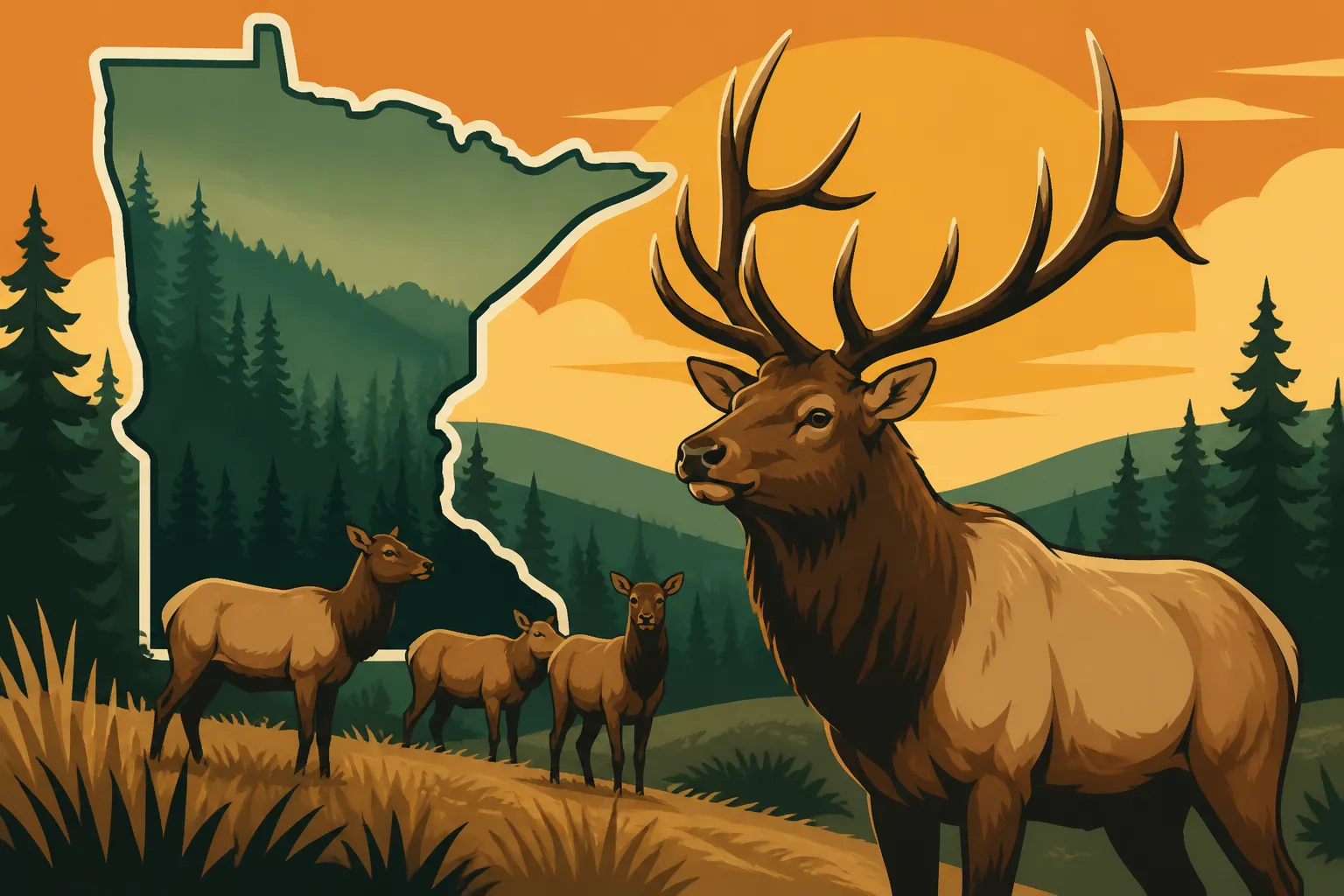
Over the decades, these initial efforts blossomed into three distinct, free-ranging elk herds in the far northwestern corner of the state. These herds, while genetically linked to those initial reintroductions, have developed their own unique characteristics influenced by their specific micro-habitats and local pressures. Their successful establishment is a true conservation success story, proving that with enough effort and commitment, even seemingly impossible wildlife recoveries can occur. If you've ever wondered How Elk Returned to Northwest Minnesota, it's a tale of perseverance, scientific insight, and the profound desire to see these magnificent animals grace our landscapes once more.
Where the Wild Things Roam: Understanding Minnesota's Elk Zones
Minnesota's elk are not spread across the entire state, which can be a point of confusion for those new to the topic. Instead, they are concentrated in a very specific, unique geographical area in the northwest. This makes understanding their "zones" absolutely critical, whether you're hoping to hunt them or simply catch a glimpse of them in their natural habitat. Each zone, managed by the Minnesota Department of Natural Resources (DNR), represents a distinct population, each with its own quirks and challenges that shape the experience of encountering them.
The Kittson County Herd: Prairie and Woodlands
The Kittson County herd, also known as the Caribou-Hallock herd, resides primarily in the far northwestern tip of Minnesota, often extending into areas right up against the Canadian border. This region is a fascinating blend of vast open prairie grasslands and scattered pockets of aspen parkland and willow thickets. For the elk, this means a dynamic landscape where they can graze in the open fields during cooler hours or when feeling secure, then retreat into the denser cover for bedding, especially during harsh weather or to evade detection.
Hunting or even just viewing these elk can be a truly unique experience. The sheer openness of the prairie means that spotting elk from a distance is possible, but getting close without detection is a whole other ball game. The wind sweeps across these plains relentlessly, carrying scent and sound far and wide. For hunters who draw a tag in this zone, understanding how to use the subtle dips and rises in the land, along with the limited patches of cover, becomes paramount. It's a land that demands patience and a keen eye, quite different from the dense forests many Minnesotans associate with deer hunting. The challenges are real, but the rewards of seeing an elk silhouetted against a prairie sunset are unforgettable.
The Marshall County Herd: Agriculture Meets Forest Fringe
Just south and east of Kittson County, the Marshall County herd (often referred to as the Grygla herd) occupies a slightly different ecological niche. Here, the landscape transitions from vast prairie to a more interspersed mix of agricultural fields—think corn, soybeans, and wheat—punctuated by significant stretches of forested land, particularly around the Agassiz National Wildlife Refuge and the Thief Lake Wildlife Management Area. This provides the elk with abundant food sources from farm crops, which can sometimes lead to conflicts with landowners, a constant management challenge for the DNR.
For hunters, this means a different set of tactics. Elk in Marshall County might be found browsing in the timber, using the dense woods for security during daylight hours, and then venturing into the agricultural fields to feed at night. Scouting here often involves observing field edges at dawn and dusk, looking for sign, and understanding travel corridors between the woods and the crops. It's a more traditional "big woods" feel in some respects, but with the added element of cultivated fields influencing elk movements. The unique dynamics of The Kittson and Marshall County Elk Herds truly highlight the adaptability of these animals to diverse landscapes.
The Caribou-Vita Herd: Cross-Border Dynamics
Beyond the two primary herds, there's also an intriguing, smaller third herd often referred to as the Caribou-Vita herd. This population actually straddles the international border, moving freely between Minnesota's Kittson County and the Vita region of Manitoba, Canada. Its cross-border nature presents a unique set of management challenges and opportunities. Cooperation between the Minnesota DNR and Manitoba conservation authorities is crucial to effectively monitor and manage this shared resource.
Because of its transient nature and smaller size, hunting opportunities for the Caribou-Vita herd are even more limited and subject to specific international agreements, though typically, tags are allocated within the Minnesota portion of its range. For those interested in the broader picture of North American wildlife, this herd offers a fascinating case study in transboundary wildlife management. Understanding their movements requires not just local knowledge, but an appreciation for the fluidity of natural ecosystems that pay no heed to human-drawn lines on a map. These elk add another layer of complexity and wonder to Minnesota's already impressive wildlife mosaic.
Life in the Herd: Elk Biology and Behavior in Minnesota
Understanding the biology and behavior of Minnesota's elk is like peering into a well-oiled machine, finely tuned by millennia of evolution. These aren't just large deer; they're incredibly complex animals with distinct patterns of movement, communication, and social structure. For anyone hoping to spot one, whether with a rifle or a camera, knowing their rhythms can make all the difference. Their lives are a constant dance with the seasons, the landscape, and the pressures of survival.
Seasonal Movements and Habitat Use
Elk in Minnesota, much like their western counterparts, exhibit distinct seasonal movements, though perhaps on a smaller scale than those in vast mountain ranges. In spring, as the snow recedes and new growth emerges, elk typically disperse from their wintering grounds. Cows, in particular, will seek out secluded, secure areas with good cover for calving. These are often dense thickets or sheltered pockets within the aspen parklands, away from potential predators. It's a time of vulnerability for the newborns, and the mothers are fiercely protective.
As summer progresses, the herds often spread out, utilizing the abundant forage of both natural grasslands and, often, agricultural fields. They might spend their days bedded in the cooler, dense cover of timbered areas or willow thickets, emerging in the evenings and mornings to graze. Fall brings the most dramatic shift, with the rut driving elk to more open areas where bulls can display and gather cows. Winter, especially the harsh Minnesota winters, can lead to concentration in areas with accessible food and thermal cover, often near standing cornfields or denser timber that provides a windbreak and some relief from deep snow. These adaptations are critical for their survival, and observing these patterns is key to any successful encounter.
The Rut and Calving Season: Key Times for Elk
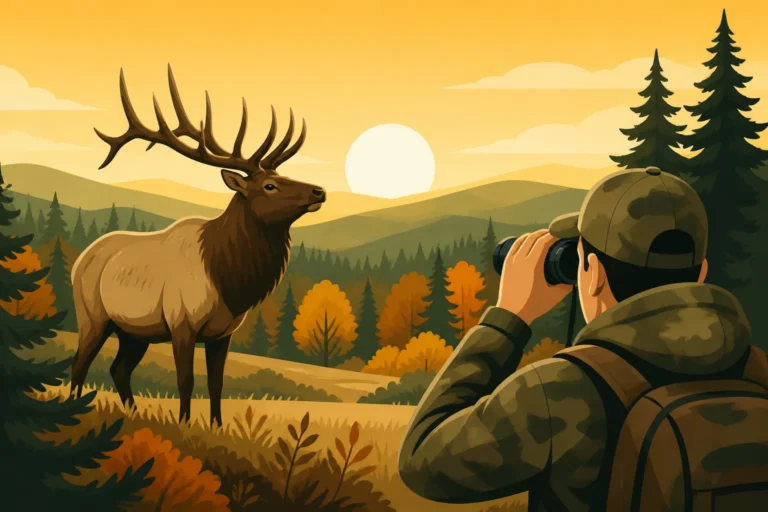
If there's one time of year that captures the imagination of anyone interested in elk, it's the rut. This period, typically from late August through September and into early October, is when the landscape truly comes alive with the sounds of bugling bulls. It's a primal, awe-inspiring vocalization that echoes across the prairie and through the timber, signaling dominance and attracting cows. Bulls will spar, locking antlers in dramatic displays of strength, vying for breeding rights. For wildlife photographers and observers, this is arguably the most exciting time to be out, as the elk are often more visible and active, driven by the intense energy of the breeding season. Many avid hunters use this time for scouting, mapping out elk movements and preferred bedding areas. If you're wondering When Minnesota Elk Bugle, September is your best bet, but pay attention to local conditions as it can vary slightly year to year.
Conversely, the calving season, typically in late May to early June, is a much quieter, more secretive affair. Cow elk will seek out isolated spots to give birth, ensuring their vulnerable calves have the best chance of survival. The calves are born spotted and are masters of camouflage, remaining hidden and motionless while their mothers forage nearby. It's a delicate time, and disturbing a cow with a newborn calf can cause undo stress, potentially leading to abandonment. Observing elk during this time requires immense respect for their need for solitude.
Diet and Foraging Habits
Minnesota's elk are primarily grazers, meaning grasses and forbs make up a significant portion of their diet. However, they are also opportunistic browsers, especially when preferred forages are scarce. Their diet varies considerably with the seasons and the specific habitat they occupy. In the open prairie and agricultural areas, they feast on a wide array of grasses, clover, and whatever palatable crops are available. This is where the tension with local farmers can sometimes arise, as elk don't discriminate between wild forage and cultivated fields.
During the colder months, when green growth is minimal, elk will turn to browse, consuming twigs, bark, and buds from woody plants like aspen, willow, and dogwood. They'll also actively seek out standing cornfields, which provide a vital source of energy through the harsh Minnesota winters. Understanding their dietary needs and preferred food sources is crucial for conservation managers, as it directly impacts habitat management strategies and efforts to mitigate agricultural damage. It also provides invaluable clues for hunters on where elk might be concentrating their feeding efforts.
| Season | Primary Forage | Key Behaviors | Management Considerations |
|---|---|---|---|
| Spring | Fresh grasses, forbs | Calving, dispersal from wintering grounds | Habitat regeneration, security for calves |
| Summer | Grasses, forbs, agricultural crops | Grazing, bedding in cover | Agricultural damage mitigation |
| Fall | Grasses, forbs, browse, crops | The Rut (bugling, sparring), increased activity | Hunter access, avoiding disturbance |
| Winter | Browse (twigs, bark), standing corn | Concentrating in thermal cover, feeding on high-energy foods | Winter range protection, supplemental feeding (rarely) |
The Rare Opportunity: Hunting Minnesota's Elk
For many hunters, drawing an elk tag in Minnesota is the ultimate dream, a true once-in-a-lifetime opportunity. It’s incredibly rare, and that rarity only amplifies the anticipation and the honor of being one of the few to pursue these magnificent animals in our state. The frustration of applying year after year and coming up empty-handed is a shared experience among many, but the slim chance keeps the dream alive. When that envelope or email finally arrives with good news, it's not just a tag; it's an invitation to an adventure unlike any other in Minnesota.
The Elk Lottery: How It Works and Your Chances
Let's be blunt: your chances of drawing an elk tag in Minnesota are incredibly low. This isn't like applying for a standard deer permit area. The Minnesota DNR issues only a handful of tags each year across the three permit areas—Kittson Central, Kittson Northeast, and Grygla—to maintain herd health and manage conflicts. The number of tags varies, often around 30-50 statewide, depending on population assessments and management goals. The application period usually opens in the spring, and hopeful hunters can apply for a specific permit area. The system is a lottery, plain and simple, meaning every applicant (who meets eligibility requirements) has an equal chance for that year, though preference points can play a role for some.
The application itself isn't complicated, but understanding the system is. You'll need a current Minnesota hunting license and to pay a non-refundable application fee. Many hunters meticulously research each permit area, using tools like GoHunt or other mapping resources to understand the terrain and assess their potential strategy before applying. This level of dedication, even for a long shot, is part of the allure. The results are typically announced in the summer, often leaving a lot of dashed hopes, but for those few, it’s the start of an incredible journey. For a deeper dive into the specifics, check out the official Minnesota Elk Lottery Rules and keep your fingers crossed!
Preparing for a Once-in-a-Lifetime Hunt
If you're one of the incredibly fortunate few to draw an elk tag, the real work begins. This isn't a hunt you just wing. The sheer scale of an elk, combined with the often challenging terrain of northwestern Minnesota, demands thorough preparation. First and foremost, physical conditioning is crucial. You might be covering significant distances on foot, often through thick brush, across open fields, or even through marshy areas. Long walks with a weighted pack are excellent training.
Gear selection is also paramount. Unlike a typical deer hunt, you'll need to consider larger caliber rifles, robust optics capable of spotting elk at long distances in open country, and clothing that can withstand variable weather, from warm September days to potentially cold, wet conditions. A quality pair of binoculars, perhaps 10×42 or even 12×50, is essential for glassing open expanses. A reliable rangefinder is also a must for accurate shot placement. And, of course, once an elk is down, the challenge of field dressing and extracting a massive animal begins. Having a plan for meat care, including game bags and possibly a deer cart or sled, is not just a good idea, it's a necessity. This preparation period is part of the hunting experience itself, and many find immense satisfaction in planning every detail. For details on how to get started, consider reviewing Applying for a Once-in-a-Lifetime Elk Tag.
Specific Tactics for Northwest Minnesota Elk
Hunting elk in Minnesota requires a blend of tactics suited to both big woods and open country. In areas with more timber, like parts of Marshall County, still-hunting and setting up on travel corridors can be effective. This involves moving slowly and deliberately through the woods, pausing frequently to observe and listen. Understanding wind direction is absolutely critical, as an elk's nose is their primary defense. For some hunters, especially during the rut, calling can be a powerful tactic. Bugles and cow calls, when used sparingly and realistically, can draw in curious bulls or locate their positions. However, elk are smart and quickly learn if calls sound off.
In the more open prairie regions of Kittson County, glassing becomes the dominant tactic. This means using high-quality optics to scan vast areas from elevated positions, looking for the tell-tale shape of an elk or a patch of color that seems out of place. Once spotted, a careful stalk, using terrain features and cover to remain undetected, is often necessary. It's a game of patience and precision. Regardless of the specific terrain, understanding elk behavior, like Where Big Woods Bucks Bed in Minnesota (which applies to elk too in timbered areas) or observing feeding patterns, is key. Pre-season scouting, often using tools like GoHunt to analyze satellite imagery and understand public land boundaries, gives you a significant edge. Knowing the ground others might walk past, or Finding Ground Others Walk Past, can be the secret to success in these low-density areas.
Living with Giants: Challenges and Conservation Efforts
The successful reintroduction and management of Minnesota’s elk herds haven’t come without their complexities. Living alongside these magnificent animals presents a unique set of challenges, particularly in a state with a mix of wild landscapes and significant agricultural presence. Conservation efforts are a constant balancing act, striving to maintain healthy elk populations while also addressing the legitimate concerns of landowners and the broader ecological health of the region.
Agricultural Damage and Management Strategies
One of the most persistent and understandable frustrations associated with a growing elk population, especially one that coexists with farmland, is agricultural damage. Elk, being large grazers, can cause significant damage to crops like corn, soybeans, and alfalfa fields, which represent a substantial economic loss for farmers. Imagine working tirelessly all season, only to have a herd of elk move through and decimate a portion of your harvest just before it's ready. It's a legitimate concern that the DNR actively works to mitigate.
To address this, the DNR employs several strategies. Controlled hunting through the lottery system is one primary tool, helping to keep herd numbers at a manageable level for the available habitat and land-use patterns. Additionally, the DNR works directly with landowners on damage prevention techniques, such as providing fencing materials, hazing programs, or encouraging farmers to plant "sacrifice plots" on the edge of their fields, offering alternative forage to divert elk from cash crops. These efforts are crucial for fostering tolerance and coexistence between people and elk in northwestern Minnesota, recognizing that a sustainable elk population relies on community support.
Disease Monitoring and CWD Risk
The health of any wild cervid population is a critical concern, and Minnesota's elk are no exception. Disease monitoring is a continuous effort, especially concerning Chronic Wasting Disease (CWD). While CWD has not been detected in Minnesota's wild elk herds to date, it's a constant threat that wildlife managers take very seriously, given its presence in deer populations in other parts of the state and neighboring regions. The risk of CWD Risk to the Minnesota Elk Herd is a topic that requires vigilance.
The DNR regularly collects samples from harvested elk and any found deceased to test for CWD and other potential diseases. Carcass movement restrictions, similar to those for deer, are sometimes implemented in or near areas with elk to prevent the potential spread of disease. Researchers also monitor for other health issues that could impact the herd, such as bovine tuberculosis or brucellosis, though these are less common concerns for Minnesota elk. This proactive approach to health monitoring is vital for ensuring the long-term viability and health of these precious herds.
Predator Interactions: Wolves and Bears
Minnesota's elk share their habitat with a robust population of predators, primarily gray wolves and, to a lesser extent, black bears. These predators play a natural role in the ecosystem, helping to maintain the health and balance of ungulate populations. However, for a recovering elk herd, predation, especially on vulnerable calves, can be a significant factor in population dynamics. It's tough to see a calf lost, but it's part of the wild equation.
Wolves are particularly adept at preying on elk calves, and studies have shown that wolf predation can be a limiting factor for elk herd growth, especially in areas with high wolf densities. Researchers diligently track calf recruitment rates to understand the impact of predators. Adult elk, being large and powerful, are less susceptible to wolf predation, though older, weaker, or injured animals can still fall victim. Black bears, especially during the spring when they emerge from hibernation, might occasionally prey on newborn calves, though they are generally less of a threat to elk than wolves. Understanding these interactions, including the impact of Wolves and Minnesota Elk Calves, helps wildlife managers assess population trends and set appropriate hunting quotas to ensure the herds remain healthy and self-sustaining. Knowing about Minnesota's Black Bear Population also provides context for the broader predator landscape.
Experiencing Elk: Viewing and Public Engagement
Even if you don't draw that coveted elk tag, the opportunity to see these incredible animals in the wild is a profound experience that many Minnesotans cherish. The sheer size and majesty of an elk, especially a bull with a full rack, can take your breath away. Public engagement, whether through viewing or simply supporting conservation, is a vital component of ensuring the long-term health and public appreciation of Minnesota's elk. It's about more than just hunting; it's about connecting with nature in a truly special way.
Best Spots for Elk Viewing
For those eager to experience Minnesota's elk without a hunting tag, the northwestern corner of the state offers some truly exceptional opportunities. The areas around the Grygla permit area in Marshall County, and the Hallock and Caribou regions of Kittson County, are prime viewing locations. Specifically, driving the roads around the Agassiz National Wildlife Refuge and the Thief Lake Wildlife Management Area can often yield sightings. Remember, these are wild animals, so there are no guarantees, but knowing where they generally frequent significantly improves your chances.
The best times for viewing are typically dawn and dusk, when elk are most active. During the fall rut, listening for bugles can lead you to active areas. Bringing a good pair of binoculars or a spotting scope will enhance your experience, allowing you to observe them from a respectful distance without disturbing them. Local community events, such as the annual Grygla Elk Festival, often highlight viewing opportunities and celebrate the presence of these animals. For more detailed information on specific locations and optimal times, look into resources on Elk Viewing in Northwest Minnesota.
Ethical Wildlife Photography and Observation
Encountering elk in the wild is a privilege, and it comes with the responsibility of ethical behavior. Whether you're a seasoned photographer or just enjoying the moment, it's crucial to prioritize the well-being of the animals. This means maintaining a safe and respectful distance. If an elk alters its behavior because of your presence (e.g., stops feeding, looks directly at you, moves away), you're too close. Use your binoculars or telephoto lenses to get "closer" without intruding.
Never pursue elk, especially cows with calves, and avoid making loud noises or sudden movements that could startle them. Remember, these are wild animals, not zoo exhibits. Feeding wild elk is not only illegal in Minnesota but also highly detrimental to their health and natural behavior, often leading to habituation and increased human-wildlife conflict. Respecting private property is also non-negotiable; always observe from public roads or designated viewing areas unless you have explicit permission to be on private land. Our goal is to enjoy their presence, not to interfere with their wild lives.
Supporting Minnesota Elk Conservation
Even if you're not a hunter, there are many ways to support the ongoing conservation of Minnesota's elk herds. One of the most direct methods is through the purchase of a Minnesota hunting license or a Minnesota Migratory Bird Stamp, even if you don't plan to hunt. A significant portion of these funds goes directly to wildlife management and habitat restoration efforts by the DNR, benefiting elk and countless other species. Understanding Minnesota Hunting Licenses and What They Cost can show you how these dollars are put to work.
Additionally, organizations like the Rocky Mountain Elk Foundation (RMEF) have local chapters that actively work to protect and enhance elk habitat, advocating for sound management practices and educating the public. Becoming a member or contributing to such groups directly aids in securing vital habitat and funding crucial research. Simply by being informed and sharing your knowledge about Minnesota's elk, you contribute to public awareness and foster a greater appreciation for these incredible animals, ensuring that future generations will also have the chance to witness the majestic return of giants to our state.
Disclaimer
Please remember that hunting regulations, seasons, and wildlife management plans are subject to change. Always consult the most current Minnesota Department of Natural Resources (DNR) regulations and guidelines before planning any hunting trip or wildlife viewing activity. Safety first, and respect for the wildlife and the land is paramount.